Artwork
Portrait of a Man with a Pink Carnation
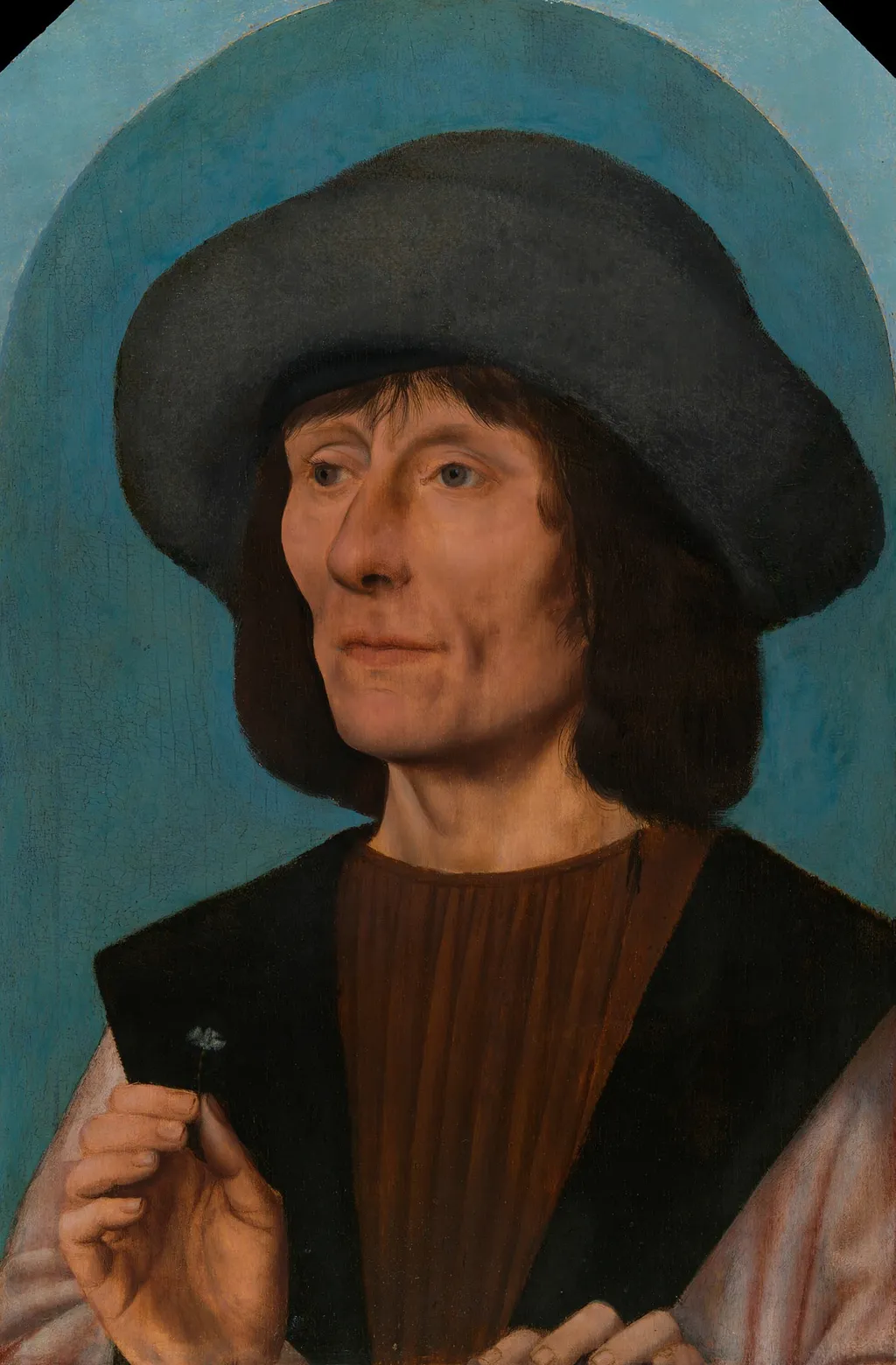
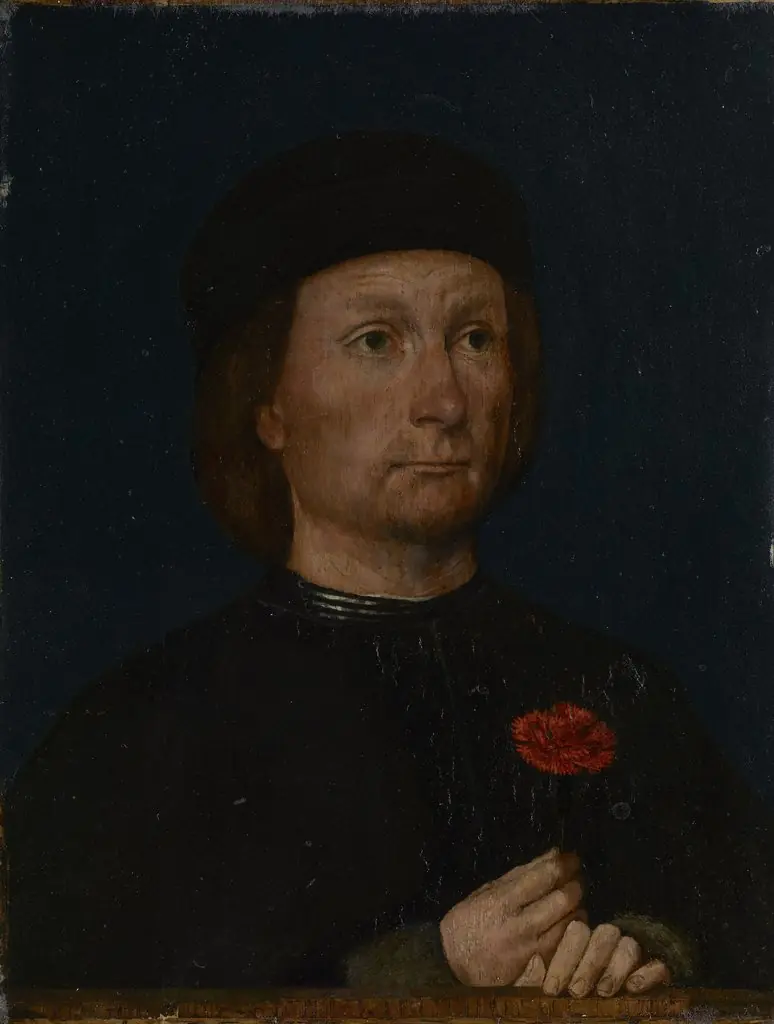
Portrait of a Man with a Pink Carnation is an oil painting by the Northern Renaissance artist Quinten Metsys. It dates from 1509 and is held in the collection of the Art Institute of Chicago.
About this work
Overview
The work exemplifies the Northern Renaissance focus on detailed observation and quiet psychological presence, rendered with technical precision in oil on panel.
Painted in 1509 by Quinten Metsys, this oil portrait captures a man holding a pink carnation against a plain blue background. Metsys, originally trained as a blacksmith, turned to painting in Antwerp, where he became a central figure in the Early Netherlandish style. The work exemplifies the Northern Renaissance focus on detailed observation and quiet psychological presence, rendered with technical precision in oil on panel.
Subject & Meaning
The sitter, dressed in a dark hat and brown tunic, holds a pink carnation—a symbol frequently linked to fidelity, betrothal, or moral purity in 16th-century Northern Europe. His restrained expression, with a faint smile, suggests introspection rather than grandeur. The flower, uncommon as a portrait accessory, may indicate personal or social significance, possibly referencing engagement or virtue, aligning with the era’s tradition of embedding moral cues in secular imagery.
Technique & Style
Metsys employed layered oil glazes to model the sitter’s face with subtle gradations of light and shadow, creating a lifelike three-dimensionality. The soft transitions along the cheek and neck reflect an understanding of chiaroscuro, a technique used to enhance volume without dramatic contrast. Brushwork is precise yet unobtrusive, emphasizing texture in fabric and skin while maintaining a calm, intimate tone characteristic of Early Netherlandish portraiture.
History & Provenance
The painting has been in the collection of the Art Institute of Chicago since 1922. Its earlier history is undocumented, but its style and date align with Metsys’s known output during his peak years in Antwerp. As one of the earliest works by the artist to survive with clear attribution, it offers insight into the transition from religious iconography to secular portraiture in the region during the early 1500s.
Context
In early 16th-century Antwerp, a growing merchant class commissioned portraits to assert social standing and personal virtue. Metsys, bridging craft and art, helped shift painting from ecclesiastical commissions to secular subjects. The inclusion of the carnation reflects a broader trend of embedding symbolic objects in portraits, merging personal identity with moral or social codes valued in urban Northern European society.
Legacy
This portrait stands as an early example of the Antwerp school’s emphasis on psychological depth and meticulous detail. Metsys’s fusion of artisanal precision with humanist observation influenced later Netherlandish painters. Though not widely reproduced, the work remains a quiet testament to the era’s evolving conception of individual identity in art, grounded in observation rather than idealization.
Artist & collection
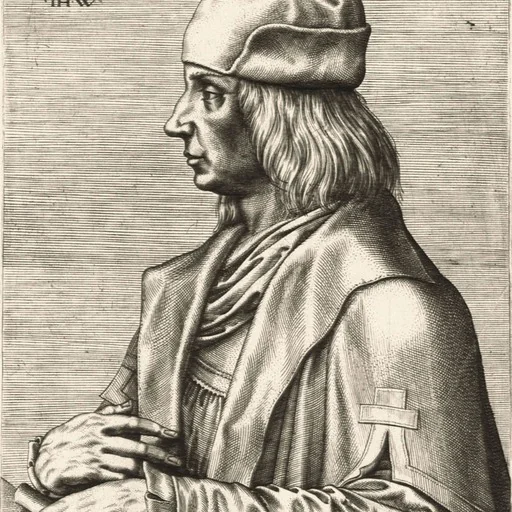
Artist
Quentin Matsys (UK: MAT-sysse, US: MAHT-sysse; also Massys or Metsys; Flemish: Quinten Matsijs ; 1466–1530) was a Flemish painter in the Early Netherlandish tradition.




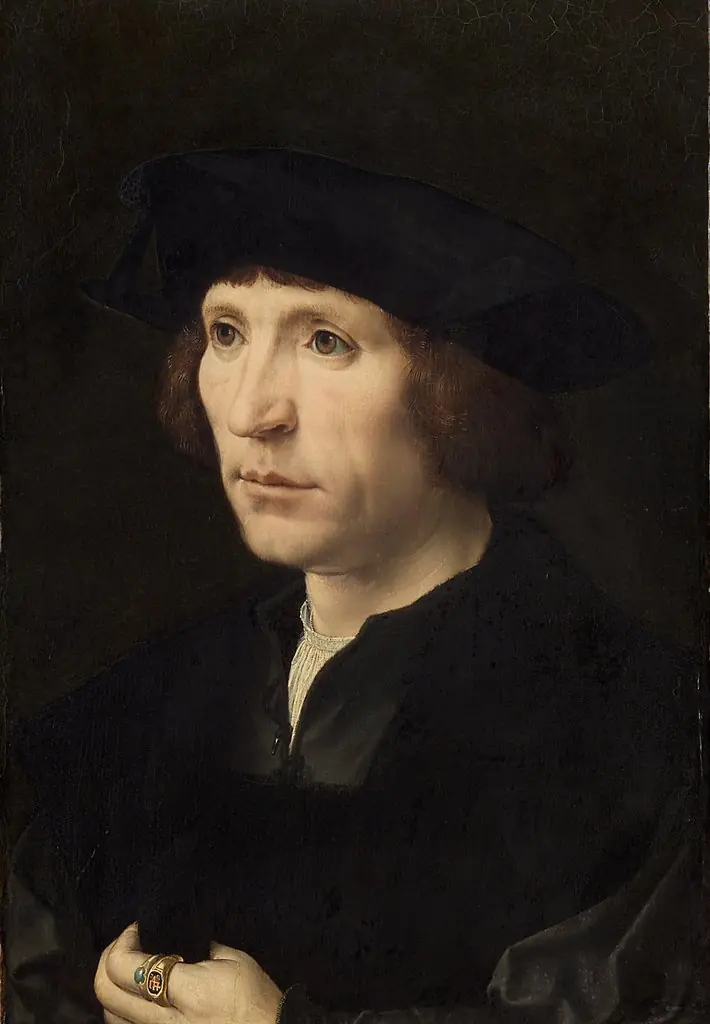 Portrait of a man
 Portrait of a Man
 Portrait of a Man with a Pink
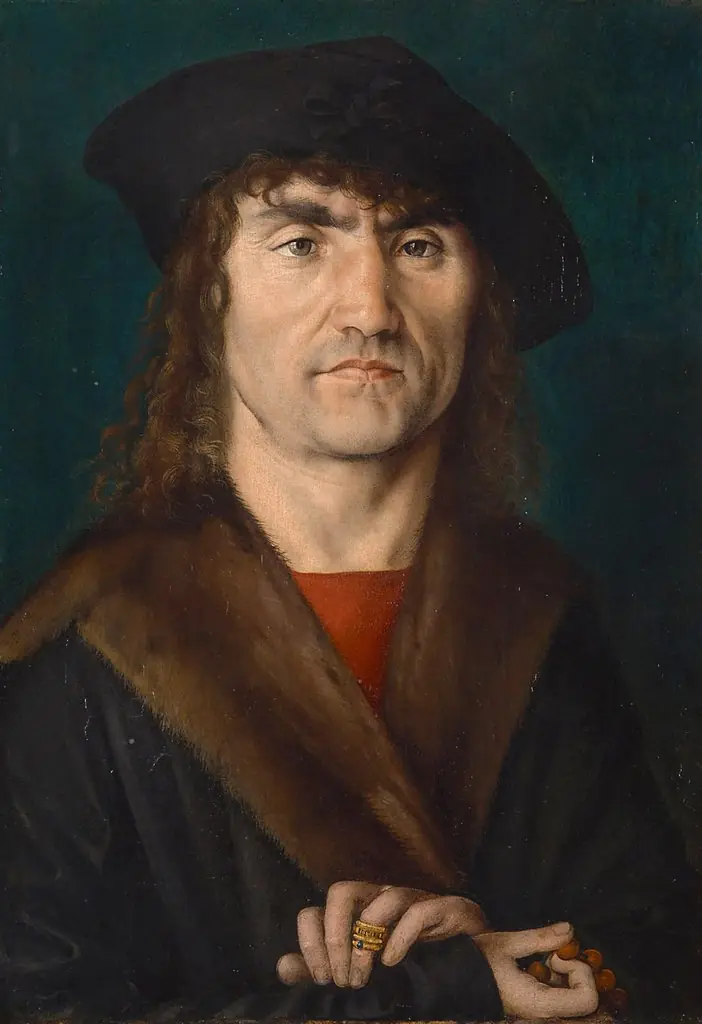 Bildnis eines Mannes mit Rosenkranz
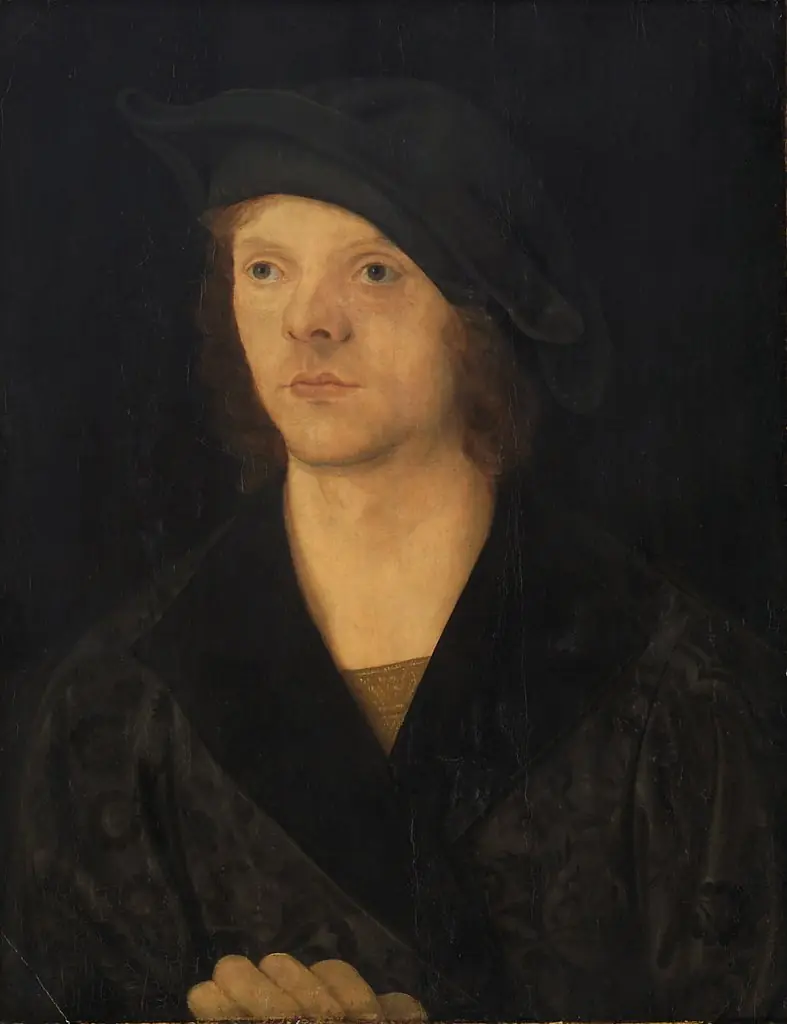 Bildnis eines jungen Mannes
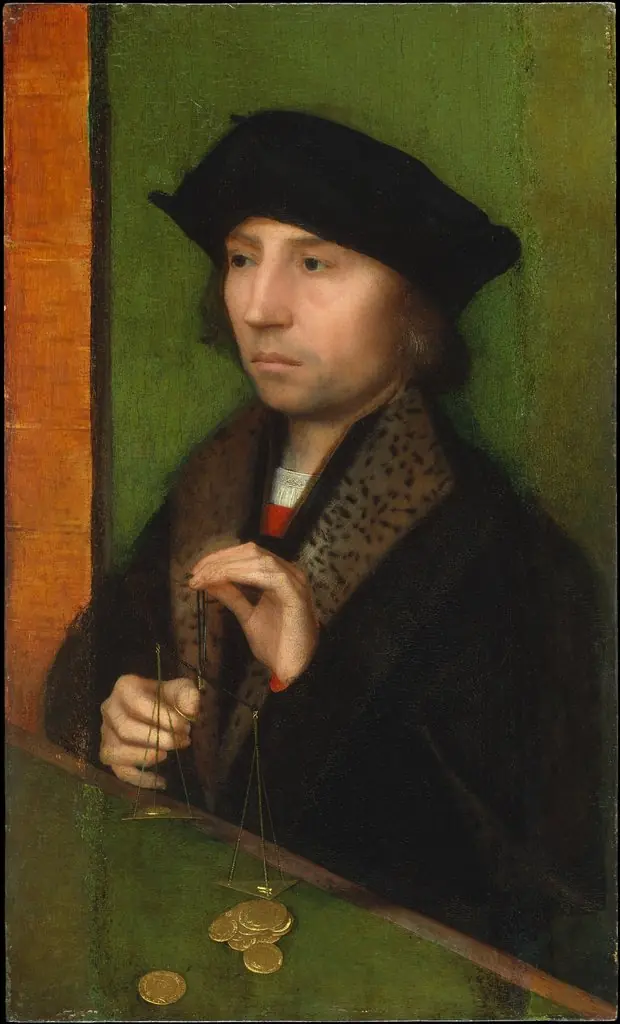 Man Weighing Gold
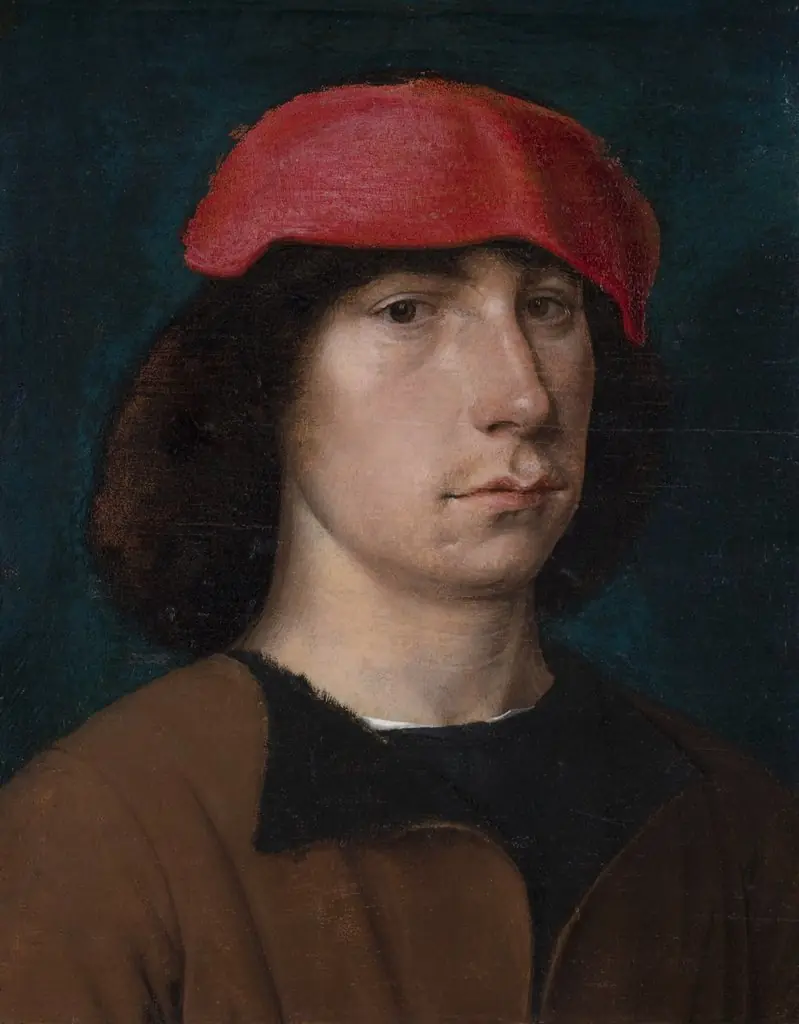 A Young Man in a Red Cap
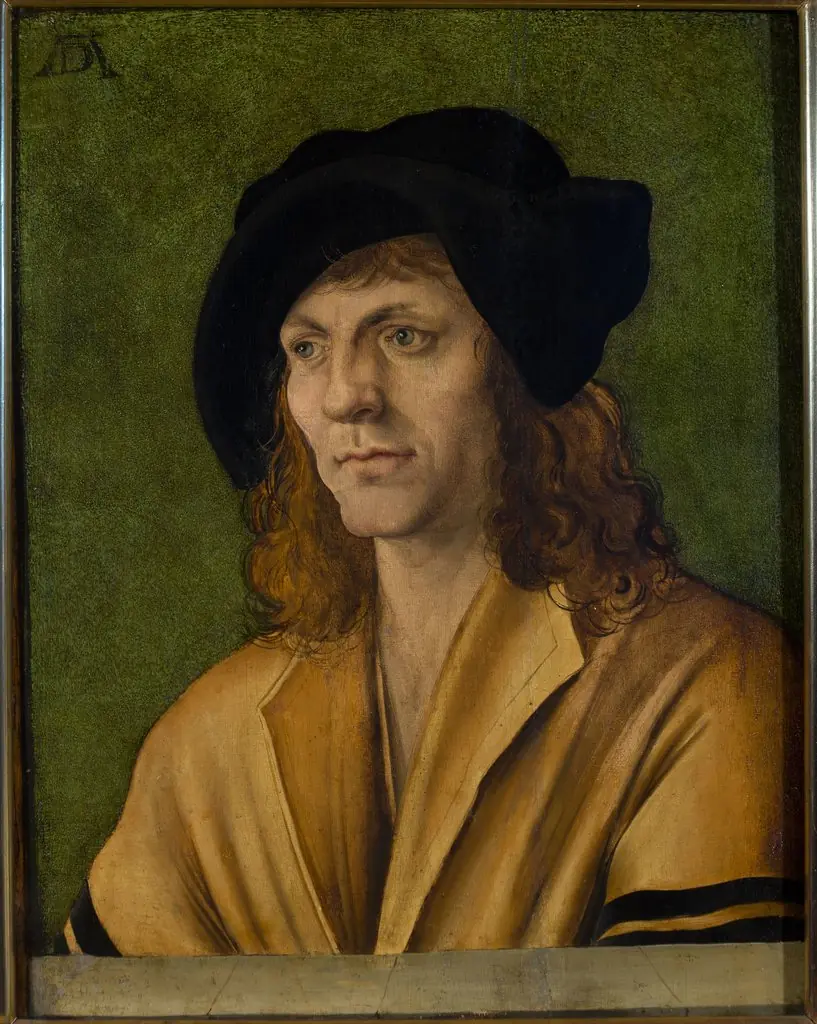 Portrait of a man in a yellow jacket
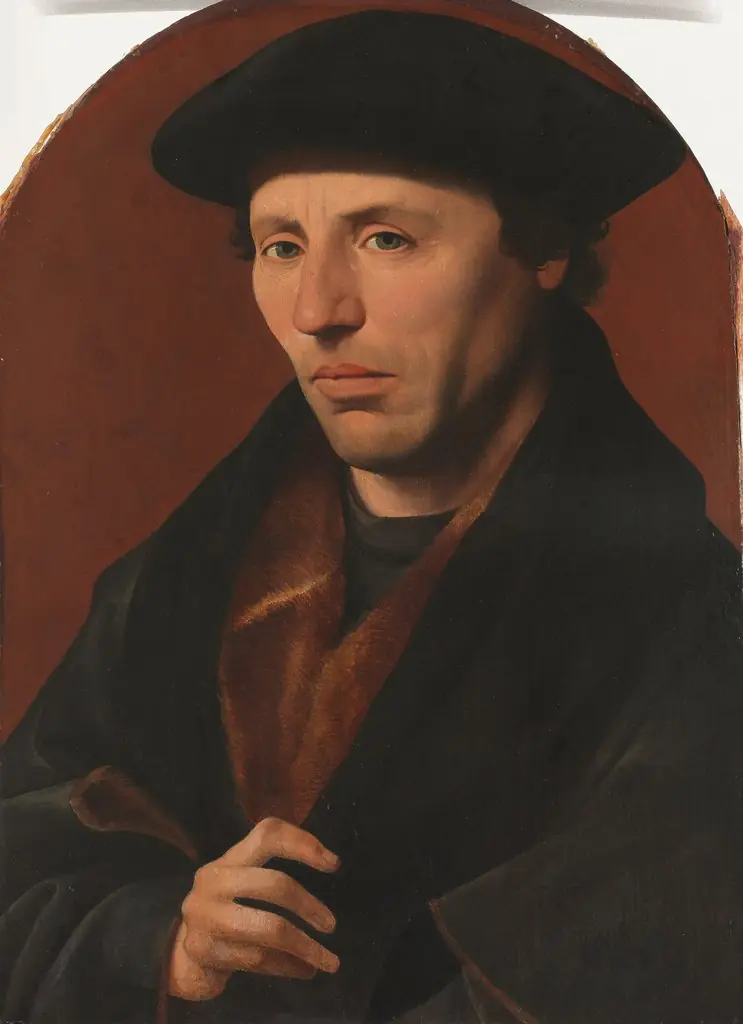 Portrait of a Haarlem Citizen
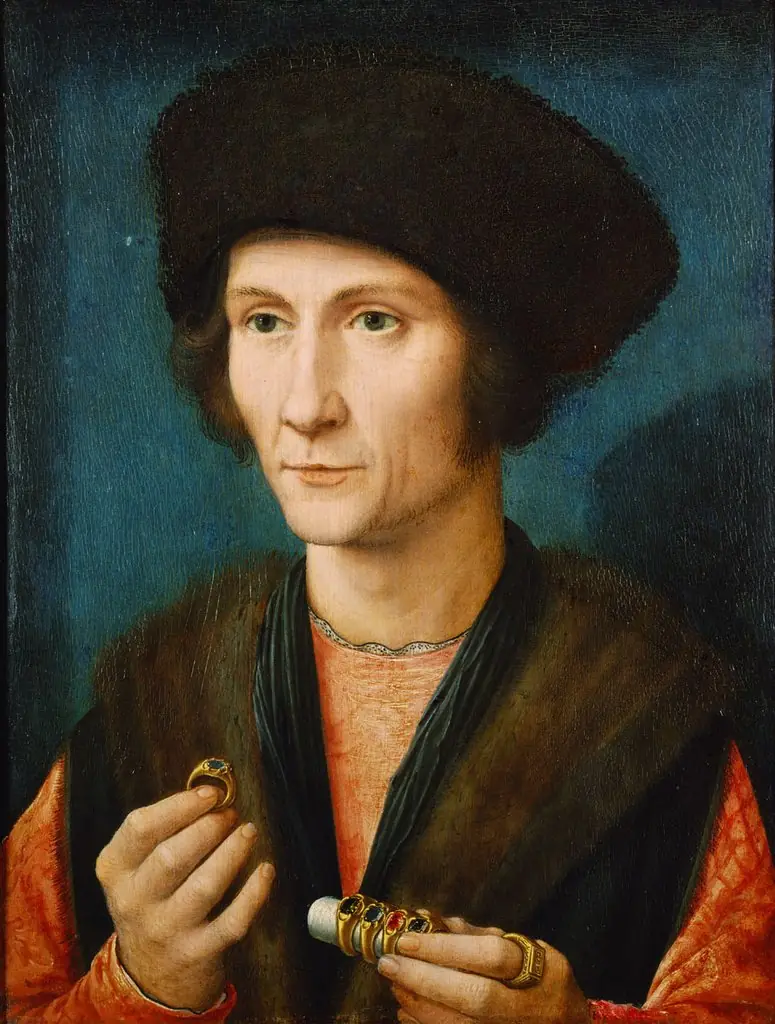 Portrait of a Goldsmith
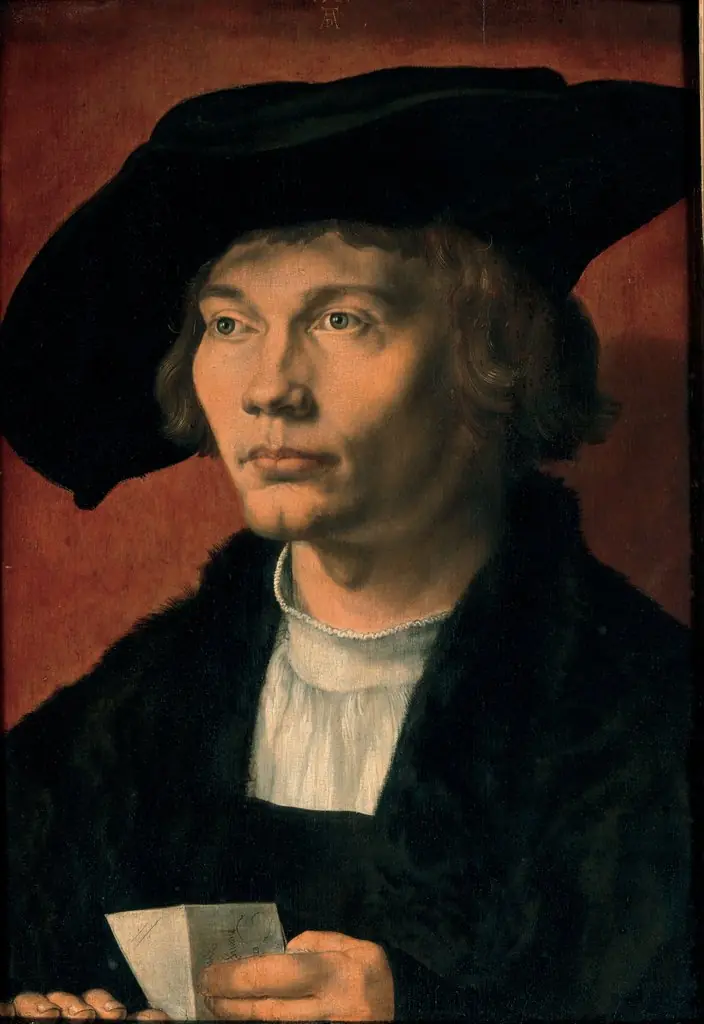 Portrait of Bernhart von Reesen
 Portrait of a Man with a Pink