Artwork
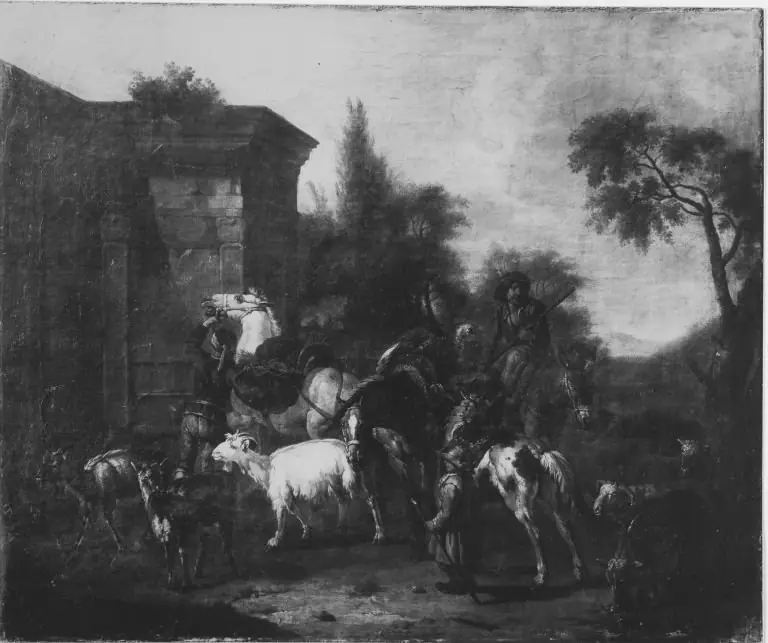
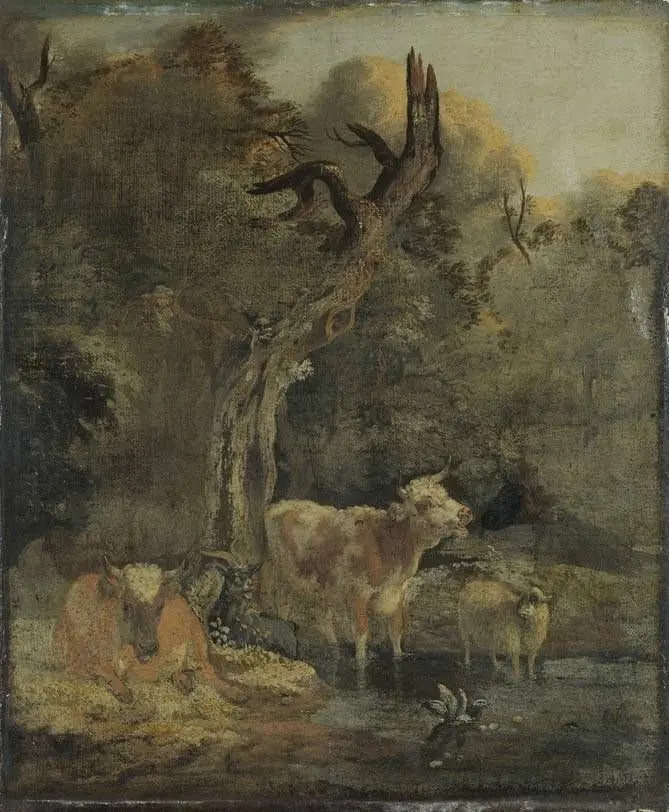
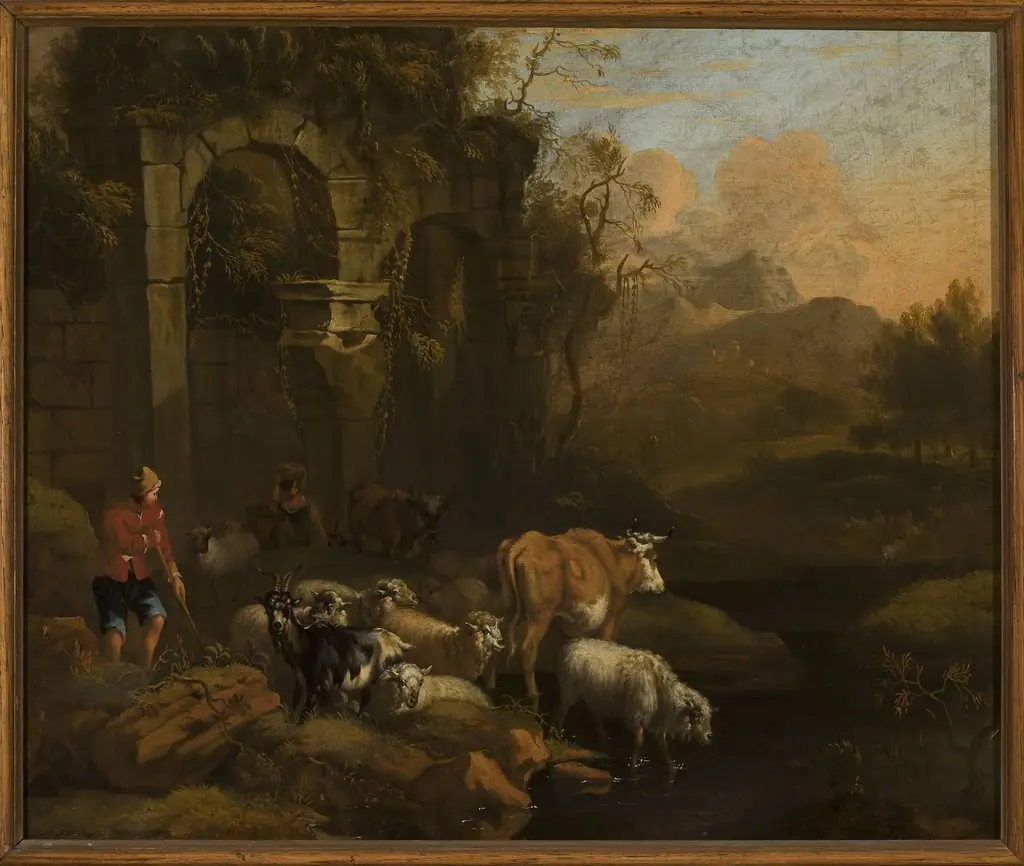
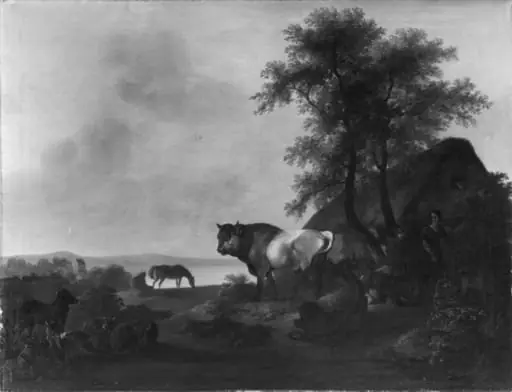
Vieh und Hirte
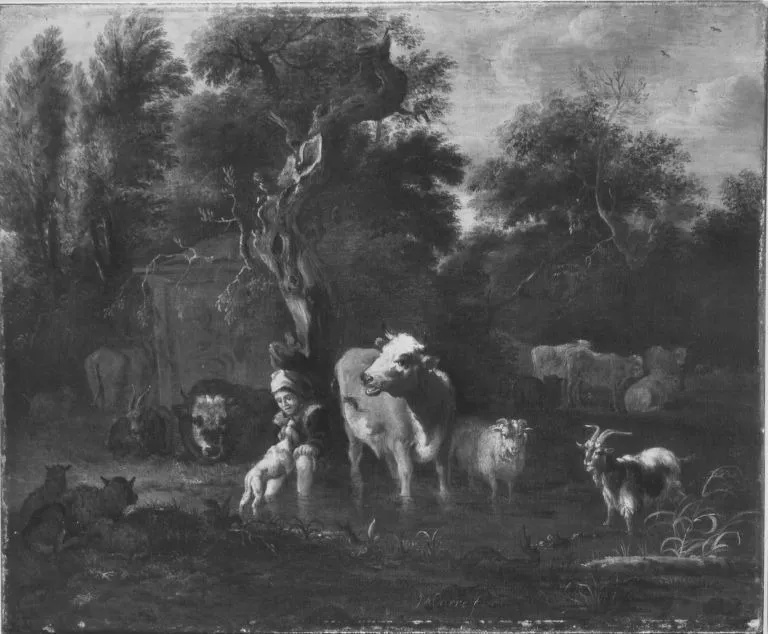
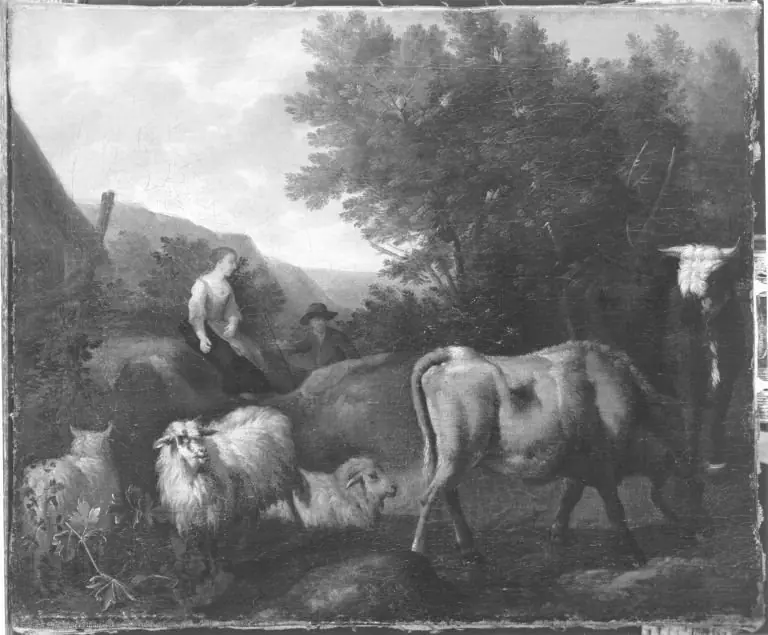
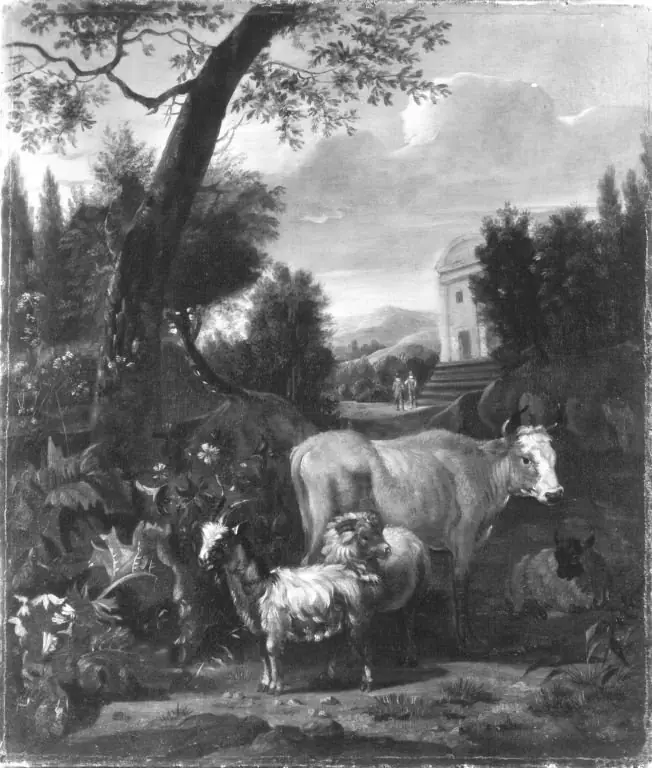
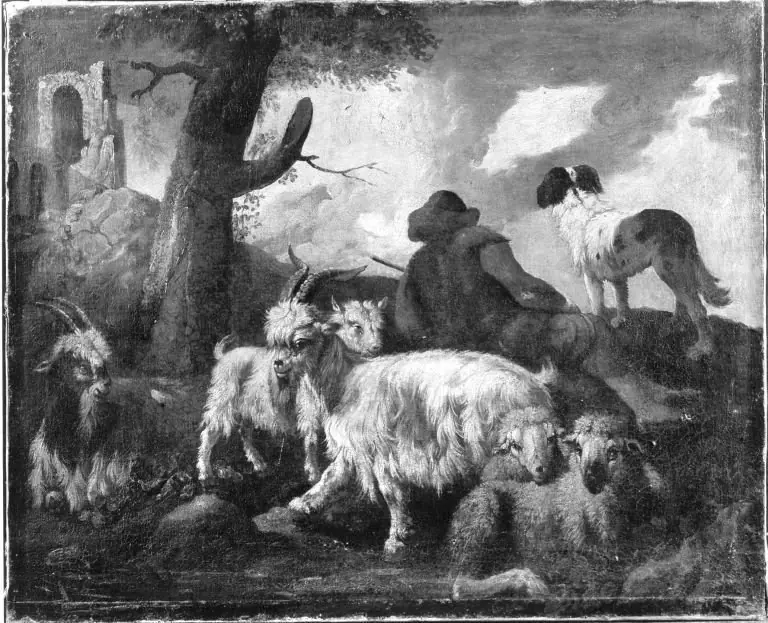
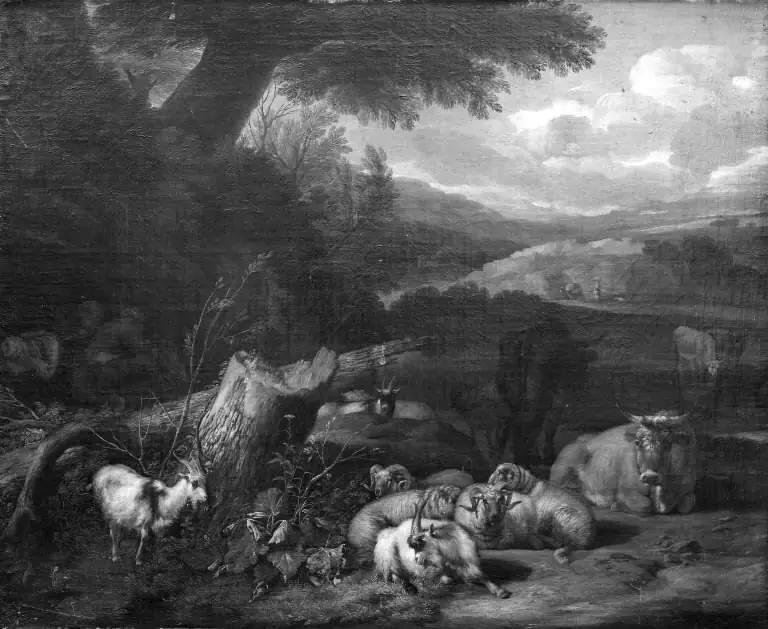
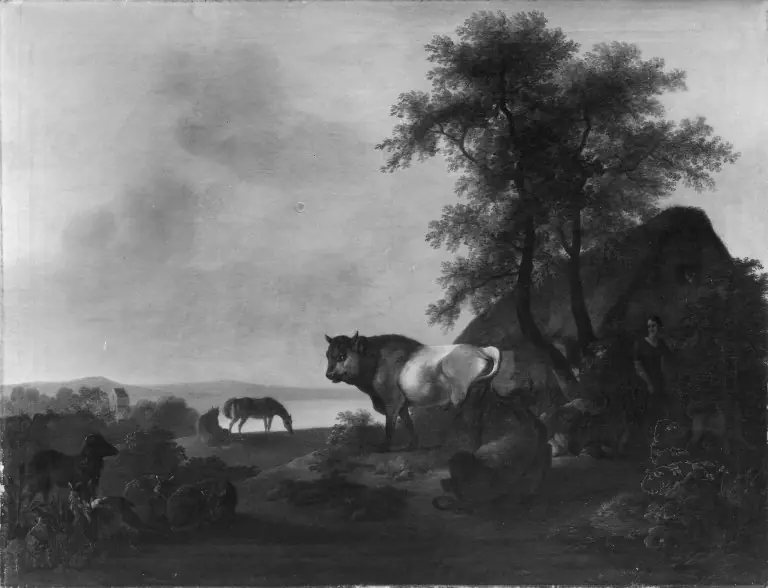
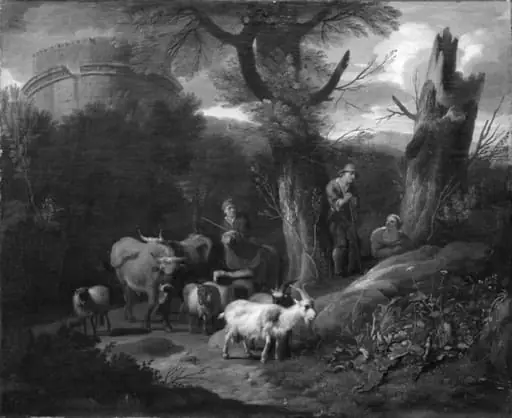
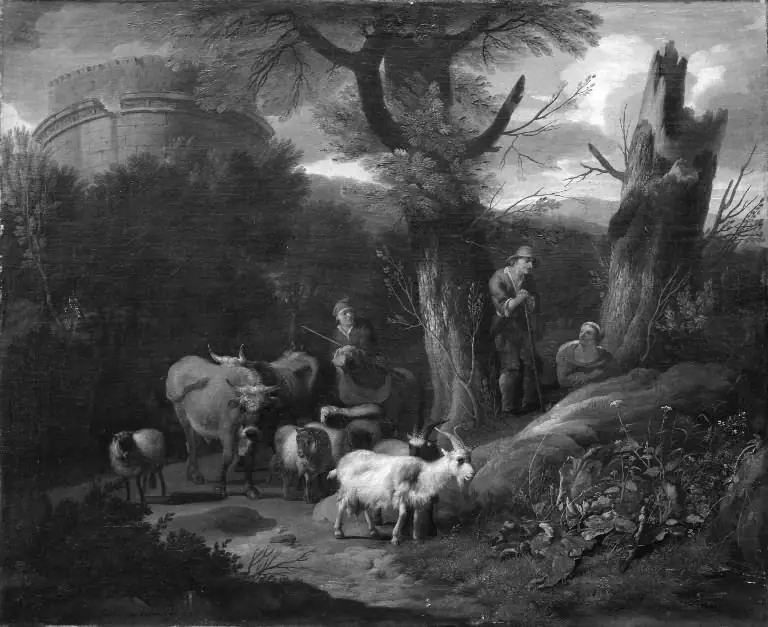
Vieh und Hirte is an unspecified painting by the Rococo painting artist Michiel Carree. It dates from 1696 and is held in the collection of the Bavarian State Painting Collections.
About this work
Overview
Though active during the late Baroque period, his work reflects a quiet pastoral tradition rather than the ornate tendencies of Rococo.
Michiel Carree, a Dutch painter born in The Hague in 1657, completed *Vieh und Hirte* in 1696. Though active during the late Baroque period, his work reflects a quiet pastoral tradition rather than the ornate tendencies of Rococo. Carree specialized in rural landscapes populated by animals and shepherds, drawing from the conventions of Dutch genre painting rather than the prevailing Italianate styles of his time.
Subject & Meaning
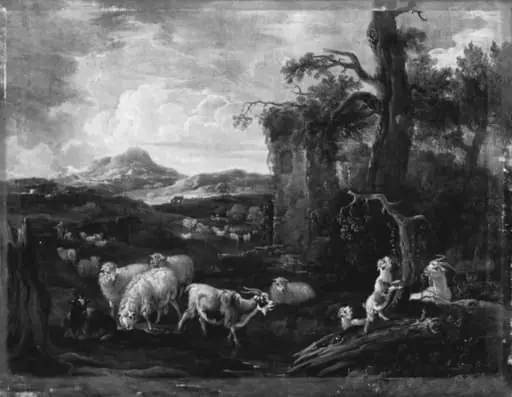
The painting presents a quiet moment in agricultural life: a group of livestock grazes near a shepherd in a gently rolling countryside. No dramatic narrative is implied; instead, the scene emphasizes stillness and routine. The figures are small within the landscape, underscoring the harmony between human labor and the natural environment, a common theme in Dutch rural imagery of the period.
Technique & Style
Carree’s brushwork is restrained and observational, with soft tonal transitions and muted earth tones dominating the palette. He adapted elements from Gabriel van der Leeuw’s compositional balance and atmospheric perspective, while retaining the detailed rendering of animals characteristic of his teacher Nicolaas Berchem. The handling of light suggests late afternoon, enhancing the calm, unhurried mood.
History & Provenance
The painting entered the Alte Pinakothek collection in Munich, where it remains today. Its acquisition history prior to institutional ownership is not well documented, but its presence in a major German museum by the 19th century indicates it was valued as an example of Dutch pastoral art. No significant alterations or reworkings are known to have occurred since its completion.
Context
In late 17th-century Holland, demand for landscape and animal paintings remained strong among middle-class collectors, even as artistic trends shifted toward grander historical or mythological subjects elsewhere in Europe. Carree’s work represents a continuation of the Dutch tradition of intimate, unidealized rural scenes, resisting the ornamental excesses of international Baroque and emerging Rococo styles.
Legacy
Carree’s oeuvre, though modest in scale, contributed to the enduring Dutch interest in pastoral themes. His paintings are rarely cited in broader art-historical narratives, but they serve as quiet testaments to the persistence of regional subject matter in an era of stylistic transformation. His work is now primarily studied for its technical consistency and its reflection of local artistic values.
Artist & collection
Artist
Michiel Carree or Carré (1657 – October 1727) was a Dutch Golden Age painter. Carree was born in The Hague. He received his first instructions from his elder brother Hendrik Carré, and afterwards became the scholar of…