Artwork
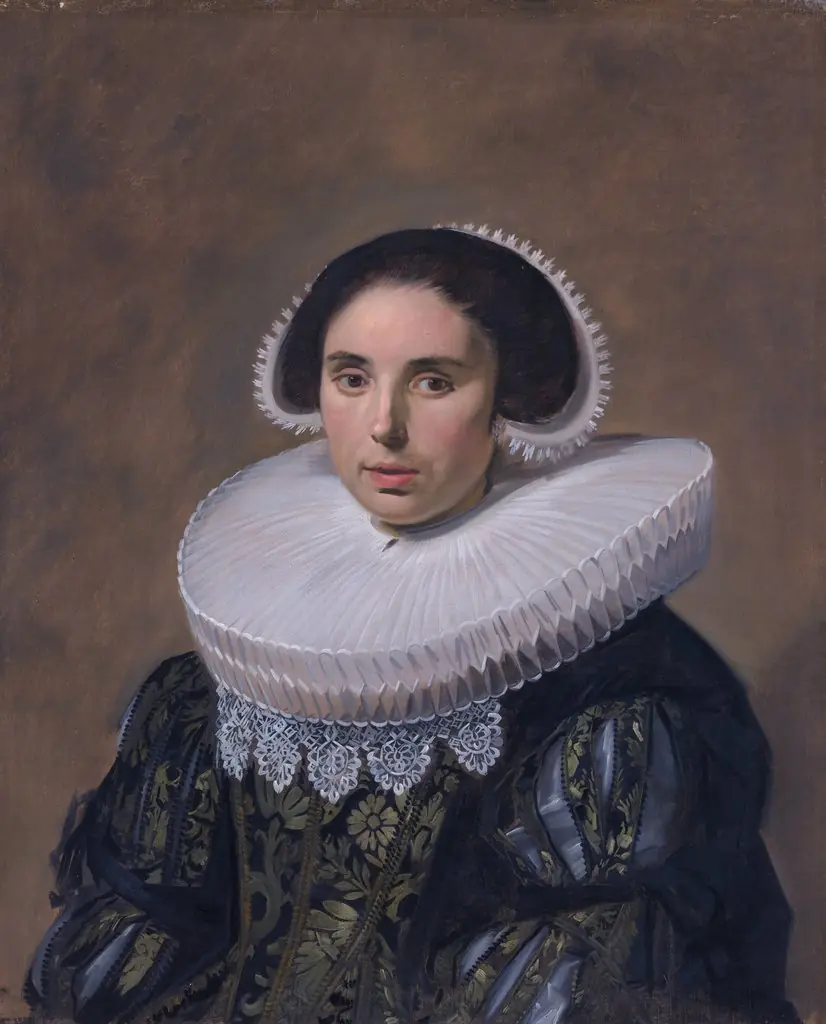
Portrait of a young woman
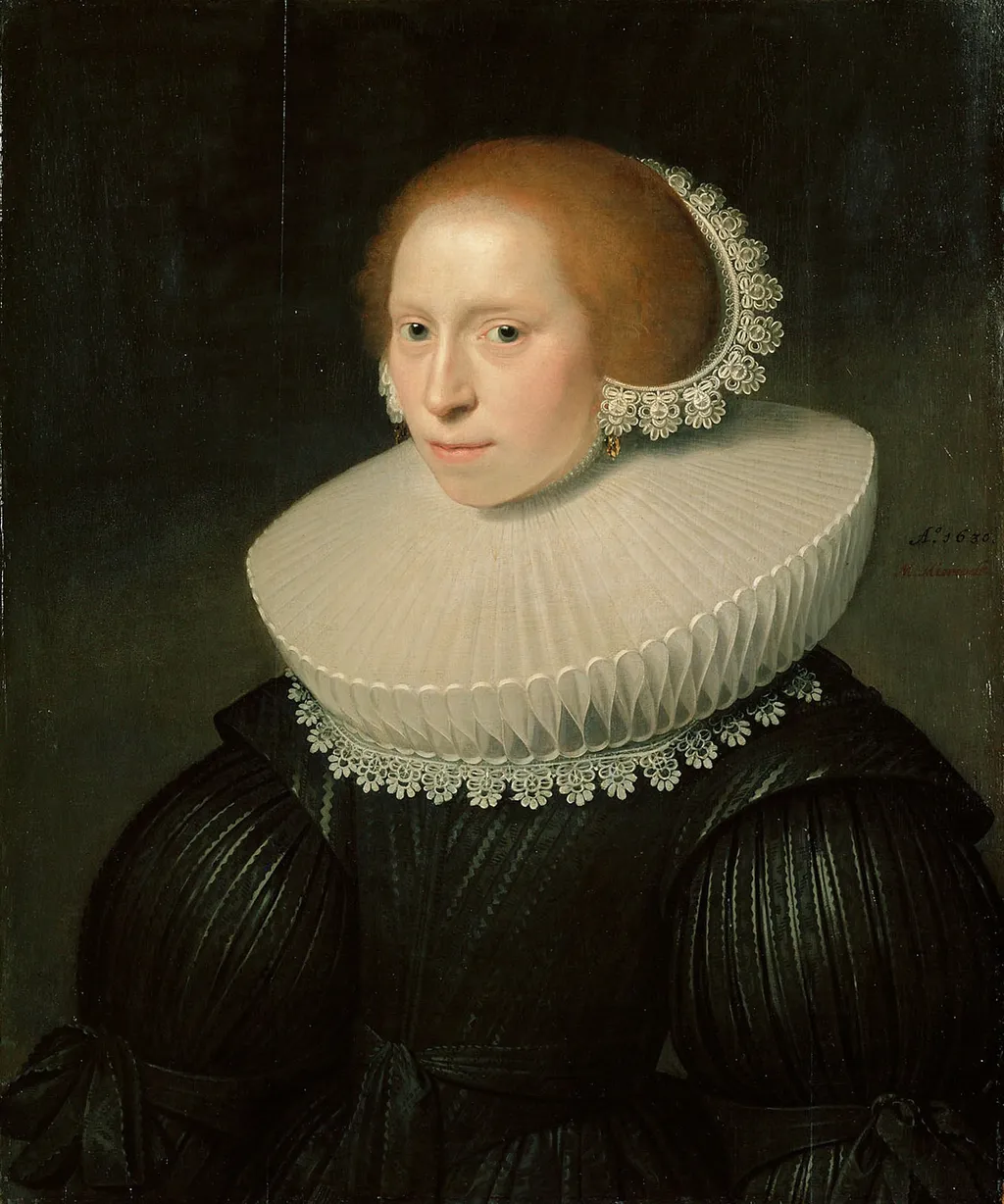
Portrait of a young woman is an oil painting by Michiel Jansz van Mierevelt. It dates from 1630 and is held in the collection of the Kunsthistorisches Museum.
About this work
The painting is called Portrait of a young woman.
It was made by Michiel Jansz van Mierevelt in 1630.
The artist used oil paint to create this work, which is now held at the Kunsthistorisches Museum, and it depicts a collar, a detail that adds context to the portrait.
You can learn more about the artist's style by looking up Michiel Jansz van Mierevelt.
Overview
Painted in 1630 by Michiel Jansz van Mierevelt, this oil portrait captures a young woman with quiet composure. Executed during the height of the Dutch Golden Age, the work reflects the period’s emphasis on restrained elegance and precise observation. It resides today in the Kunsthistorisches Museum in Vienna, part of a broader collection of Northern European portraiture from the 17th century.
Subject & Meaning
The sitter is unidentified, but her attire suggests she belonged to the urban middle or upper class. The high, lace-trimmed collar, a hallmark of fashionable Dutch dress, signals modesty and social standing rather than personal identity. The absence of symbolic objects or elaborate setting directs focus to her expression and presence, typical of van Mierevelt’s approach to individual portraiture.
Technique & Style
Van Mierevelt employed fine brushwork to render textures—delicate lace, smooth skin, and the sheen of fabric—with clinical precision.
Van Mierevelt employed fine brushwork to render textures—delicate lace, smooth skin, and the sheen of fabric—with clinical precision. His palette is subdued, dominated by whites, grays, and muted browns, enhancing the portrait’s solemnity. Light falls evenly across the face and collar, avoiding dramatic contrasts, which aligns with his reputation for clear, unembellished representation over theatricality.
History & Provenance
The painting entered the Kunsthistorisches Museum’s collection in the 19th century, likely through imperial acquisitions of Dutch and Flemish works. Its documented history before that is sparse, but its style and date place it among van Mierevelt’s later portraits, produced during his tenure as a sought-after painter in Delft and The Hague.
Context
In early 17th-century Holland, portraiture flourished as a marker of civic pride and personal identity. Van Mierevelt, one of the most prolific portraitists of the era, catered to merchants, officials, and their families. This work exemplifies the demand for understated, dignified likenesses that avoided aristocratic grandeur while affirming social status through dress and poise.
Legacy
Van Mierevelt’s portraits, including this one, helped define the visual language of Dutch civic portraiture. His method of capturing likeness with restrained detail influenced contemporaries and successors. Though not overtly expressive, his works remain valuable for their documentation of everyday elegance and the quiet dignity attributed to non-noble subjects in the Dutch Republic.
Own this work as a print
Artist & collection
Artist
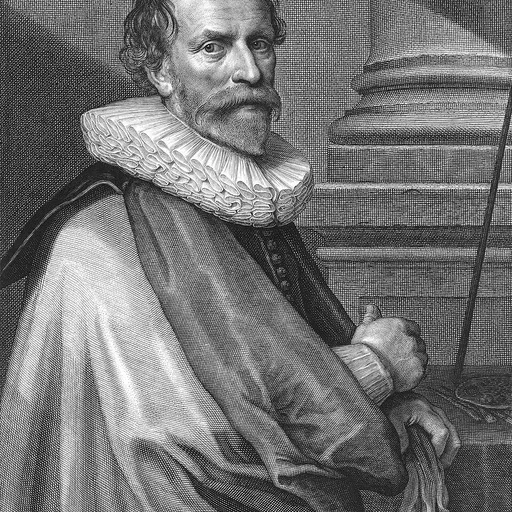
Michiel Janszoon (abbr. Jansz.) van Mierevelt (Dutch pronunciation: ; also spelled Miereveld or Miereveldt; 1 May 1566 – 27 June 1641) was a Dutch painter and draftsman of the Dutch Golden Age.

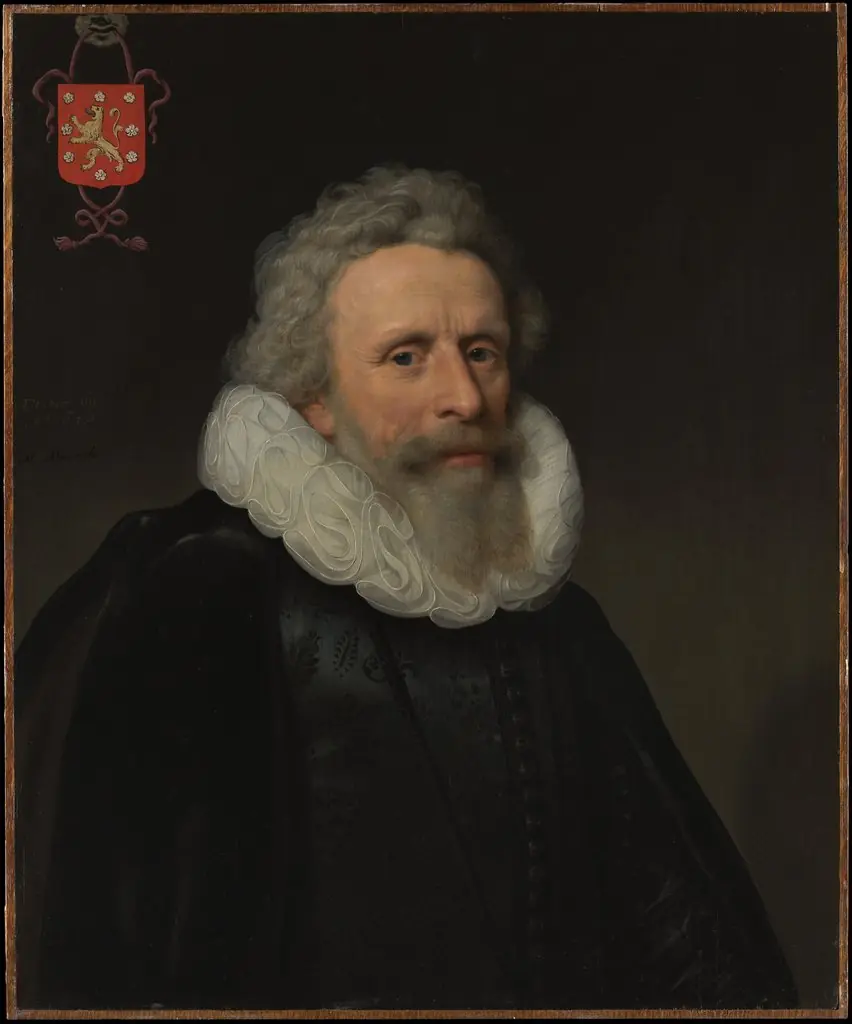 Jacob van Dalen (1570–1644), Called Vallensis
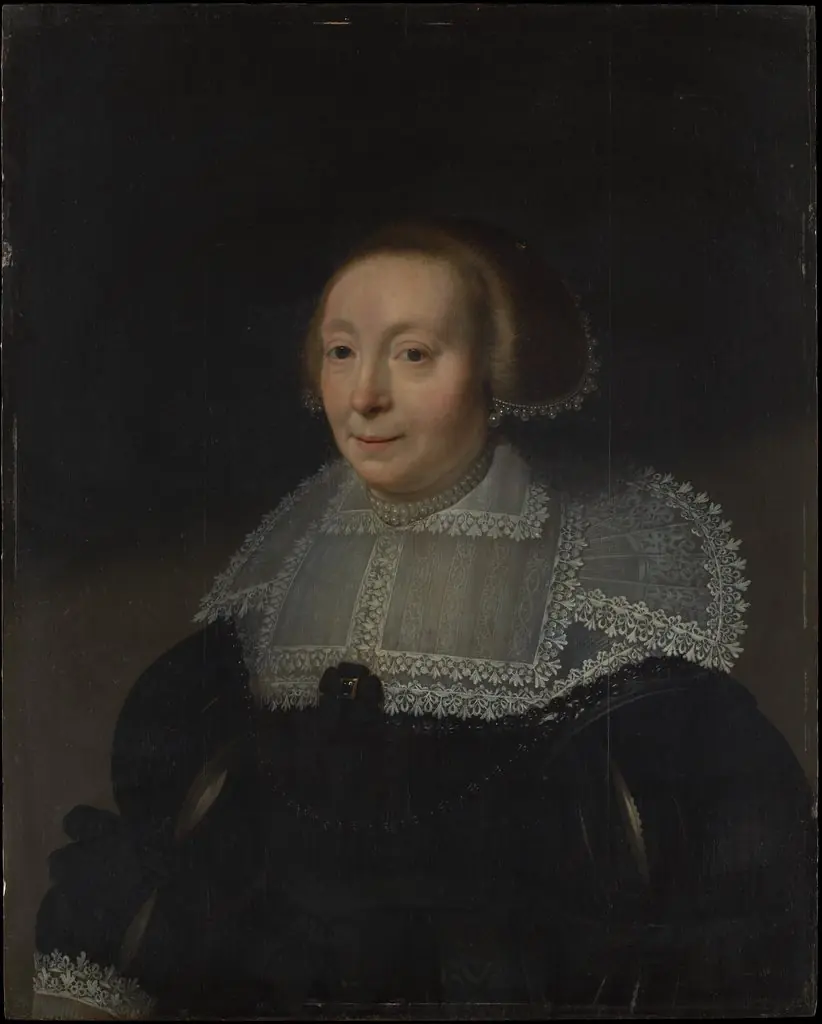 Portrait of a Woman with a Lace Collar
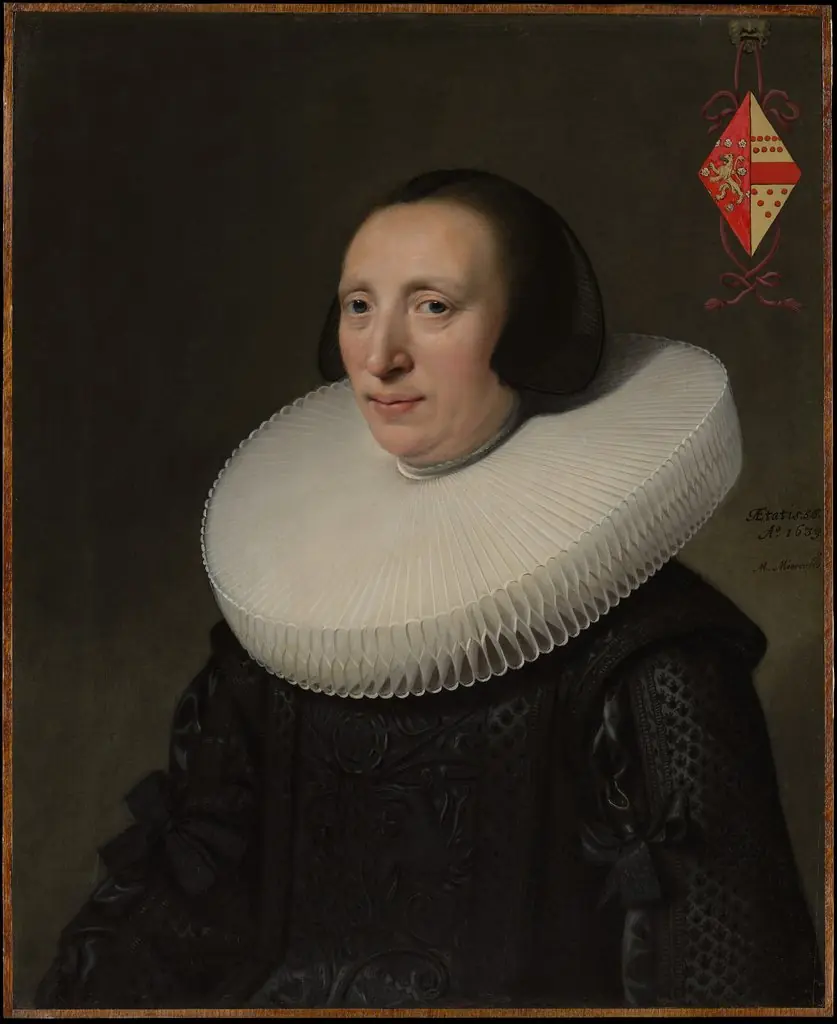 Margaretha van Clootwijk (born about 1580/81, died 1662), Wife of Jacob van Dalen
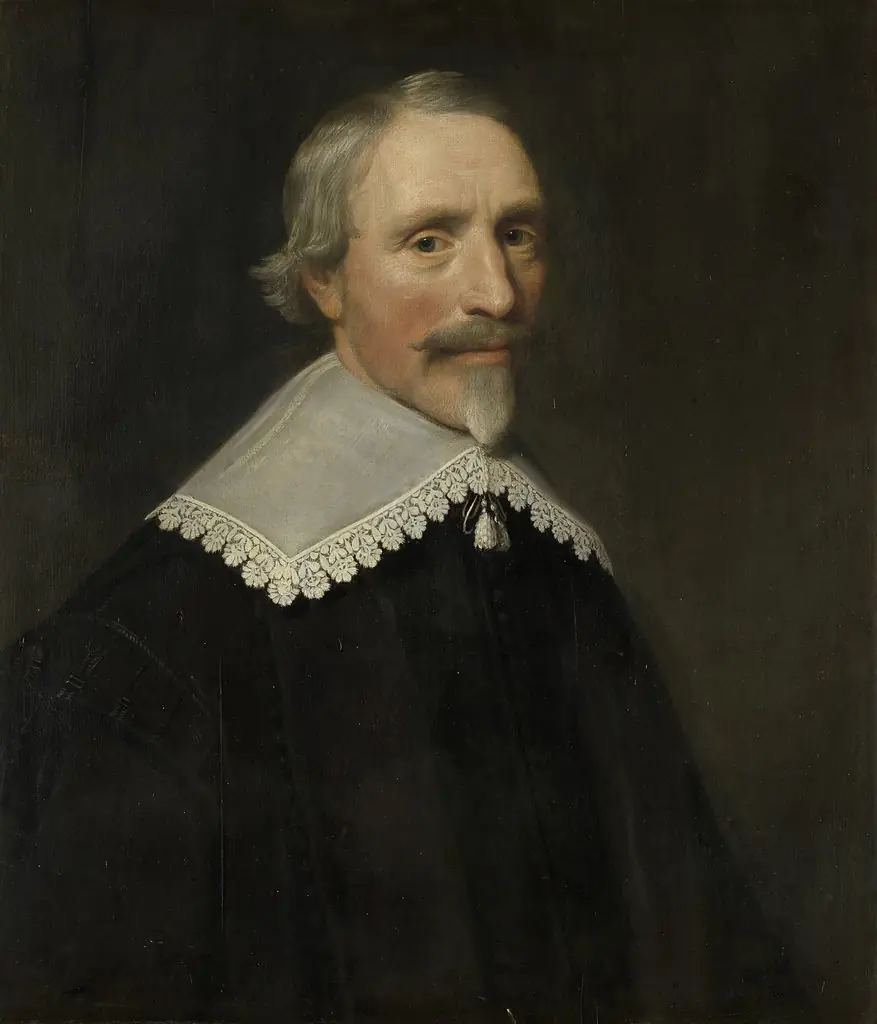 Portrait of Jacob Cats (1577-1660)
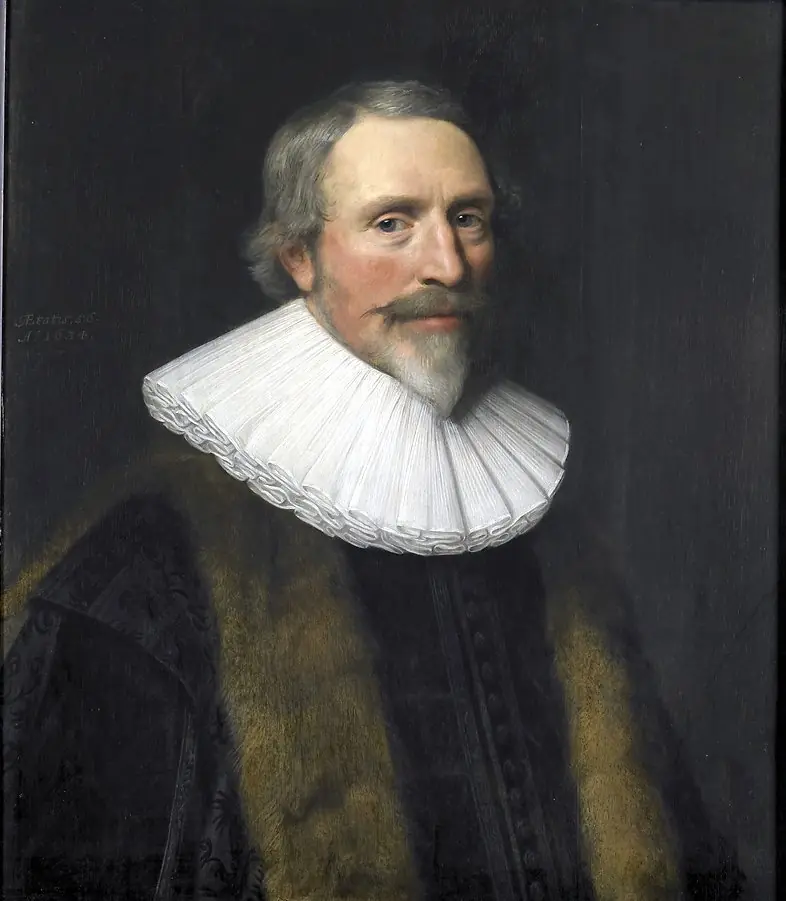 Portrait of Jacob Cats (1577-1660)
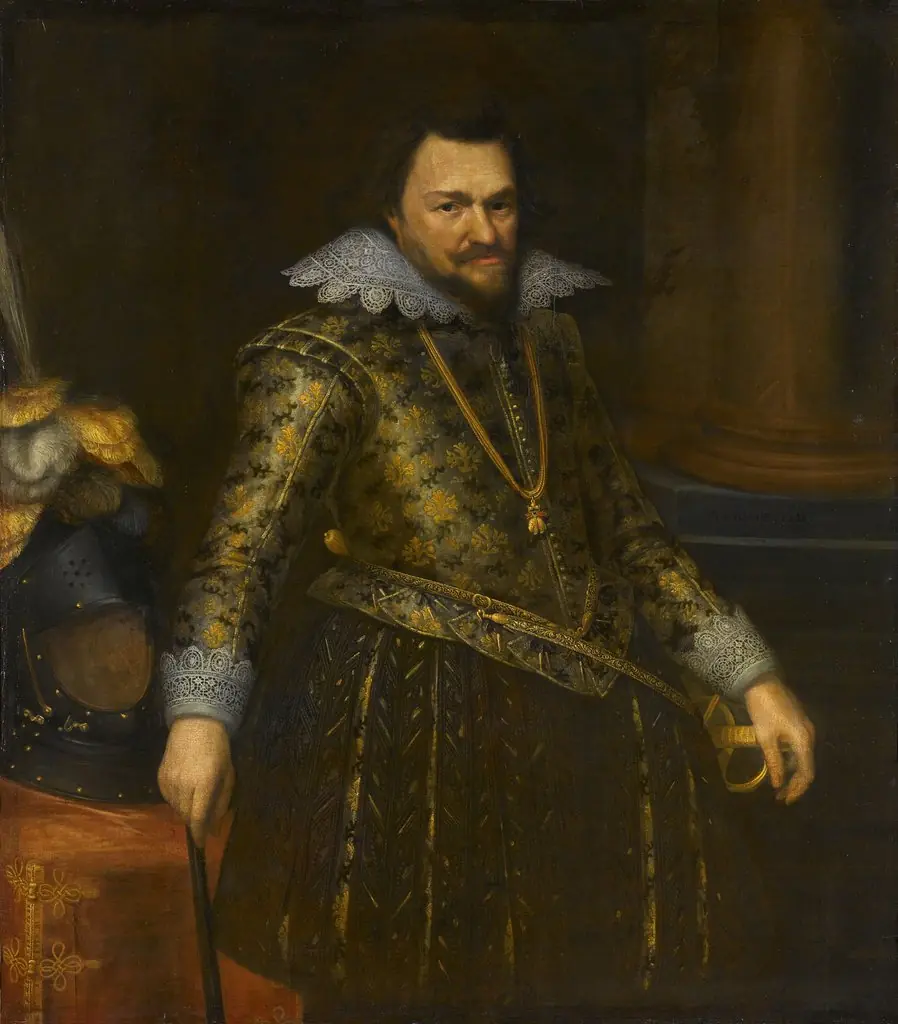 Portrait of Philip Willem (1554-1618), Prince of Orange
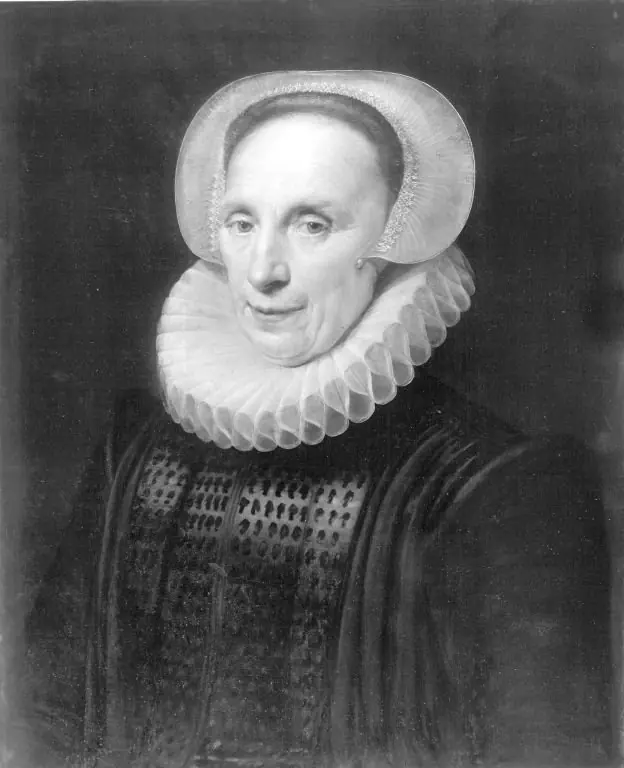 Portrait of a Woman
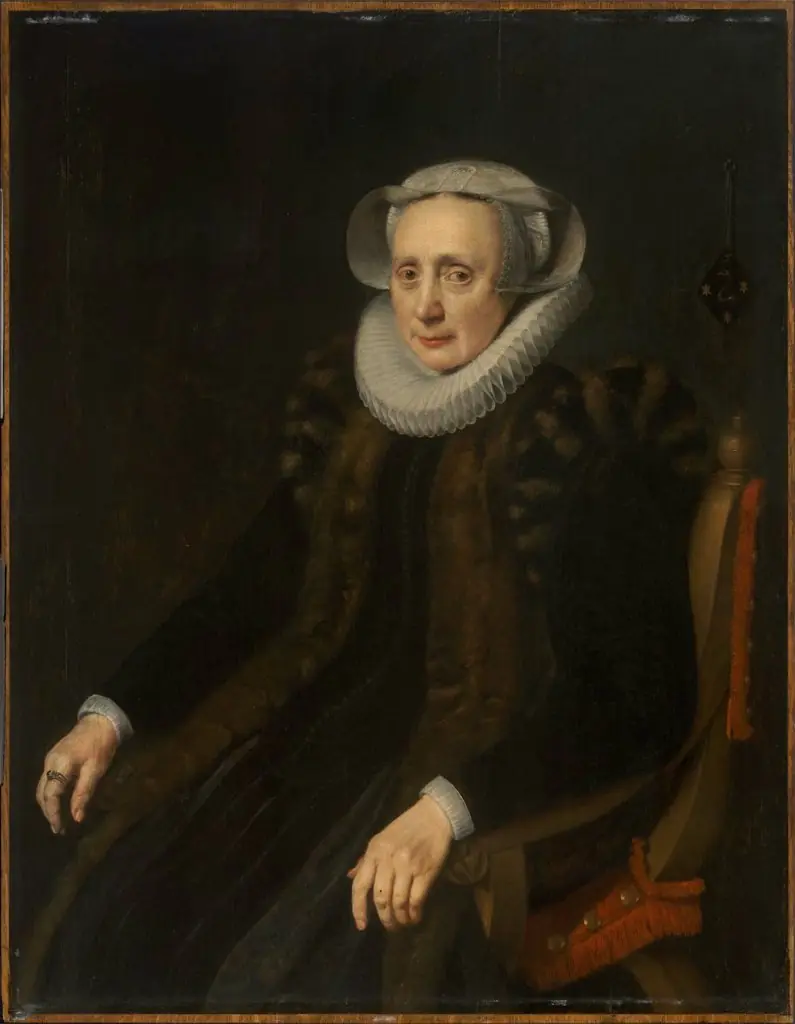 Adriana van Ijlen
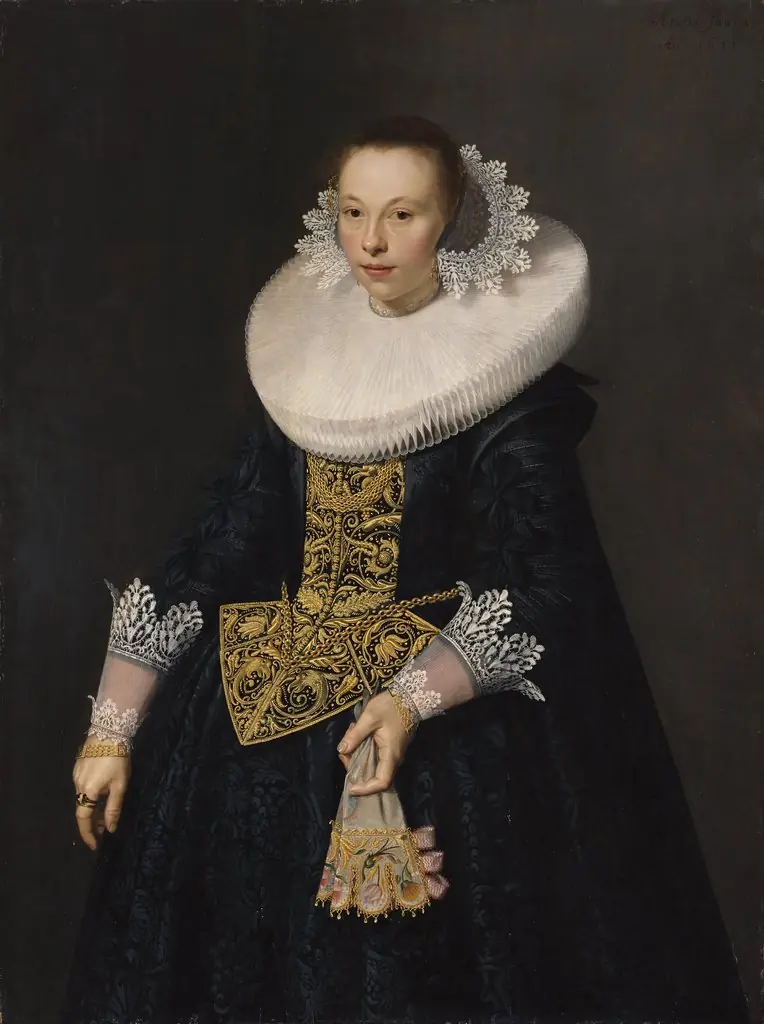 Portrait of a Young Woman
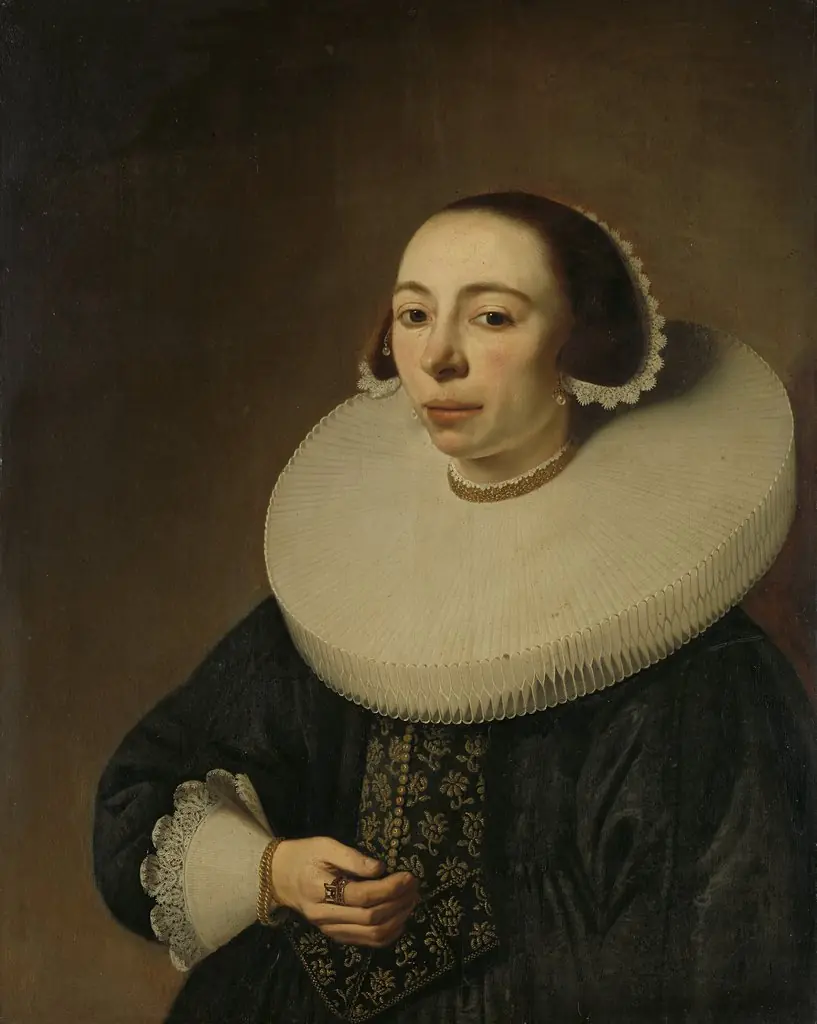 Portrait of a woman
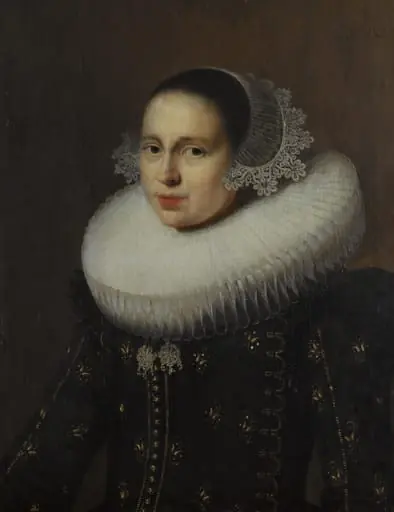 Portrait of Hendrickje Uylenburgh (1600-c. 1682)
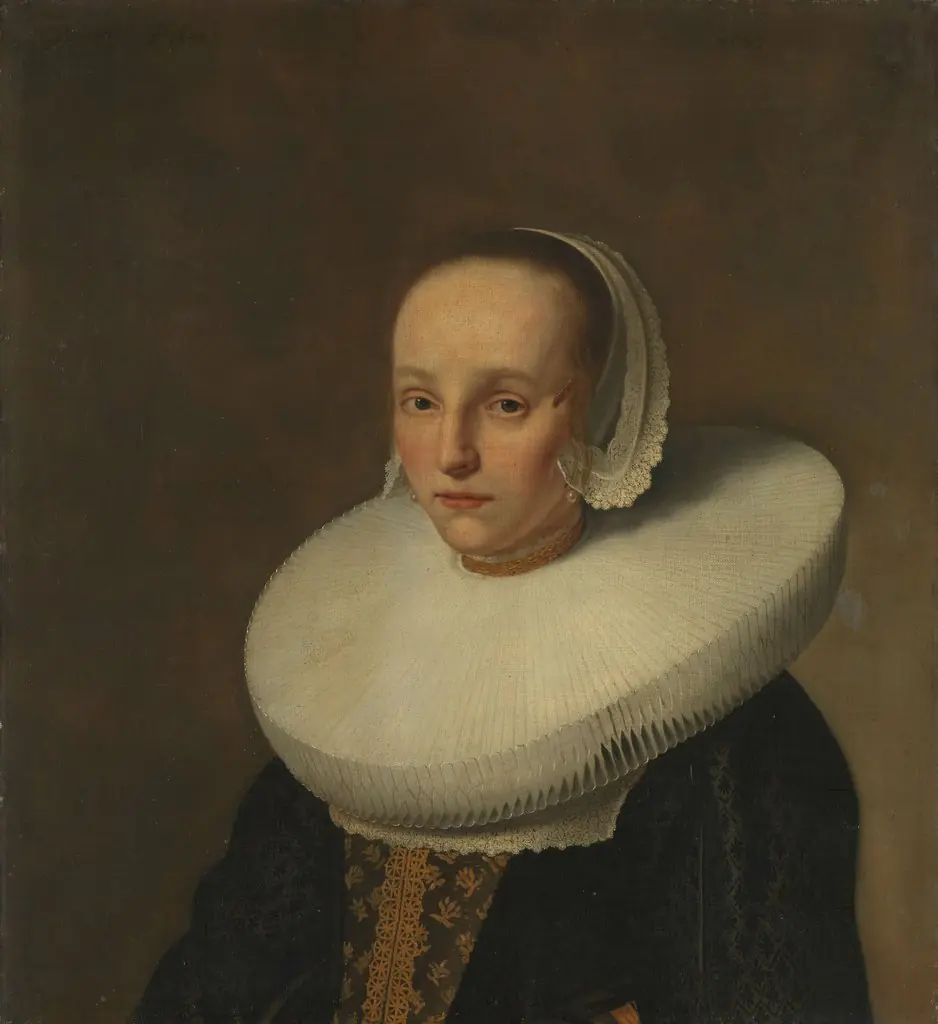 Anna van der Does (1609-50). Wife of Jan de Hooghe
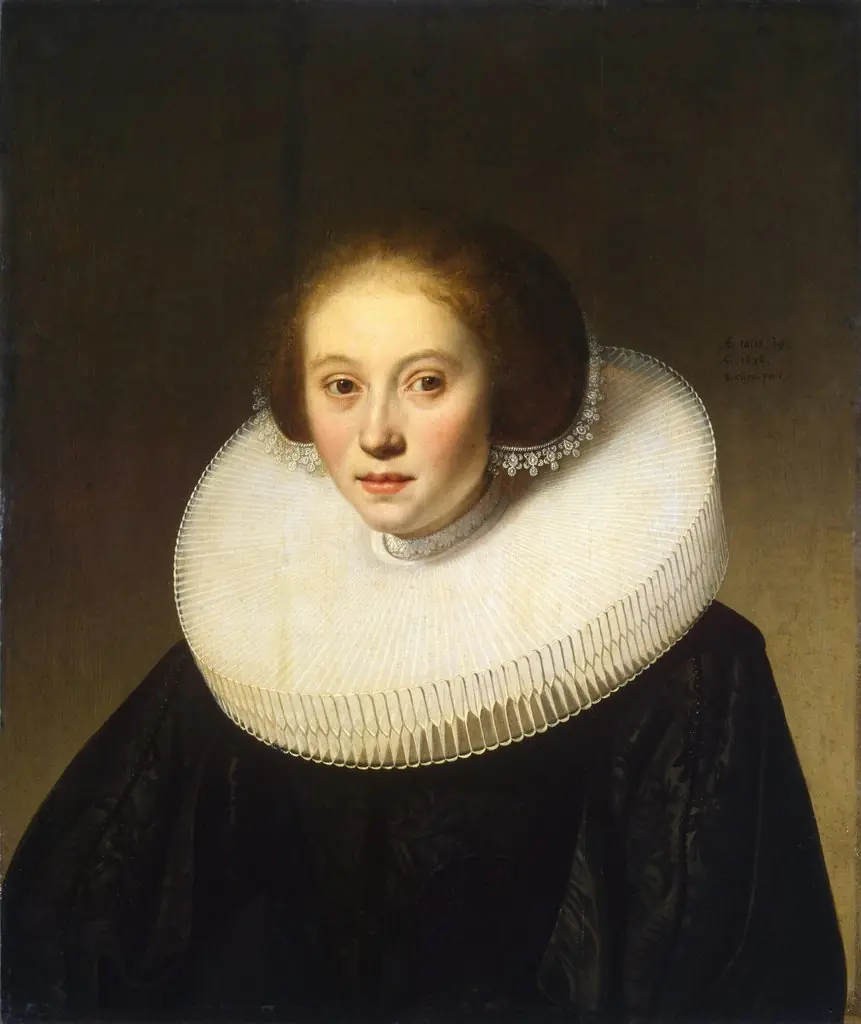 Portrait of a Young Girl
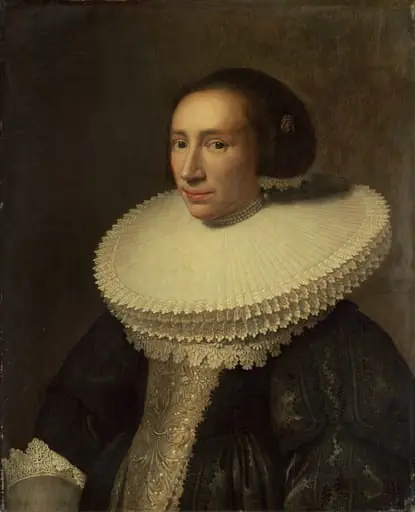 Portrait of a Lady with a Ruff
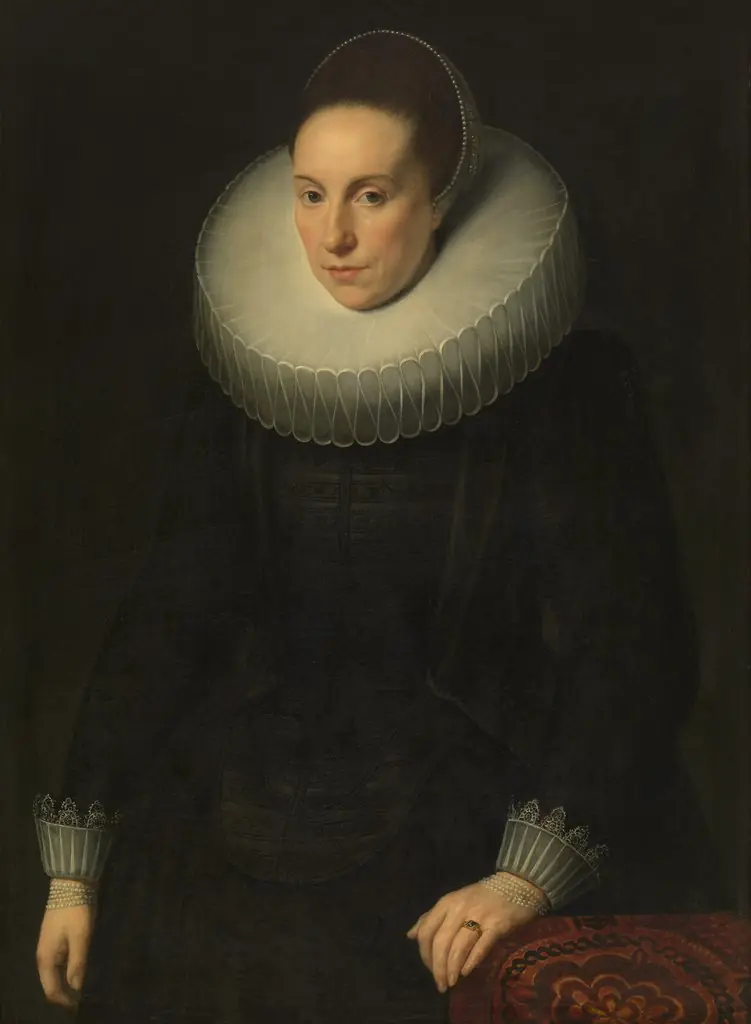 Portret van een vrouw
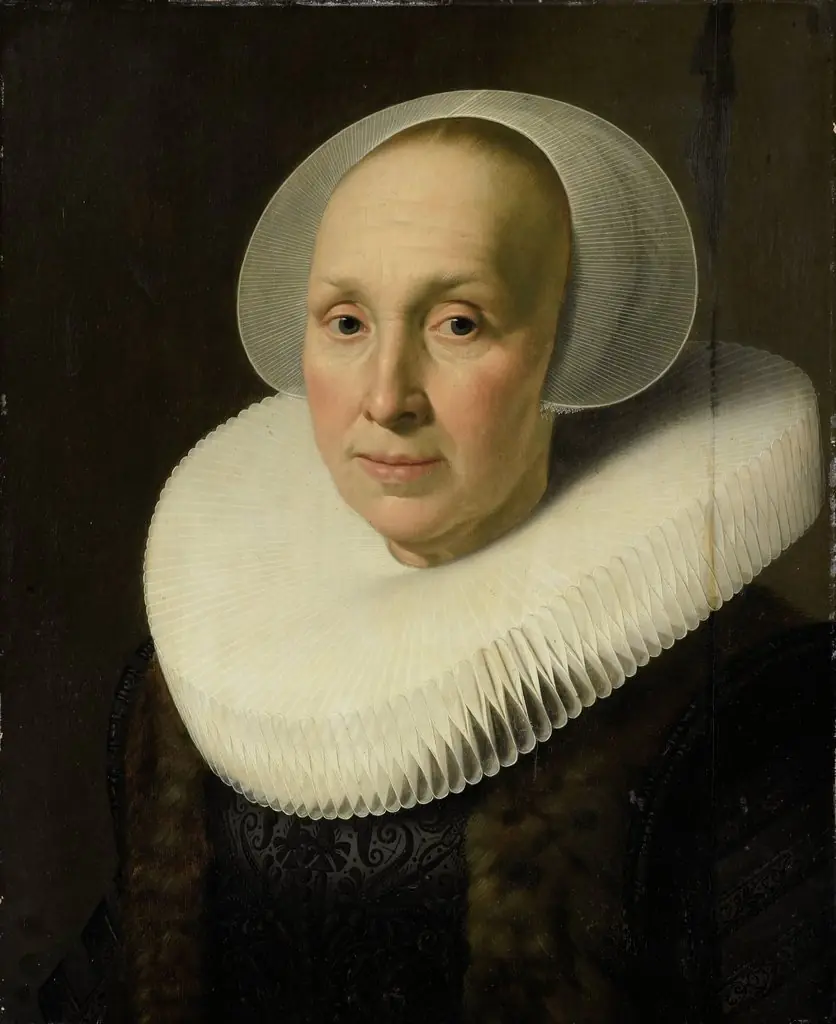 Portrait of Margriet Benningh (1565-1641)
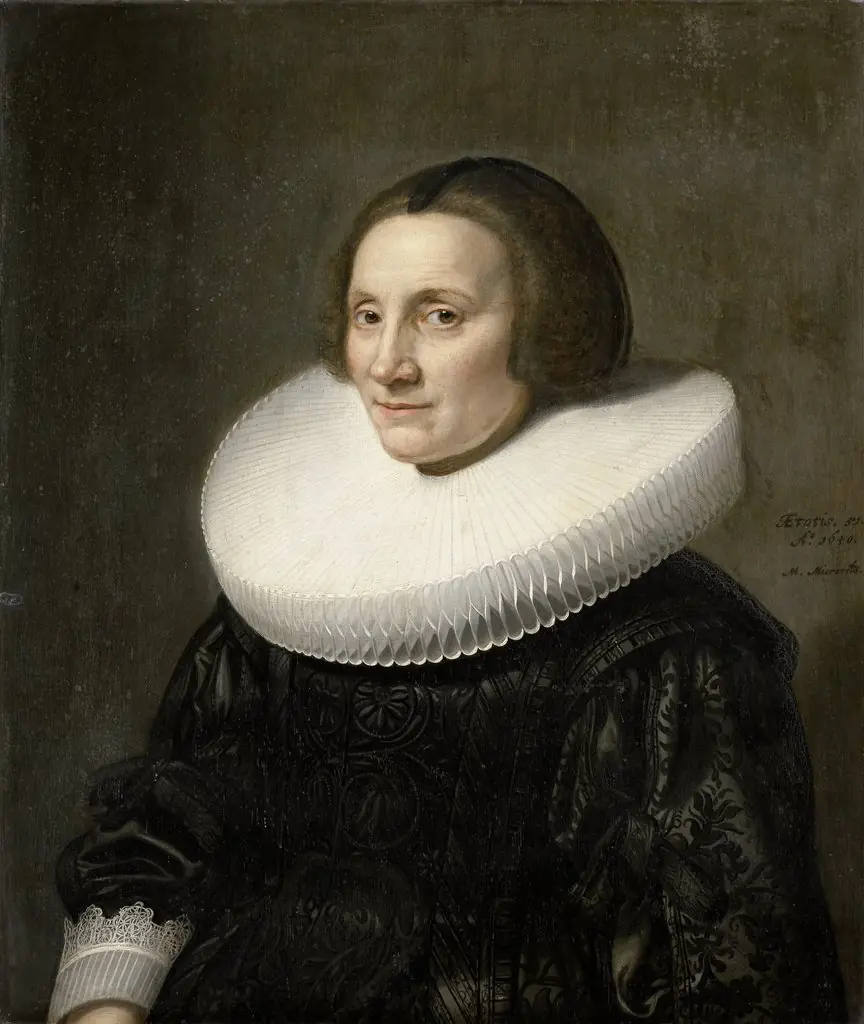 Portrait of Caecilia van Beresteyn (1589-1661)
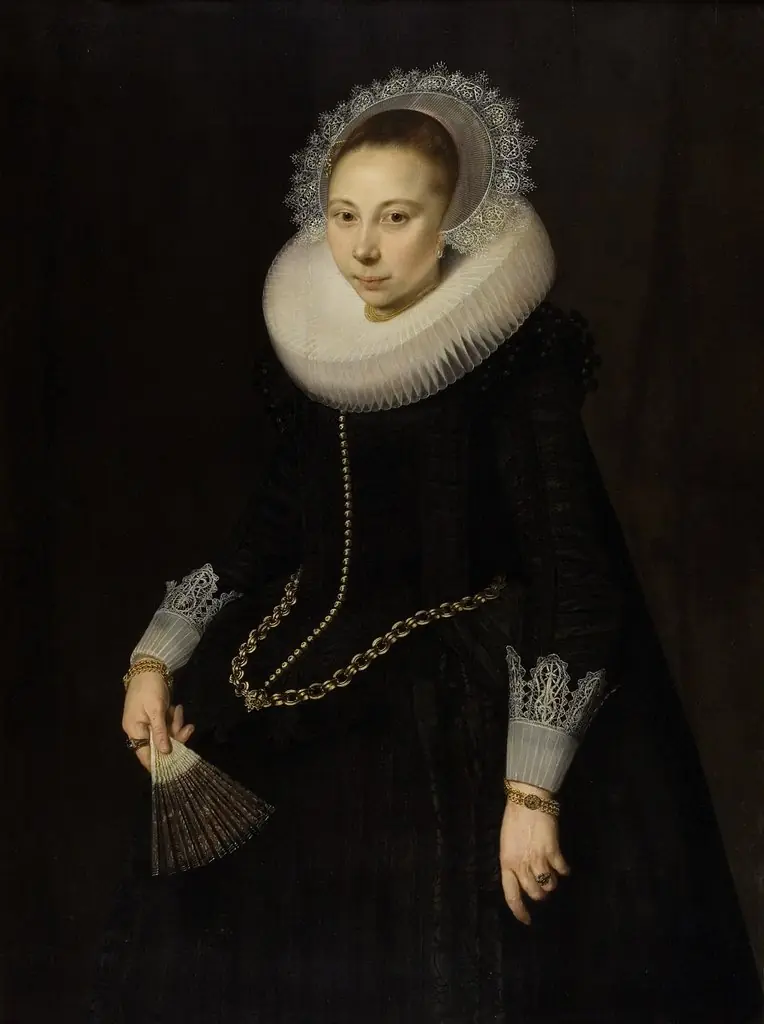 Portrait of Maria Overrijn van Schoterbosch (1599/1600-1638)
 Portrait of Sara Wolphaerts van Diemen
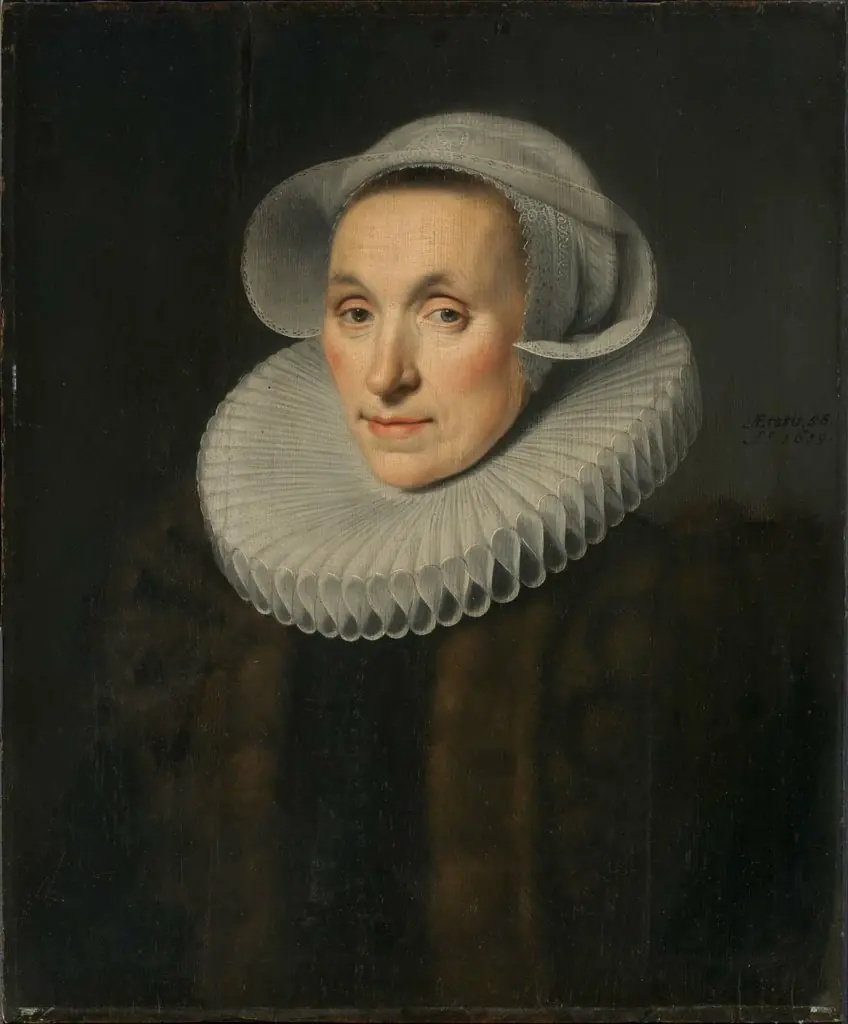 Sara van Bosschaert (version of 1/2-length portrait in the Prinsenhof, Delft)