Artwork
Floare roșie
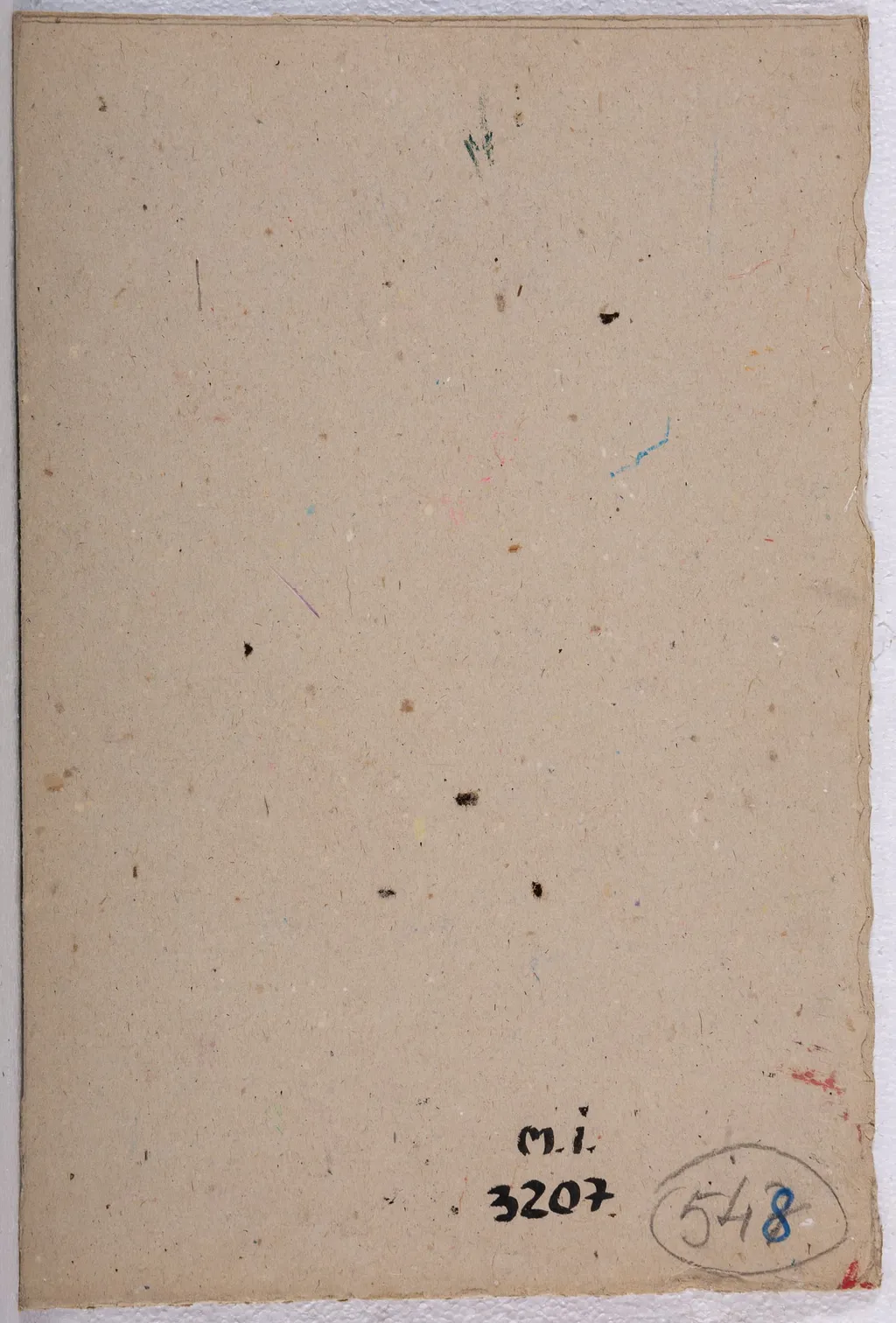
Floare roșie is an unspecified painting by Mihăilescu-Craiu Victor. It dates from 1944 and is held in the collection of the Moldova National Museum Complex. This image depicts a fragment of light-brown cardboard, likely used as a backing or mount for a painting.
About this work
Overview
The object carries no visible artwork, suggesting it is a supporting element rather than the primary work itself.
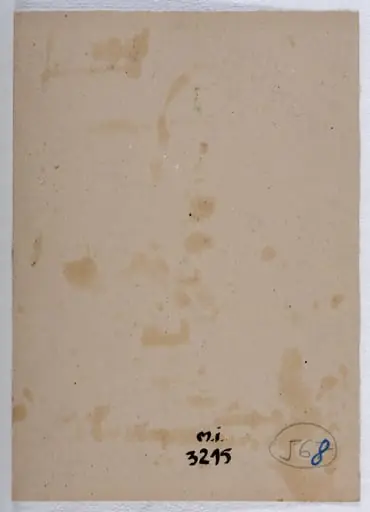
This image depicts a fragment of light-brown cardboard, likely used as a backing or mount for a painting. Its surface shows irregular discolorations and surface marks, with a roughly torn edge along the right side. In the lower right corner, two handwritten numbers—'M.I. 3207' and '548' in a circle—are inscribed in black ink. The object carries no visible artwork, suggesting it is a supporting element rather than the primary work itself.
Subject & Meaning
The title 'Floare roșie' ('Red Flower') does not correspond to any visible imagery in this fragment. The absence of a painted surface implies the title may refer to a lost or removed original work. The cardboard’s role as a mount hints at its function within an artist’s archival system, preserving context rather than presenting content. The handwritten inventory codes suggest administrative tracking, not artistic expression.
Technique & Style
The cardboard shows no applied pigments or compositional elements. Its physical state—worn, stained, and unevenly edged—reflects utilitarian handling rather than deliberate aesthetic intervention. The ink markings are casual, handwritten, and unadorned, consistent with institutional or studio labeling practices. The material’s simplicity underscores its role as a functional support, not a finished object.
History & Provenance
Attributed to Mihăilescu-Craiu Victor, this fragment dates to approximately 1944. The inscription 'M.I. 3207' likely refers to a catalog number within the artist’s personal archive, while '548' may denote a sequential or thematic identifier. Its survival suggests it was retained as part of a studio record, possibly after the original painting was separated, sold, or lost. No public record confirms the existence or current location of the associated artwork.
Context
In mid-20th century Romanian art practice, artists often reused or repurposed materials for mounting and storage. This fragment reflects the everyday logistics of studio work during a period of political and economic instability. The presence of handwritten inventory codes indicates a systematic approach to managing artworks, even when resources were limited. Such supports were rarely preserved independently, making this fragment an unusual artifact of artistic process.
Legacy
As a surviving fragment of an artist’s working materials, this cardboard offers insight into the unseen infrastructure of art production. It does not represent a finished work but rather the administrative and physical underpinnings of an artist’s practice. Its preservation raises questions about what is deemed worthy of archival attention—here, the container, not the contained, remains.
Artist & collection
Artist
Victor M. Craiu painted Romanian landscapes and figure scenes using thick, choppy brushstrokes that give his surfaces a restless energy. In prints like *Strămoșul* and *Peisaj urban*, he layered bold autumn greens,…
 Flori de toamnă
 Natură statică
 Strămoșul
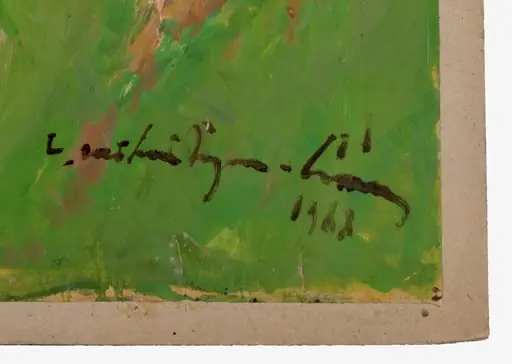 Studiu de peisaj cu un drum pe care merge o căruță trasă de cai. În prim-plan, căruța văzută din spate, dreapta. În căruță, un bărbat cu căciulă neagră și haină gri, o femeie cu batic alb și haină brun-ocru și o fetiță cu batic alb cu verde-roșu, așezată în spatele celor doi, lângă două butoaie. Drumul taie ca o diagonală lucrarea; de-o parte și de alta, iarbă. Linia orizontului foarte ridicată, după care se vede un copac verde, dealul albastru în depărtare și cerul. Semnat și datat cu brun, dreapta jos: V. Mihăilescu Craiu 1968.
 Natură statică cu flori
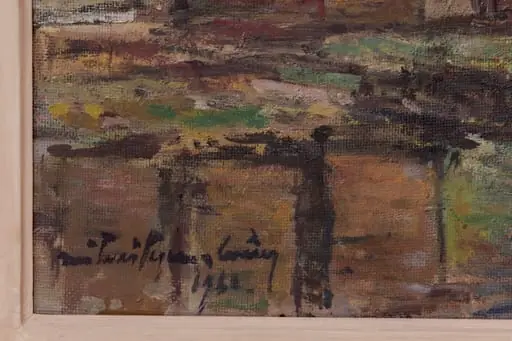
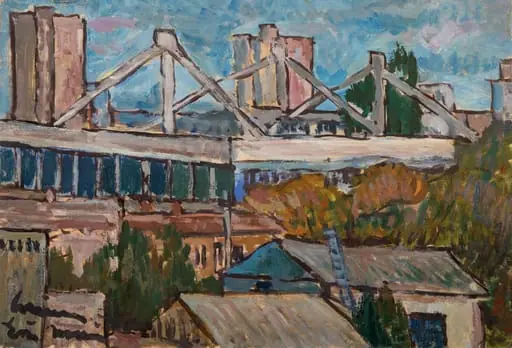 Peisaj urban; în prim-plan, acoperișuri de case și vegetație. În plan îndepărtat, o hală de producție care are pe acoperiș grinzi verticale care susțin alte grinzi de-o parte și de alta, celălalt capăt având punct de sprijin marginile construcției. Două coșuri apar în spatele halei. Colorat în gri. Tușă păstoasă. Semnat cu negru, stânga jos: Craiu.
 Peisaj industrial pe Valea Bistriței
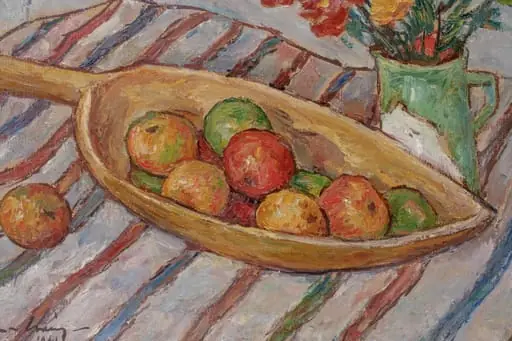 Natură moartă cu mere și flori
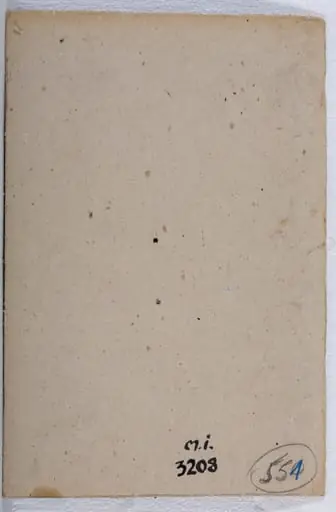 Flori galbene
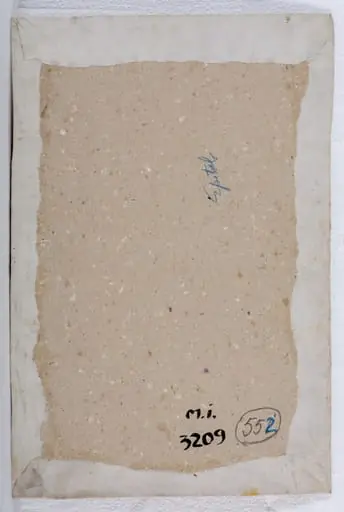 Flori roșii
 Cap de bărbat
 Pavagii
 Portret de bărbat cu pălărie
 Portret de bărbat
 Tata
Tata La oglindă
 Pescar din Babadag (schiță de portret - pentru studiu)
 Imagine realizată prin tehnica desenului și a acuarelei, ce prezintă un bărbat în port orășenesc săsesc din Sibiu. Acesta ține în mână o blană. Acuarela este încadrată într-un chenar negru, realizat pe hârtie cu tuș. Sub imagine, însemnare manuscrisă în limba germană: „Ein sächsischer Burger in Hermannstadt
 Compoziție cu ruine și păsări