Artwork
Male Study for “The Condemned Cell”
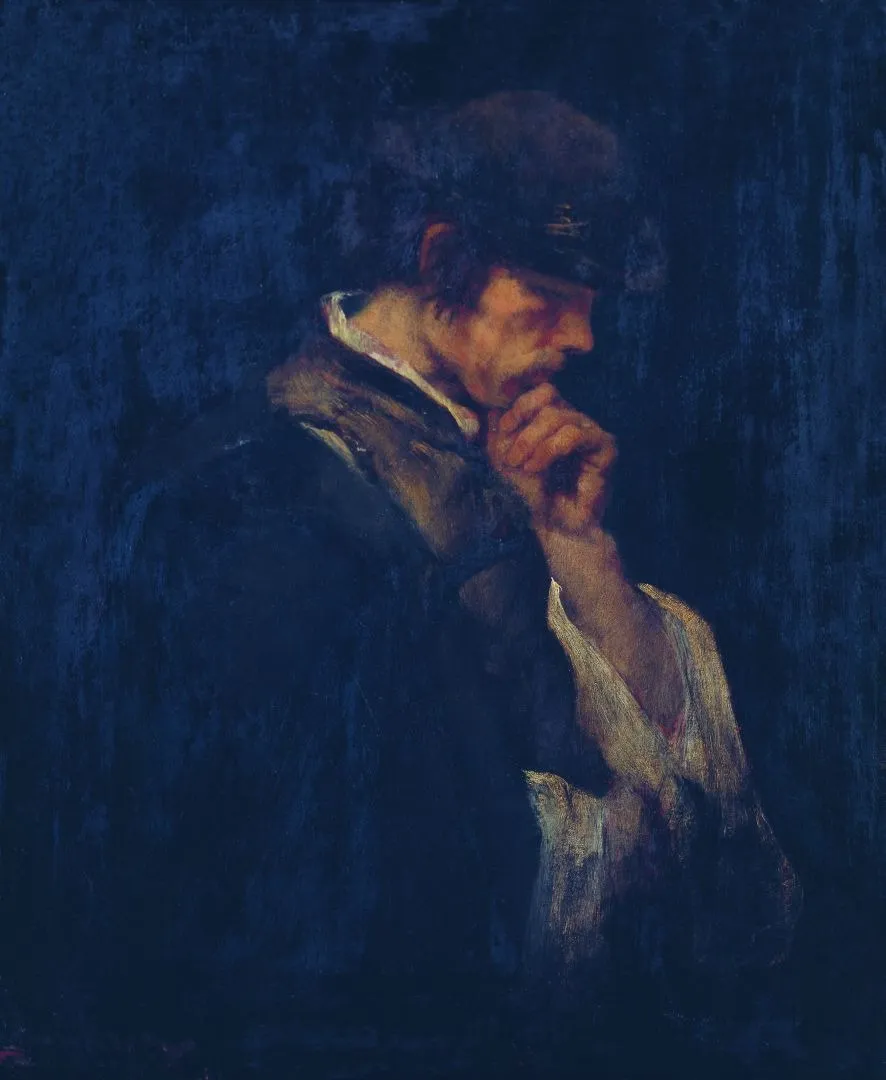
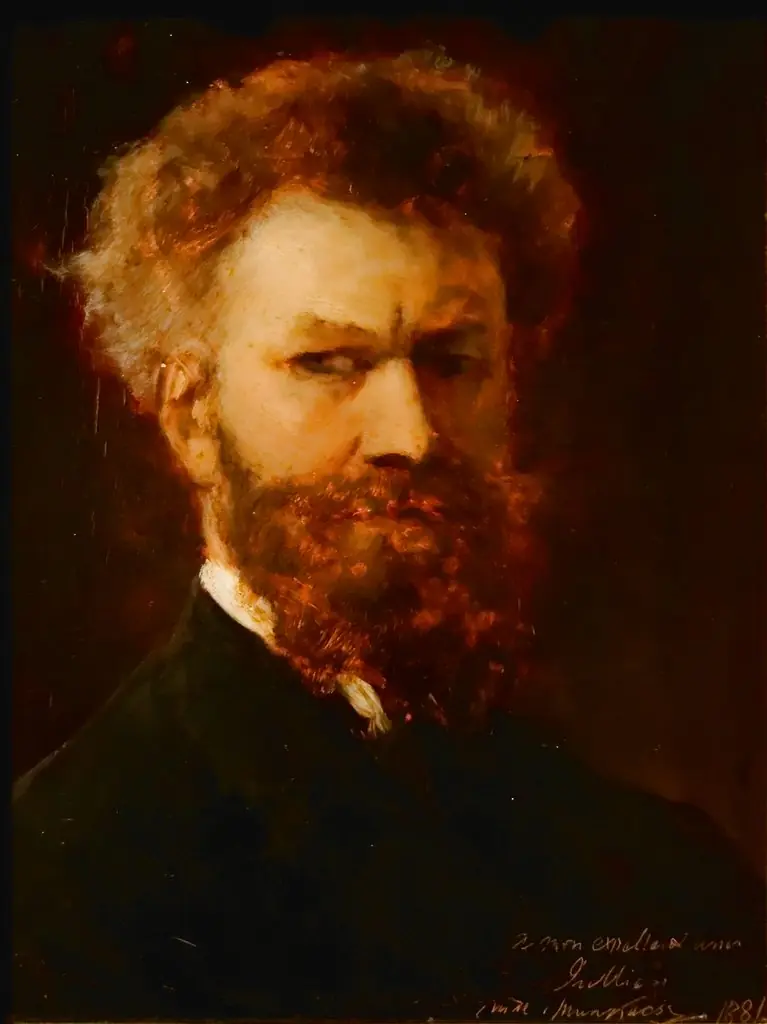
Male Study for “The Condemned Cell” is an oil painting by the Realist artist Mihály Munkácsy. It dates from 1869 and is held in the collection of the Hungarian National Gallery.
About this work
Overview
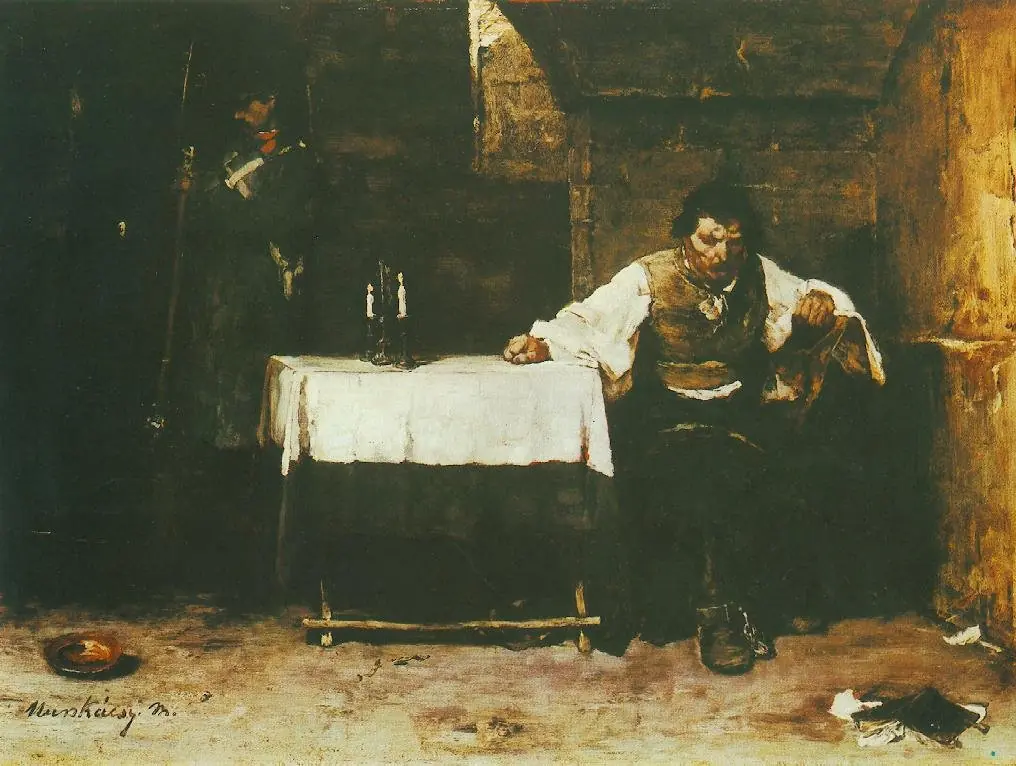
Painted in 1869 by Hungarian artist Mihály Munkácsy, this oil study is a preparatory work for his larger composition titled 'The Condemned Cell.
Painted in 1869 by Hungarian artist Mihály Munkácsy, this oil study is a preparatory work for his larger composition titled 'The Condemned Cell.' Executed with deliberate restraint, it captures a solitary male figure in a moment of quiet contemplation. The piece resides in the Hungarian National Gallery and reflects Munkácsy’s commitment to realism, focusing on psychological depth rather than narrative spectacle.
Subject & Meaning
The figure, dressed in dark clothing with a faint white shirt beneath, sits with his head resting on his hand, eyes lowered in introspection. His posture suggests inner turmoil or resignation, evoking the emotional weight of impending judgment. Though not a finished scene, the study conveys a sense of isolation and moral gravity, hinting at the condemned man’s mental state before the larger work’s full context is revealed.
Technique & Style
Munkácsy employed thick, controlled brushwork to model the figure’s form against a deep blue background, enhancing the sense of enclosure. The palette is subdued, emphasizing tonal contrasts between the dark garments and the pale shirt. Light falls subtly on the face and hand, drawing attention to the expression without dramatizing it. The technique prioritizes psychological authenticity over theatrical effect, aligning with realist principles of the era.
History & Provenance
Created in 1869, this study was part of Munkácsy’s process in developing 'The Condemned Cell,' a work he later completed and exhibited to critical attention. The study remained in the artist’s possession before eventually entering the collection of the Hungarian National Gallery, where it is preserved as evidence of his methodical approach to large-scale genre painting.
Context
In the late 1860s, Hungarian art was increasingly influenced by European realism, particularly French and Dutch traditions that emphasized everyday suffering and emotional truth. Munkácsy, then establishing his reputation, turned from historical subjects to intimate human moments. This study reflects a broader cultural shift toward depicting inner life with dignity and restraint, away from romanticized drama.
Legacy
Though overshadowed by the final version of 'The Condemned Cell,' this study remains significant for its emotional precision and technical discipline. It illustrates Munkácsy’s process and his ability to convey complex states of mind through minimal means. Today, it is valued not as a sketch, but as a self-contained meditation on solitude and conscience.
Artist & collection
Artist
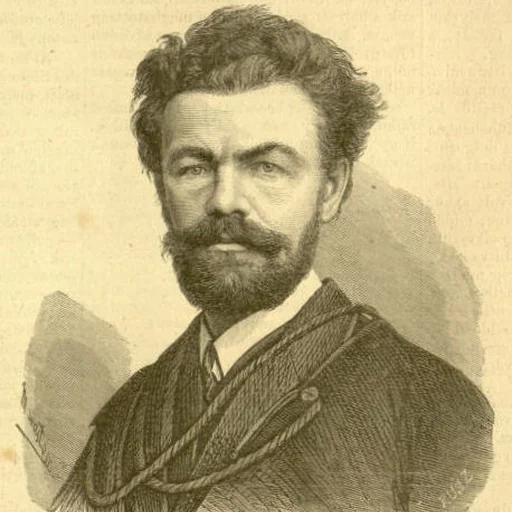
Mihály Munkácsy (Hungarian pronunciation: ; 20 February 1844 – 1 May 1900) was a Hungarian painter. He earned international reputation with his genre pictures and large-scale biblical paintings.

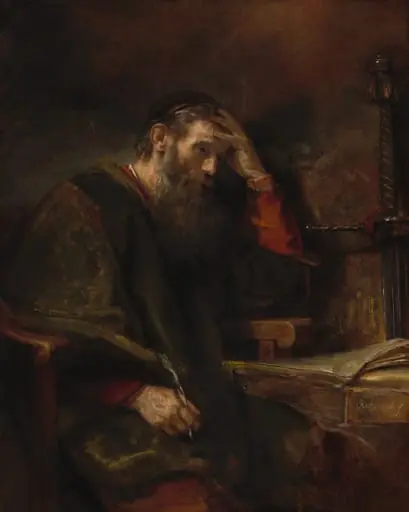 The Apostle Paul
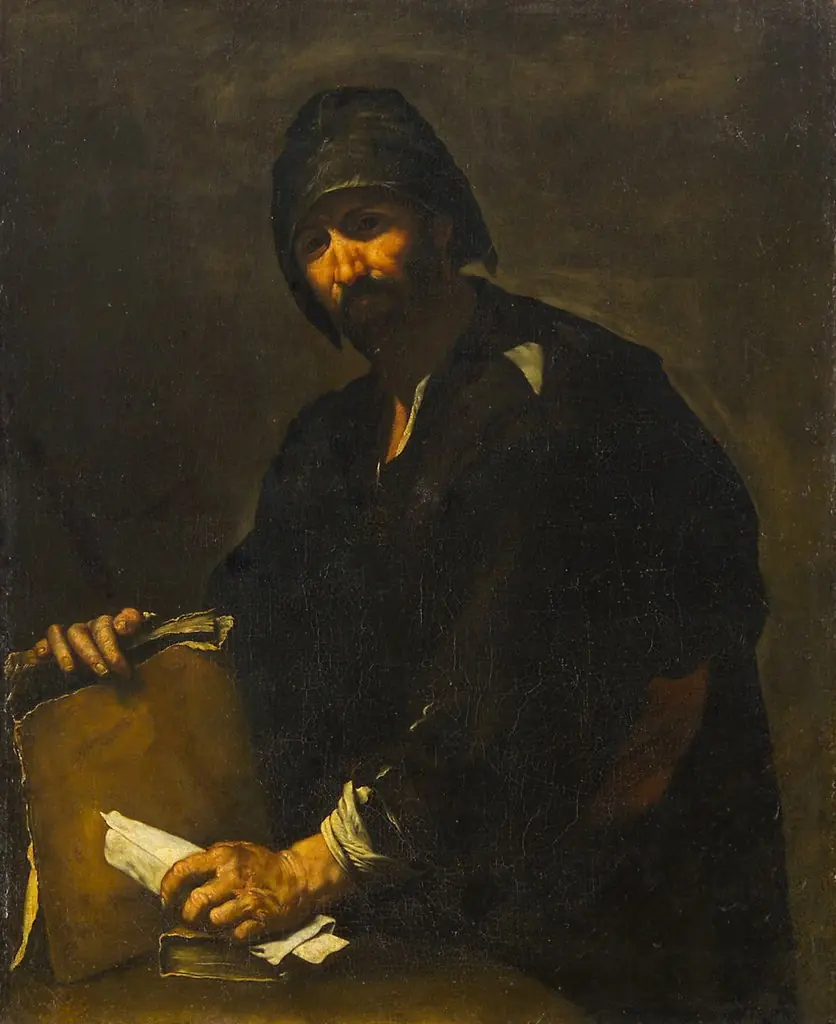 Philosoph
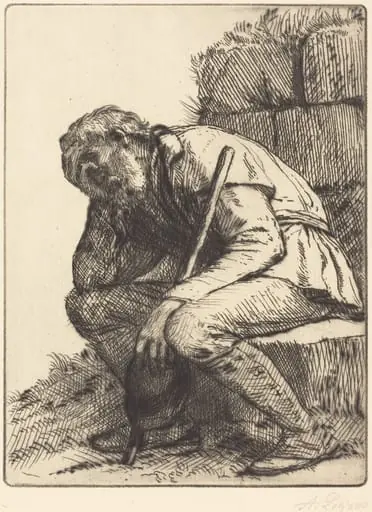 Desperate Man (Le desespere)
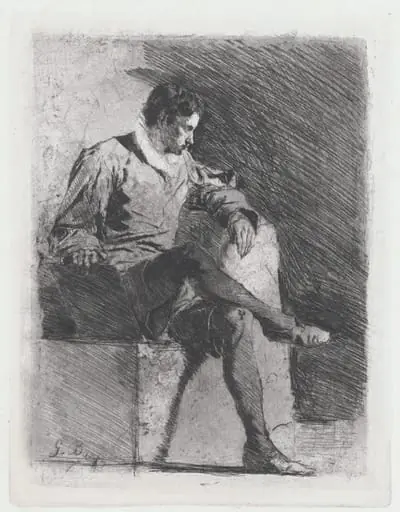 Seated Man in Sixteenth-Century Costume
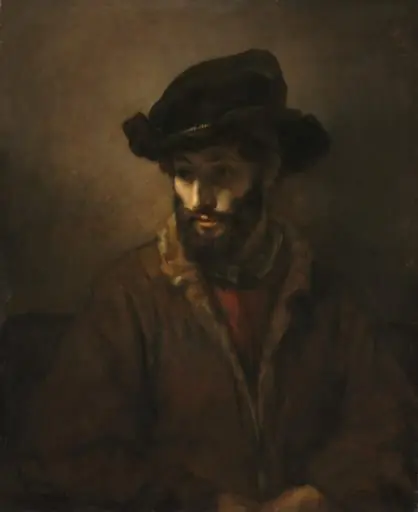 A Bearded Man Wearing a Hat
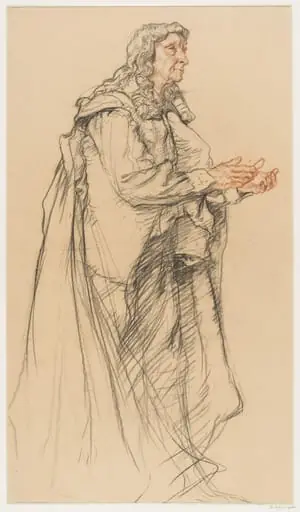 Prince Rupert receiving the Charter of the Hudson Bay Company from Charles II
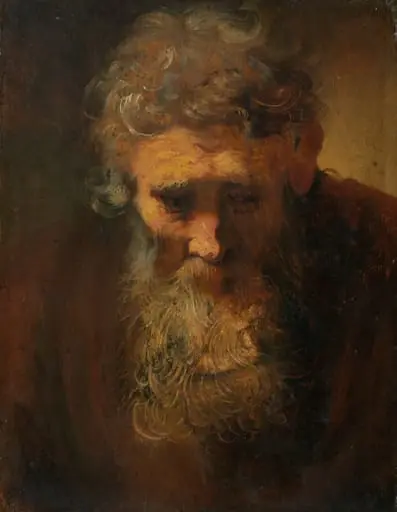 Study of an Old Man
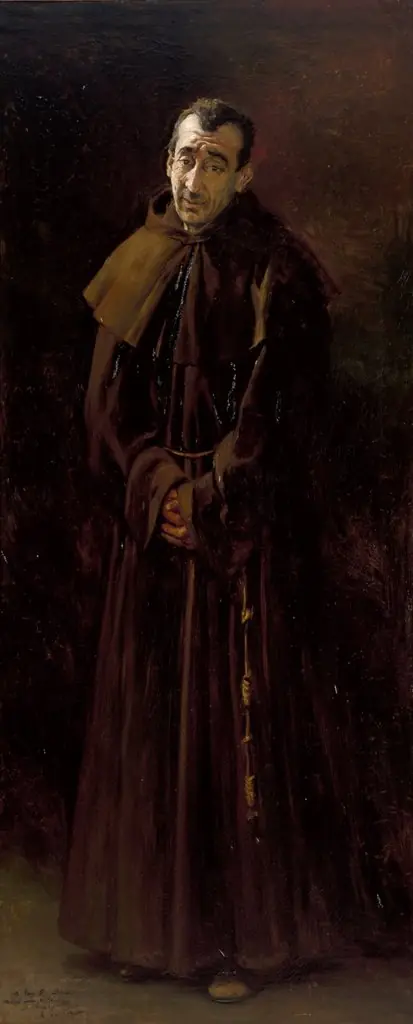 El actor José Riquelme en 'El famoso Colirón'
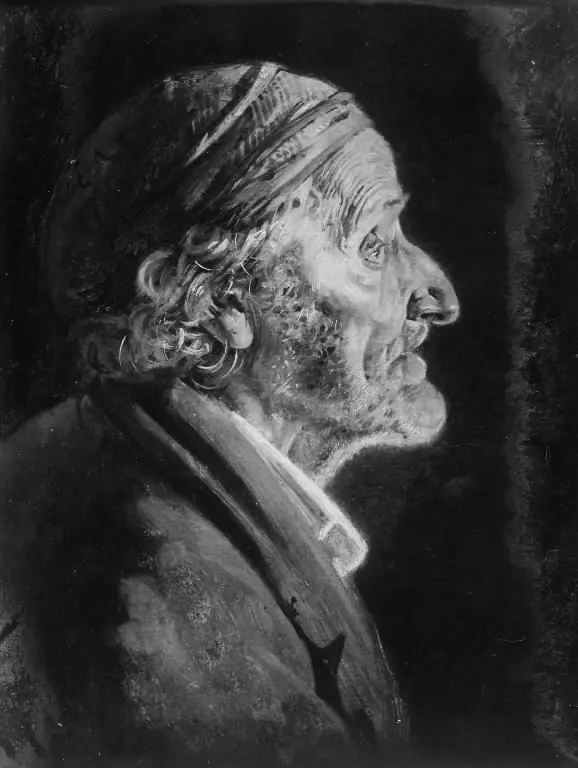 A Neapolitan Fisherman
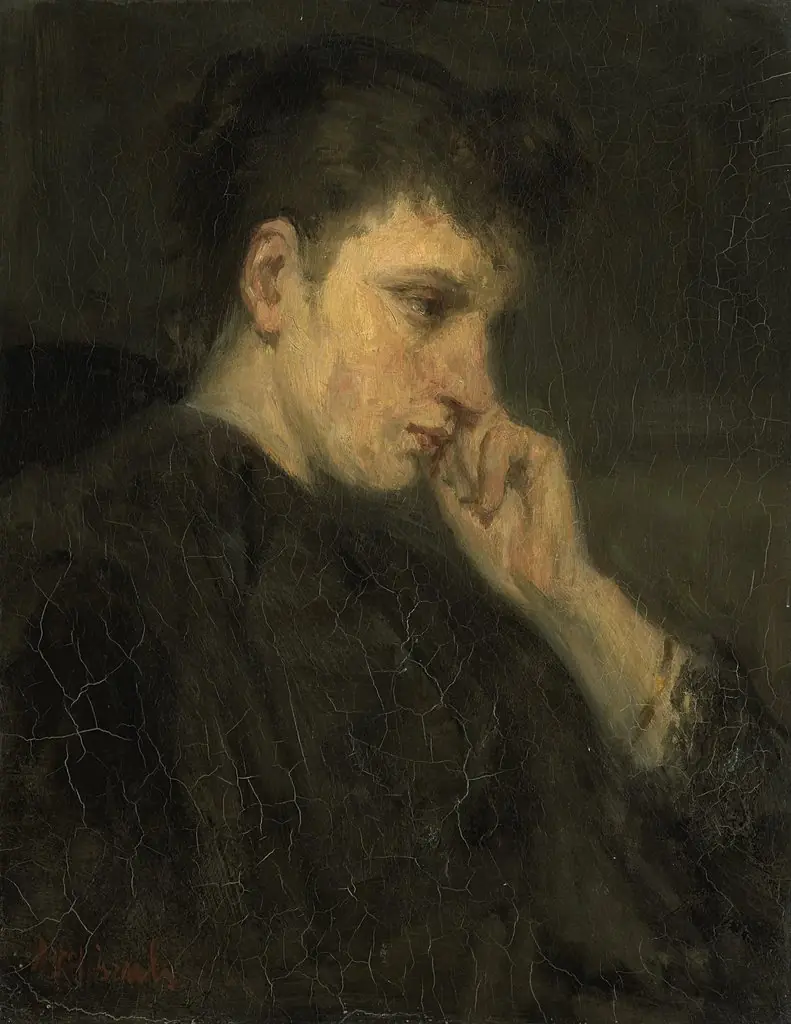 Melancholy
 Head of an Old Man
 The Convict (Condemned Cell)