Artwork
Vâzdoage galbene
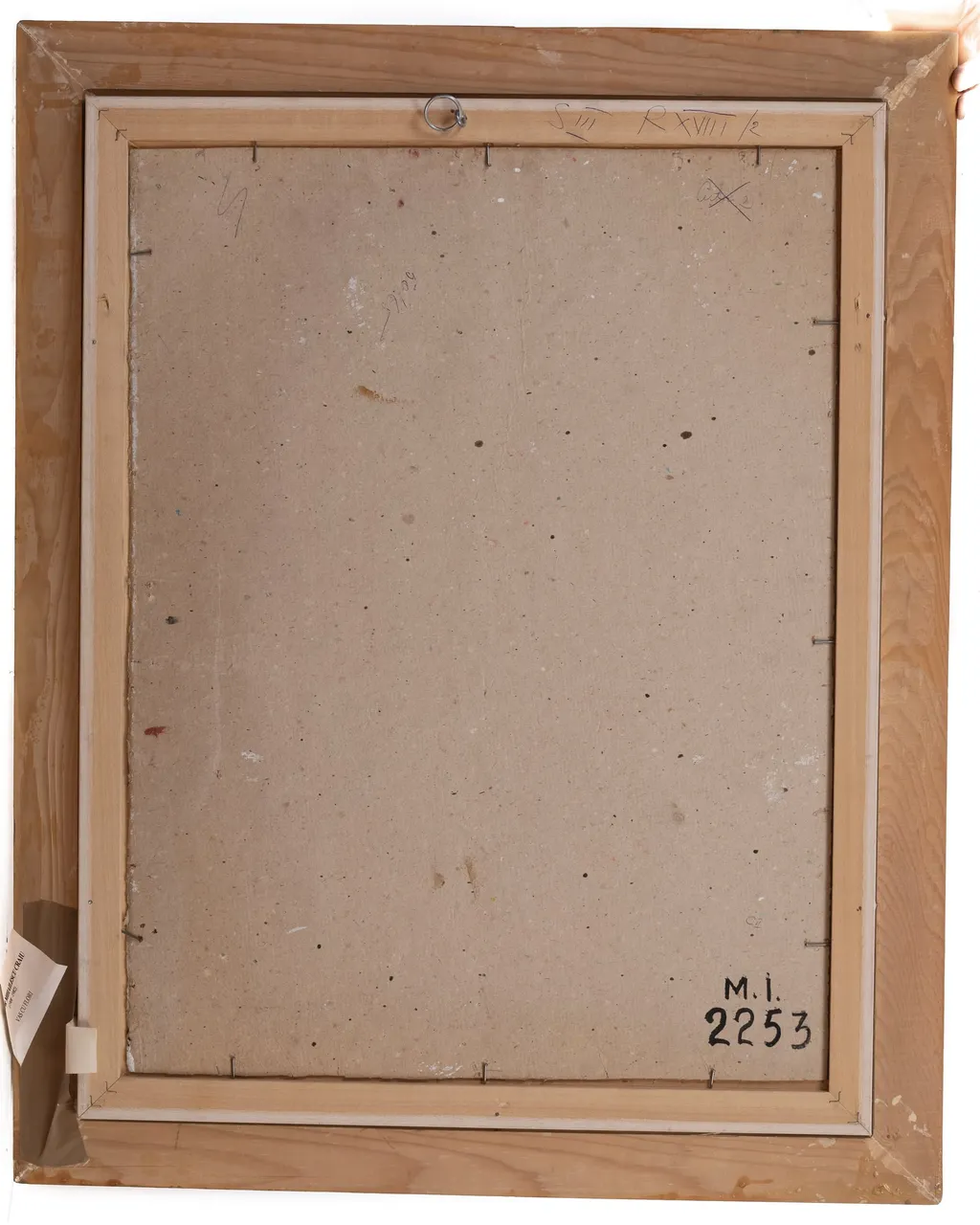
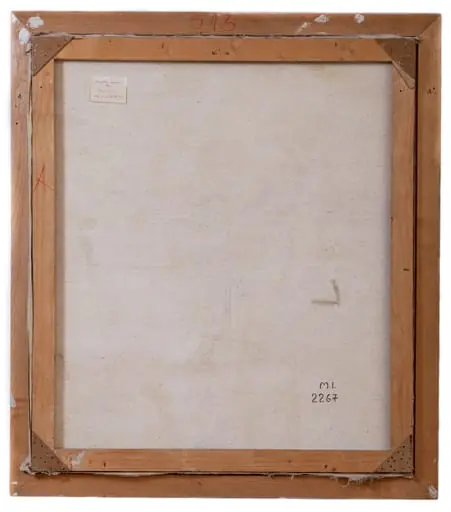
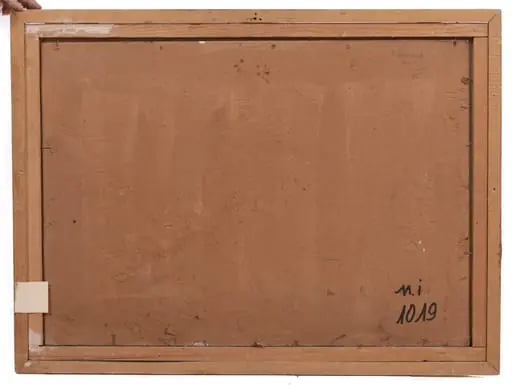
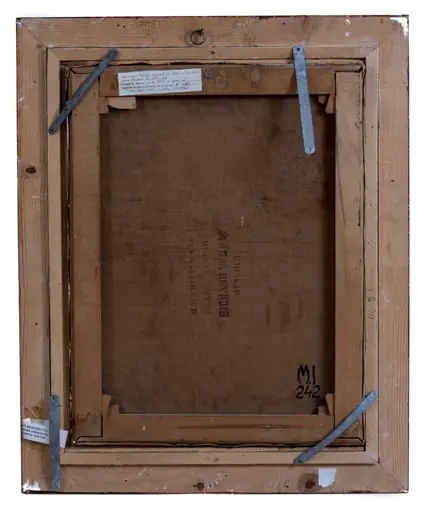
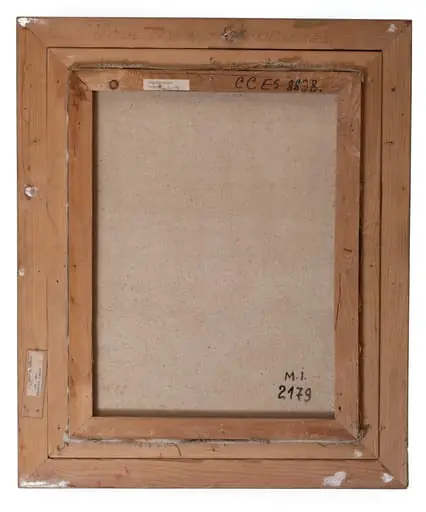
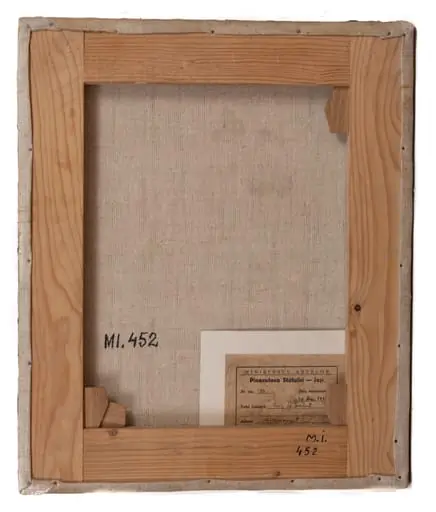
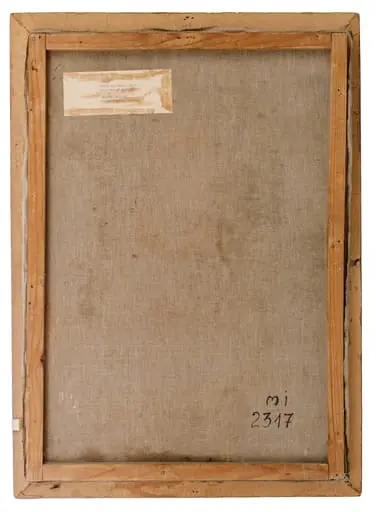
Vâzdoage galbene is a print by Mihailescu-Craiu Victor. It is held in the collection of the Moldova National Museum Complex. This object is an empty wooden frame with a light, textured interior surface, suggesting it was once prepared as a support for painting.
About this work
There’s a faded label on the top edge with some handwritten notes, and a number "2253" is marked in the bottom right corner.
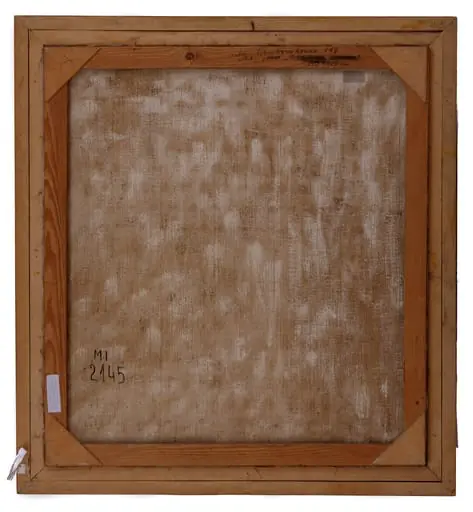
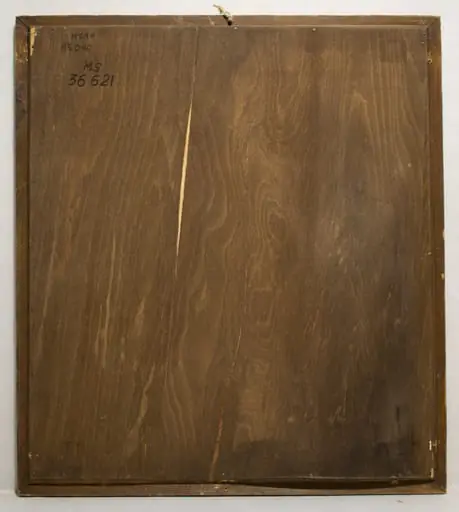
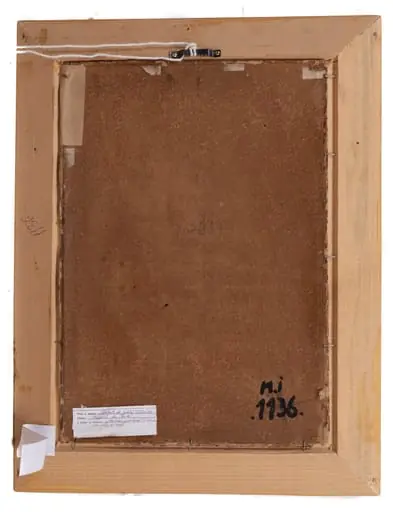
This is an empty wooden frame with a light-colored, textured surface inside. The wood looks worn, with small nails holding the back panel in place. There’s a faded label on the top edge with some handwritten notes, and a number "2253" is marked in the bottom right corner.
The blank canvas suggests this might have been a sketch or study that was never finished. The texture looks rough, almost like sandpaper, which could mean it was prepared for a specific kind of paint or technique.
If you’re curious about artists who worked with unusual surfaces, look up Mihailescu-Craiu Victor.
Overview
This object is an empty wooden frame with a light, textured interior surface, suggesting it was once prepared as a support for painting. The wood shows signs of age, with visible nails securing the back panel and a faint handwritten label along the top. A numerical mark, '2253,' appears in the lower right. The surface texture resembles coarse sandpaper, indicating deliberate preparation for a particular medium or method, though no paint remains.
Subject & Meaning
The absence of imagery transforms the frame into a silent artifact of artistic process. Its blankness may reflect an unfinished study, a failed attempt, or a deliberate choice to leave the surface raw. The preserved label and numbering imply institutional handling, possibly from a studio or collection, suggesting this was once part of a documented workflow rather than a discarded object.
Technique & Style
The rough, granular texture of the interior surface was likely applied intentionally, possibly as a ground for oil or tempera to enhance adhesion or create a specific tactile response. The frame’s construction—simple, functional, with visible nails—points to a utilitarian approach, common in preparatory works. The lack of decorative elements reinforces its role as a working tool rather than a finished piece.
History & Provenance
The handwritten label and numerical marking suggest this frame was cataloged, likely within an academic or institutional setting. Its preservation implies recognition of its significance as an artifact of artistic practice, even without a completed image. While its origin remains undocumented, the physical details align with mid-20th century Romanian studio practices, particularly those associated with experimental painters.
Context
In Romanian modernist circles, artists like Mihailescu-Craiu Victor explored unconventional supports and surfaces, often prioritizing material process over representational outcomes. This frame fits within that context: a fragment of experimentation where the preparation of the surface held as much weight as the image it might have carried. Its survival reflects a broader interest in documenting artistic labor beyond the final product.
Legacy
As a preserved artifact of artistic preparation, this frame invites reflection on the unseen labor behind creative work. It stands as a quiet testament to the many studies, trials, and abandoned attempts that shape an artist’s practice. Its existence challenges assumptions about what constitutes a meaningful object in art, emphasizing process over product.
Artist & collection
Artist
Victor Mihailescu-Craiu made prints set in Romania’s rolling hills and villages. His two plates here—Vâzdoage galbene, a yellow autumn field, and Peisaj, a village lane lined with poplars—show crisp black lines over…