Artwork
The Tramp
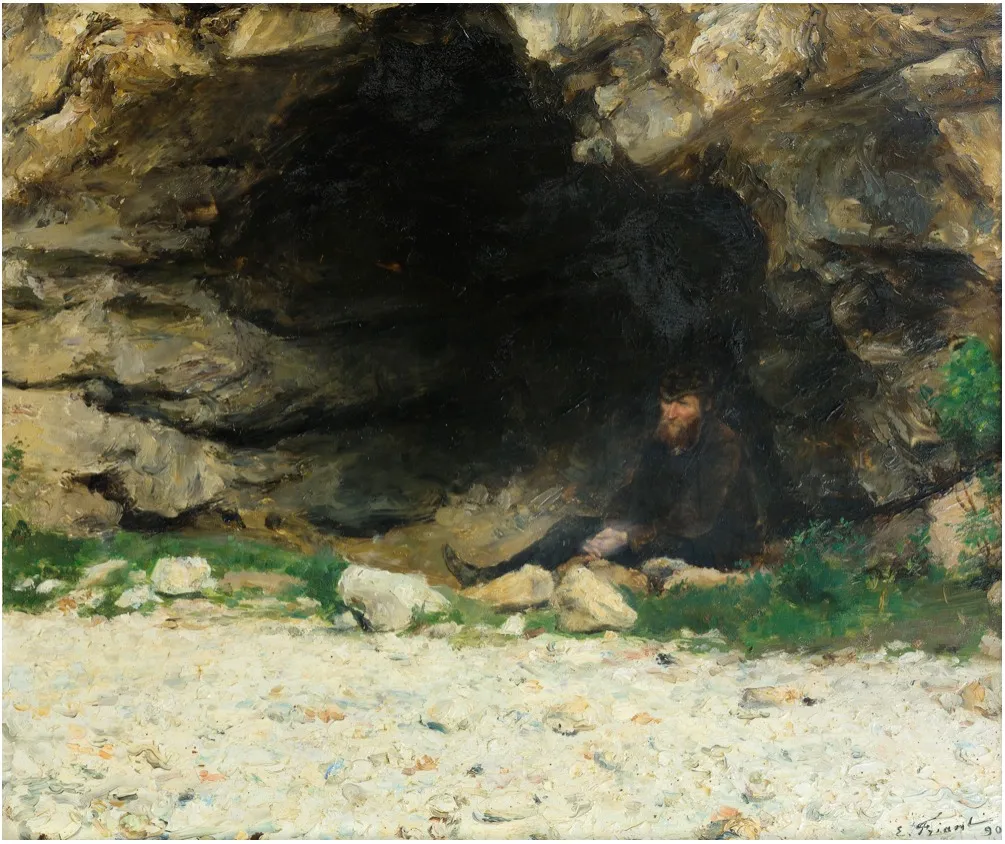
The Tramp is an unspecified painting by the Post-Impressionist artist Émile Friant. It dates from 1896 and is held in the collection of the Nationalmuseum.
About this work
Overview
Émile Friant (1863–1932), a French painter active in the late 19th century, completed *The Tramp* in 1896. Executed in oil on canvas, the work belongs to the period following Impressionism, when artists explored more precise representation and narrative content. The painting is part of the Nationalmuseum’s permanent collection in Stockholm.
Subject & Meaning
The composition presents a solitary figure seated beneath a rocky ledge. He wears worn, dark garments and a long beard, suggesting poverty or itinerancy. The quiet pose and muted surroundings convey a contemplative, melancholic mood, inviting viewers to consider the inner life of the unnamed wanderer.
Technique & Style
Friant employs a restrained palette of earth tones, contrasting light and shadow to model the craggy rocks and the folds of the man's clothing. The handling of chiaroscuro creates depth, while the surface texture hints at the artist’s practice of using photographic studies as a reference for anatomical accuracy.
History & Provenance
After its completion, *The Tramp* entered the French art market before being acquired by Sweden’s Nationalmuseum, where it remains on display. The museum’s records list the work as part of its 20th‑century European painting collection, reflecting Friant’s reputation as a realist chronicler of everyday life.
Artist & collection
Artist
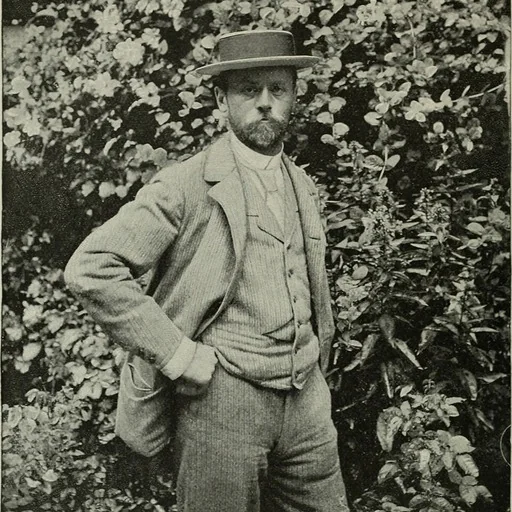
Émile Friant (16 April 1863 – 9 June 1932) was a French artist. Friant was born in the commune of Dieuze. He exhibited paintings throughout his lifetime at the Paris Salon. Friant created works in charcoal, oil, and…

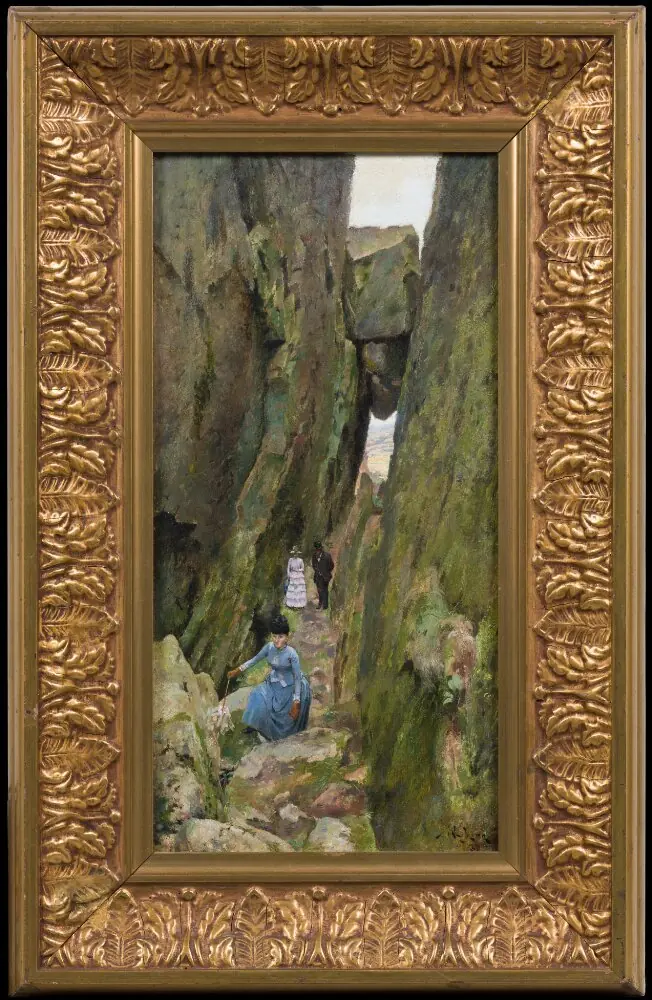 Elegant Walkers at Kungsklyftan, Fjällbacka
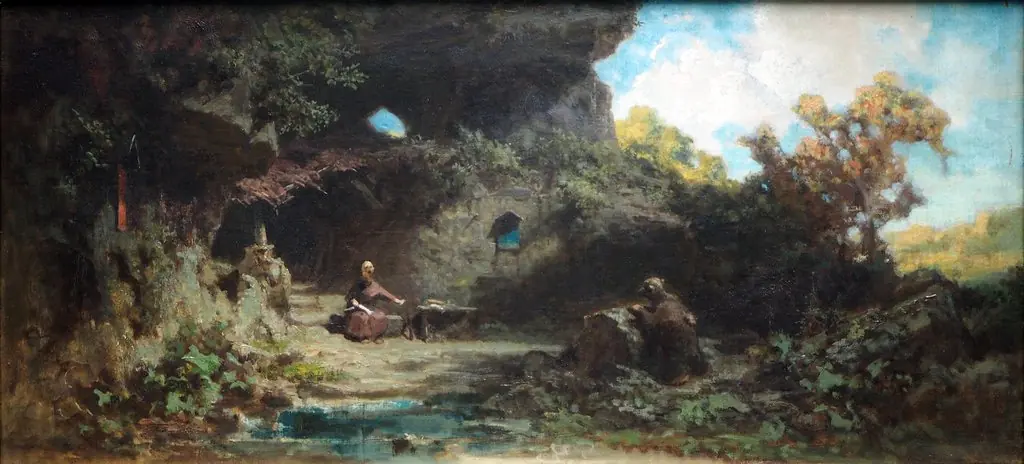 A Hermit in the Mountains
 Lucrător din Fontainebleau
 Grotto of Sarrazine near Nans-sous-Sainte-Anne
 Rock study, Sumner
 The Spring of léri in Chassagne
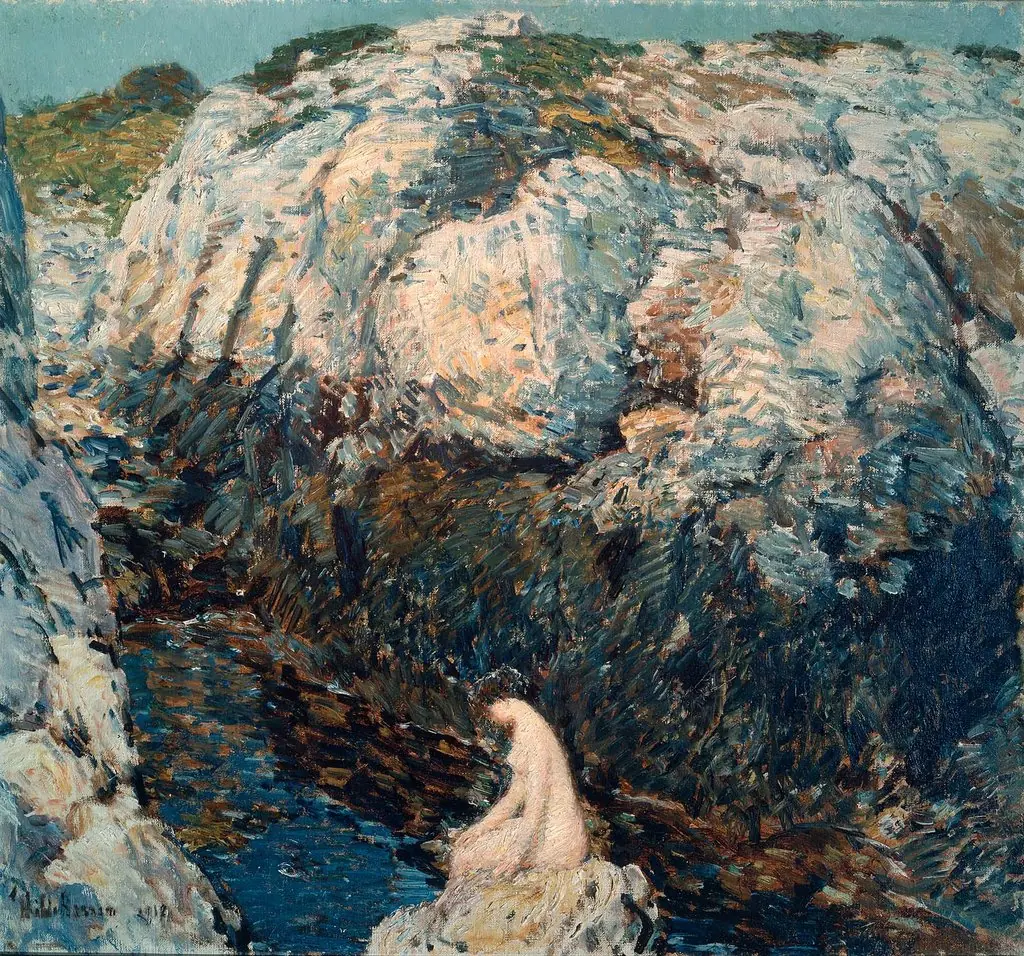 The Lady of the Gorge
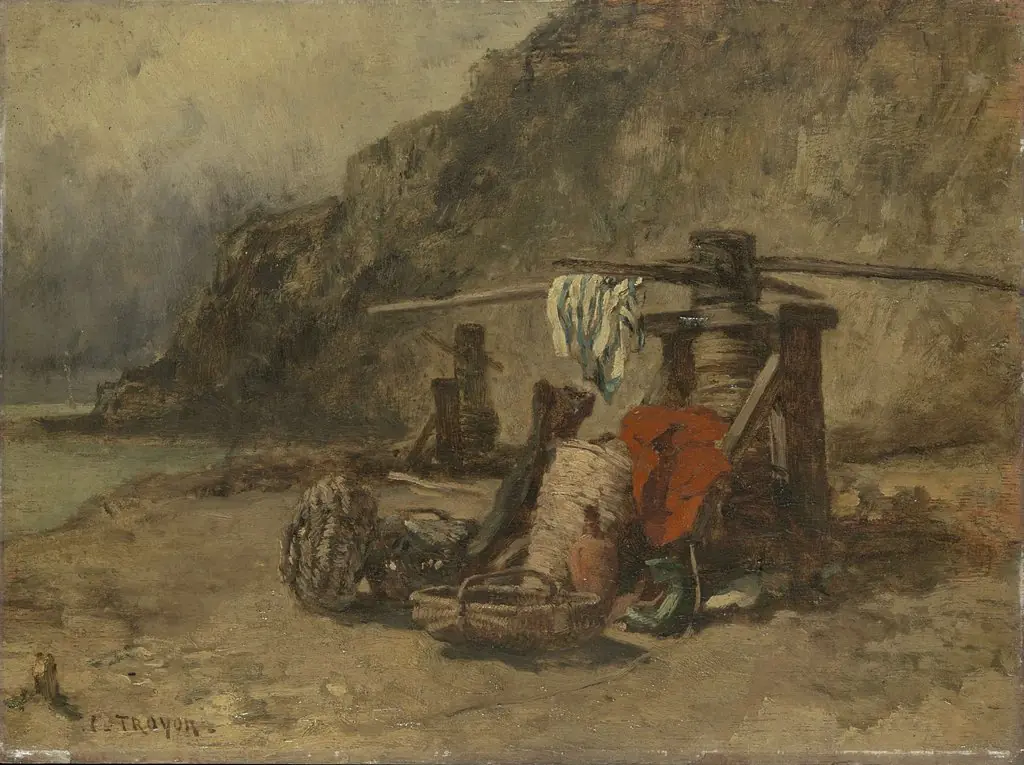 Strandgezicht met kaapstanders
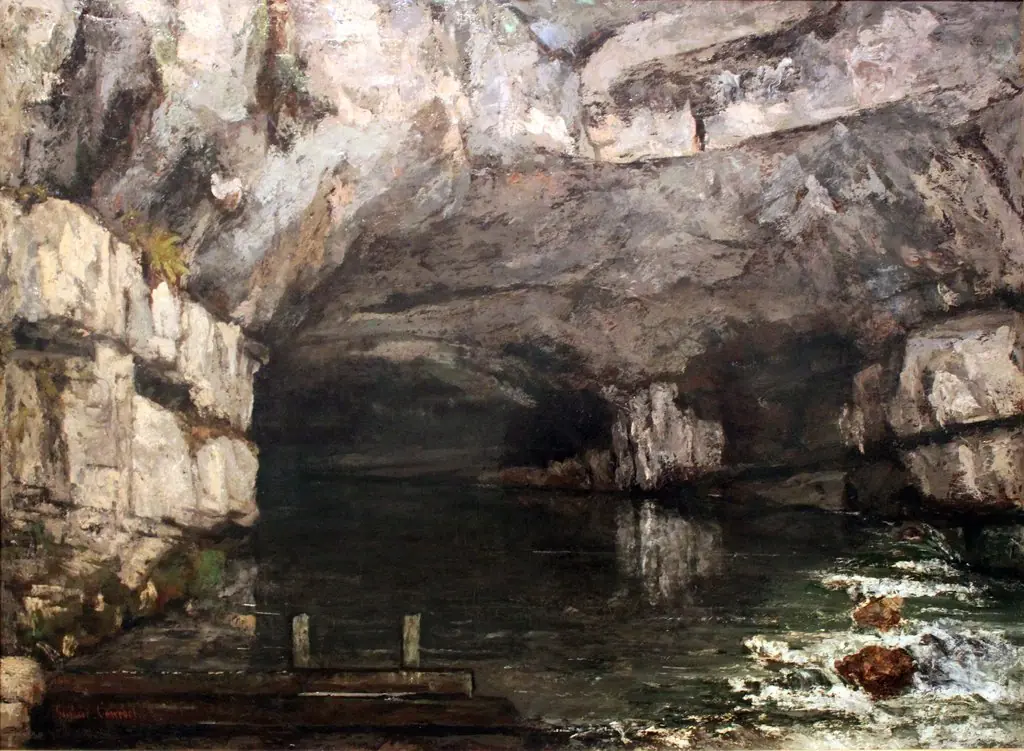 The Grotto of the Loue
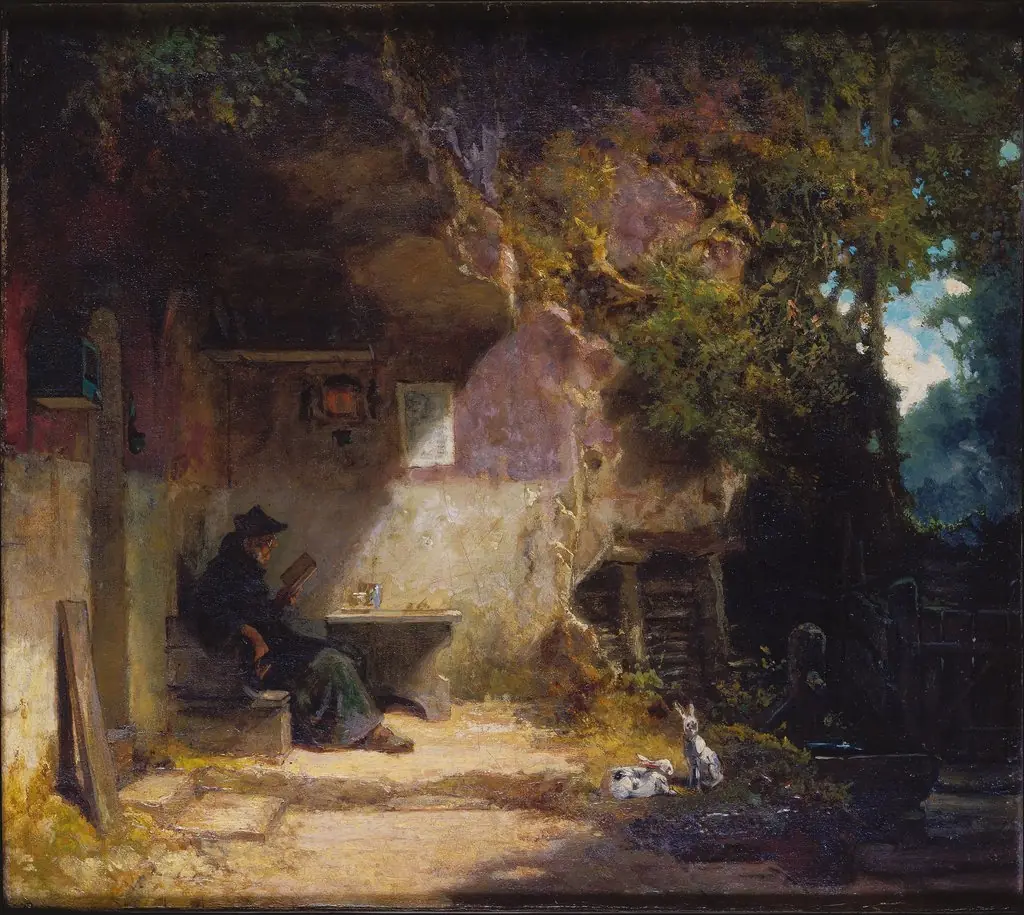 The Hermit in front of His Retreat
 Portrait of Mr. C.
 Well at the Farmer Wolferl in Bruck-Fusch