Artwork
The Wool Carder (La cardeuse)
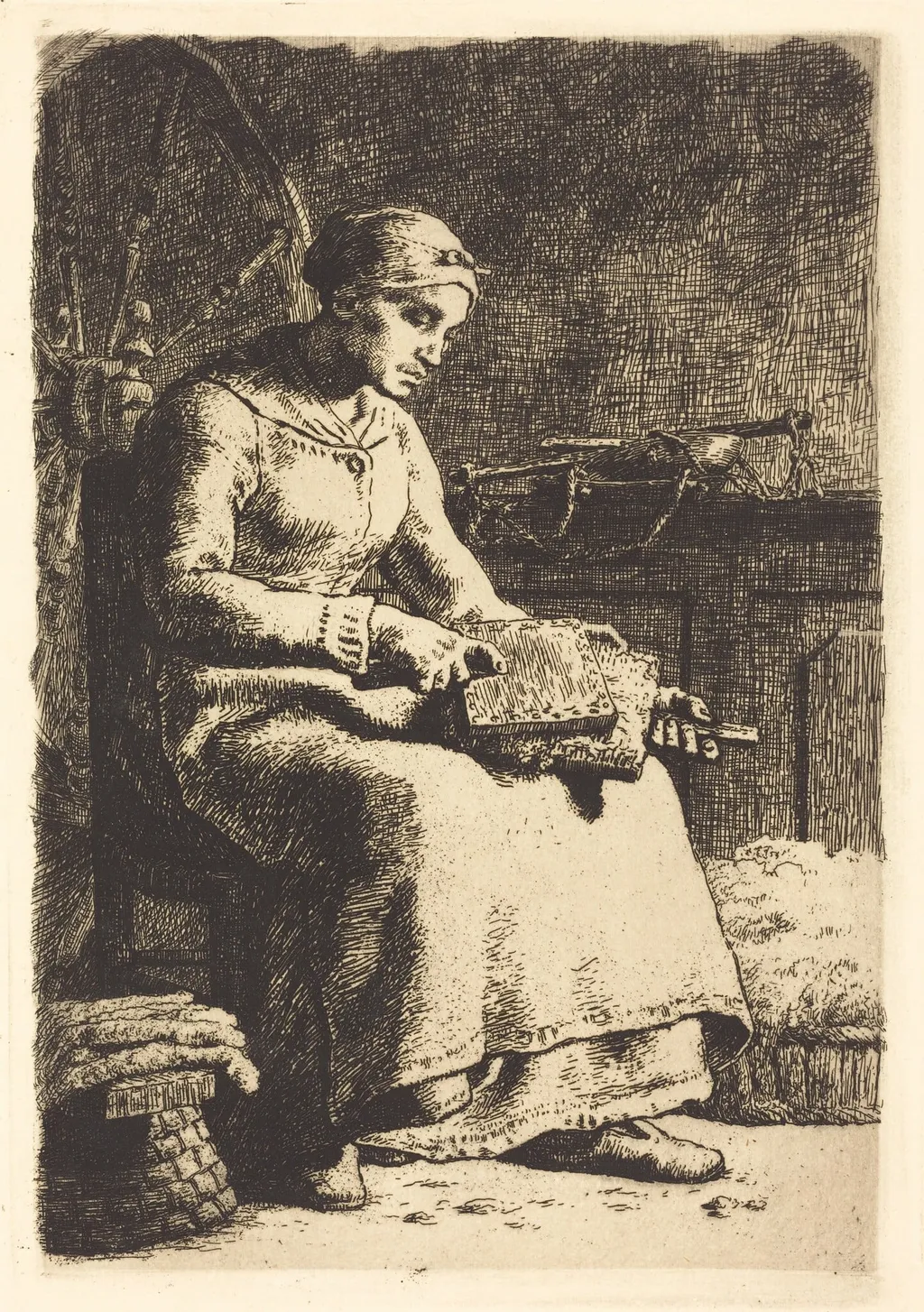
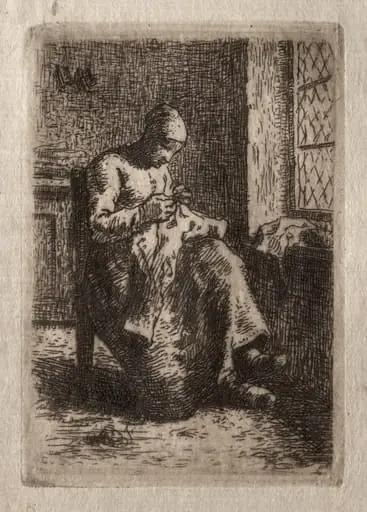
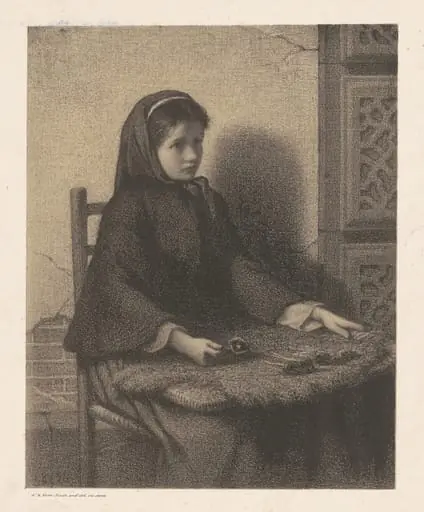
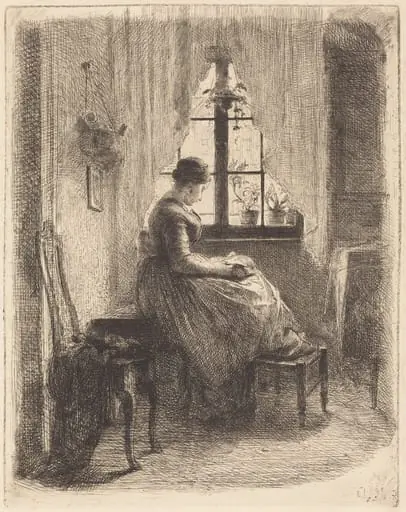
The Wool Carder (La cardeuse) is an ink print by the Impressionist artist Jean François Millet. It dates from 1855 and is held in the collection of the National Gallery of Art. Created around 1855, *The Wool Carder* is an etching by Jean-François Millet, part of his broader engagement with rural labor as a subject.
About this work
Overview
This print exemplifies his commitment to portraying everyday toil with quiet gravity, using the precision of etching to render texture and atmosphere.
Created around 1855, *The Wool Carder* is an etching by Jean-François Millet, part of his broader engagement with rural labor as a subject. Though Millet is often associated with oil paintings, he produced a significant body of graphic work, including etchings that captured the quiet rhythms of peasant life. This print exemplifies his commitment to portraying everyday toil with quiet gravity, using the precision of etching to render texture and atmosphere.
Subject & Meaning
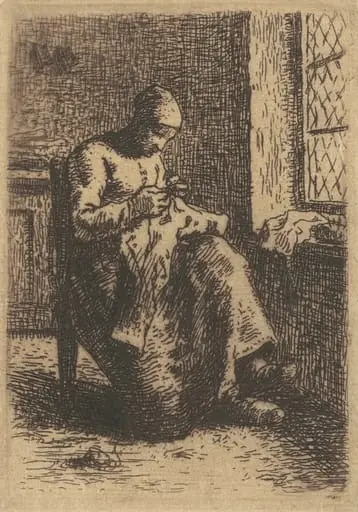
The print depicts a woman engaged in the laborious task of carding wool, her body bent in concentration, barefoot and dressed in simple garments. The presence of a cat and a basket of wool suggests a domestic, intimate setting. Millet avoids sentimentality; instead, he presents the worker’s posture and environment with unembellished observation, emphasizing endurance and routine over drama or idealization.
Technique & Style
Millet employed fine, controlled lines typical of etching to convey the roughness of fabric, the fibrous quality of wool, and the dim, uneven light filtering through heavy curtains. The dark, textured background isolates the figure, enhancing the sense of solitude. The technique allows for subtle gradations of tone, giving the scene a tactile realism that mirrors the physicality of the labor being depicted.
History & Provenance
The etching was made during Millet’s formative years in Barbizon, where he lived among rural communities and developed his focus on agrarian life. While the exact early ownership of this print is undocumented, it was likely circulated among collectors and artists interested in Realist graphic work. Its survival reflects its resonance within 19th-century print culture, particularly among those drawn to socially conscious imagery.
Context
In mid-19th-century France, urbanization and industrialization prompted renewed interest in rural labor as a subject of artistic and social reflection. Millet’s etchings, including this one, emerged alongside broader movements that sought to elevate the dignity of manual work. Unlike academic art, which favored mythological or historical themes, Millet turned to the unadorned reality of peasant existence.
Legacy
Though less widely known than his paintings, Millet’s etchings influenced later generations of printmakers and social realists. *The Wool Carder* stands as a quiet testament to the power of graphic art to convey dignity in obscurity. Its emphasis on texture, posture, and atmosphere helped establish etching as a legitimate medium for serious narrative expression beyond illustration.
Artist & collection
Artist
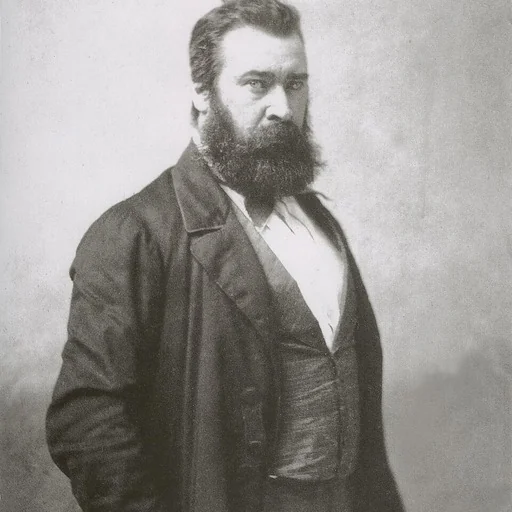
Jean-François Millet (French pronunciation: ; 4 October 1814 – 20 January 1875) was a French painter and one of the founders of the Barbizon school in rural France.