Artwork
Landscape after Mi Fu
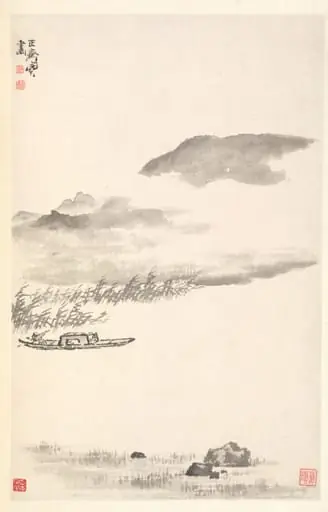
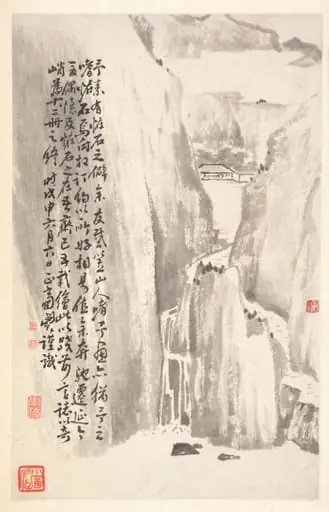
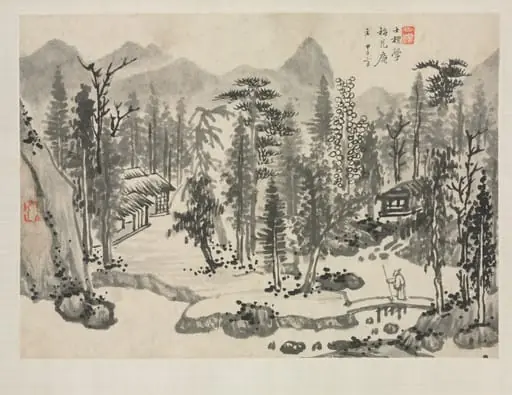
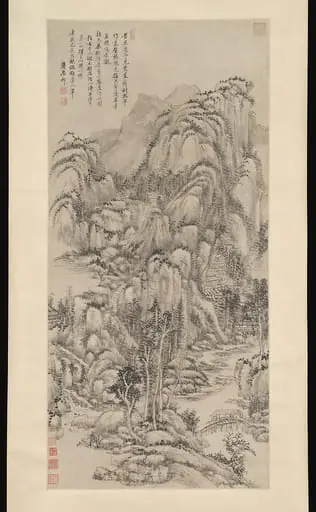
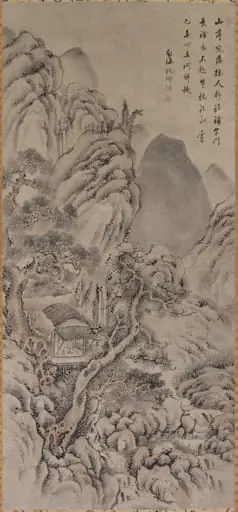
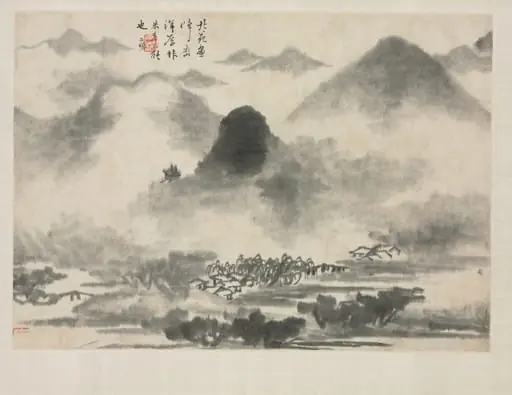
Landscape after Mi Fu is an unspecified painting by the Chinese Orthodox School artist Min Zhen. It dates from 1788 and is held in the collection of the Cleveland Museum of Art. Created in 1788, this ink painting presents a tranquil river threading through mist‑shrouded hills.
About this work
But he didn’t just copy—he made the scene his own, adding softer edges and a mood that feels like early morning.
You see a quiet river winding through misty hills, ink on paper so light it feels like breath.
Min Zhen painted this in 1788, copying a 1000-year-old Chinese artist named Mi Fu. But he didn’t just copy—he made the scene his own, adding softer edges and a mood that feels like early morning. Orphans often had to work harder to be noticed; this painting shows how he stood out.
For more of this gentle, misty style, look up *china, qing dynasty (1644-1911)*.
Overview
Created in 1788, this ink painting presents a tranquil river threading through mist‑shrouded hills. Rendered with an exceptionally light touch, the work conveys a sense of atmospheric delicacy, as if the scene were captured at dawn. Though it references a thousand‑year‑old composition by Mi Fu, the artist reinterprets the landscape with a softer, more lyrical quality.
Subject & Meaning
The composition depicts a quiet waterway winding among rolling, veiled mountains, evoking a contemplative mood often associated with early morning solitude. The subdued palette and diffused outlines suggest a meditation on nature’s transience, aligning with traditional Chinese aesthetic ideals of harmony between humanity and the natural world.
Technique & Style
Executed in ink on paper, the brushwork is restrained, employing barely perceptible strokes that give the image an ethereal, breath‑like presence. The artist’s handling of mist and water reflects a mature synthesis of classical models and personal refinement, softening the sharper lines typical of earlier copies to achieve a more atmospheric effect.
History & Provenance
The painter, Min Zhen, was orphaned at twelve and later apprenticed to the scholar‑artist Tang Yin, a prominent figure in the imperial porcelain workshops. This connection likely facilitated Min’s decade‑long residence in Beijing beginning around 1773. While his exact ties to the artistic community of Yangzhou remain uncertain, his work shows clear affinities with the local painter Huang Shen.
Context
Min Zhen’s career unfolded during the late Qing dynasty, a period marked by both adherence to classical models and increasing individual expression. By revisiting Mi Fu’s ancient landscape, he engaged with a revered tradition while simultaneously asserting his own stylistic voice, illustrating the broader tension between copying and innovation in 18th‑century Chinese painting.
Legacy
The piece exemplifies Min Zhen’s late‑career versatility, demonstrating how an artist of modest origins could achieve a refined, personal idiom within established conventions. It stands as a testament to the enduring relevance of classical motifs when reinterpreted through the lens of an individual’s experience and skill.
Artist & collection

Artist
Min Zhen was a Chinese painter and seal carver born in Nanchang, Jiangxi, who spent most of his life in Hubei.