Artwork
Elizabeth Seton (1804-1827), stiftsjungfru, sondotter till Alexander Baron Seton
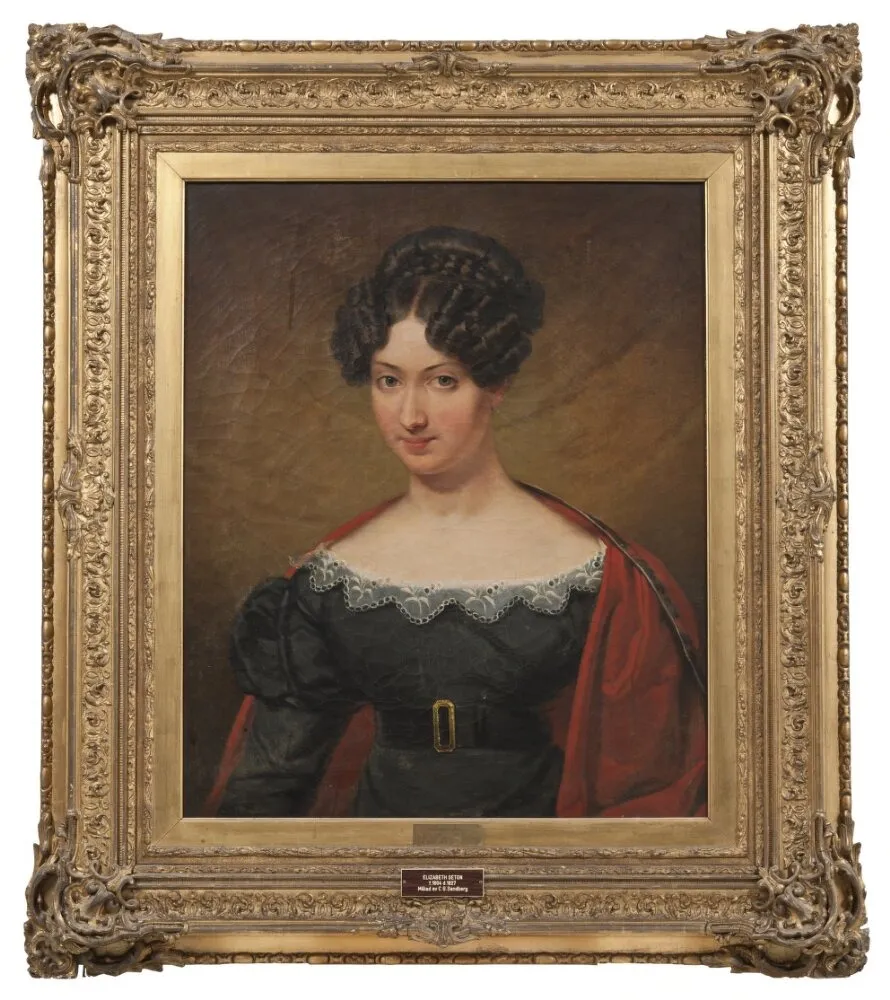
Elizabeth Seton (1804-1827), stiftsjungfru, sondotter till Alexander Baron Seton is an oil painting by Johan Gustaf Sandberg. It dates from 1826 and is held in the collection of the Nationalmuseum.
About this work
A small plaque at the bottom of the frame bears the name "Elizabeth Seton" and the years "1804-1827".
This painting shows a woman with dark hair, styled in a curly updo. She wears a black dress with a white lace collar and a red shawl draped over her left shoulder. The background is a muted brown color.
A small plaque at the bottom of the frame bears the name "Elizabeth Seton" and the years "1804-1827". The frame itself is ornate, featuring intricate carvings and a gold finish.
The painting is held at the Nationalmuseum. To learn more about the artist's technique, look up "glazing".
Overview
Johan Gustaf Sandberg’s 1826 oil portrait presents Elizabeth Seton, a young woman of the Swedish aristocratic Seton line, identified as a stiftsjungfru and granddaughter of Alexander, Baron Seton. Executed in the early nineteenth century, the work is part of the Nationalmuseum’s collection in Stockholm and exemplifies Sandberg’s practice of combining formal portraiture with the dignified bearing typical of his era.
Subject & Meaning
Elizabeth is shown with dark hair arranged in a curled updo, dressed in a black gown trimmed with a white lace collar. A vivid red shawl is draped over her left shoulder, suggesting both modesty and status. The title “stiftsjungfru” indicates her role as an unmarried woman of a church district, reflecting the social expectations placed upon noble daughters in Sweden at the time.
Technique & Style
Sandberg applied oil in thin, translucent layers, a method known as glazing, to achieve depth of tone and a luminous quality in the fabric and skin. The muted brown backdrop isolates the sitter, allowing the contrast of the dark dress and red shawl to dominate the visual field. The brushwork remains controlled, emphasizing the portrait’s formal character.
History & Provenance
Created in 1826, the painting entered the Nationalmuseum’s holdings during the institution’s 19th‑century acquisitions of Swedish portraiture. The frame, ornate with carved details and a gold finish, dates from the same period and bears a plaque naming Elizabeth Seton and her lifespan, 1804–1827, confirming the work’s original identification.
Context
Sandberg, primarily recognized for historical scenes such as the frescoes of Gustav Vasa in Uppsala Cathedral, produced a substantial number of portraits for the Swedish elite. This work reflects the early‑19th‑century trend of portraying noblewomen in modest yet richly appointed attire, aligning personal identity with the visual language of aristocratic propriety.
Artist & collection
Artist
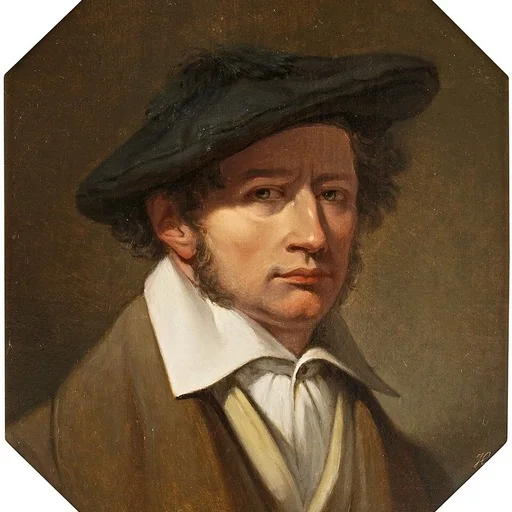
Johan Gustaf Sandberg (13 May 1782 – 26 June 1854) was a Swedish painter. He was foremost a history painter and used settings from Norse mythology and Swedish history. His most widely known work in this area are his…

 Portrait of Ane Elisabeth (Elise) Gurlitt, né Saxild (1817-39)
 Porträtt av ung kvinna i en violett klänning med vit spetskrage
 Portrait of a Woman
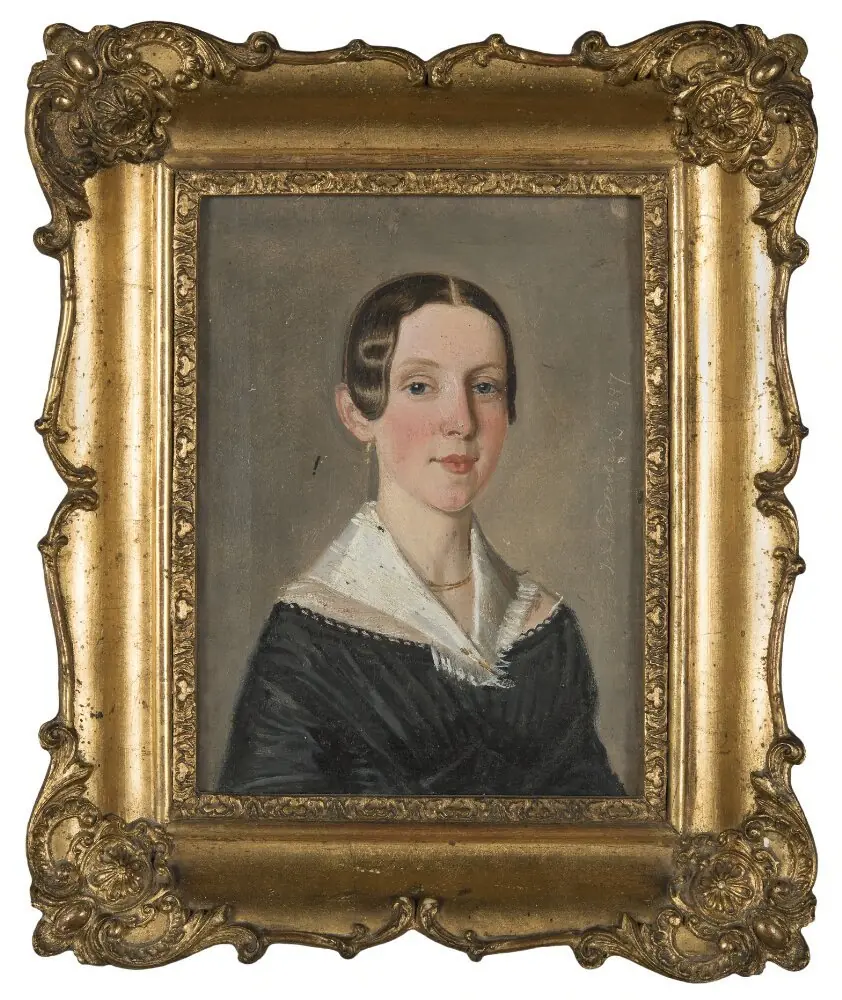 Elise Ljungman, m. Paint Manufacturer and the Director of an Orphanage Signeul in Uddevalla
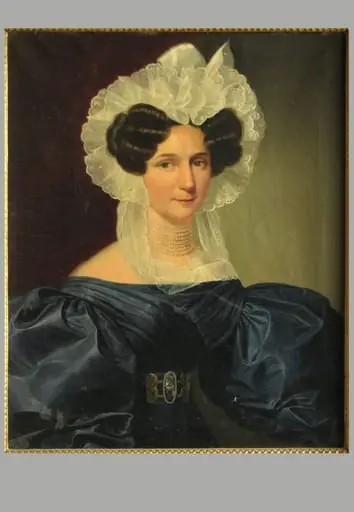 Maria Streidlin (în registrul inventar: Portret de femeie). Pandant: Portret de bărbat
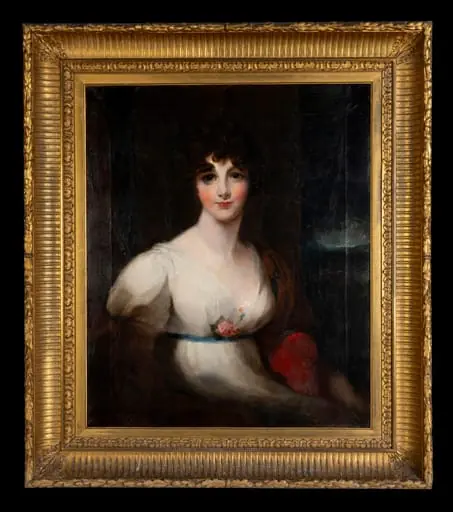 Louisa Jane Allen
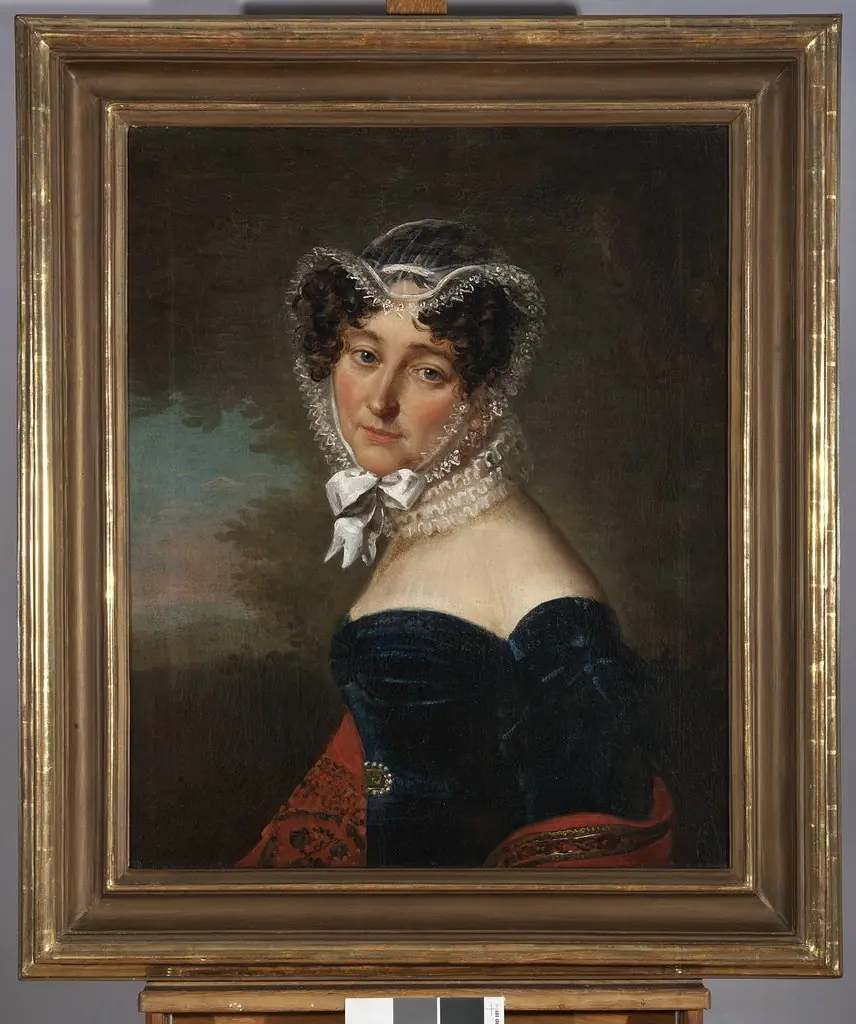 Portrait of Józefa Węgleńska née Tyrowska
 Mrs Eugenie Maria Wynne (Crowe)
 Mrs. Manigault Heyward (Susan Hayne Simmons)
 Young Lady