Artwork
Delta
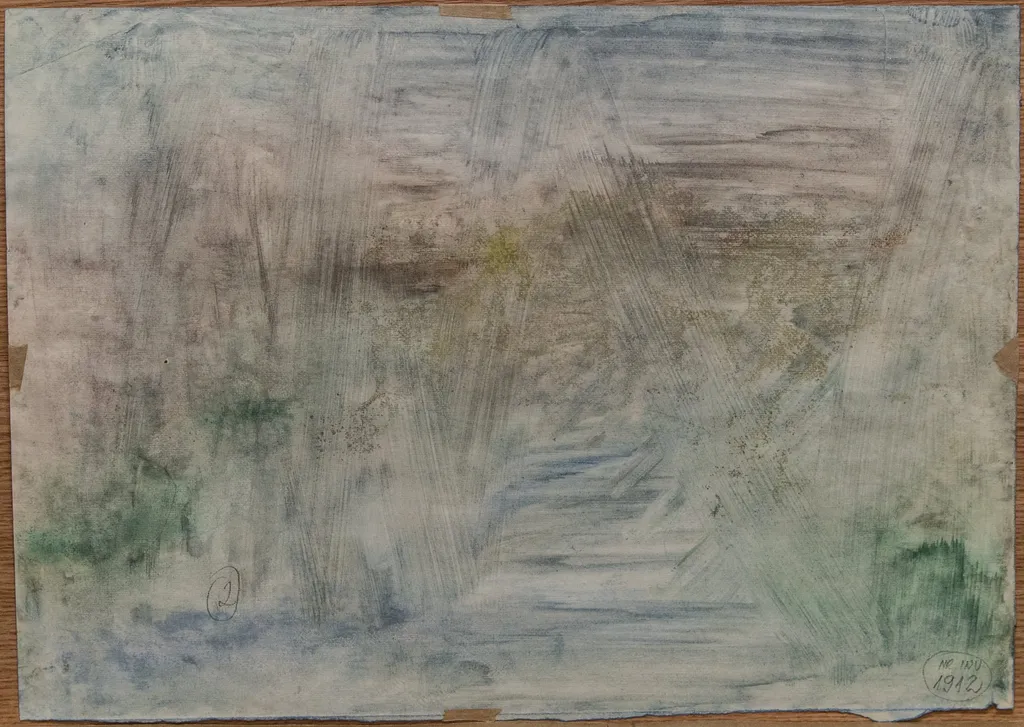
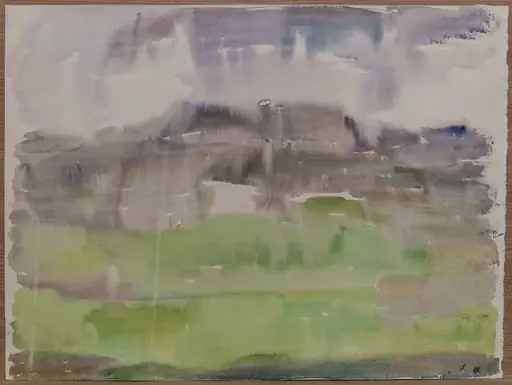
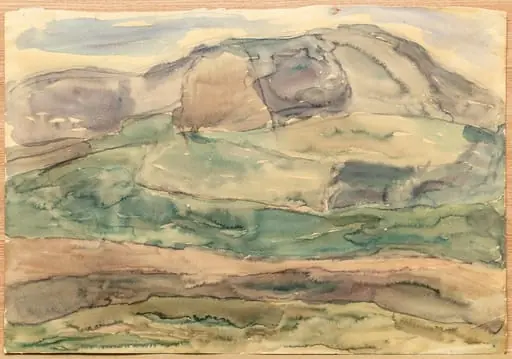
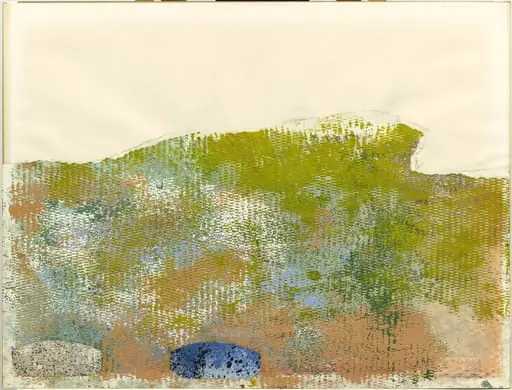
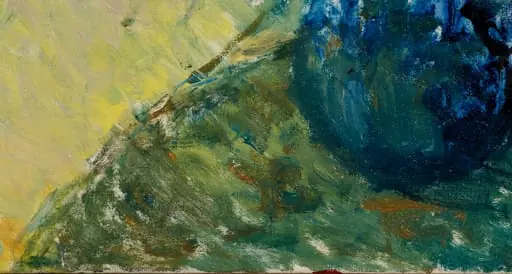
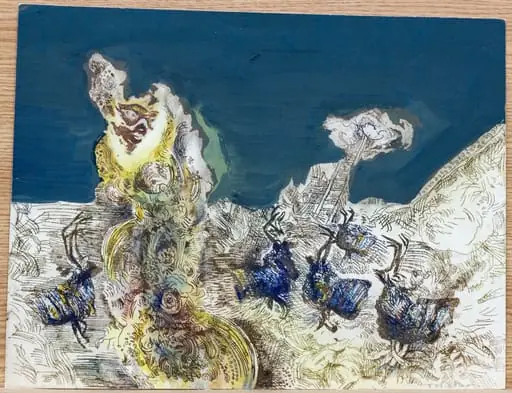
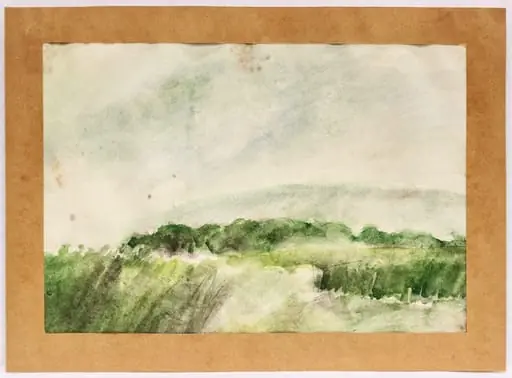
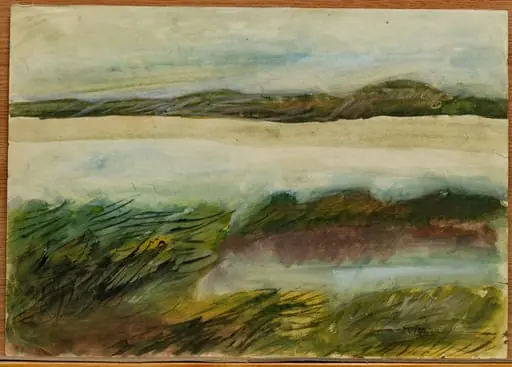
Delta is a print by Aurel Mocanu. It dates from 1950 and is held in the collection of the Gavrila Simion Eco-Museum Research Institute Tulcea.
About this work
Overview
Created around 1950 by Aurel Mocanu, Delta is a water-based painting on paper, currently held in the collection of the Museum of Ethnography.
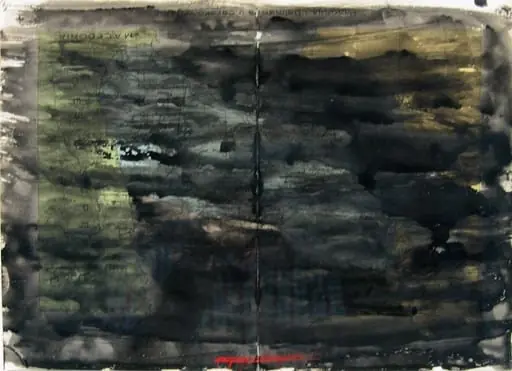
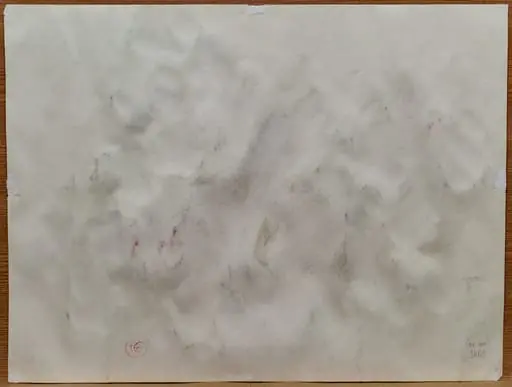
Created around 1950 by Aurel Mocanu, Delta is a water-based painting on paper, currently held in the collection of the Museum of Ethnography. Its composition suggests a transitional landscape—where water meets land—rendered with minimal detail and a restrained palette. The work’s fragile appearance and uneven edges convey a sense of impermanence, as if capturing a fleeting moment rather than a defined scene.
Subject & Meaning
The painting evokes a liminal environment—marshland or river delta—where natural boundaries dissolve. A faint form on the right may suggest vegetation, but it is obscured by loose brushwork and diluted pigments. The ambiguity of form invites contemplation of nature’s fluidity, emphasizing process over representation. No narrative or symbolic intent is overt; the subject remains open to interpretation.
Technique & Style
Mocanu employed thin washes and loose, rapid brushstrokes, creating a translucent effect reminiscent of watercolor or pastel. The paint appears deliberately unrefined, with pooling edges and uneven textures that suggest spontaneity. The absence of sharp contours and the muted tones of pale blue, green, and white reinforce a sense of atmospheric haze, prioritizing mood over precision.
History & Provenance
Delta entered the Museum of Ethnography’s collection in the mid-20th century, likely acquired during a period when the institution expanded its holdings of Romanian modernist works. Its origin as a personal study or experimental piece is unconfirmed, but its condition and handling suggest it was not intended for public display at the time of creation.
Context
Produced in postwar Romania, Delta aligns with a broader trend among local artists exploring abstraction and expressive gesture amid political constraints. While official art promoted realism, some creators turned to intimate, informal modes to express personal responses to landscape and memory. This work reflects that quiet resistance through its understated, non-didactic approach.
Legacy
Delta remains a quiet example of Mocanu’s experimental phase, offering insight into his engagement with material and perception. Though not widely exhibited, it contributes to understanding how Romanian modernists navigated aesthetic boundaries during a restrictive era. Its preservation underscores the value placed on informal, non-conformist practices within institutional collections.
Artist & collection
Artist
Aurel Mocanu made bold prints of rivers and wetlands in a direct, uncluttered style.
Museum
Gavrila Simion Eco-Museum Research Institute Tulcea
Continue through works from the same source collection.