Artwork
Portrait of a Woman
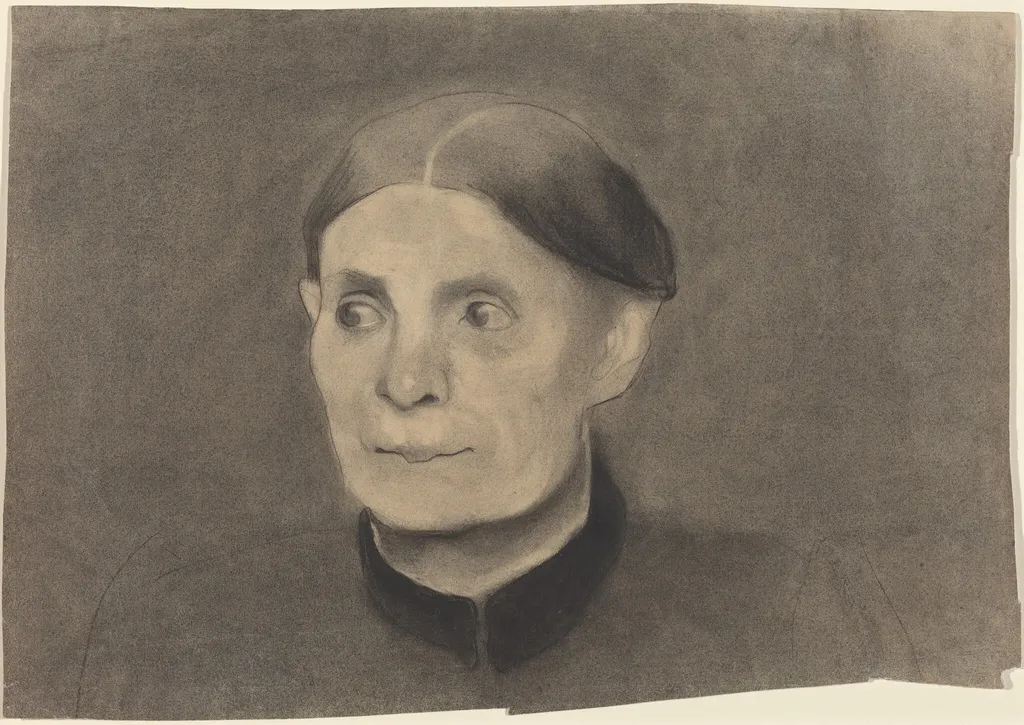
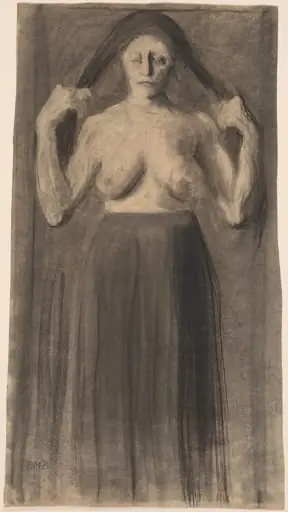
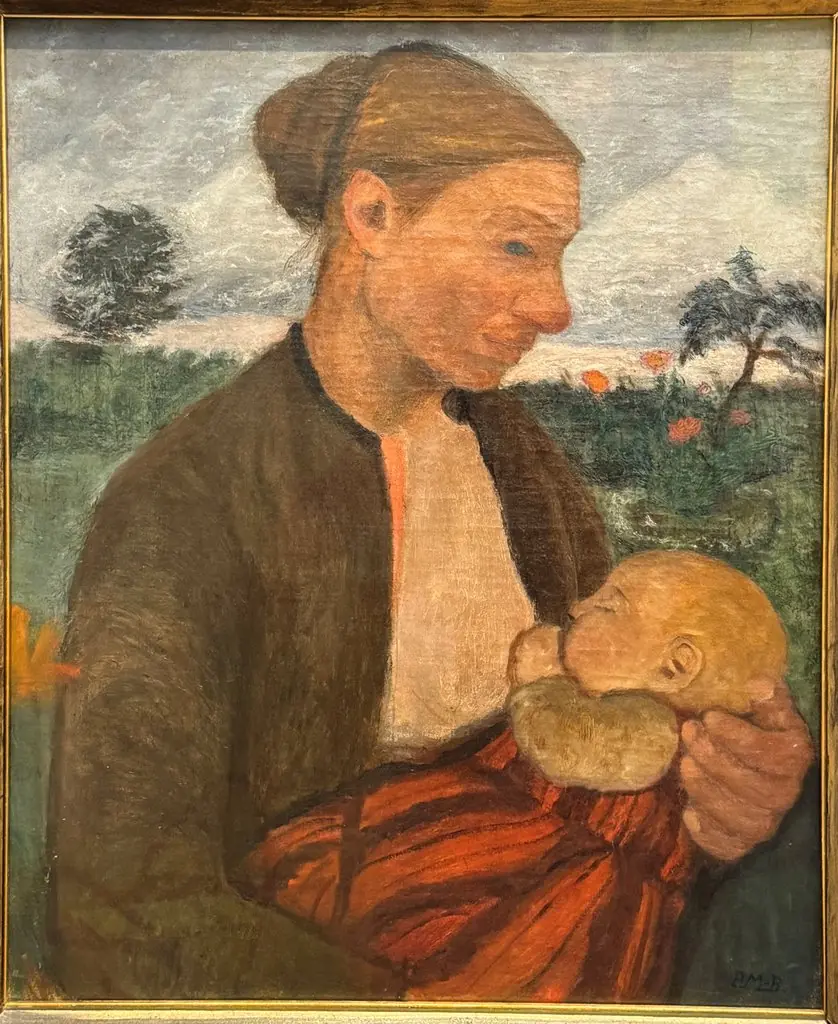
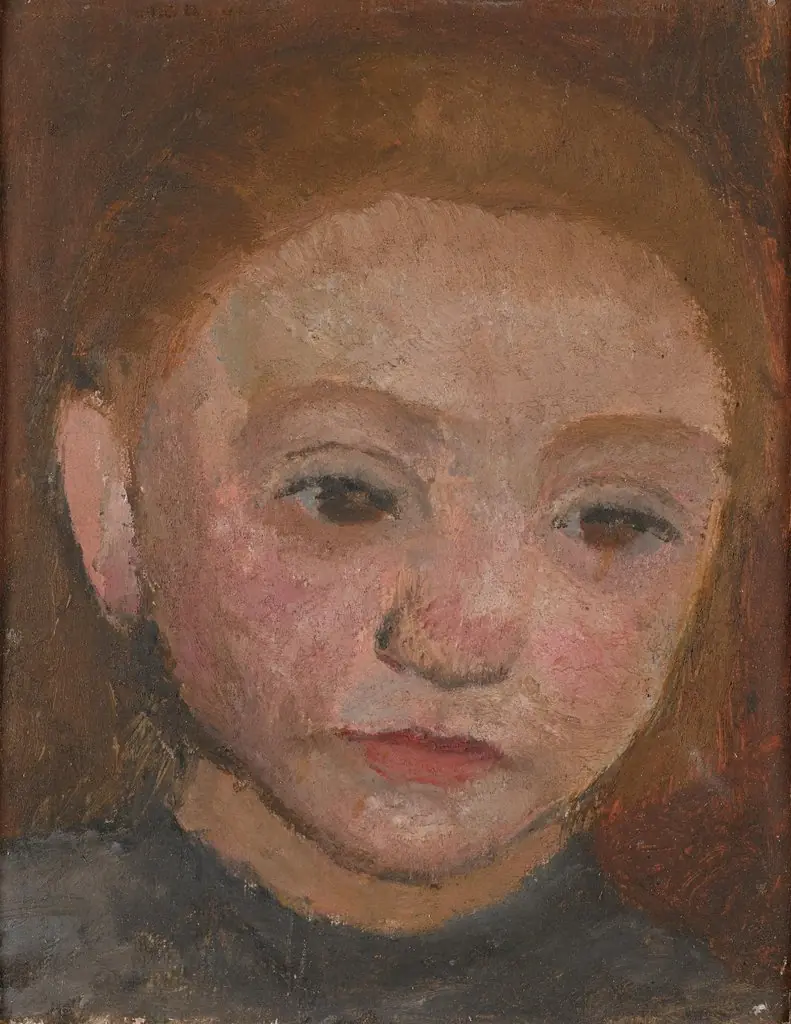
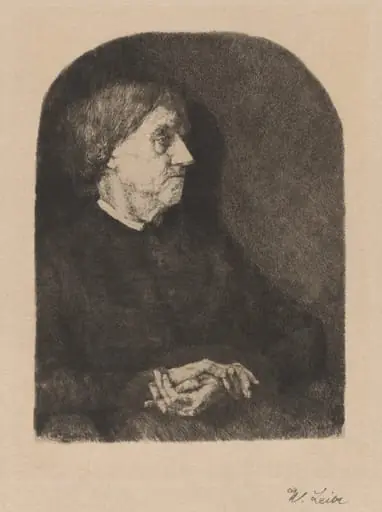
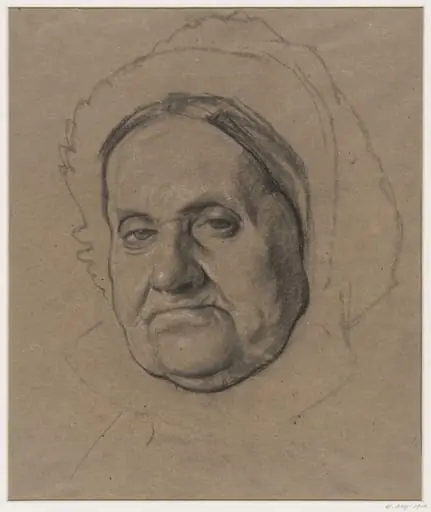
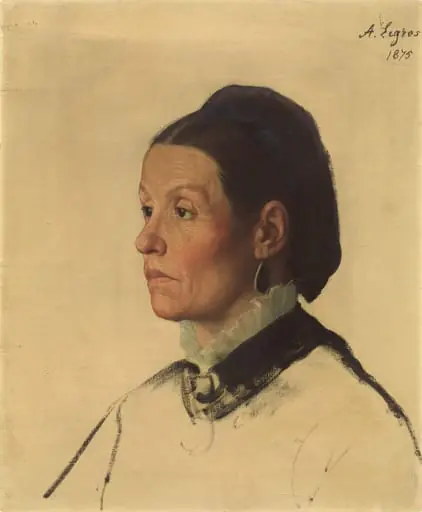
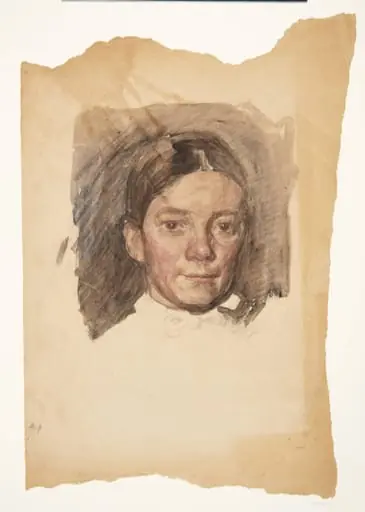
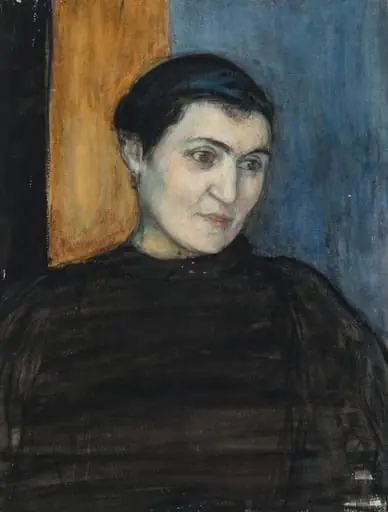
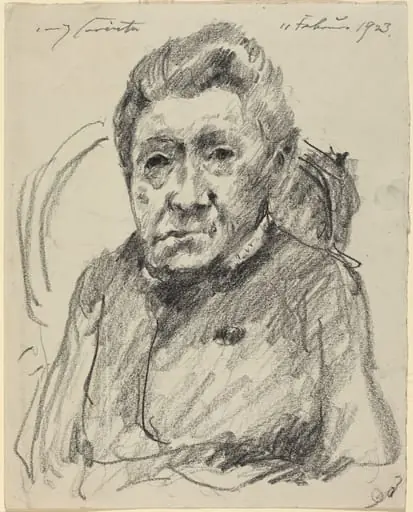
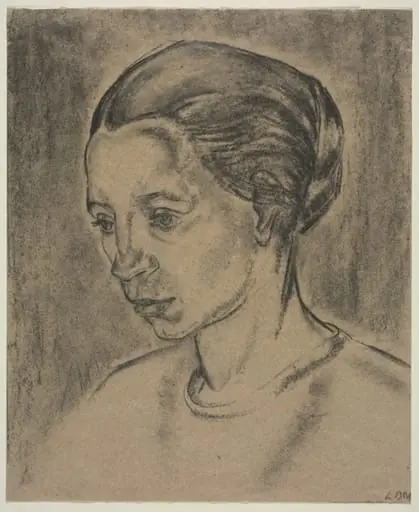
Portrait of a Woman is a charcoal drawing by the Impressionist artist Paula Modersohn-Becker. It dates from 1898 and is held in the collection of the National Gallery of Art.
About this work
Overview
Created in 1898, this drawing by Paula Modersohn-Becker is a monochrome study of a woman’s face and shoulders, executed in charcoal and graphite on wove paper.
Created in 1898, this drawing by Paula Modersohn-Becker is a monochrome study of a woman’s face and shoulders, executed in charcoal and graphite on wove paper. It belongs to a broader body of work in which she explored portraiture with quiet intensity, favoring direct observation over idealization. The piece reflects her commitment to drawing as a primary mode of expression, distinct from her more colorful oil paintings.
Subject & Meaning
The subject is an unnamed woman, depicted with restrained dignity. Her hair is drawn back, revealing a calm, unadorned face, while the dark collar anchors her presence against the empty background. There is no narrative or symbolism—only a focused attention on the quiet humanity of the sitter. Modersohn-Becker’s approach suggests an interest in inner life rather than external status or fashion.
Technique & Style
Using light, fluid strokes of charcoal and graphite, Modersohn-Becker captures volume and texture without heavy shading. The lines are economical, suggesting form through suggestion rather than detail. The absence of a background and the soft transitions between tones emphasize the figure’s presence, aligning with her preference for immediacy and emotional honesty over polished finish.
History & Provenance
This drawing was made during Modersohn-Becker’s early years in Worpswede, a German artists’ colony where she developed her distinctive style. It predates her later, more recognized works and reflects her formative experiments with portraiture. The work remains within private or institutional collections, though its specific provenance after her death is not widely documented.
Context
In the late 1890s, Modersohn-Becker was breaking from academic traditions by turning to everyday subjects and rejecting ornamental detail. Her drawings, like this one, were influenced by medieval art and early Renaissance portraiture, which she encountered during travels to Paris and Italy. These influences merged with her own introspective vision, setting her apart from contemporaries in the German art scene.
Legacy
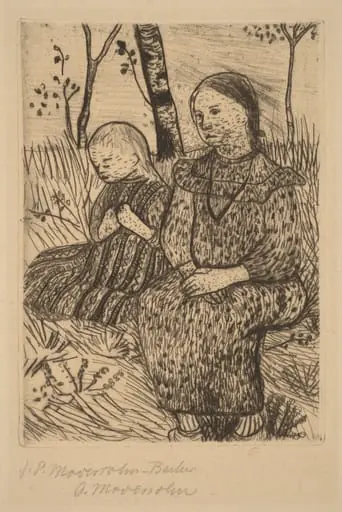
Modersohn-Becker’s drawings, including this portrait, helped redefine the role of the female artist in early modernism. Her unembellished depictions of women—often herself or those around her—challenged prevailing norms of femininity in art. Though underrecognized in her lifetime, her work later became foundational to the development of German Expressionism and feminist art history.
Artist & collection

Artist
Paula Modersohn-Becker (8 February 1876 – 20 November 1907) was a German Expressionist painter and draftswoman of the late 19th and early 20th centuries.