Artwork
Self-Portrait
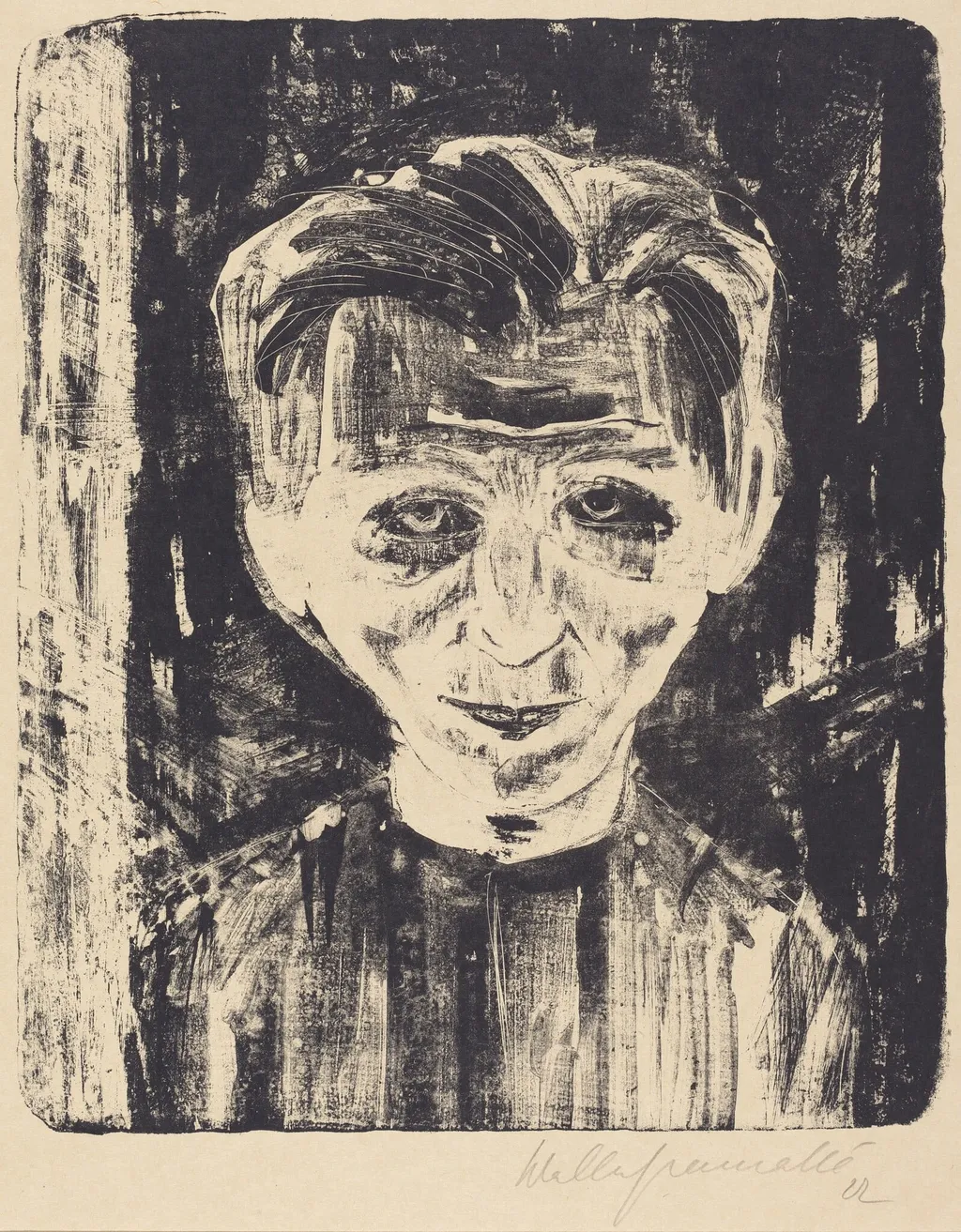
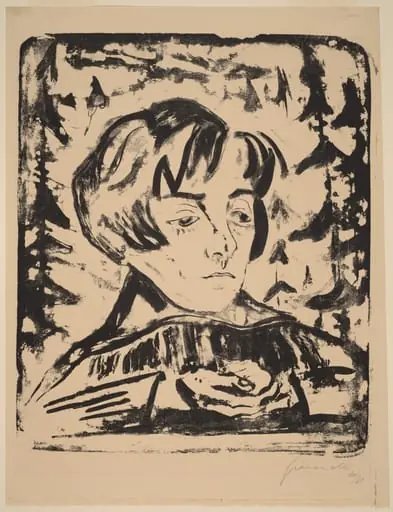
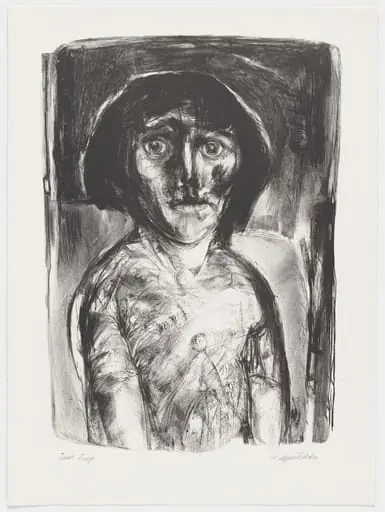
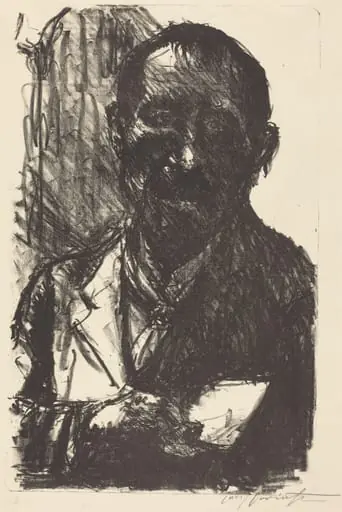
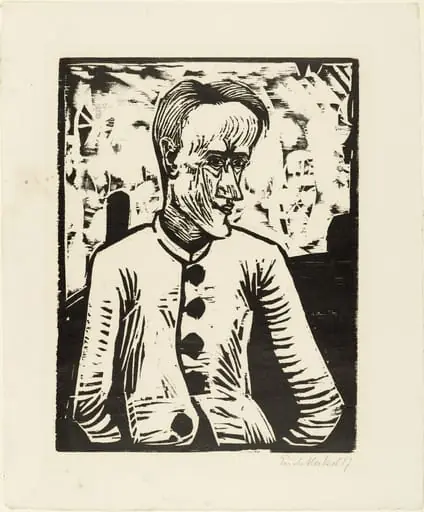
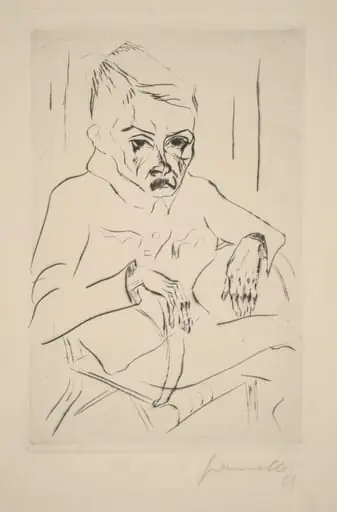
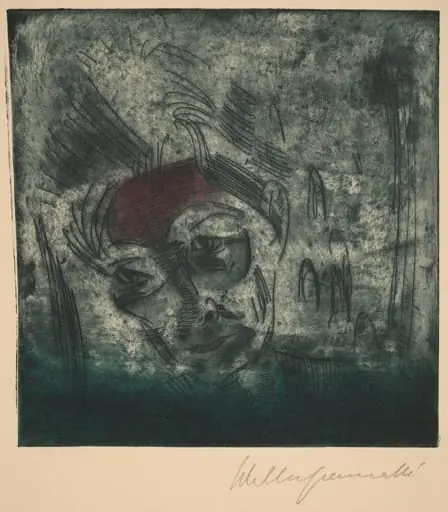
Self-Portrait is an ink print by Walter Gramatté. It dates from 1922 and is held in the collection of the National Gallery of Art.
About this work
Overview
Self-Portrait is a 1922 lithograph by Walter Gramatté, a German expressionist painter associated with magic realism. The monochrome print depicts the artist in profile, characterized by wavy, pulled-back hair and a calm yet serious expression, set against a textured, muted background.
Subject & Meaning
The subject is Gramatté himself, portrayed in a contemplative manner. The work may allude to the artist's introspective nature, potentially reflecting his experiences during wartime and personal health struggles, common themes in his mystical and emotionally charged oeuvre.
Technique & Style
Executed in lithography, the print features loose, scribble-like textures, particularly evident in the background and clothing. This technique allowed Gramatté to achieve expressive, spontaneous marks, consistent with expressionist principles. The image is rendered in black on cream wove paper.
History & Provenance
Created in 1922, during Gramatté's active period in cities like Berlin and Hamburg. The print bears the artist's signature, 'Walter Gramatté', in the corner. Specific provenance details are not provided.
Context
Emerging from the German Expressionist movement, this self-portrait aligns with the era's emphasis on emotional intensity and personal experience. Gramatté's magic realist tendencies are subtly present in the work's blend of realism and suggestive, textured backgrounds.
Legacy
As a representation of Gramatté's expressionist output, *Self-Portrait* contributes to the broader legacy of German Expressionism, though its individual impact within the artist's corpus or the movement at large is not specifically delineated.
Own this work as a print
Artist & collection

Artist
Walter Gramatté (8 January 1897 in Berlin – 9 February 1929 in Hamburg) was a German expressionist painter who specialized in magic realism.

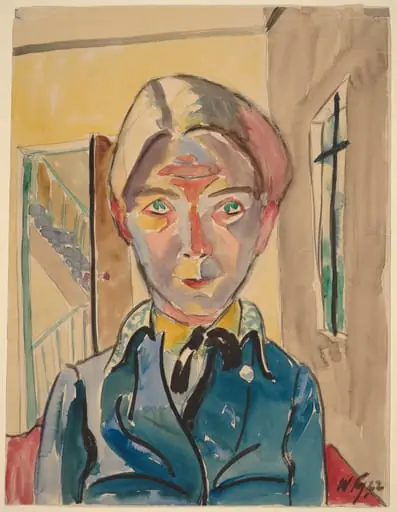 Self-Portrait in Front of Stairs (Selbst vor Treppe)
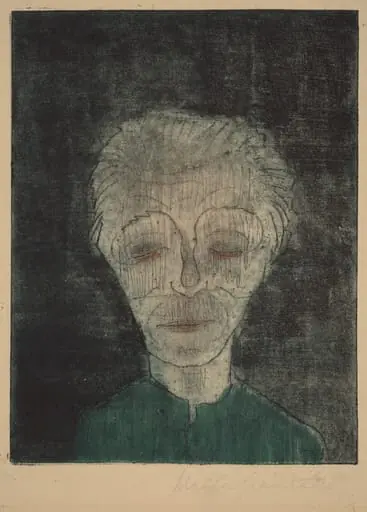 Tired Man (Self-Portrait)
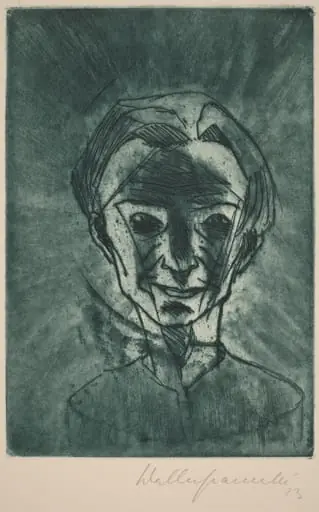 Smiling Head, Self-portrait (Lächelnder Kopf, Selbstporträt)
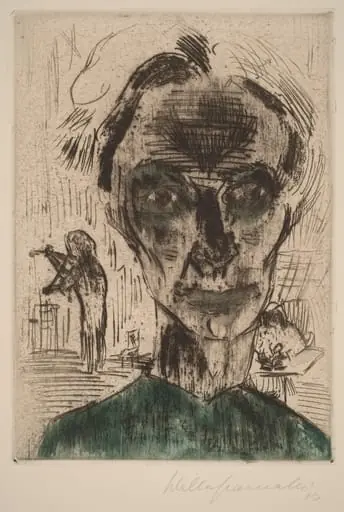 Man in a Room, Self-portrait
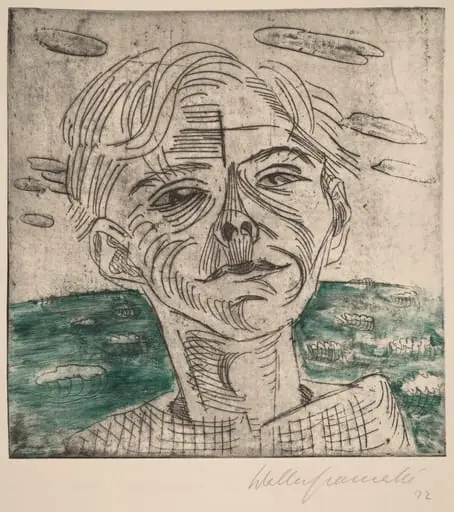 Man at the Sea, Self-portrait (Mann am Meer, Selbstporträt)
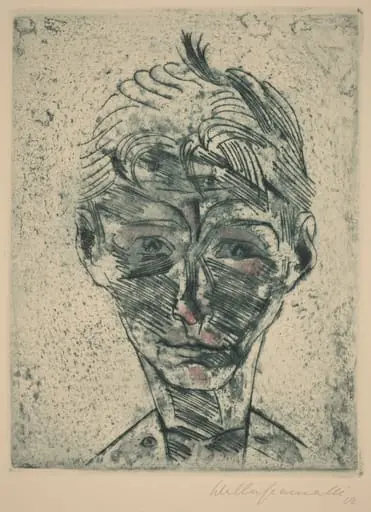 Bust of a Young Man, Self-portrait (Knabenkopf, Selbstporträt)
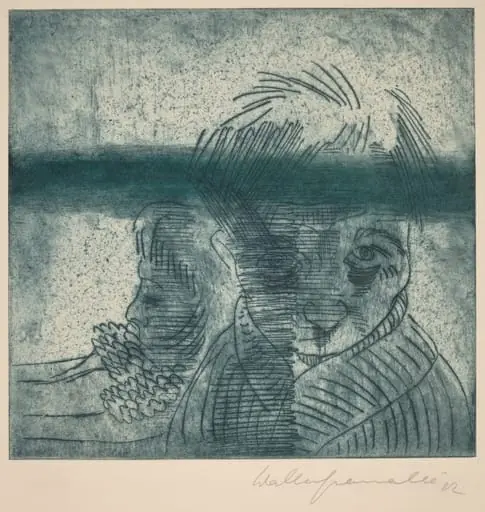 The Couple, Self-Portrait with Wife (Das Paar, Selbstporträt mit Frau)
 Bust of a Weary Man, Self-portrait (Ermüdender Kopf, Selbstporträt)