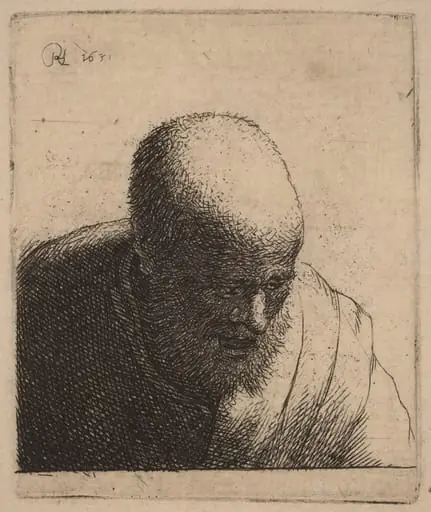
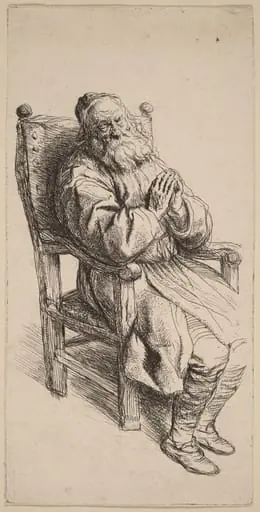
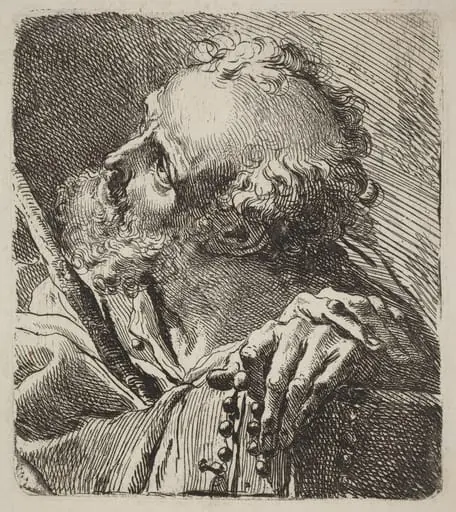
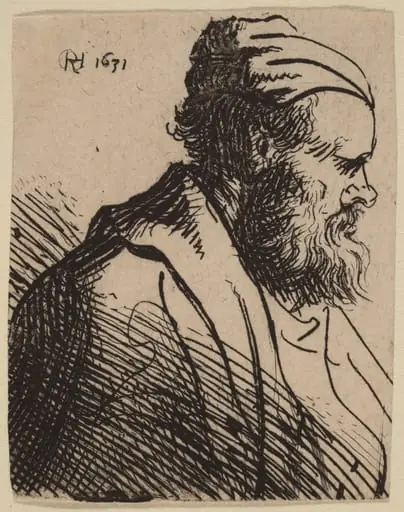
Artwork
Untitled
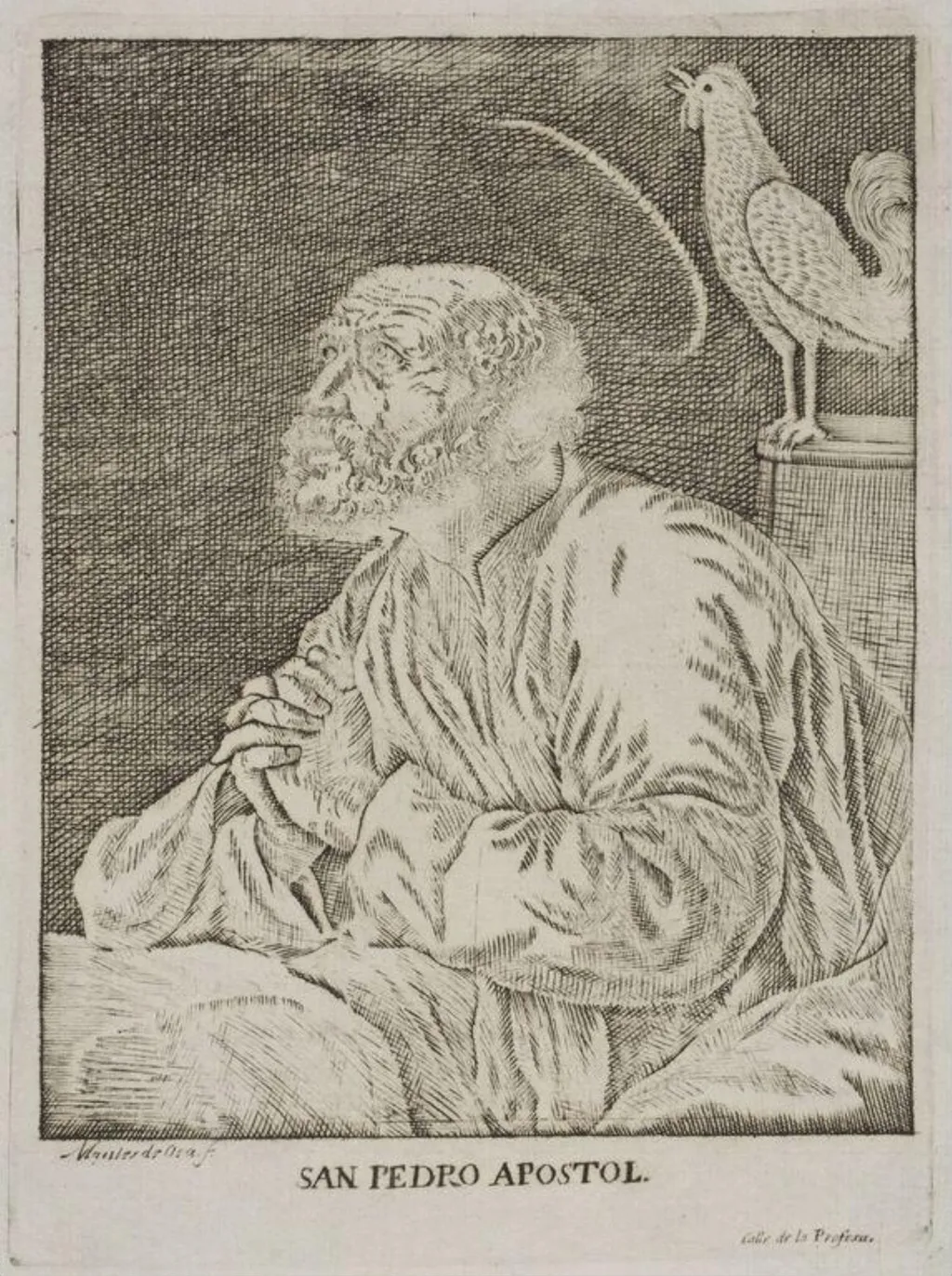
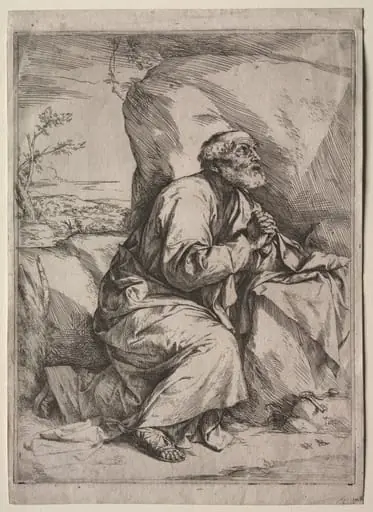
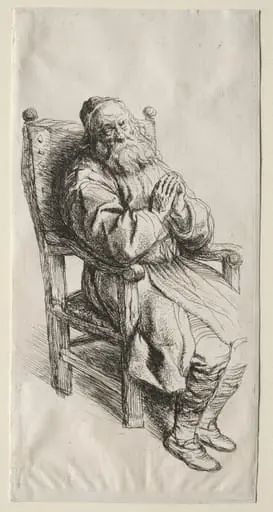
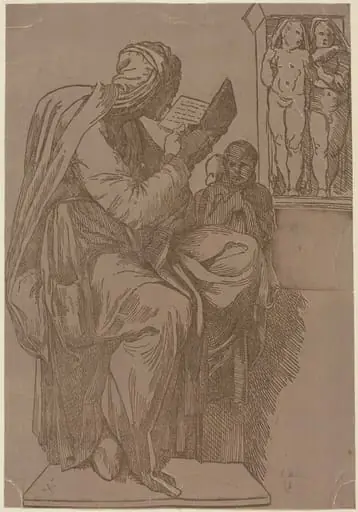
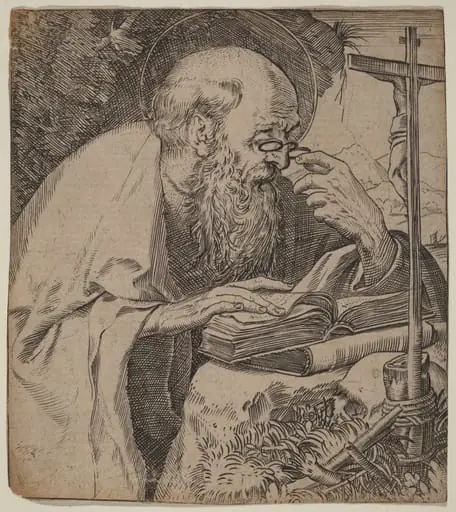
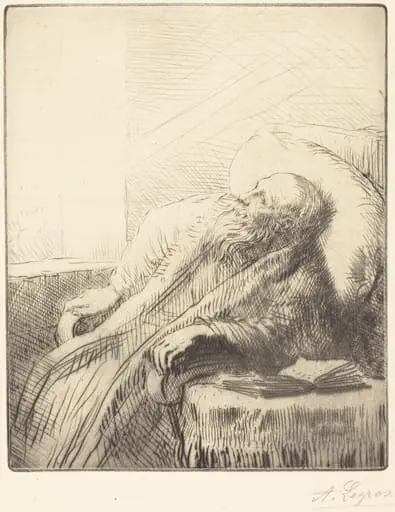
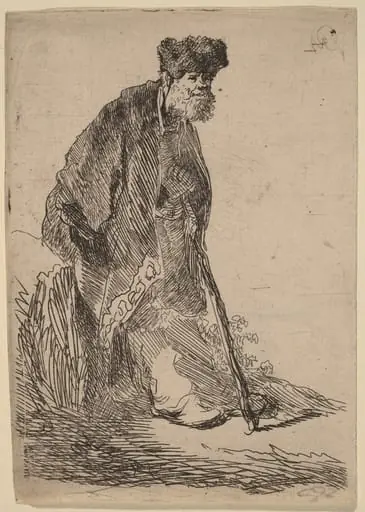
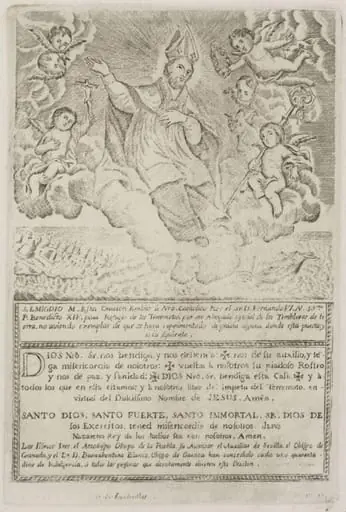
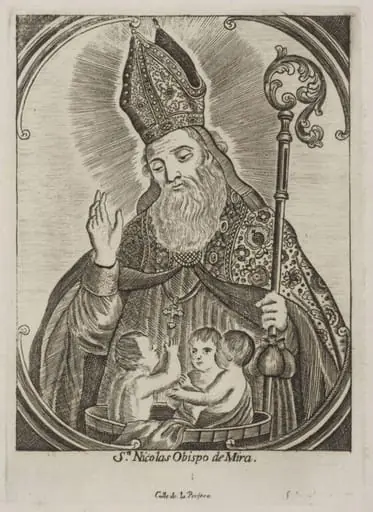
Untitled is a print by the Romanticist artist Jose Maria Montes de Oca. It dates from 1800 and is held in the collection of the Victoria and Albert Museum.
About this work
This is an old print by Jose Maria Montes de Oca, made between 1790 and 1810. It fits in the Romanticism movement, though it’s a quiet example.
The Victoria and Albert Museum bought it in 1922 with 150 other prints. Most are now traced to Mexico City workshops. Printmakers often copied each other’s work to keep sales going.
If you like this, look up Romanticism next.
Overview
This print was acquired by the Victoria and Albert Museum in 1922 as part of a group of 151 works originally presumed to be of Spanish or Mexican origin.
This print was acquired by the Victoria and Albert Museum in 1922 as part of a group of 151 works originally presumed to be of Spanish or Mexican origin. Recent scholarship has reattributed 92 of these to Mexican printmakers active in Mexico City between the mid- and late-eighteenth century. The group reflects a dynamic, interdependent print trade where designs were frequently reused, republished, and transferred between workshops, often without clear authorship.
Subject & Meaning
The subject of this print is not explicitly documented, but its style aligns with the quiet, decorative sensibilities of late colonial Mexican printmaking. Rather than conveying dramatic narrative, it likely served as a visual commodity—used for domestic decoration, religious devotion, or educational purposes. Its subdued tone reflects the broader cultural preference for restrained imagery in print production during this period.
Technique & Style
Executed in copperplate engraving, the work demonstrates the technical precision characteristic of Mexico City’s print workshops. Lines are fine and controlled, typical of artisans trained at the Academy of San Carlos. The style avoids overt emotional intensity, instead favoring clarity and repetition—hallmarks of a commercial print culture where efficiency and recognizability outweigh individual expression.
History & Provenance
The print is attributed to José María Montes de Oca, active in Mexico City from around 1790 to 1810. His workshop, located on Calle del Bautisterio, operated after his training in medal engraving at the Mexican Mint and under Jerónimo Antonio Gil at the Academy of San Carlos. His transition to copperplate engraving reflects a broader shift among artisans adapting to market demands for affordable, reproducible imagery.
Context
In late 18th-century Mexico City, printmakers frequently inherited or purchased the matrices of defunct workshops, continuing to distribute designs under new names. Workshop addresses—like Montes de Oca’s on Calle del Bautisterio or Ignacio García de las Prietas’s on Calle de la Profesa—served as de facto signatures, guiding repeat customers. This system supported a thriving, decentralized print economy with fluid authorship and shared visual vocabularies.
Legacy
The reattribution of this print and its companions has reshaped understanding of colonial Mexican print culture, revealing a sophisticated, commercially driven network rather than a peripheral offshoot of European traditions. These works now stand as evidence of local innovation in image production, where adaptation, reuse, and anonymity were not signs of decline but strategies of sustainability in a competitive artisanal market.
Artist & collection
Artist
Jose María Montes de Oca’s work sits in the late colonial print tradition, where artists used engravings to capture city views and customs.