Artwork
Untitled
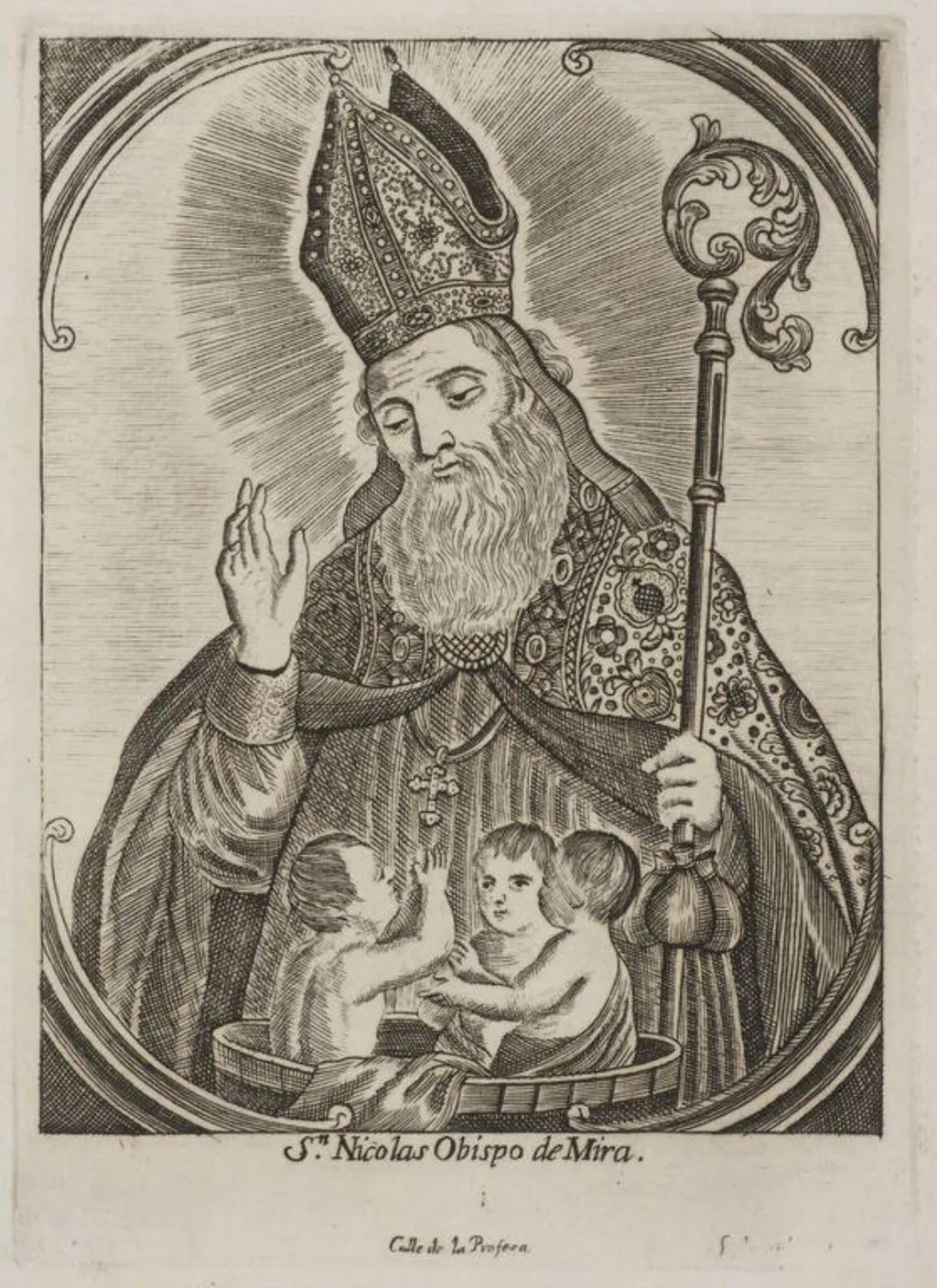
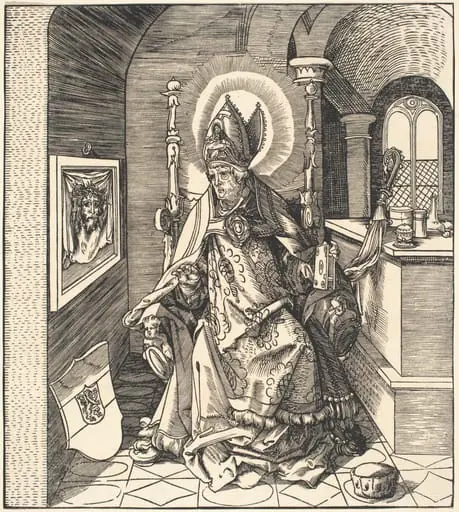
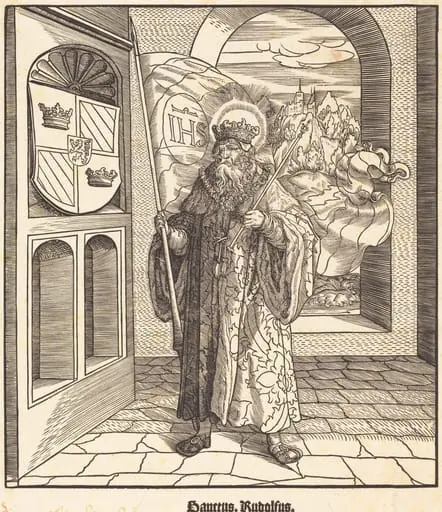
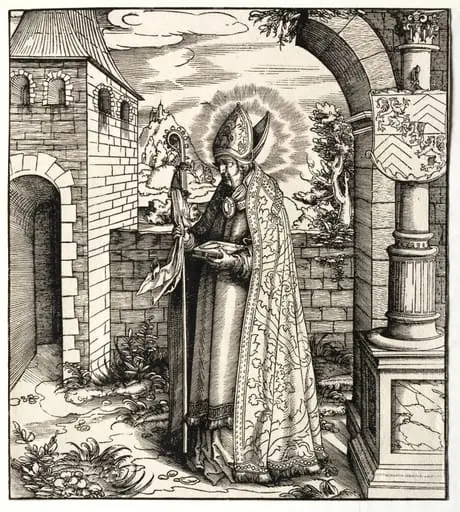
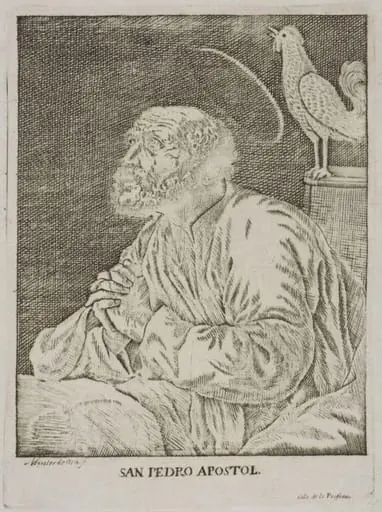
Untitled is a print by the Romanticist artist Ignacio Garcia de las Prietas. It dates from 1798 and is held in the collection of the Victoria and Albert Museum.
About this work
The set shows how shops bought plates from closing workshops and kept selling the same pictures under new names.
A print by Ignacio Garcia de las Prietas sits in the Victoria and Albert Museum.
Made between 1786 and 1810, it’s part of a batch of 151 prints mostly traced to Mexico City.
The set shows how shops bought plates from closing workshops and kept selling the same pictures under new names.
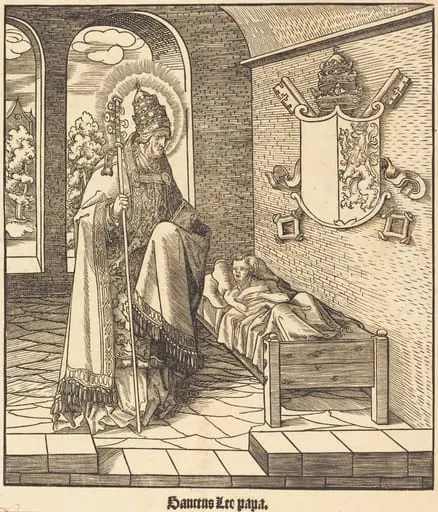
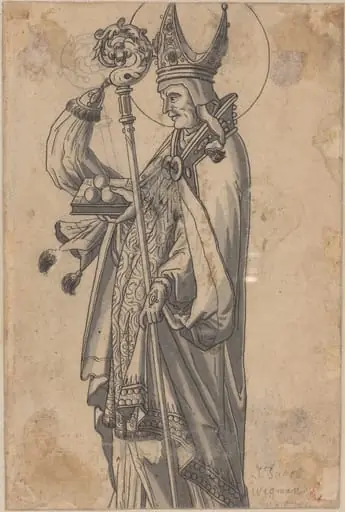
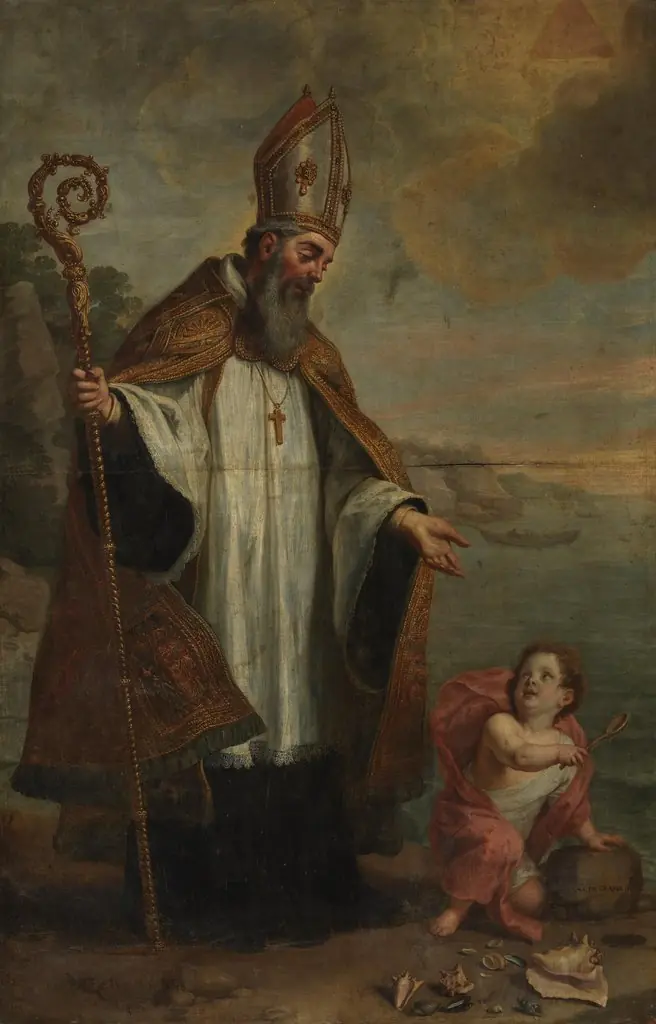
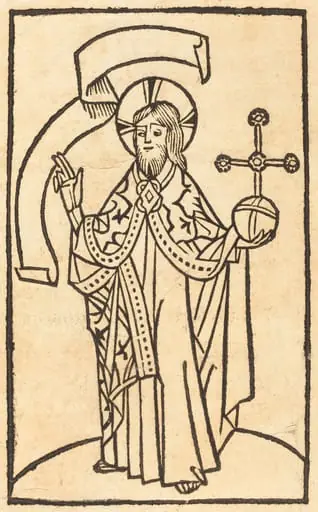
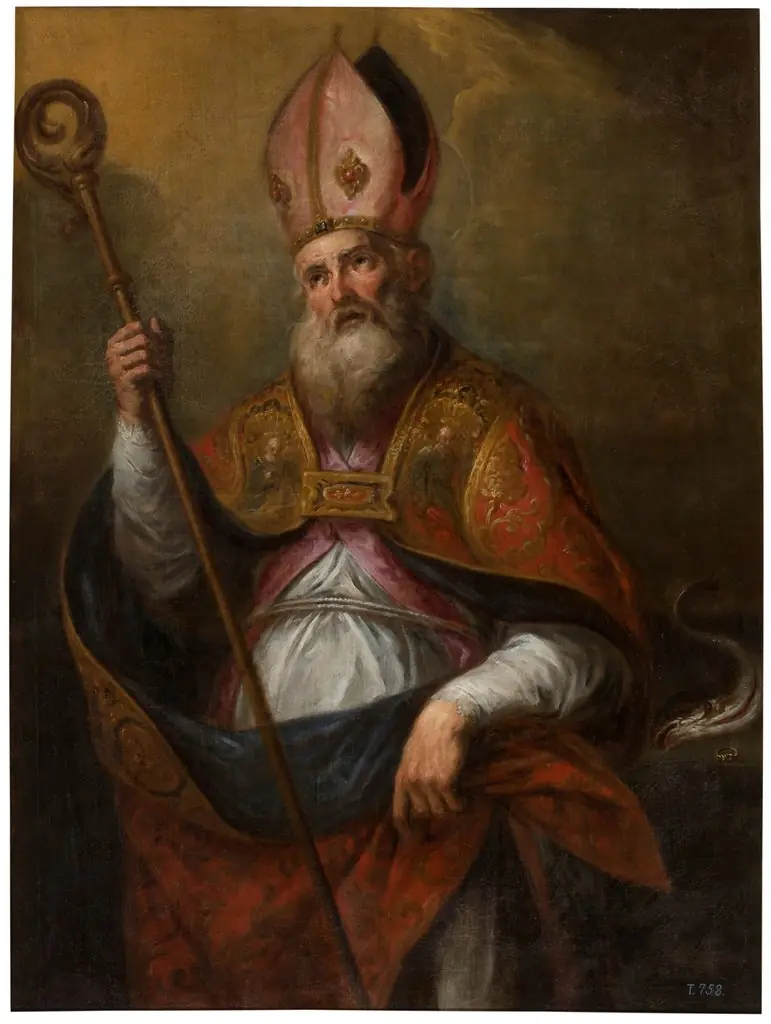
This one’s a religious scene, common in the period.
The museum calls it “untitled,” so we don’t know which saint or story it shows.
Still, it’s a snapshot of how prints traveled and changed hands in late-1700s Mexico.
Look up the Victoria and Albert Museum.
Overview
This print, accessioned in 1922 as part of a group of 151 works believed to originate from Spanish or Mexican sources, has been reevaluated through recent scholarship. It is now understood to be one of many produced in Mexico City during the mid- to late-18th century. The group reflects a widespread practice of reusing and redistributing engraved matrices across workshops, often after business closures or transfers of ownership.
Subject & Meaning
The image depicts a religious scene, typical of devotional prints circulating in colonial Mexico. While its specific narrative or saint remains unidentified, its iconography aligns with popular Catholic imagery used for private worship and public instruction. The lack of a title reflects the common practice of reproducing established visual formulas rather than commissioning original compositions.
Technique & Style
Executed as a line engraving, the print demonstrates the technical precision characteristic of Mexican print workshops of the period. The composition is tightly structured, with clear contours and minimal tonal variation, suited for mass reproduction. Stylistic elements suggest adaptation from earlier Spanish models, modified through local conventions and the constraints of repeated use on worn matrices.
History & Provenance
The print was likely produced by Ignacio García de las Prietas, active between 1769 and 1819, who operated a workshop on Calle de la Profesa. He acquired printing matrices from earlier workshops, including those of Francisco Sylverio, whose press was sold in 1763 and remained in use until 1789. This transfer of materials exemplifies the fluid movement of tools and designs between printmakers in colonial Mexico City.
Context
In 18th-century Mexico City, printmaking was a commercial enterprise driven by demand for religious imagery. Workshops frequently reused, repurposed, or purchased engraved plates from defunct competitors. Ownership was often marked not by artist signatures but by workshop addresses, which served as commercial identifiers. This system allowed designs to persist for decades under multiple names.
Legacy
The survival of this print, now held in the Victoria and Albert Museum, underscores the transitory nature of authorship in colonial print culture. Rather than individual genius, its value lies in its role as evidence of an interconnected network of artisans, merchants, and patrons who sustained visual traditions through material reuse. It reveals how artistic production functioned as a shared, evolving enterprise.
Artist & collection