Artwork
Prometheus
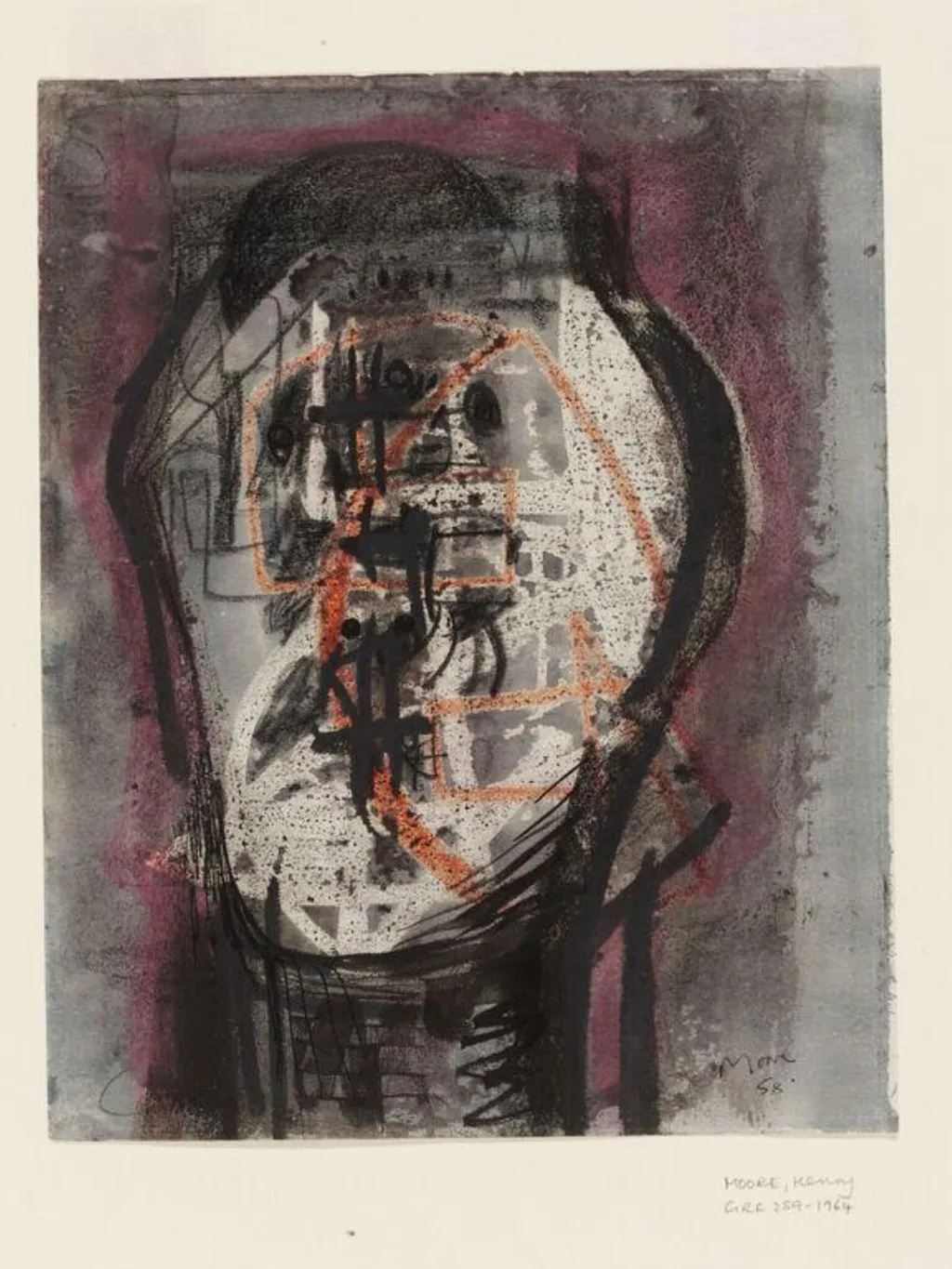
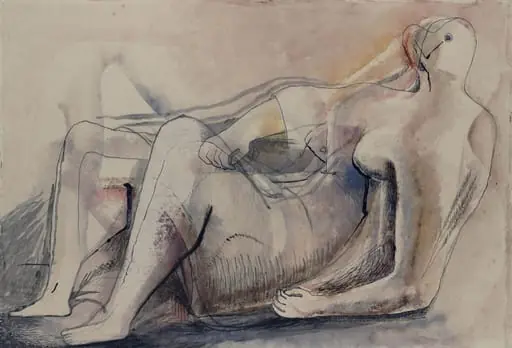
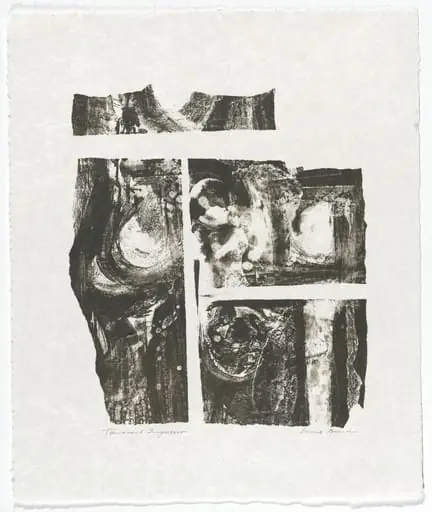
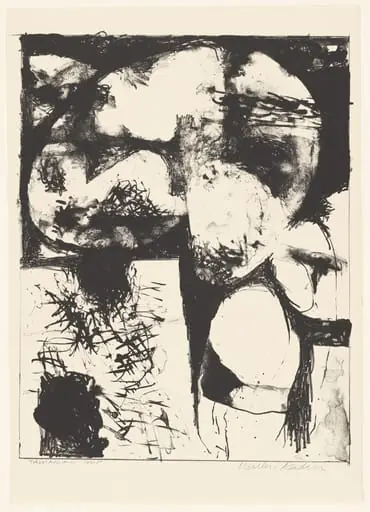
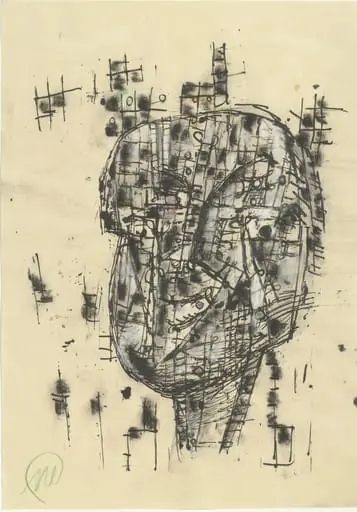
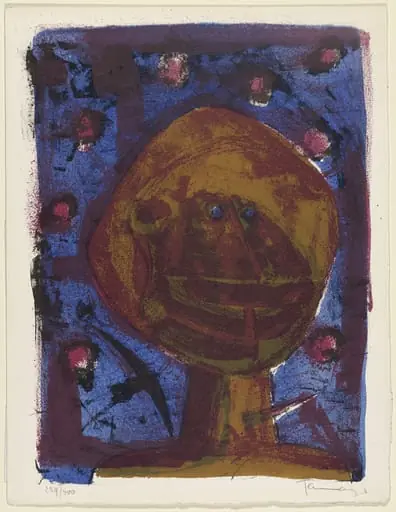
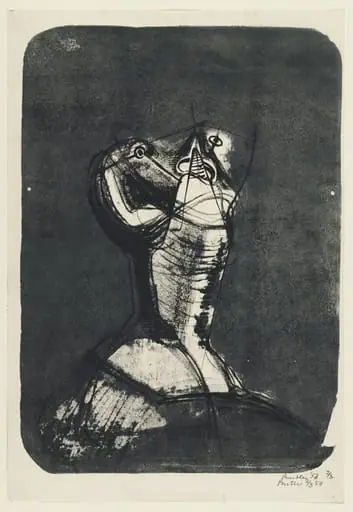
Prometheus is a drawing by Henry Spencer Moore. It dates from 1958 and is held in the collection of the Victoria and Albert Museum.
About this work
Overview
Executed in pencil and charcoal, it presents a solitary, hunched figure rendered with urgent, gestural marks.
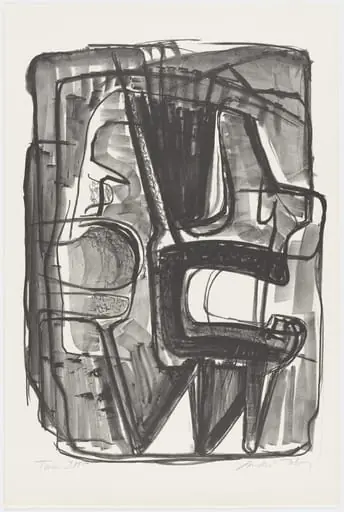
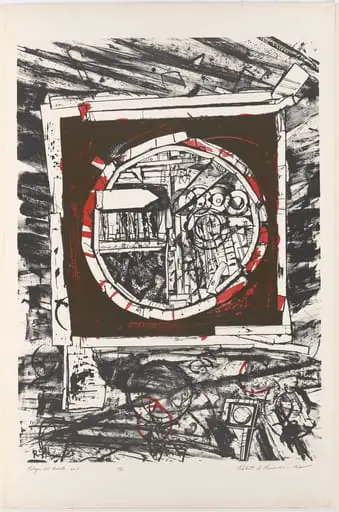
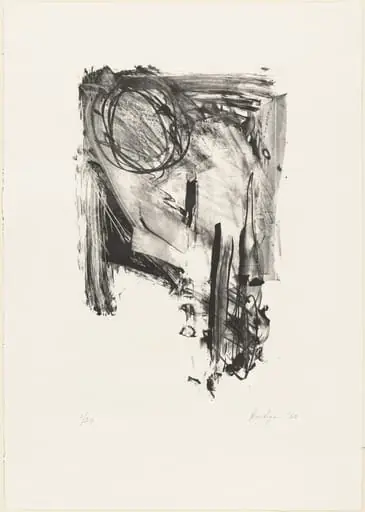
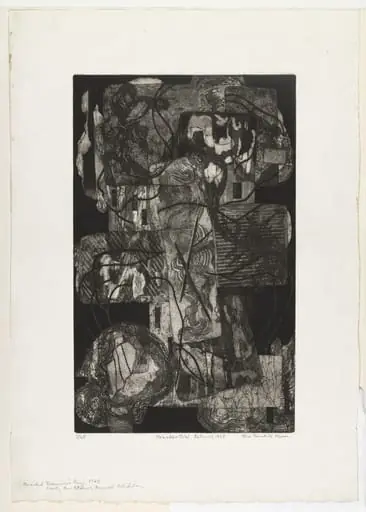
Created in 1958, this drawing by Henry Spencer Moore is part of the Victoria and Albert Museum’s collection. Executed in pencil and charcoal, it presents a solitary, hunched figure rendered with urgent, gestural marks. The work lacks polished finish, instead embracing a tactile, almost violent energy in its application. Its raw appearance suggests a focus on emotional weight over formal refinement.
Subject & Meaning
The figure evokes Prometheus, the mythological Titan punished for stealing fire from the gods. Moore’s interpretation emphasizes suffering and confinement rather than heroism. The obscured face and tightly wrapped arms convey internalized torment, while the chaotic background suggests an environment of ruin or elemental force. The subject is rendered not as a classical hero but as a burdened, almost primal presence.
Technique & Style
Moore employed rapid, uneven strokes and dense charcoal smudging to construct the figure’s form. Cross-hatching and layered shading create depth without clarity, blurring boundaries between body and space. The edges are aggressively scraped, and the palette—dominated by black, gray, and streaks of red—enhances the sense of unrest. The technique prioritizes emotional resonance over anatomical precision.
History & Provenance
The drawing was produced during a period when Moore was deeply engaged with mythological themes and the human condition in postwar Europe. It entered the Victoria and Albert Museum’s collection shortly after its creation, likely through direct acquisition or donation. Its preservation reflects institutional recognition of Moore’s graphic work as integral to his broader artistic practice.
Context
In the late 1950s, Moore increasingly explored mythic narratives through drawing, often responding to the psychological aftermath of war. This piece aligns with his interest in the body as a vessel for suffering and endurance. The abstracted, non-naturalistic style reflects broader mid-century trends favoring expressive gesture over classical representation, particularly in British art of the era.
Legacy
Though less known than Moore’s sculptures, this drawing exemplifies his mastery of line and texture in two dimensions. It influenced later artists exploring emotional intensity through gestural drawing and contributed to the reevaluation of print and drawing as serious mediums within modern sculpture practice. Its rawness continues to inform discussions on the expressive potential of unfinished form.
Artist & collection
Artist
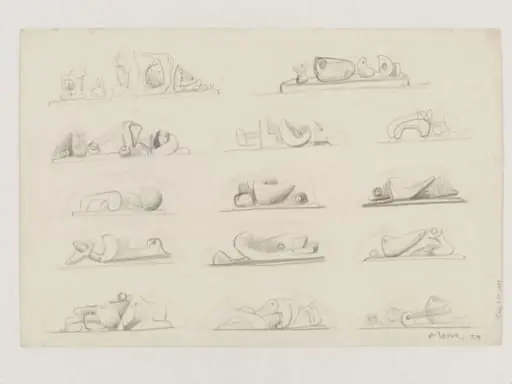
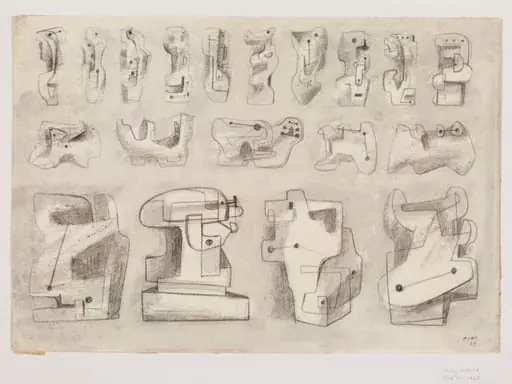
Henry Spencer Moore filled sketchbooks with long, flowing lines and blocky volumes to plan his sculptures.