Artwork
Tower at Tower Falls, Yellowstone
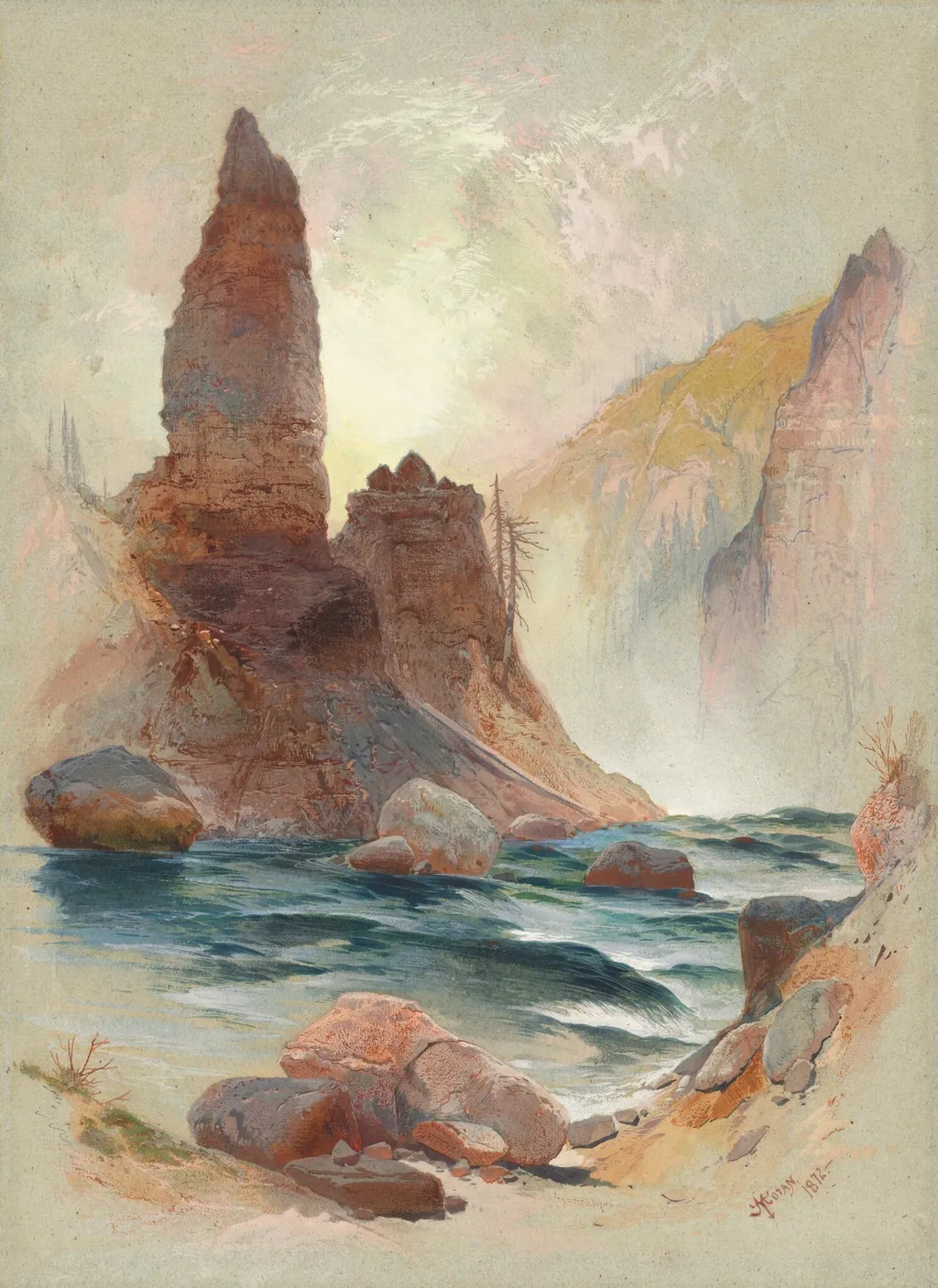
Tower at Tower Falls, Yellowstone is a gouache drawing by the Impressionist artist Thomas Moran. It dates from 1872 and is held in the collection of the National Gallery of Art.
About this work
Overview
The work exemplifies his engagement with the American West, a region he frequently depicted following his affiliation with the Hudson River School.
Thomas Moran executed *Tower at Tower Falls, Yellowstone* in 1872, employing watercolor and gouache layered over graphite on blue laid paper. The work exemplifies his engagement with the American West, a region he frequently depicted following his affiliation with the Hudson River School. Moran’s training as an illustrator and printmaker informed his approach, allowing him to balance precision with expressive color.
Subject & Meaning
The drawing centers on Tower Falls, a prominent geological formation within Yellowstone’s rugged terrain. Moran’s composition juxtaposes the vertical thrust of the rock tower against the horizontal flow of the waterfall, creating a dynamic yet harmonious natural scene. The muted foreground tones contrast with warmer hues in the background, emphasizing the interplay of light and atmosphere in the landscape.
Technique & Style
Moran’s use of watercolor and gouache on blue paper demonstrates his technical versatility. The translucent washes of watercolor capture the fluidity of the falls, while opaque gouache highlights textural details in the rock formations. His layered application of pigment enhances depth, reinforcing the illusion of spatial recession. The blue paper ground unifies the composition, lending the scene an underlying tonal coherence.
History & Provenance
Created during Moran’s early exploration of Yellowstone, the work reflects his role in documenting the region’s landscapes for eastern audiences. As a frequent contributor to *Scribner’s Monthly*, he helped popularize western scenery through published illustrations. The drawing’s provenance remains tied to Moran’s broader oeuvre, which circulated among private collectors and institutions following his rise to prominence.
Context
Moran’s depiction of Yellowstone coincided with the area’s designation as the first U.S. national park in 1872. His work contributed to the public’s perception of the West as a sublime, untamed wilderness. As a member of the Hayden Geological Survey, Moran’s sketches and paintings provided visual evidence of the region’s geological features, aiding its preservation and public appreciation.
Legacy
The drawing underscores Moran’s influence in shaping 19th-century American landscape art. His ability to merge scientific observation with aesthetic interpretation set a precedent for later artists documenting western expansion. *Tower at Tower Falls* remains a testament to his skill in capturing the grandeur of natural landscapes, reinforcing his place within the tradition of American Romanticism.
Own this work as a print
Artist & collection
Artist
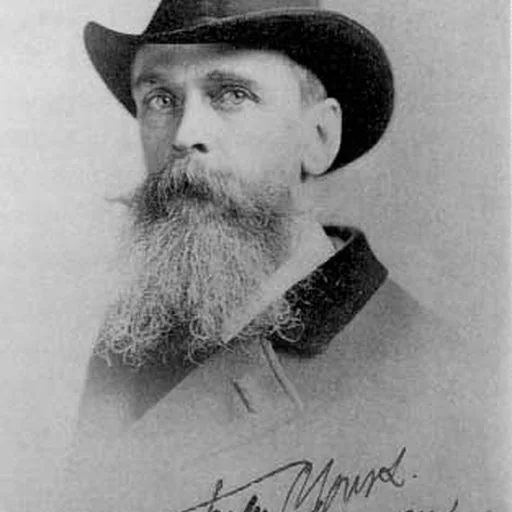
Thomas Moran (February 12, 1837 – August 25, 1926) was an American painter and printmaker of the Hudson River School in New York whose work often featured the Rocky Mountains.

 A Scottish waterfall
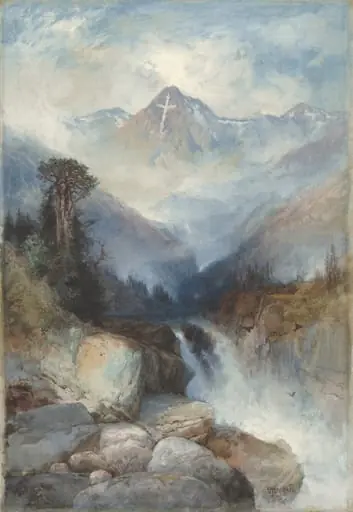 Mountain of the Holy Cross
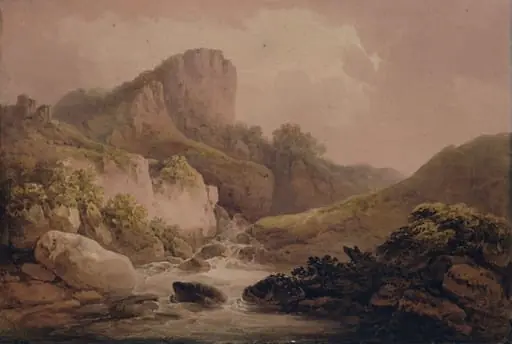 Hawes Water, Westmoreland
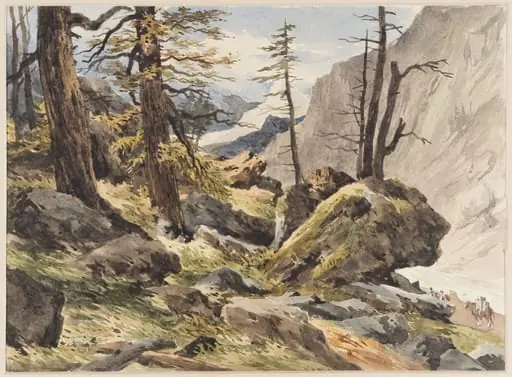 Road leading to Zermatt, Switzerland
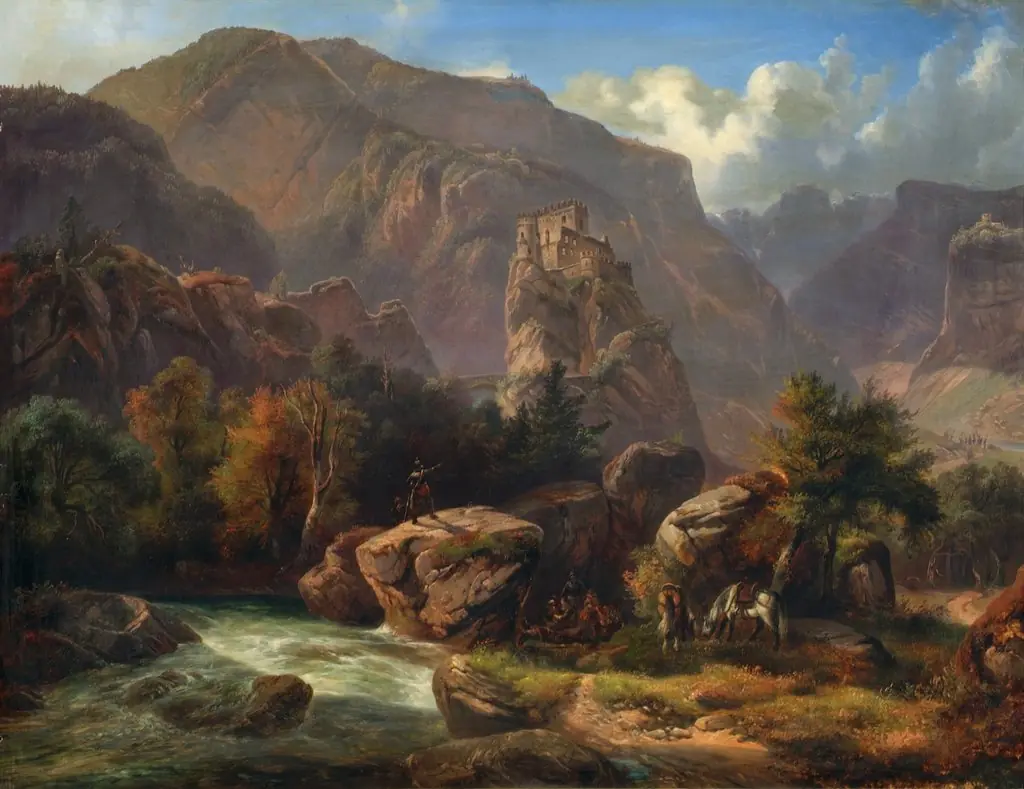 Schloss Salurn in Südtirol
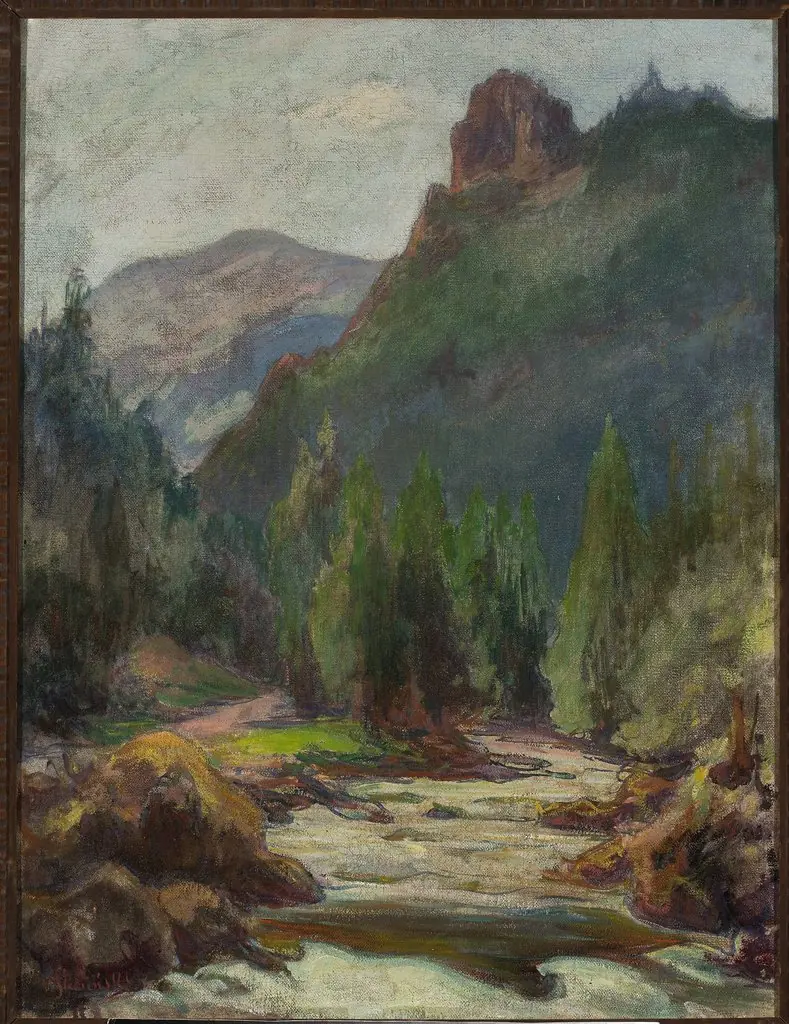 Mountain landscape
 Norjalainen tunturimaisema
 Vorderer Gosausee against Dachstein
 A Stream through a Dense Forest
 Bed of a mountain torrent, North Wales
 Alpine Castle above a Wooded Lake
 The Ravine