Artwork
Sappho
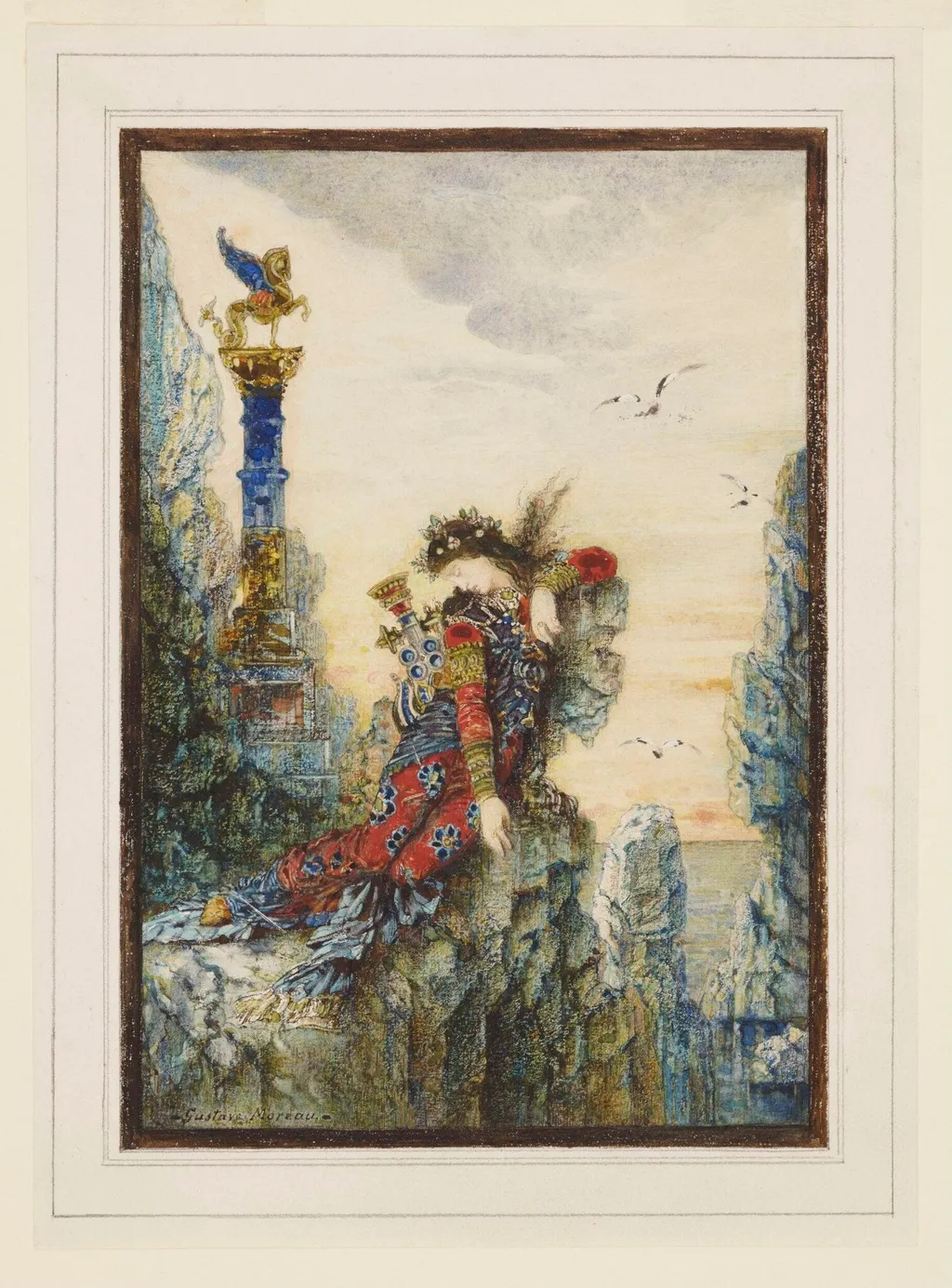
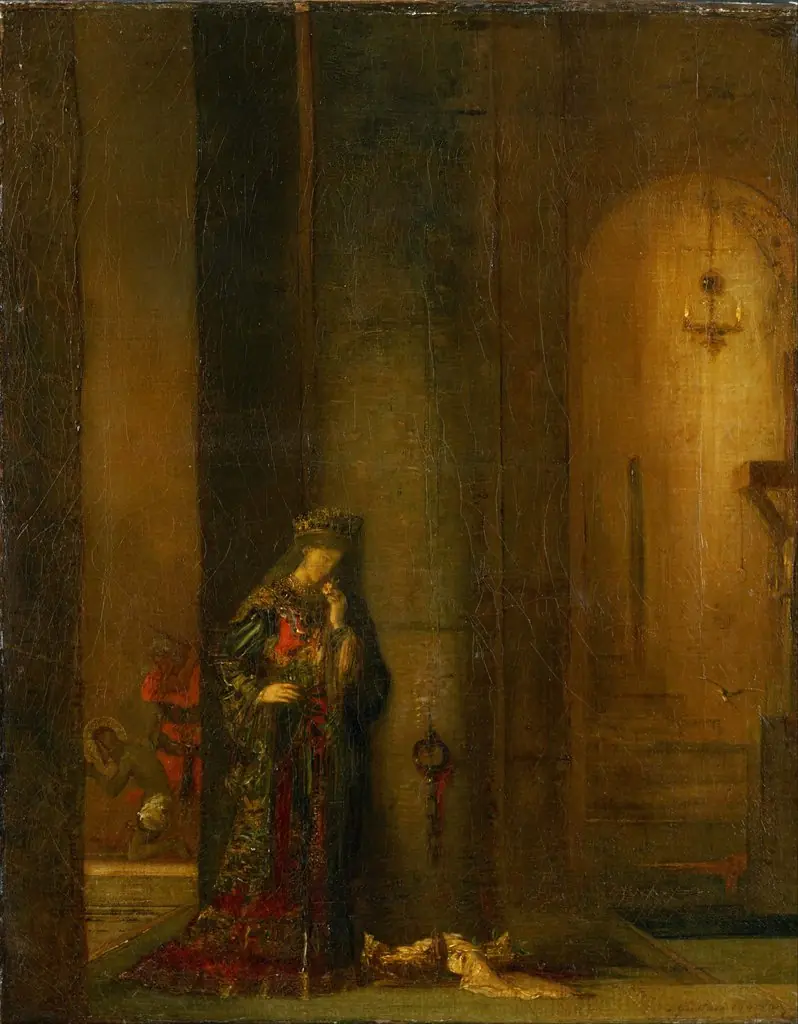
Sappho is a watercolor work on paper by the Impressionist artist Gustave Moreau. It dates from 1872 and is held in the collection of the Victoria and Albert Museum.
About this work
Overview
Executed in delicate washes, it captures a moment of solitary grief on a coastal cliff, emphasizing emotional atmosphere over narrative detail.
This watercolour is the first of three panels by Gustave Moreau depicting episodes from the life of Sappho, the ancient Greek lyric poet. Executed in delicate washes, it captures a moment of solitary grief on a coastal cliff, emphasizing emotional atmosphere over narrative detail. Moreau’s choice of watercolour reflects his interest in intimate, lyrical expression, distinct from his more elaborate oil paintings.
Subject & Meaning
The scene portrays Sappho at the moment of despair following the rejection by Phaon, a figure from myth. Her posture and gaze toward the sea convey isolation and unresolvable longing. The lyre, carried but unplayed, symbolizes the silence of her art in the face of personal loss. Moreau treats the myth not as drama but as an inner state, aligning with his broader fascination with psychological depth in classical subjects.
Technique & Style
Moreau employs translucent watercolour layers to suggest misty air and the vastness of the sea, creating a hazy, dreamlike horizon. Subtle tonal shifts define the figure’s form without sharp contours, avoiding dramatic chiaroscuro in favor of atmospheric softness. The restrained palette—cool blues, pale greys, and muted earth tones—enhances the melancholy mood, characteristic of his early Symbolist leanings.
History & Provenance
Painted in the 1860s, this work belongs to a small series of watercolours Moreau developed during a period of personal and artistic reorientation. It was likely intended as a study or private exploration rather than a public commission. The series remained in the artist’s possession until his death, later entering institutional collections through his bequest to the Musée Gustave Moreau in Paris.
Context
Moreau’s interest in Sappho emerged amid a broader 19th-century revival of classical themes, but he diverged from academic treatments by focusing on emotional ambiguity rather than heroic or tragic spectacle. His engagement with literary sources—particularly Ovid and later French poets—allowed him to explore myth as a vehicle for introspection, positioning him between Romanticism and the emerging Symbolist movement.
Legacy
Though less known than his monumental oils, this watercolour exemplifies Moreau’s quiet innovation in narrative form. Its emphasis on psychological resonance over spectacle influenced later Symbolist artists who sought to externalize inner states through myth. The work remains a key example of how classical subjects could be reimagined as vehicles for personal and poetic expression in late 19th-century French art.
Artist & collection

Artist
Gustave Moreau was a French artist and an important figure in the Symbolist movement.

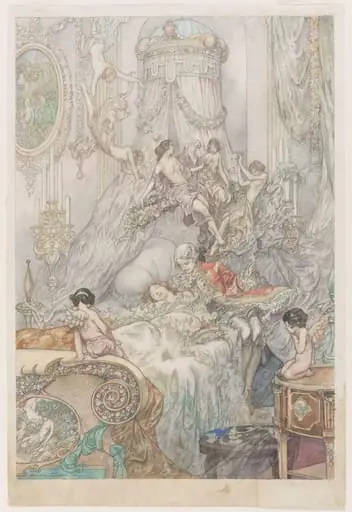 Beau leaning over a girl in bed with attendant nymphs
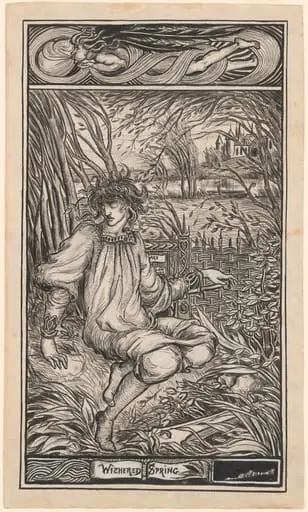 Withered Spring
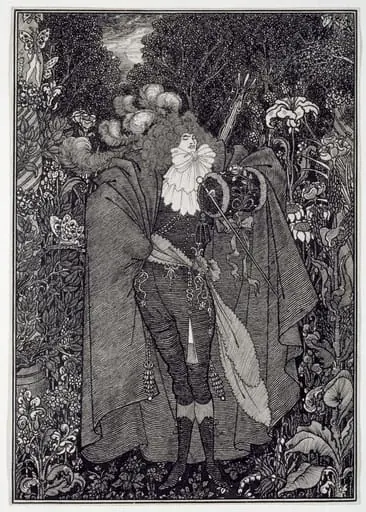 The Abbé
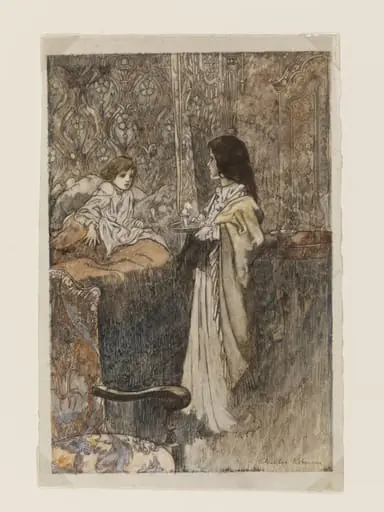 ‘Who are you?’ he said at last. ‘Are you a ghost?’
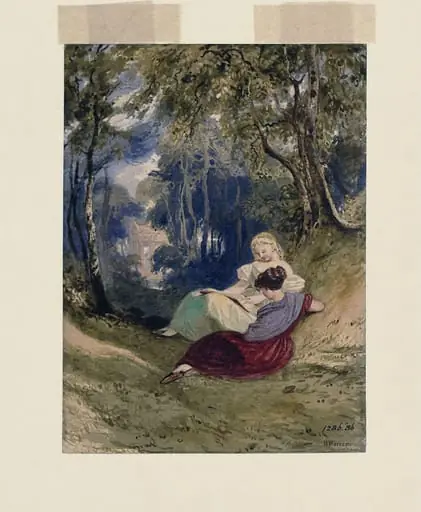 The Sisters
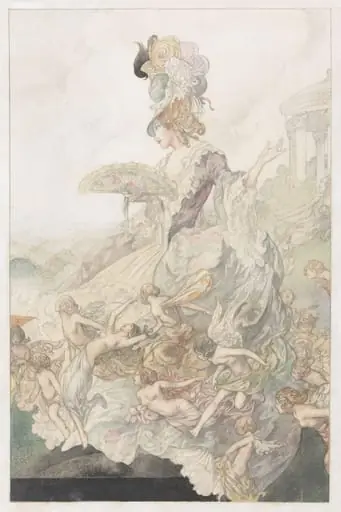 Lady with Fan, with attendant nymphs
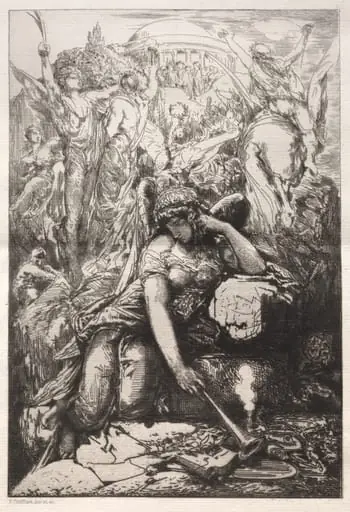 Melancholy
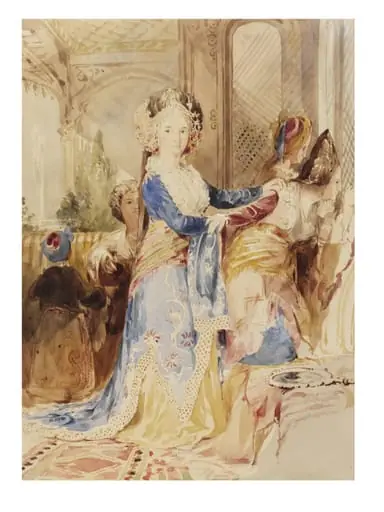 The Favourite Odalisque
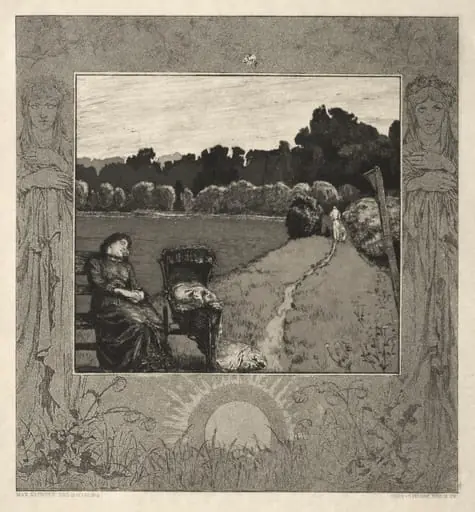 Child, from On Death, Part I, Opus XI (Kind, Vom Tode, Erster Teil, Opus XI)
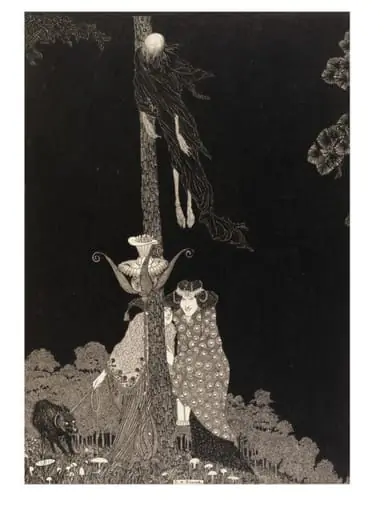 The Felon Flower
![The Goddess Discord [La Discord], by Félix Bracquemond](https://artifactworldgallery.com/img/felix-bracquemond--the-goddess-discord-la-discord--fe619c84d477117f-w320.webp) The Goddess Discord [La Discord]
The Goddess Discord [La Discord]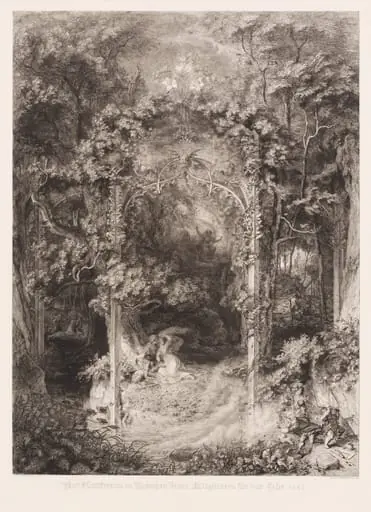 Das Waldfräulein (The Lady of the Forest)