Artwork
Dejanira (Autumn)
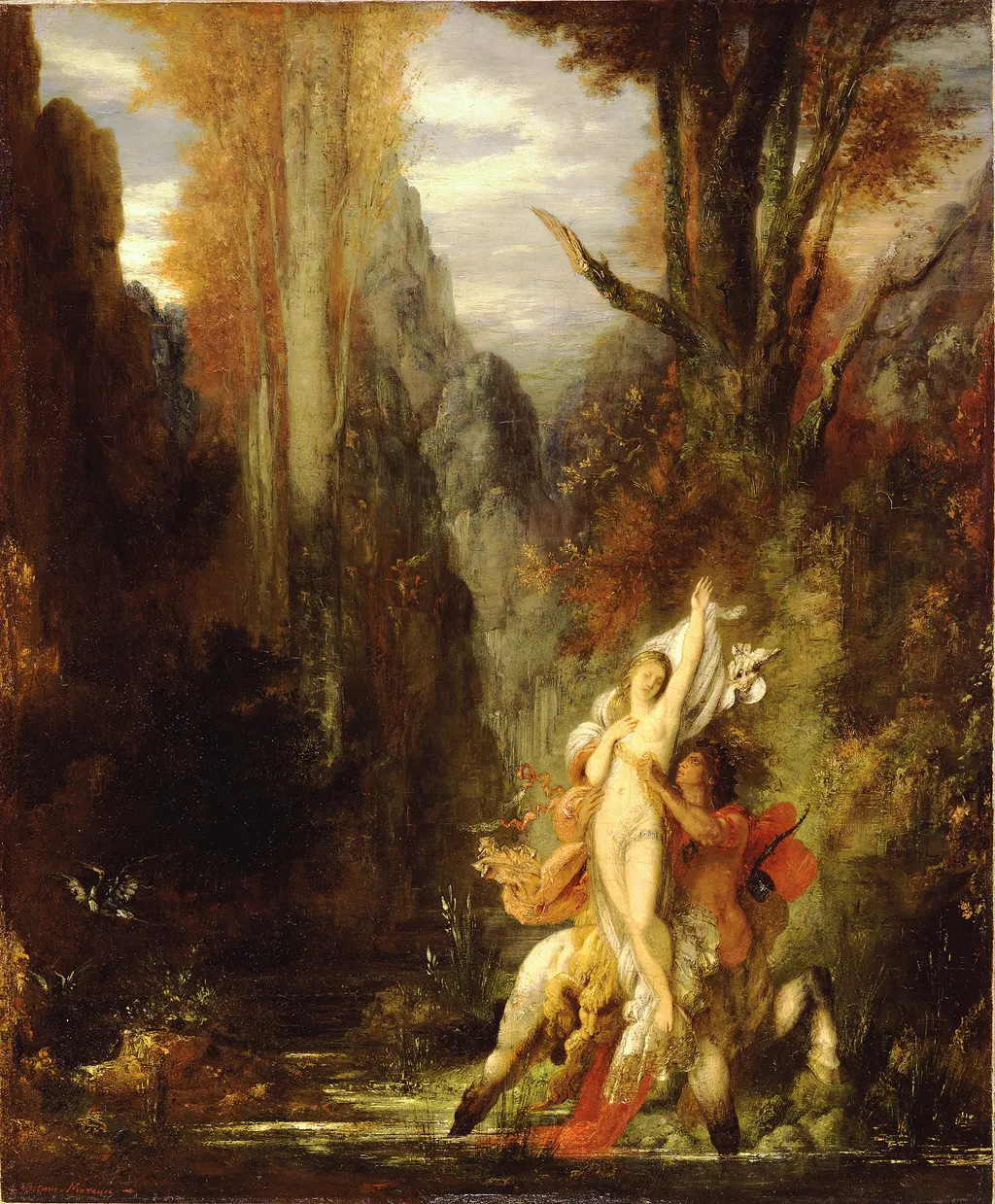
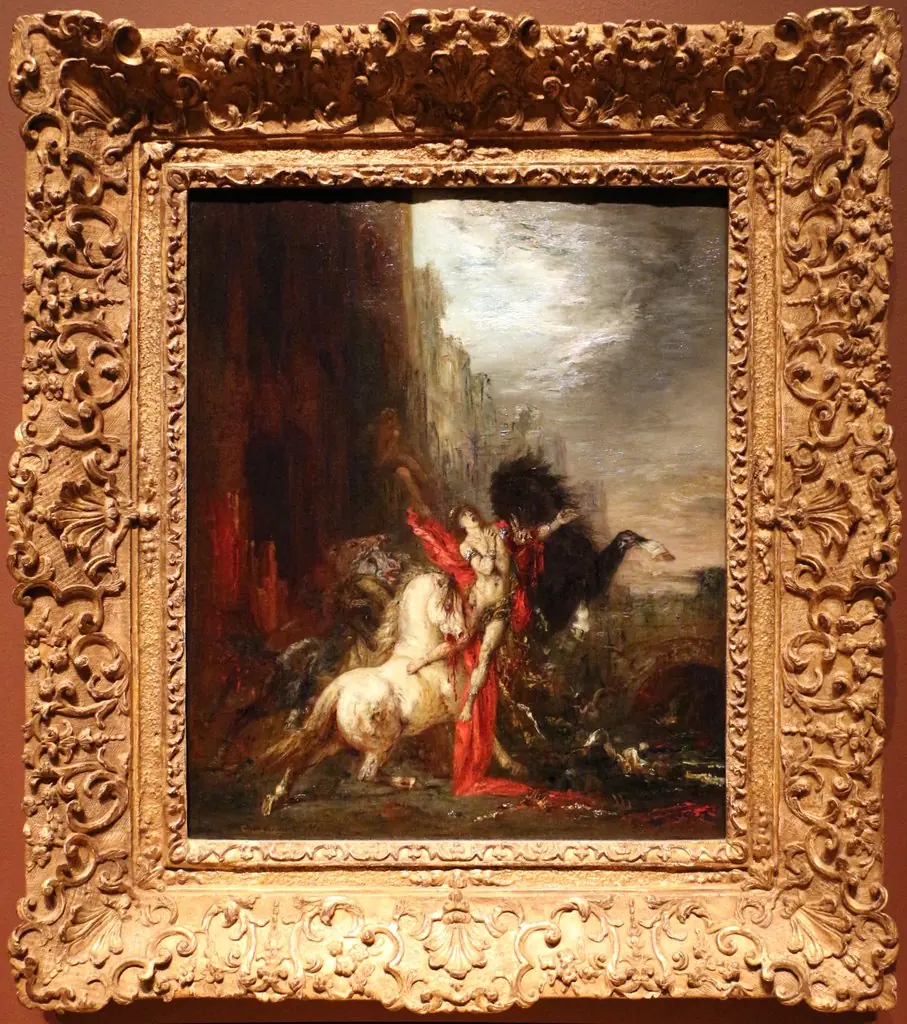
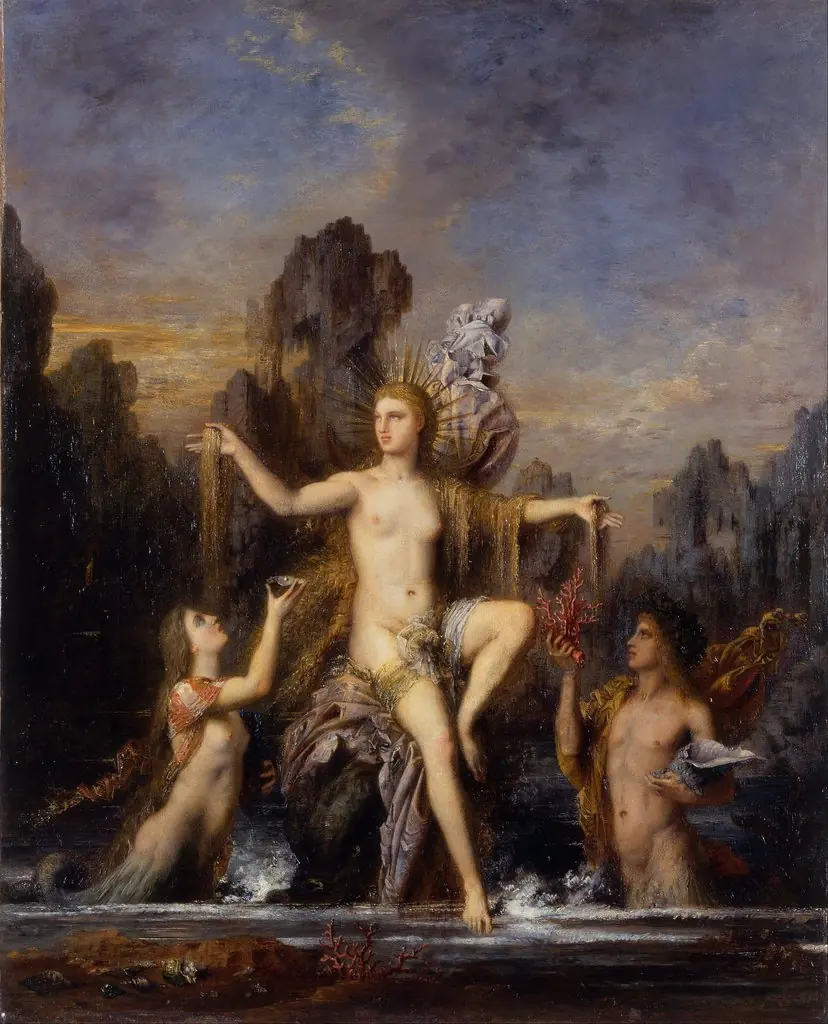
Dejanira (Autumn) is an oil painting by the Symbolist artist Gustave Moreau. It dates from 1872 and is held in the collection of the J. Paul Getty Museum.
About this work
Overview
Dejanira (Autumn) is a painting by Gustave Moreau, executed in oil paint in 1872. It is part of the collection at the J. Paul Getty Museum.
Subject & Meaning
The painting depicts Dejanira, a figure from mythology, standing in a woodland setting. Her dynamic pose, with one arm raised, and the grasp of a partially visible figure (possibly a centaur) on her waist, convey a sense of tension or conflict.
Technique & Style
Moreau employs a dramatic use of color and composition to focus attention on the central figures. The painting features strong contrasts, characteristic of chiaroscuro, which enhances the three-dimensional quality of the subjects amidst the nuanced backdrop of trees and a cloudy sky.
History & Provenance
Created in 1872, the work's history prior to its acquisition by the J. Paul Getty Museum is not detailed here. It is currently held in the museum's collection.
Context
Dejanira (Autumn) reflects Moreau's interest in mythological themes, common in 19th-century French art. The use of chiaroscuro and dramatic posing also aligns with the era's artistic practices, blending traditional techniques with a sense of modern emotional depth.
Legacy
While specific influences of Dejanira (Autumn) on later artists are not highlighted, the painting contributes to the broader legacy of Gustave Moreau as a painter who explored complex, often tense, mythological and historical scenes with innovative compositional and lighting techniques.
Own this work as a print
Artist & collection

Artist
Gustave Moreau was a French artist and an important figure in the Symbolist movement.

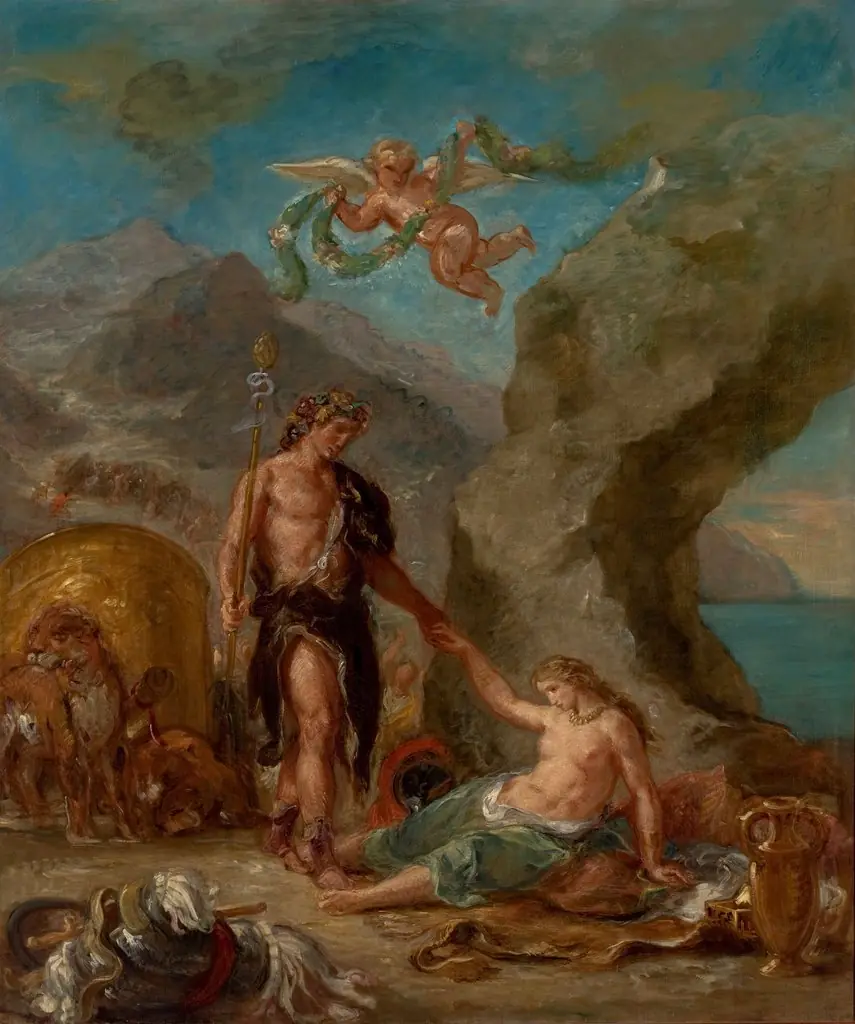 The Autumn - Baccus and Ariadne
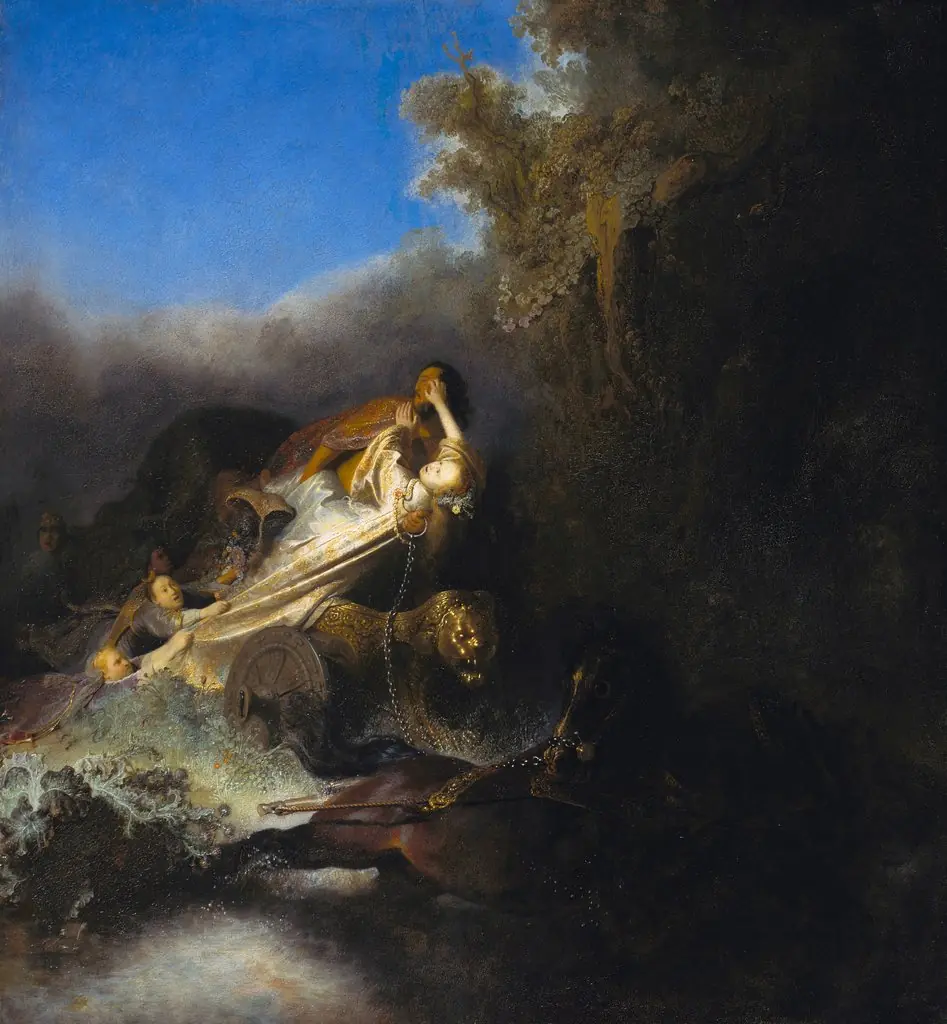 The Rape of Proserpine
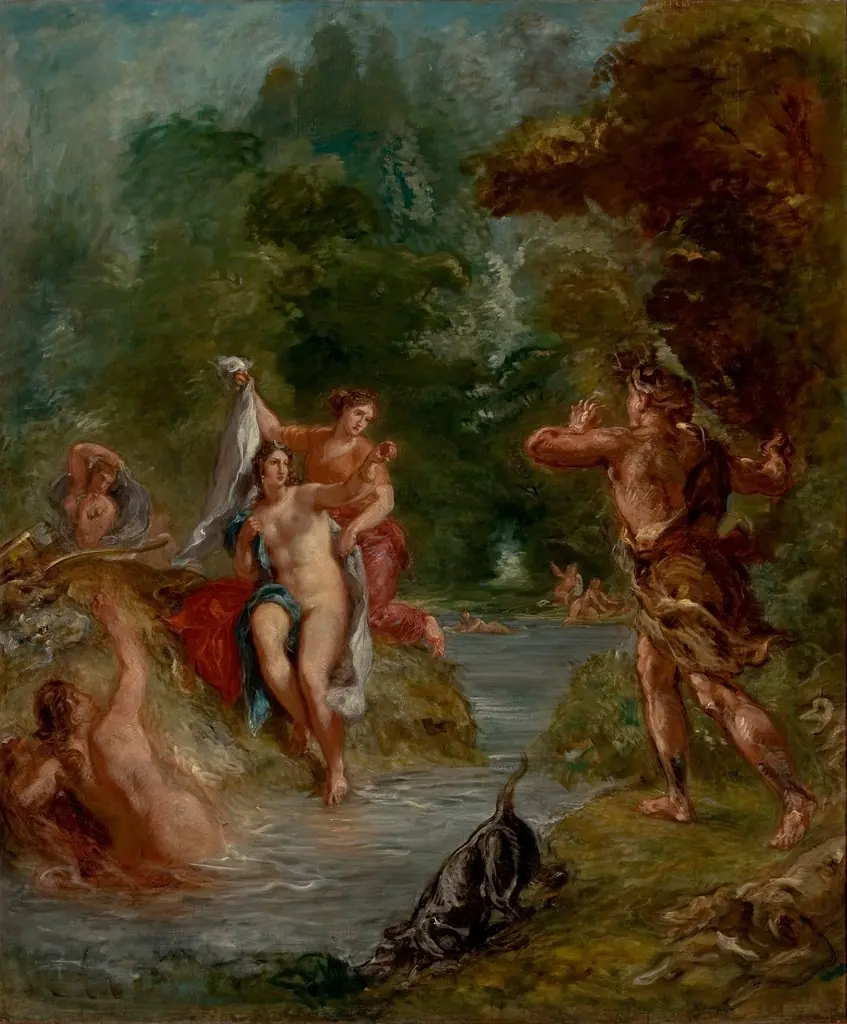 The Summer - Diana surprised by Actaeon
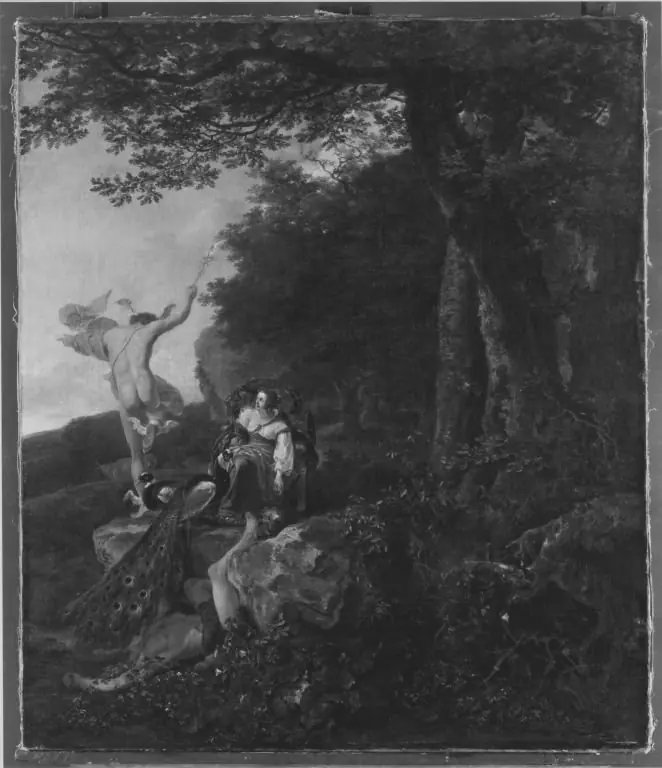 Landschaft mit Merkur, Juno und dem toten Argus
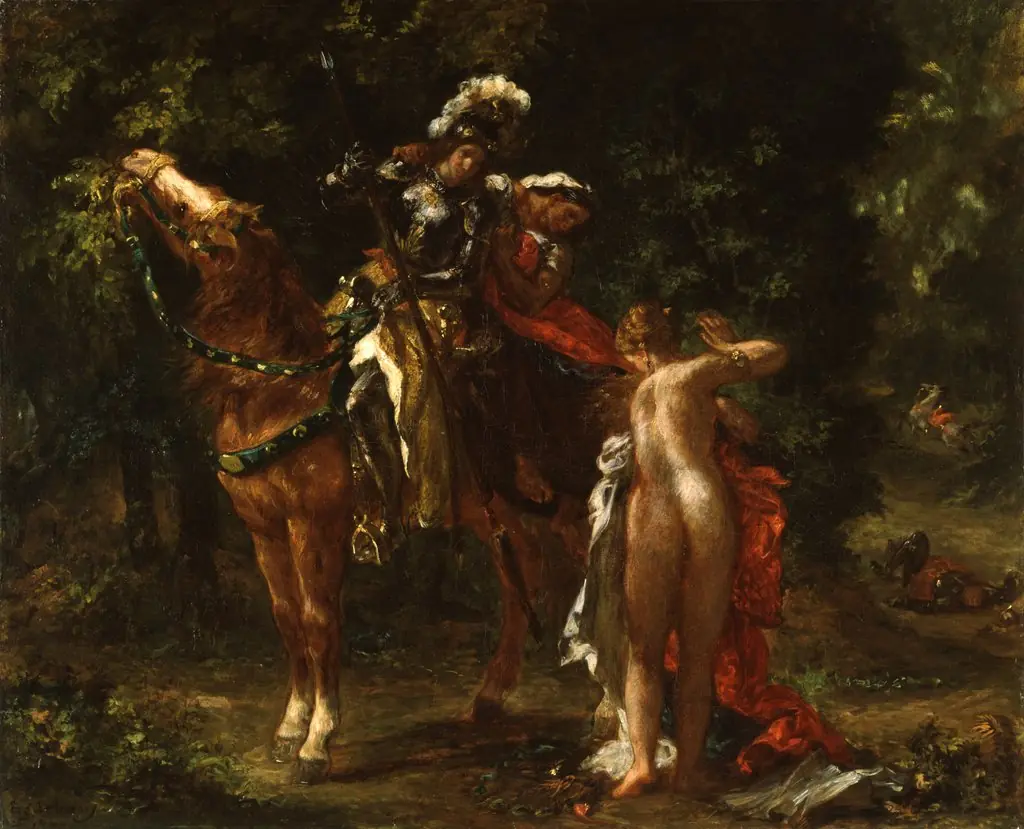 Marphise
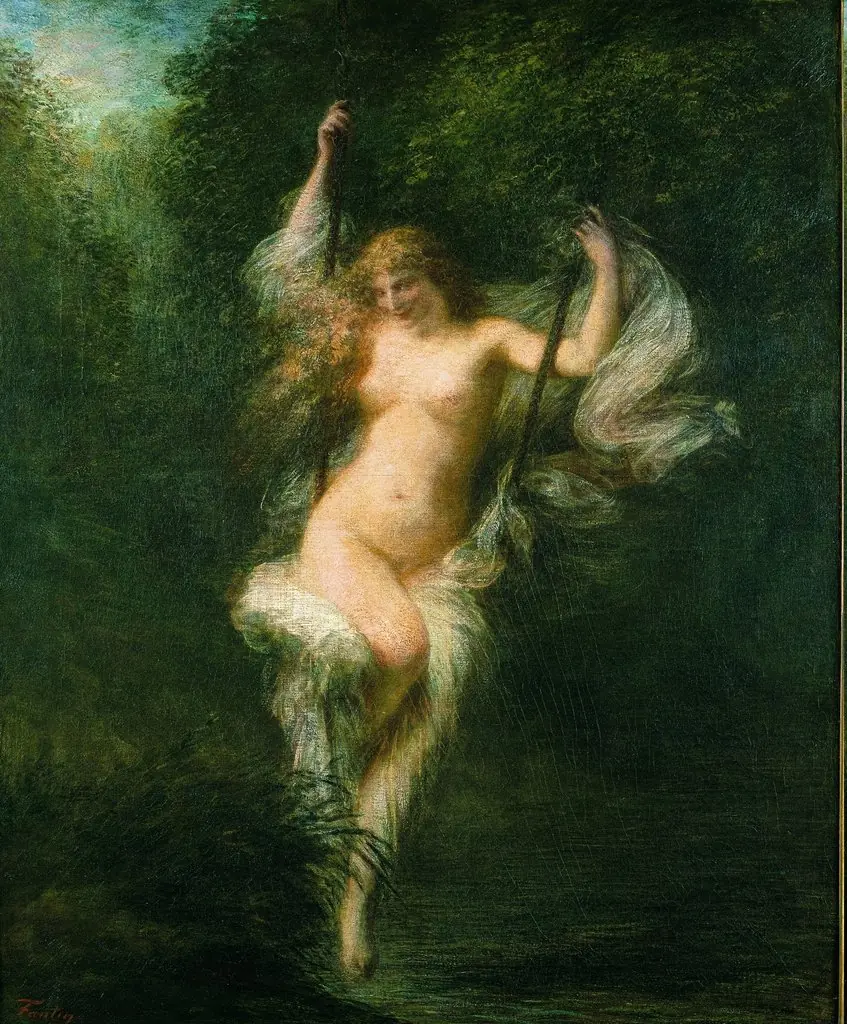 Sarah la bañista
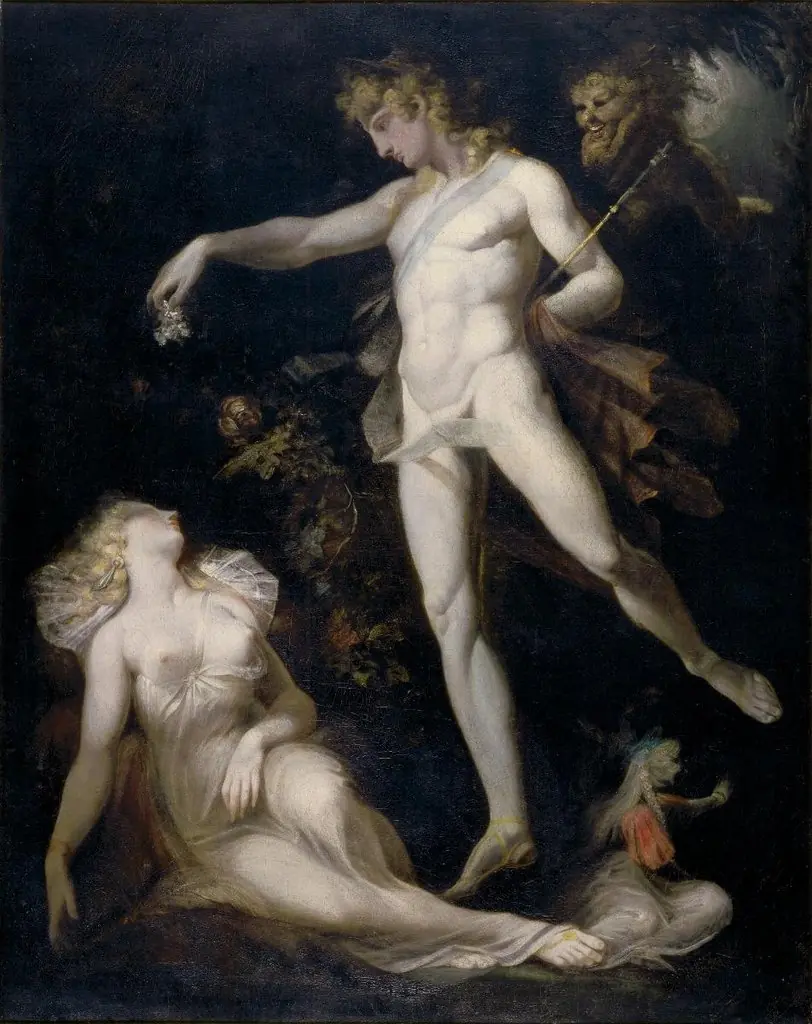 Oberon träufelt Blumensaft auf die Augen der schlafenden Titania
 Musidora: The Bather 'At the Doubtful Breeze Alarmed'
 Zwei Bacchantinnen
 Landscape with the temptation of Christ