Artwork
Νεκρή φύση με χτένα
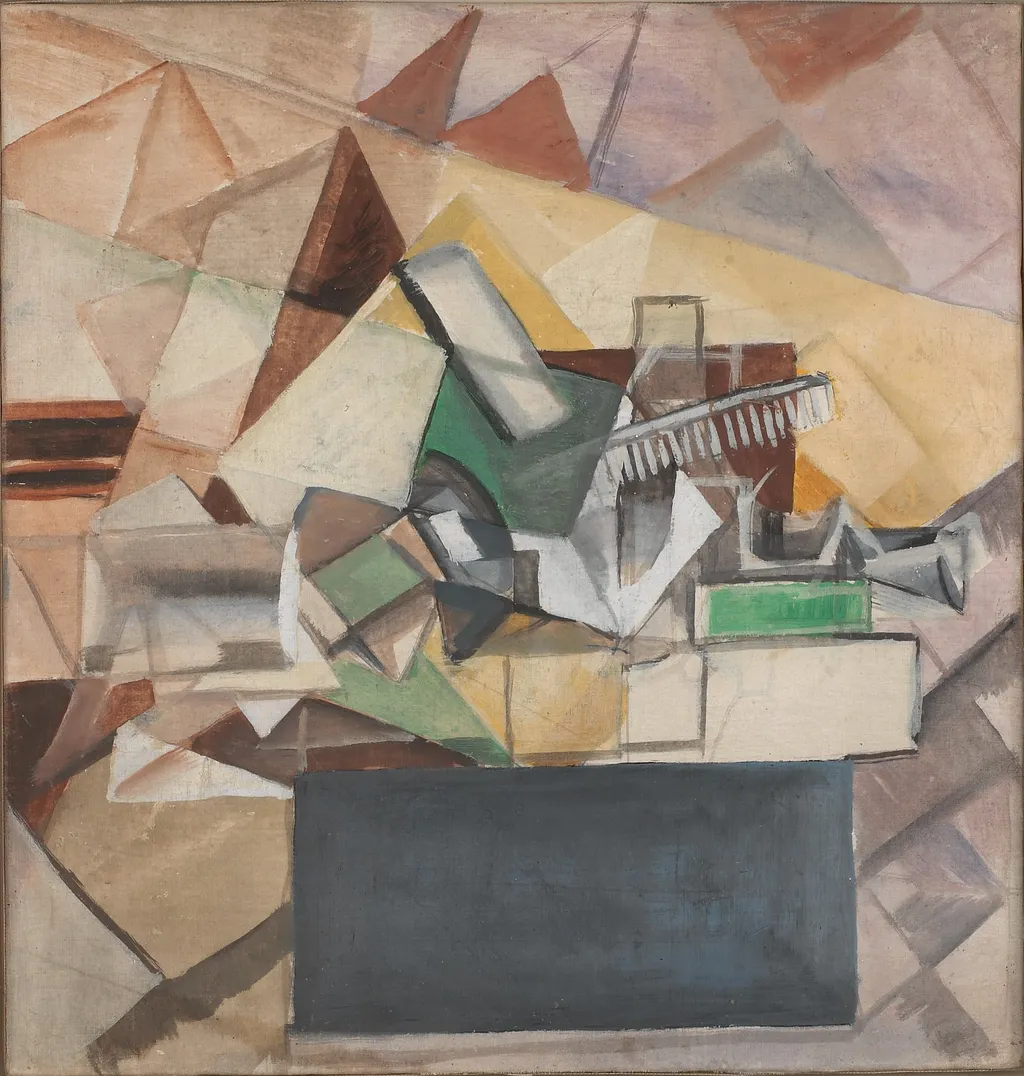
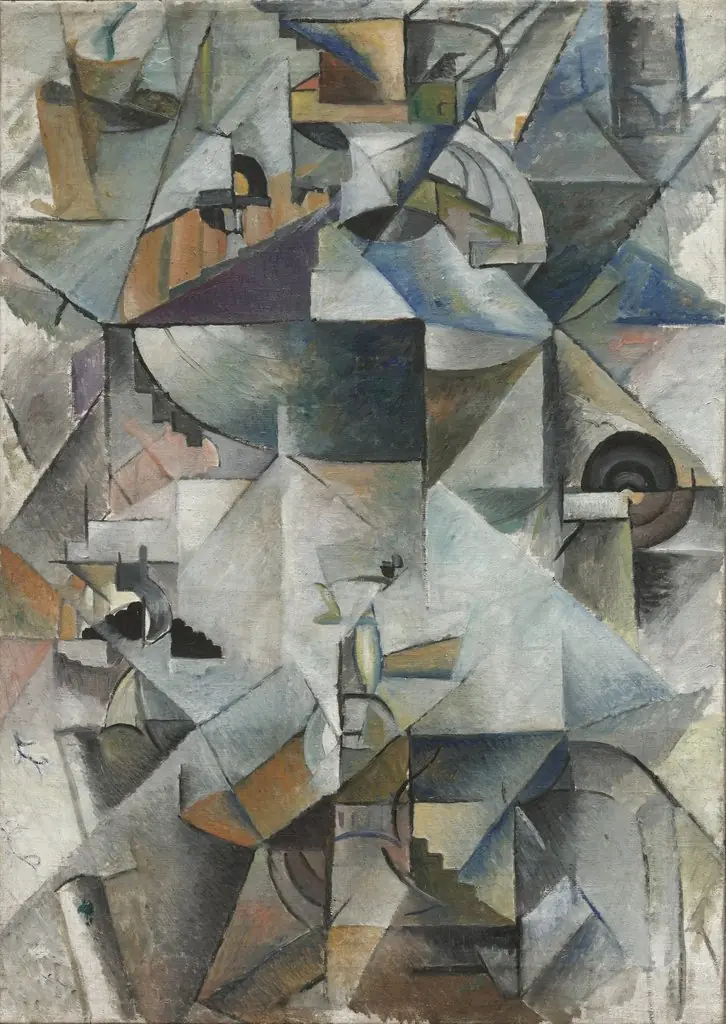
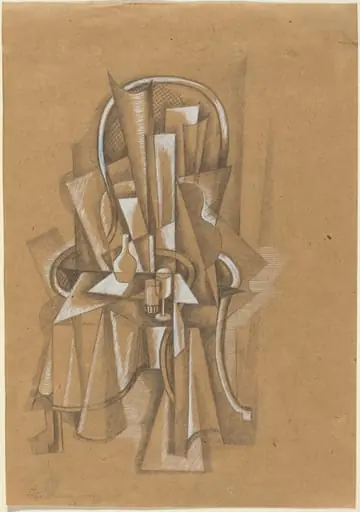
Νεκρή φύση με χτένα is an unspecified painting by the Realist artist Aleksei Morgunov. It dates from 1914 and is held in the collection of the Metropolitan Organisation of Museums of Visual Arts of Thessaloniki – MOMus.
About this work
The artist, Aleksei Morgunov, was part of a group that wanted art to feel real and raw, not fancy or polished.
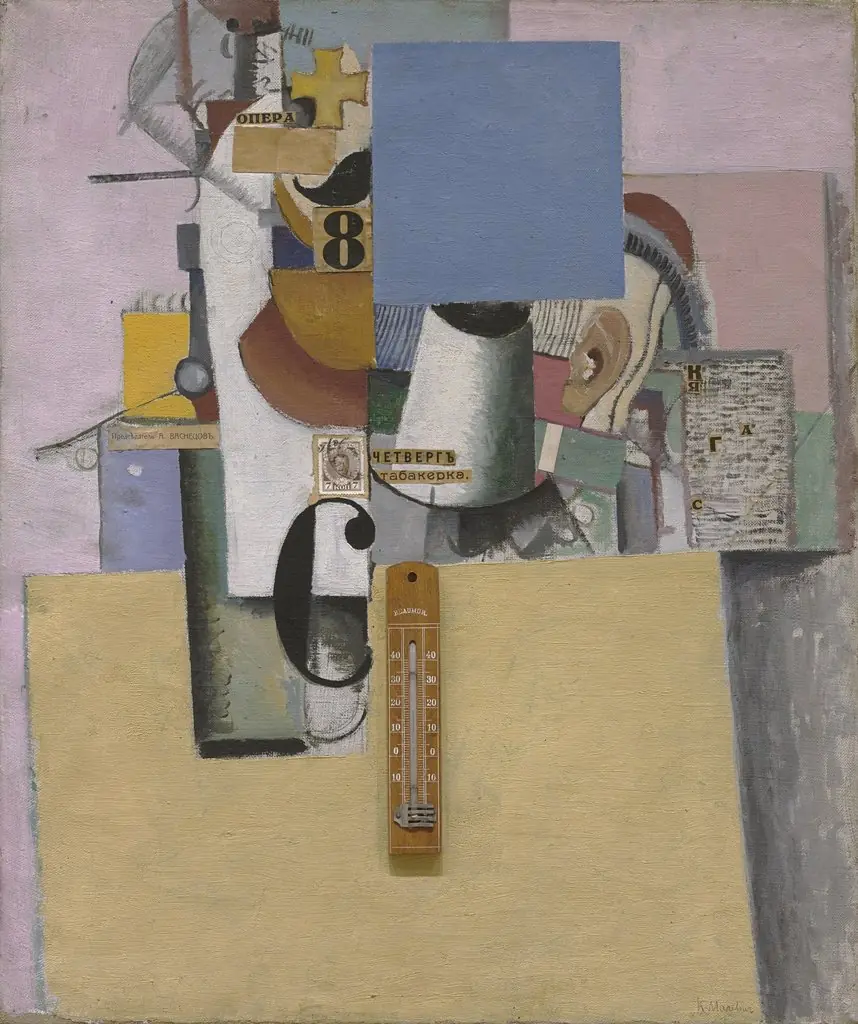
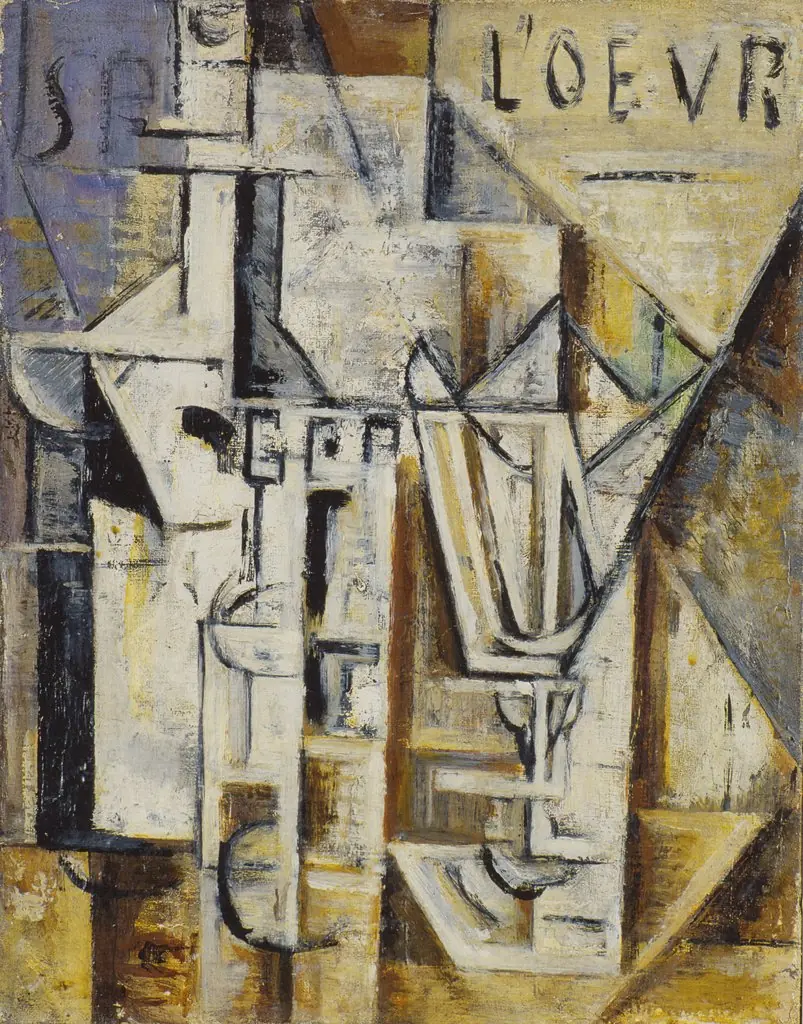
This painting shows a wooden comb, a lemon peel, and a few scattered objects on a plain surface. The colors are muted greens and ochers, giving it a quiet, everyday feel. It’s not a flashy still life—just objects placed together with careful shadows.
It dates to 1914, right before World War I and the Russian Revolution changed everything. The artist, Aleksei Morgunov, was part of a group that wanted art to feel real and raw, not fancy or polished.
Look up the Museum of Ethnography to see more of his work.
Overview
Created in 1914, this modest still‑life presents a wooden comb, a strip of lemon peel and a few scattered objects arranged on a plain surface. The palette is restrained, dominated by muted greens and ochers, and the composition relies on subtle shadows to give the scene a quiet, everyday character.
Subject & Meaning
The work foregrounds ordinary, utilitarian items rather than symbolic or narrative content, reflecting a deliberate focus on form. By presenting commonplace objects with minimal embellishment, the artist invites contemplation of their material presence and the visual relationships among them.
Technique & Style
Executed with a restrained brushwork, the painting emphasizes flat planes of colour and simplified shapes. The muted tonal range and careful modelling of light underscore a formalist approach, where the arrangement of forms takes precedence over decorative detail.
Context
The piece belongs to the period of Russian artistic experimentation between 1910 and 1930, a time marked by rapid social change, industrialization and the looming upheavals of World War I and the 1917 October Revolution. These conditions fostered a search for new visual languages that broke with academic tradition.
Artist & collection
Artist
Aleksei Morgunov spent years wandering through Russian forests, sketching birch trees and church steeples while living out of a battered suitcase.
Museum
Metropolitan Organisation of Museums of Visual Arts of Thessaloniki – MOMus
Continue through works from the same source collection.