Artwork
Samovar
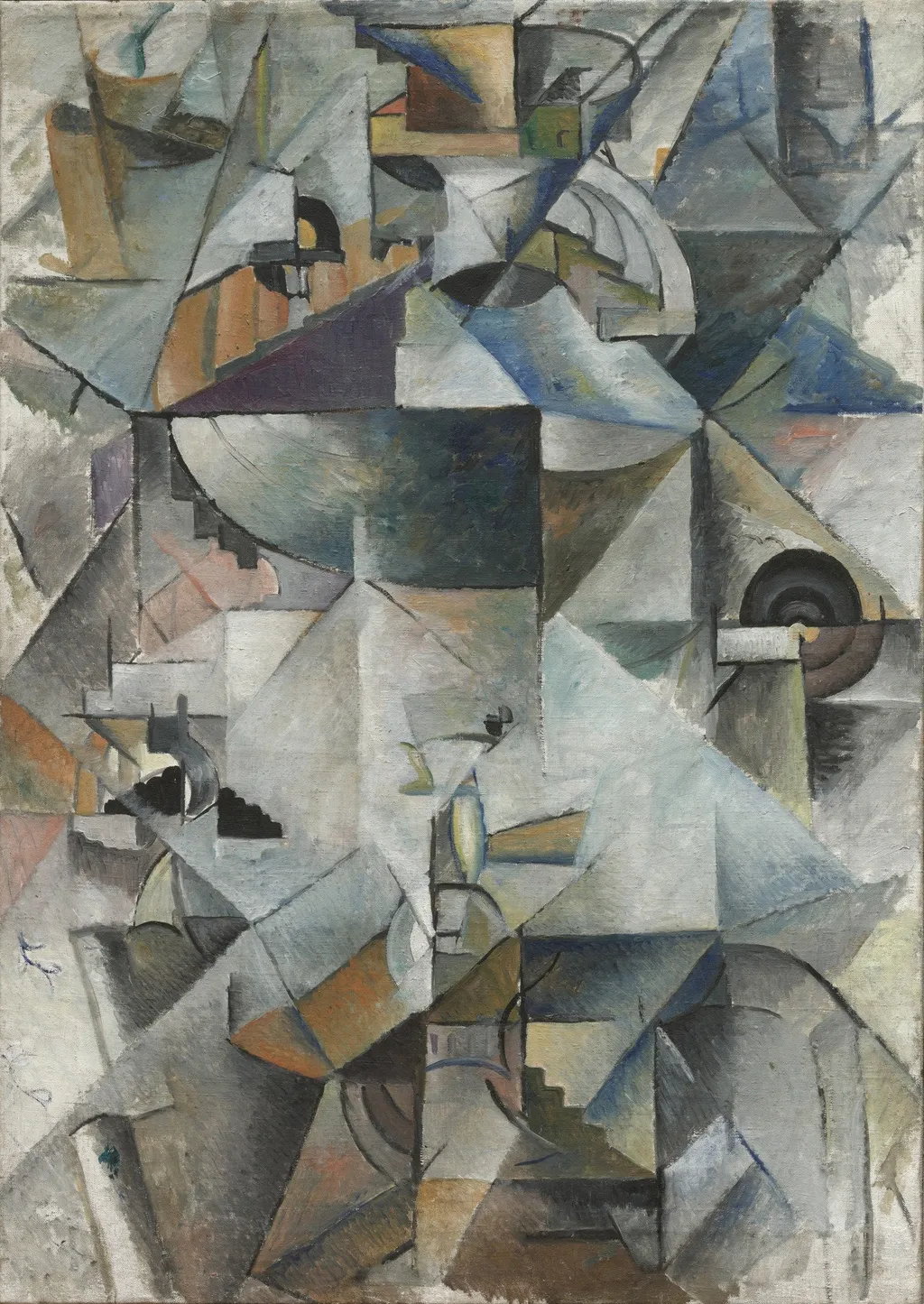
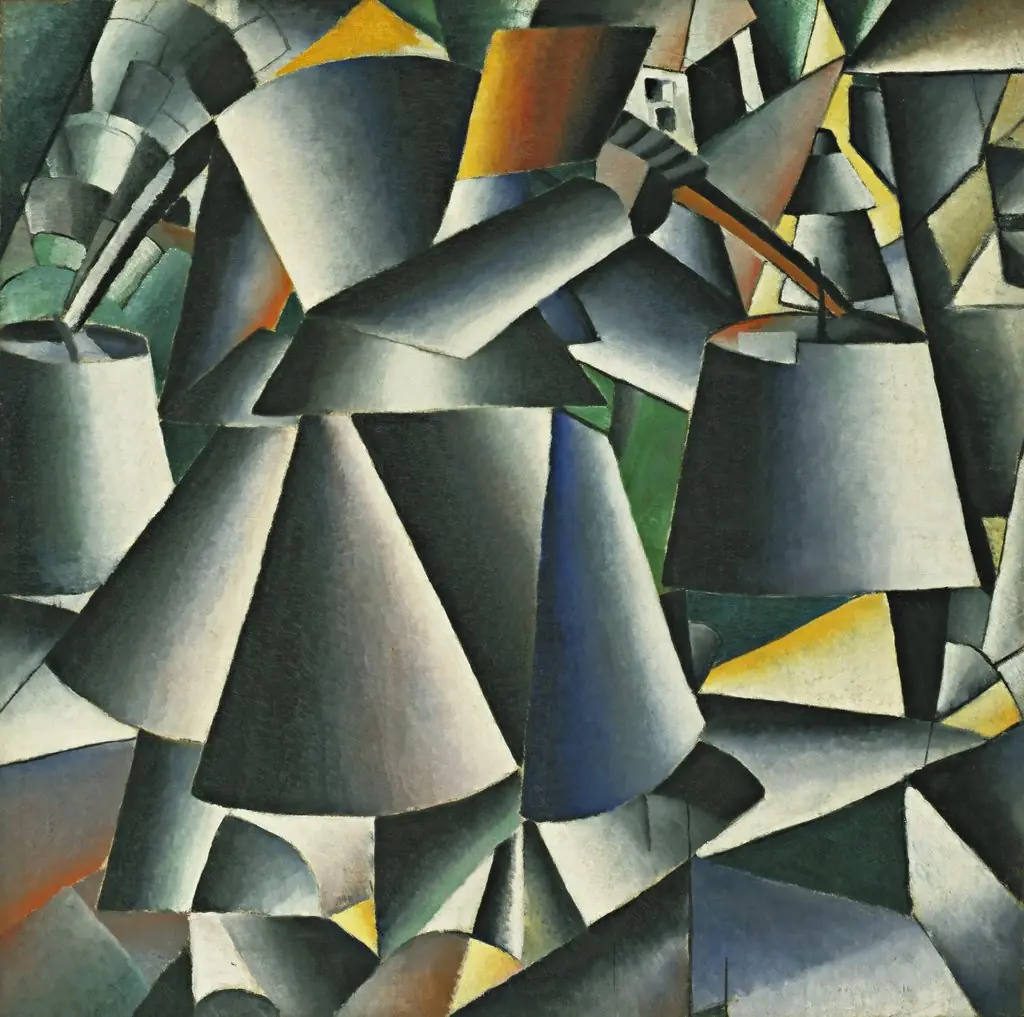
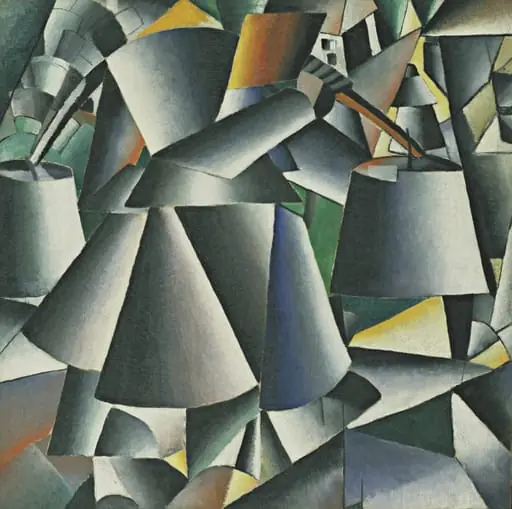
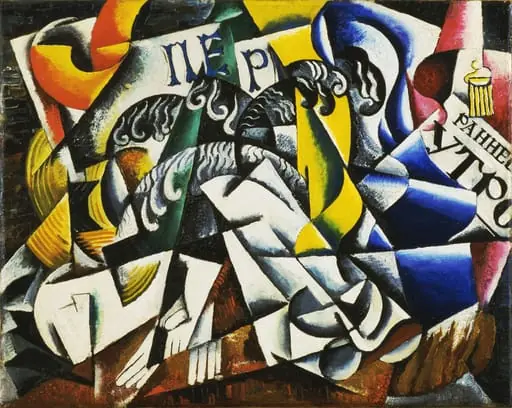
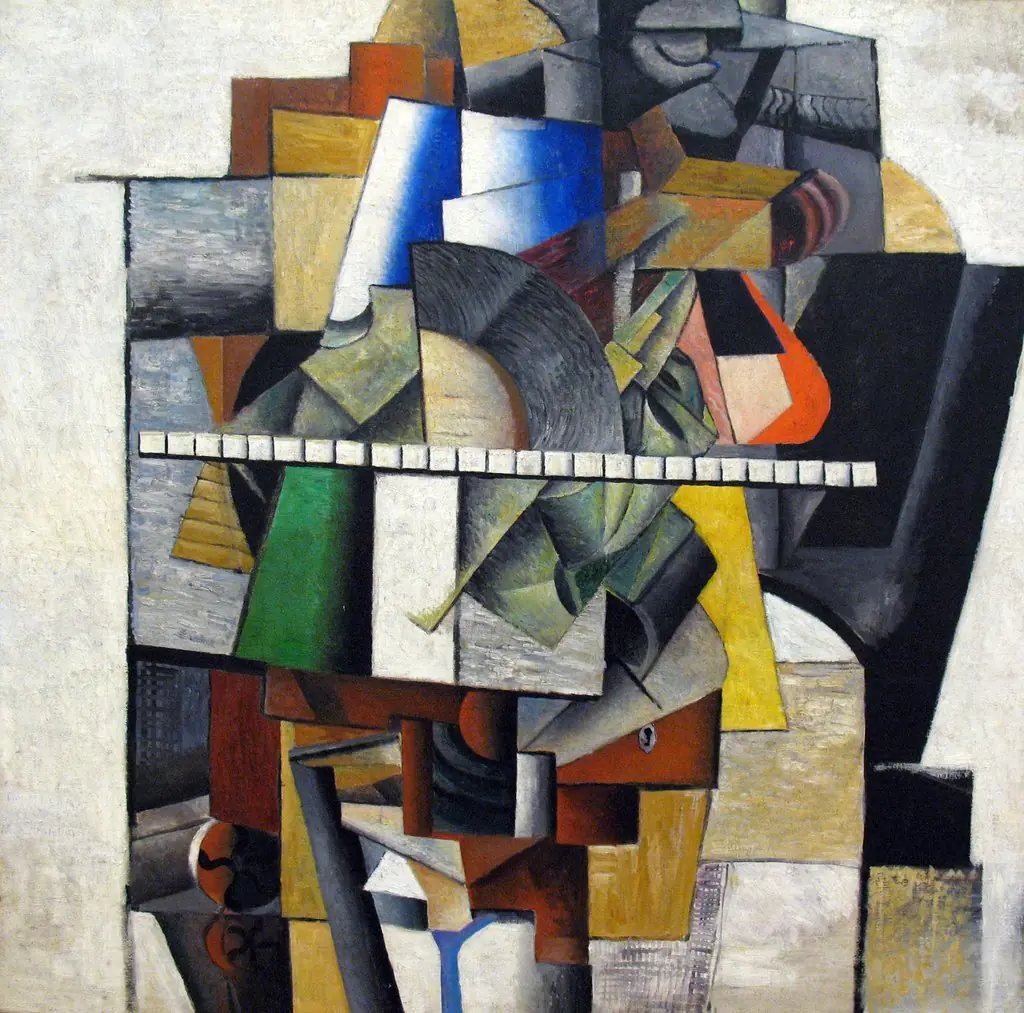
Samovar is an oil painting by the Suprematist artist Kazimir Malevich. It dates from 1913 and is held in the collection of the Museum of Modern Art.
About this work
Overview
Kazimir Malevich’s 1913 oil painting titled Samovar marks an early foray into the abstract language that would later define his Suprematist period. Executed before the formal articulation of Suprematism, the work already departs from literal representation, arranging geometric forms in a composition that suggests depth without depicting any recognizable objects.
Subject & Meaning
The canvas presents an arrangement of triangles, rectangles, and other angular shapes rendered in muted tones, offering no narrative scene or identifiable subject. The interplay of forms creates a sense of spatial tension and movement, inviting viewers to experience the painting as an autonomous visual field rather than a depiction of a specific object.
Technique & Style
Malevich employed oil on canvas to achieve subtle gradations of gray, blue, and brown, punctuated by restrained accents of yellow and orange. The geometric vocabulary and flat color fields anticipate his later Suprematist works, emphasizing pure shape and color over illusionistic depth while maintaining a calm, balanced atmosphere.
History & Provenance
Created in pre‑revolutionary Russia, Samovar belongs to the period when Malevich was active in the Russian avant‑garde, shortly before he formally introduced Suprematism in 1915. The painting reflects his transition from representational experiments to a non‑objective aesthetic that would influence subsequent abstract movements.
Own this work as a print
Artist & collection
Artist
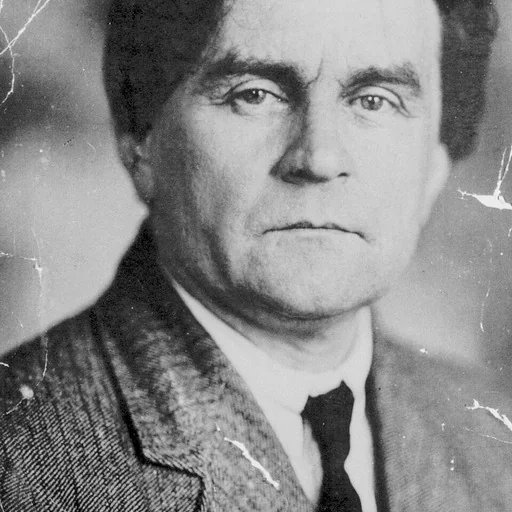
Kazimir Severinovich Malevich (23 February 1879 – 15 May 1935) was a Russian avant-garde artist and art theorist, whose work and writings pioneered the development of abstract painting in the 20th century.