Artwork
Portrait of Princess Tatiana B. Potemkina (1796-1869)
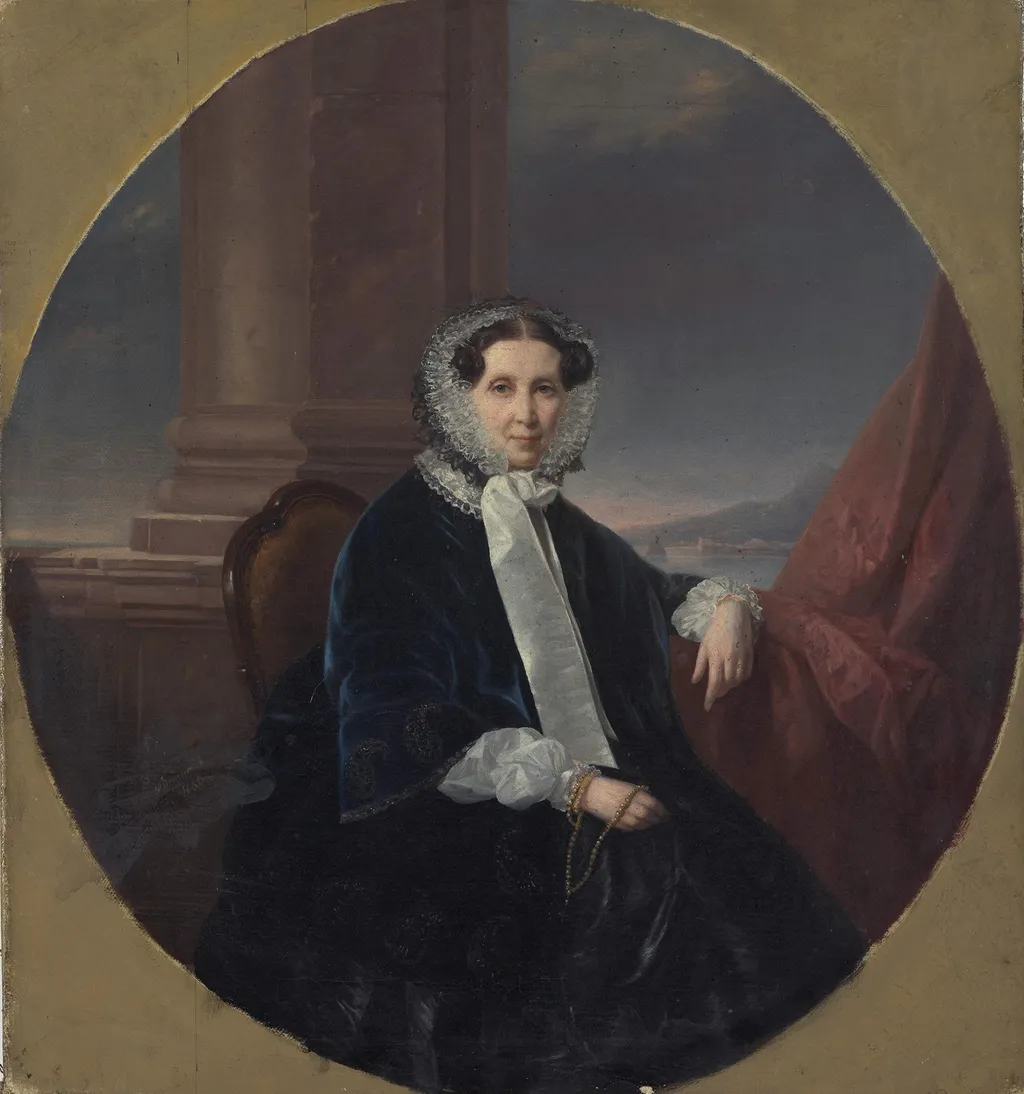
Portrait of Princess Tatiana B. Potemkina (1796-1869) is an oil painting by the Realist artist Morten Thrane Brünnich. It dates from 1860 and is held in the collection of the Hermitage Museum.
About this work
Overview
The composition reflects 19th-century portraiture conventions, emphasizing dignity and social status through restrained elegance.
Painted in 1860 by Morten Thrane Brünnich, this oil portrait depicts Princess Tatiana B. Potemkina, a Russian noblewoman born in 1796. The work is part of the State Hermitage Museum’s collection in Saint Petersburg. It presents the subject in a formal seated pose, rendered with careful attention to textile detail and atmospheric lighting. The composition reflects 19th-century portraiture conventions, emphasizing dignity and social status through restrained elegance.
Subject & Meaning
Princess Tatiana B. Potemkina is portrayed in quiet composure, her attire and accessories signaling aristocratic refinement. The lace cap, white trim, and delicate fan suggest modesty and cultivated taste, common in elite female portraiture of the period. The distant architectural elements and water view imply a connection to estate life or leisure, reinforcing her social position without overt symbolism. Her expression remains neutral, conveying composure rather than emotion.
Technique & Style
Brünnich employs a muted palette dominated by deep blues and rich reds, with the subject illuminated by soft, directional light that highlights facial contours and fabric folds. The background is deliberately darkened to isolate the figure, enhancing three-dimensionality. Brushwork is precise in rendering lace and silk, while the landscape beyond is rendered with looser, atmospheric strokes, creating depth without distraction from the sitter.
History & Provenance
The painting entered the State Hermitage Museum’s holdings in the 19th century, likely through imperial or aristocratic acquisition. Brünnich, a Danish artist active in Russia, was commissioned by noble families during his time in Saint Petersburg. While little is documented about the commission’s circumstances, its presence in the Hermitage suggests it was valued as a representative example of elite portraiture from the period.
Context
Created in the mid-19th century, the portrait aligns with European traditions of aristocratic representation, where clothing, setting, and posture conveyed lineage and status. Though Romanticism influenced broader artistic trends, this work remains rooted in classical portraiture, avoiding dramatic expression in favor of dignified restraint. Similar portraits by Russian and Scandinavian artists of the era reflect shared conventions among noble circles.
Legacy
The portrait remains a quiet example of 19th-century aristocratic representation within the Hermitage’s extensive collection. It contributes to the understanding of how noblewomen were visually constructed in imperial Russia, emphasizing decorum over individuality. While not widely exhibited, it serves as a reference for studying the stylistic continuity of portraiture among European elites during a period of social transition.
Artist & collection

 Portrait of Mrs Clementson
 Skuespilleren Anna Nielsen
 Actress Anna Nielsen
 Portrait of Petronella de Lange, Wife of Theodorus Frederik van Capellen
 Sophie Stramboe
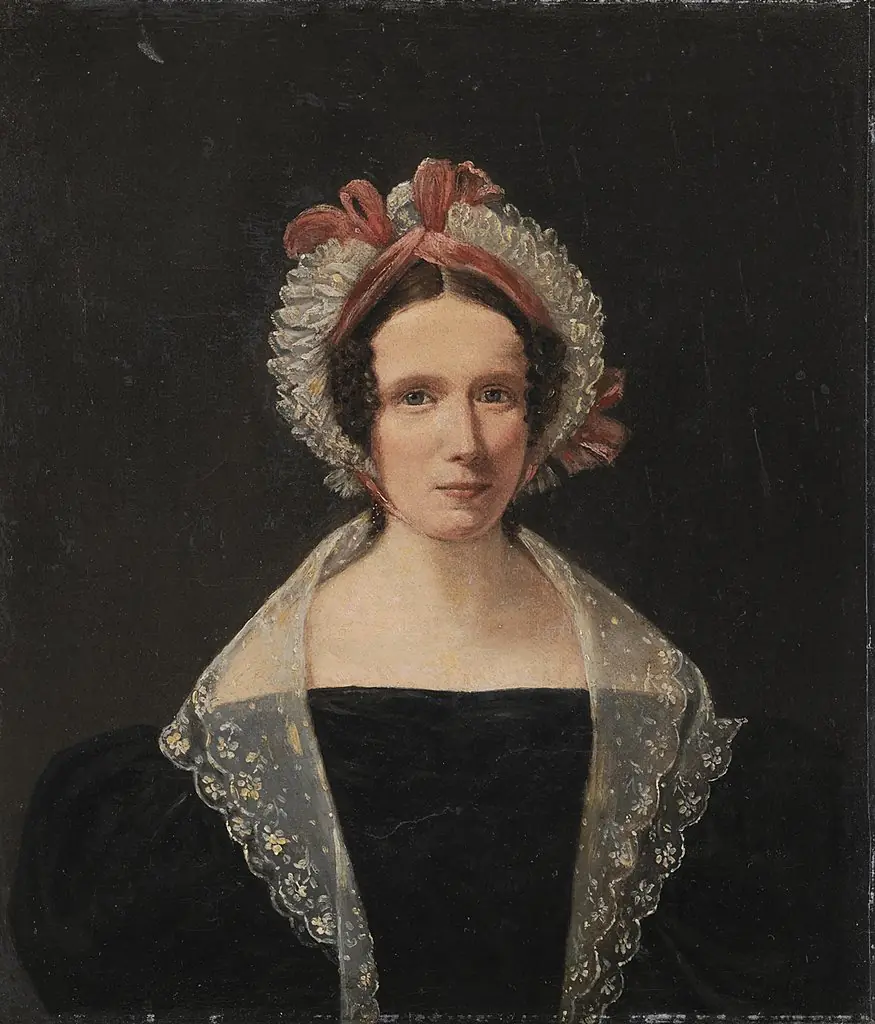 Sophie Stramboe
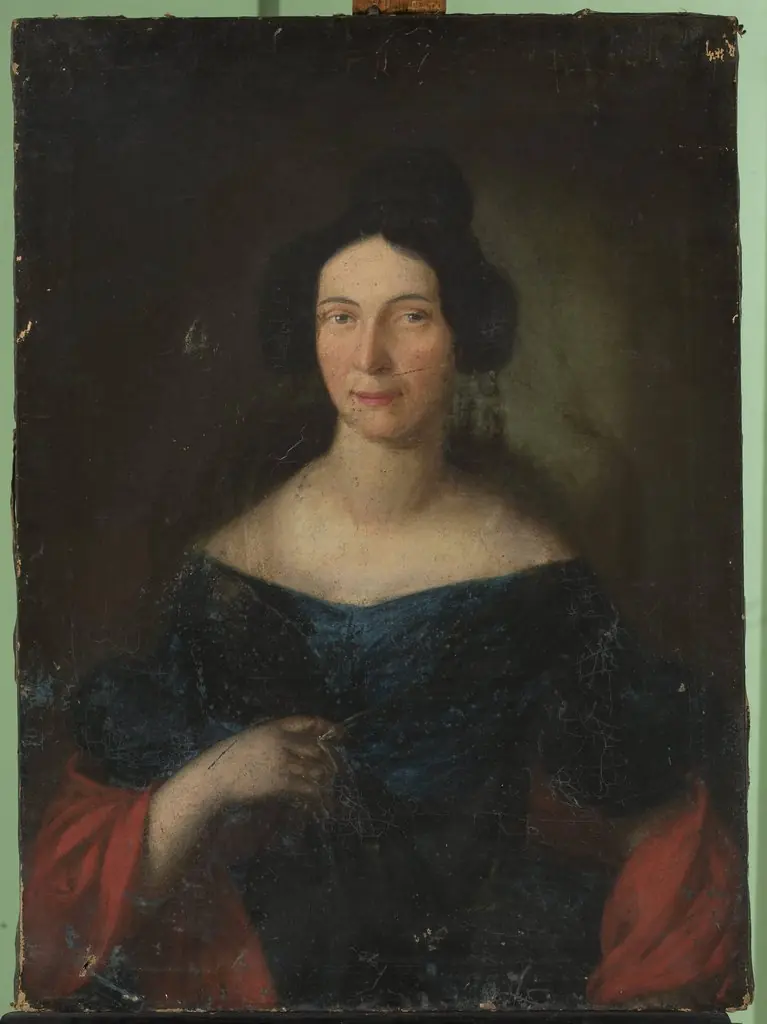 Portrait of a woman
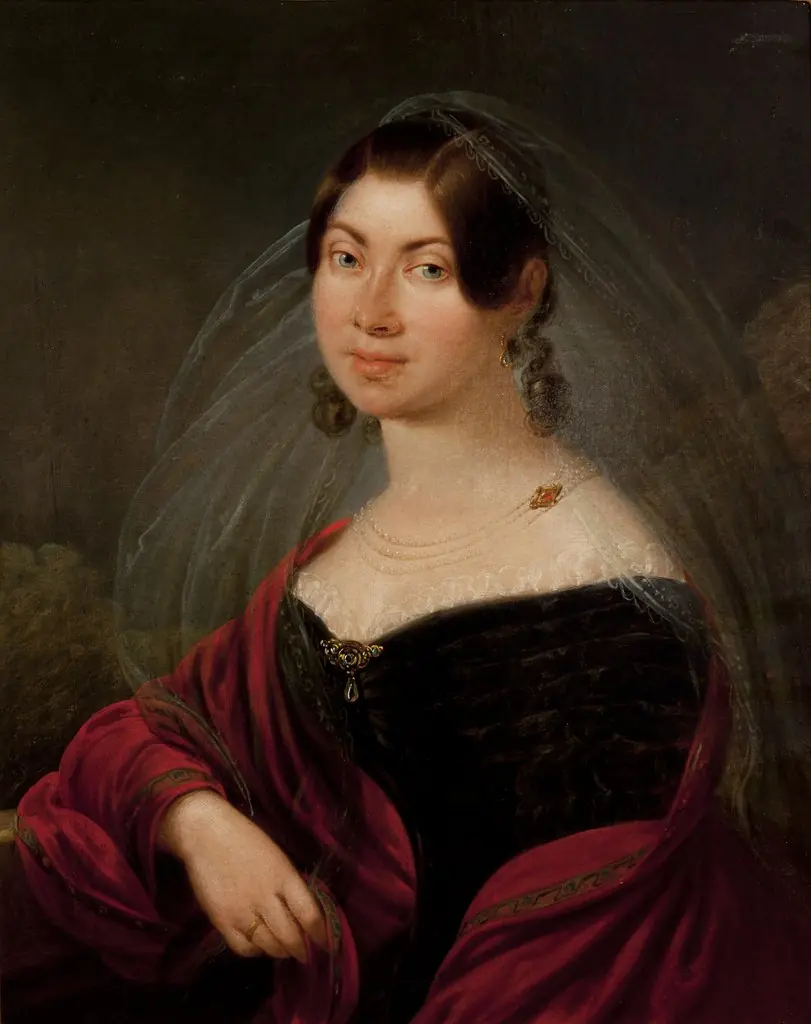 Portrait of Teresa Żebrawska née Hanowicz
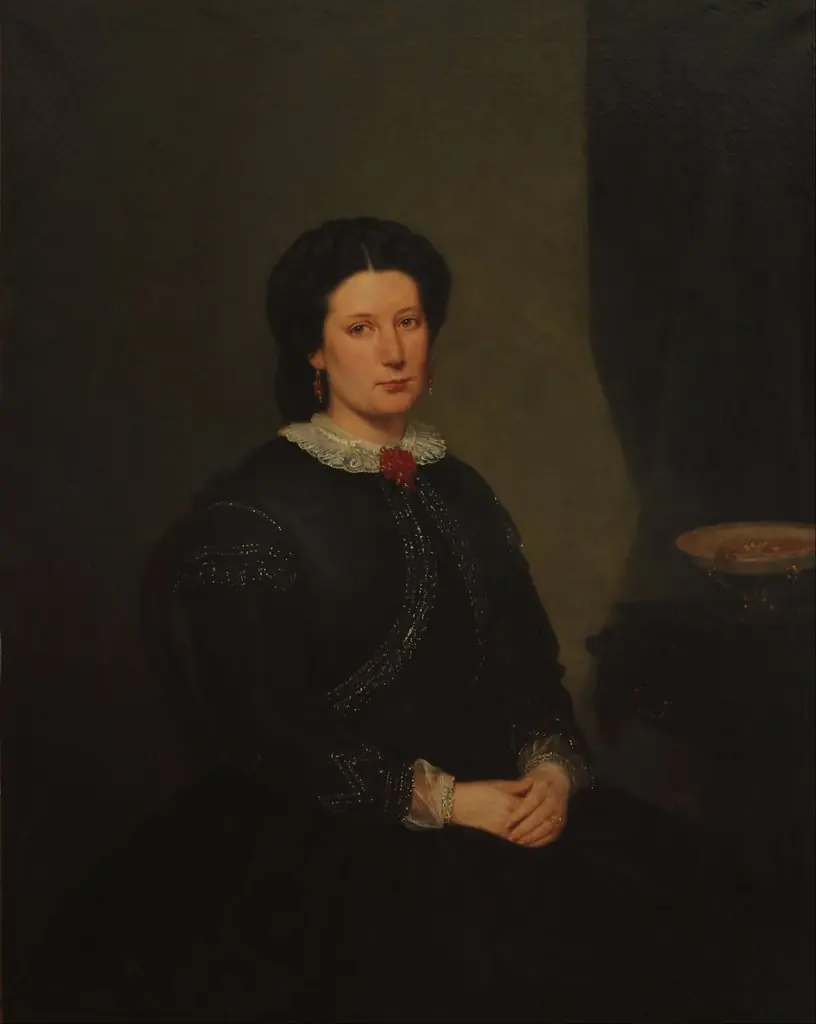 Retrato de la Señora Adela Eastman de Barros
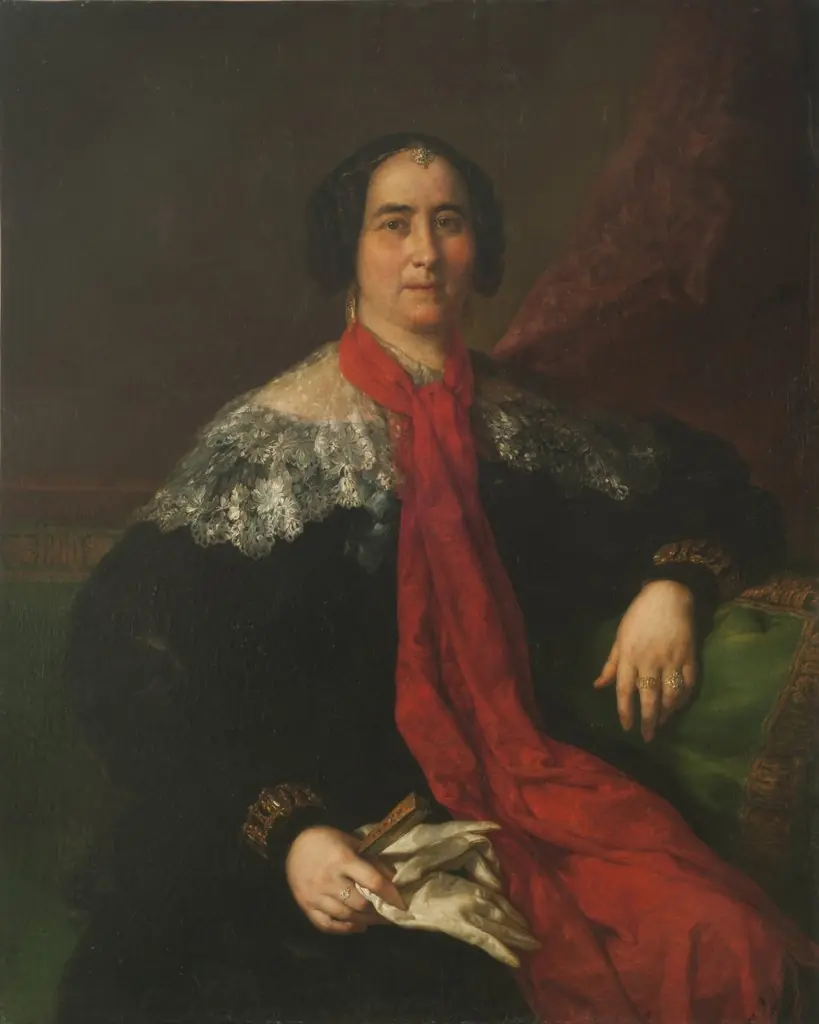 Spanish lady
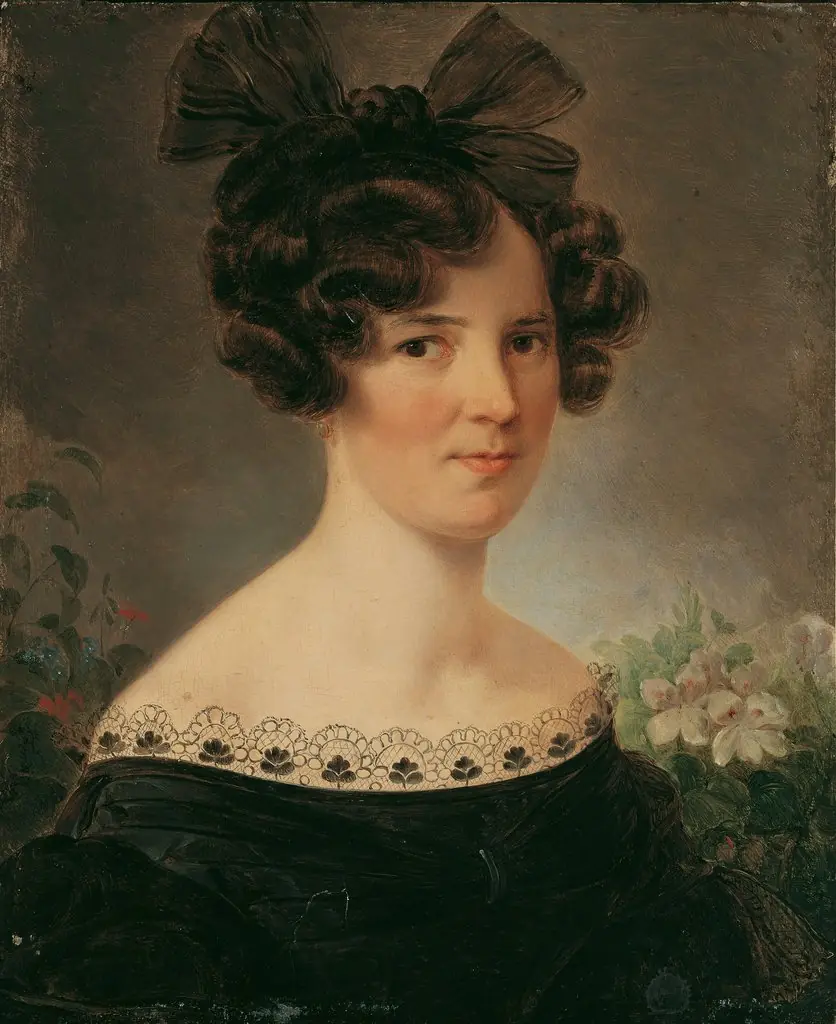 Therese Rockert
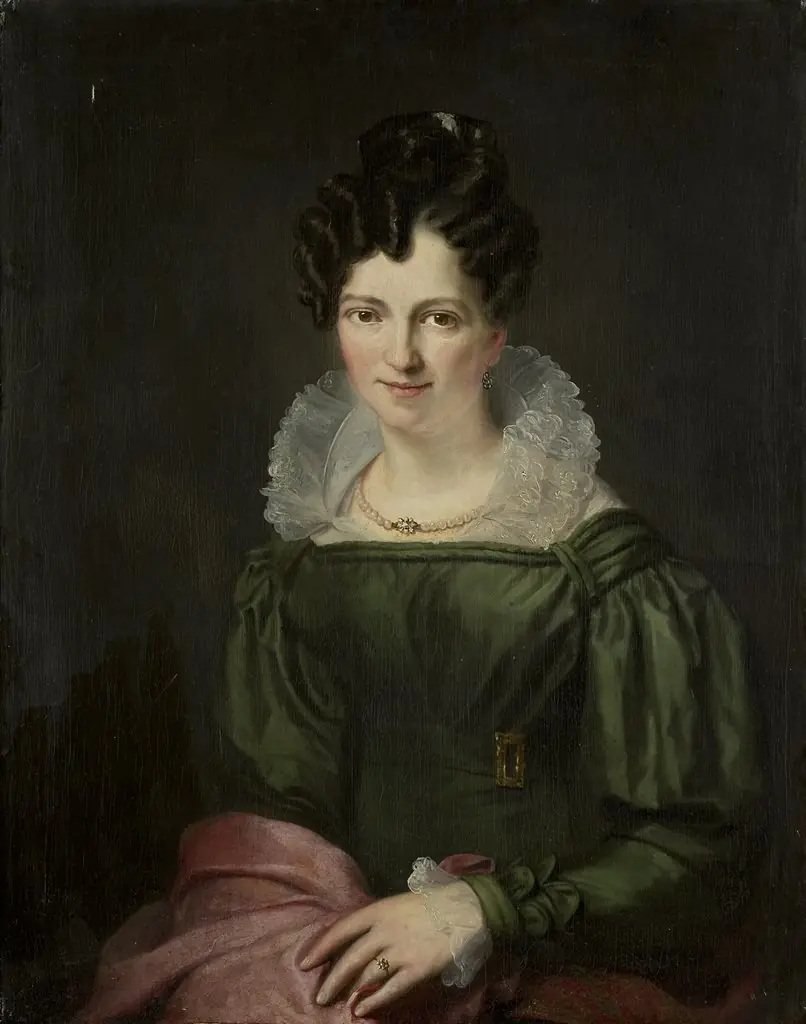 Portrait of Maria Christina Nijssen, Wife of Anthonie van der Hout