Artwork
Falstaff
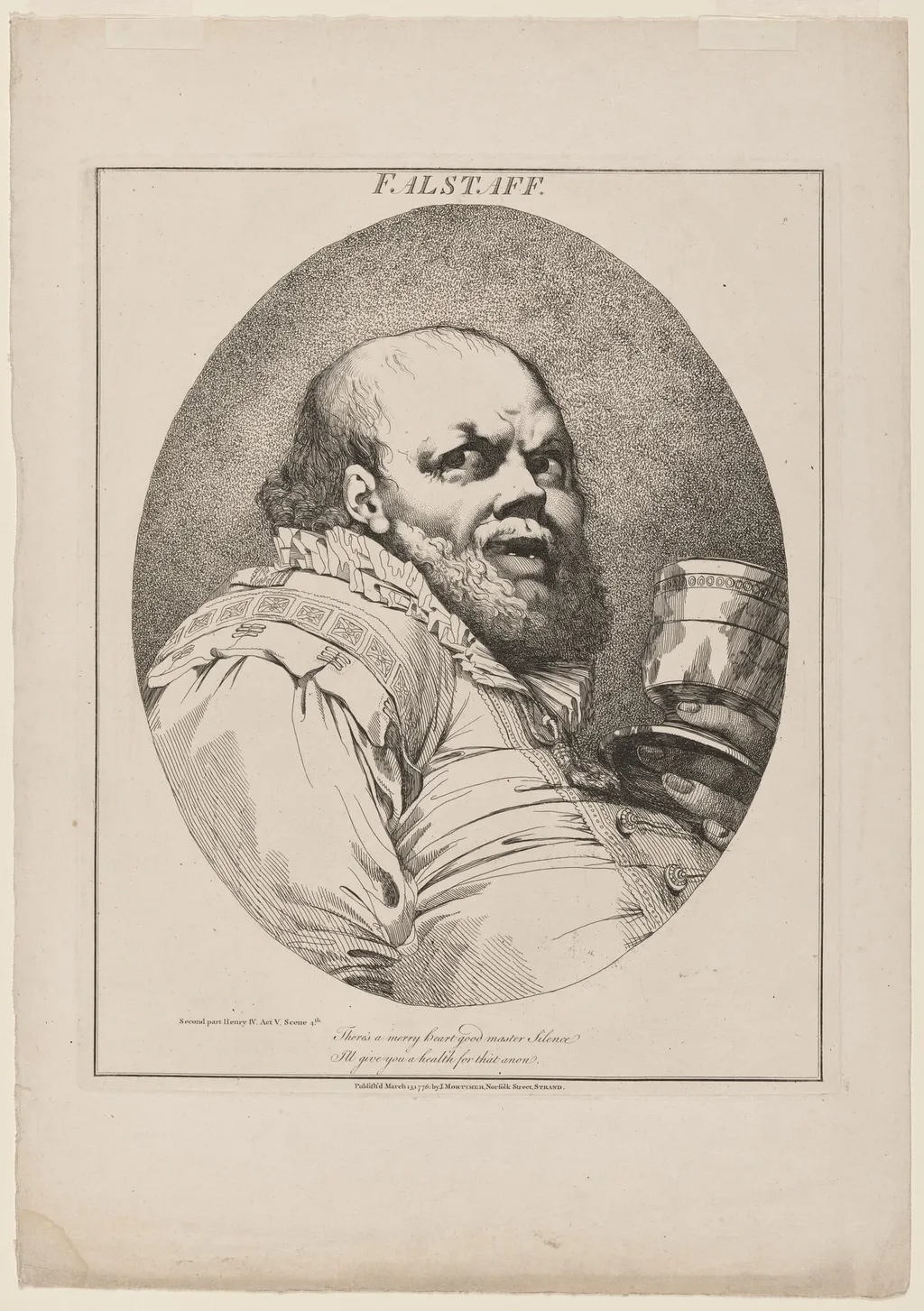
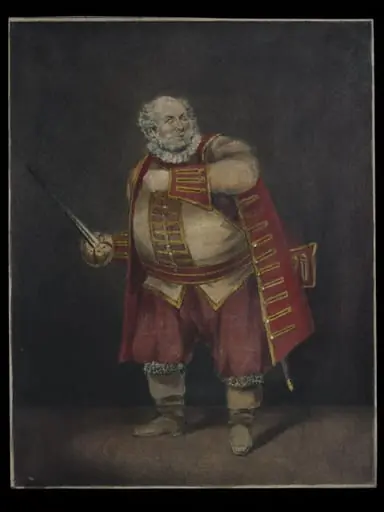
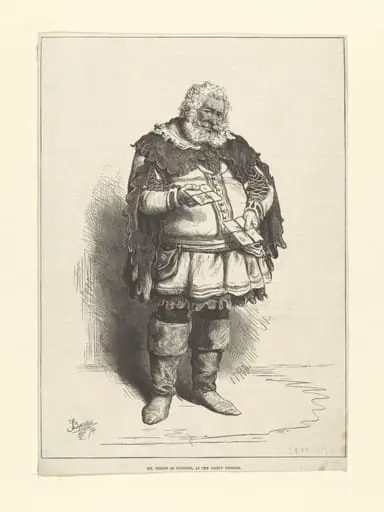
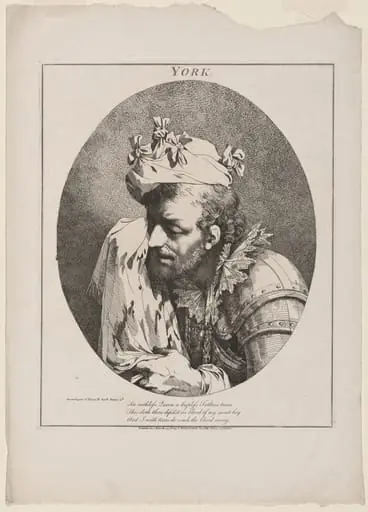
Falstaff is an ink print by the Romanticist artist John Hamilton Mortimer. It dates from 1776 and is held in the collection of the National Gallery of Art.
About this work
Overview
Executed on wove paper, the monochrome image relies on dense, irregular lines that give the subject’s face a textured, almost sculptural quality.
John Hamilton Mortimer’s 1776 etching titled Falstaff presents a single, robustly bearded figure in a moment of apparent mirth or surprise. Executed on wove paper, the monochrome image relies on dense, irregular lines that give the subject’s face a textured, almost sculptural quality. The title, placed at the top of the plate, identifies the sitter as the Shakespearean character Sir John Falstaff.
Subject & Meaning
The print captures Falstaff, the larger‑than‑life comic hero of Shakespeare’s Henry IV and The Merry Wives of Windsor, in a convivial pose, clutching a tankard. By emphasizing the character’s jovial expression and exaggerated features, Mortimer underscores the theatricality and humor associated with the literary figure, inviting viewers to recognize the cultural resonance of the role.
Technique & Style
Mortimer employed a traditional copper‑plate etching process, allowing ink to remain in the incised lines after wiping the surface. The resulting dark, scratchy strokes create a vivid contrast against the white paper, enhancing the figure’s facial texture and the folds of his ruffled collar. The style reflects Mortimer’s penchant for dramatic, romanticized compositions reminiscent of Salvator Rosa’s Italianate scenes.
History & Provenance
Created in 1776, the Falstaff etching belongs to the period when Mortimer was active as a painter, printmaker, and draftsman. During the 1770s he produced a range of works from war scenes to conversational genre pieces. Mortimer held the presidency of the Society of Artists from 1774 until his death in 1779, and this print exemplifies his output in the final years of his short career.
Context
The image appears within a broader 18th‑century British interest in literary subjects and theatrical portraiture. By choosing a Shakespearean character, Mortimer aligned his work with contemporary tastes for dramatized depictions of national literary icons, while his etching technique allowed for wider dissemination among collectors and admirers of the period.
Artist & collection
Artist
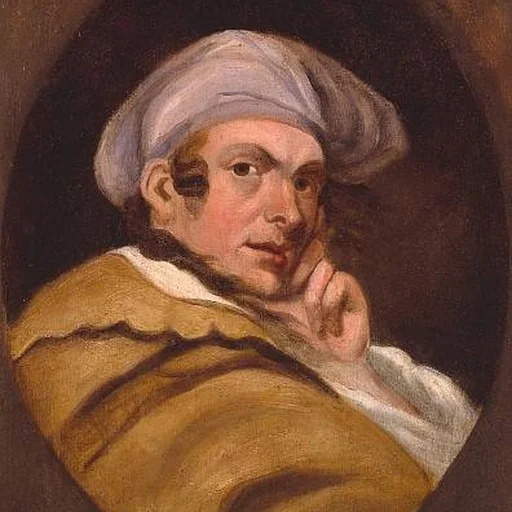
John Hamilton Mortimer (17 September 1740 – 4 February 1779) was a British figure and landscape painter and printmaker, known for romantic paintings set in Italy, works depicting conversations, and works drawn in the…

![Mucius Scaevola [recto], by John Hamilton Mortimer](https://artifactworldgallery.com/img/john-hamilton-mortimer--mucius-scaevola-recto--0de678fa443f7962-w320.webp)