Artwork
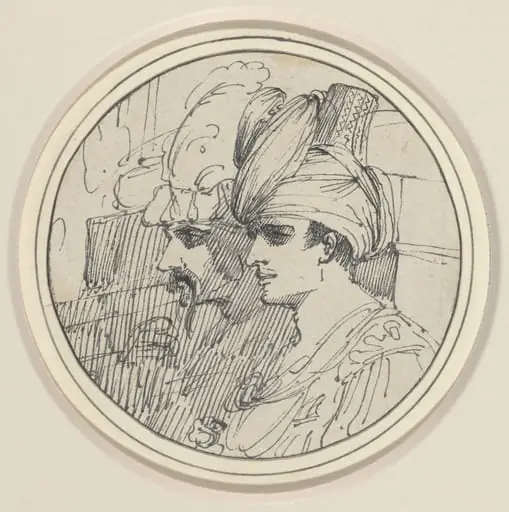
Three Oriental Heads
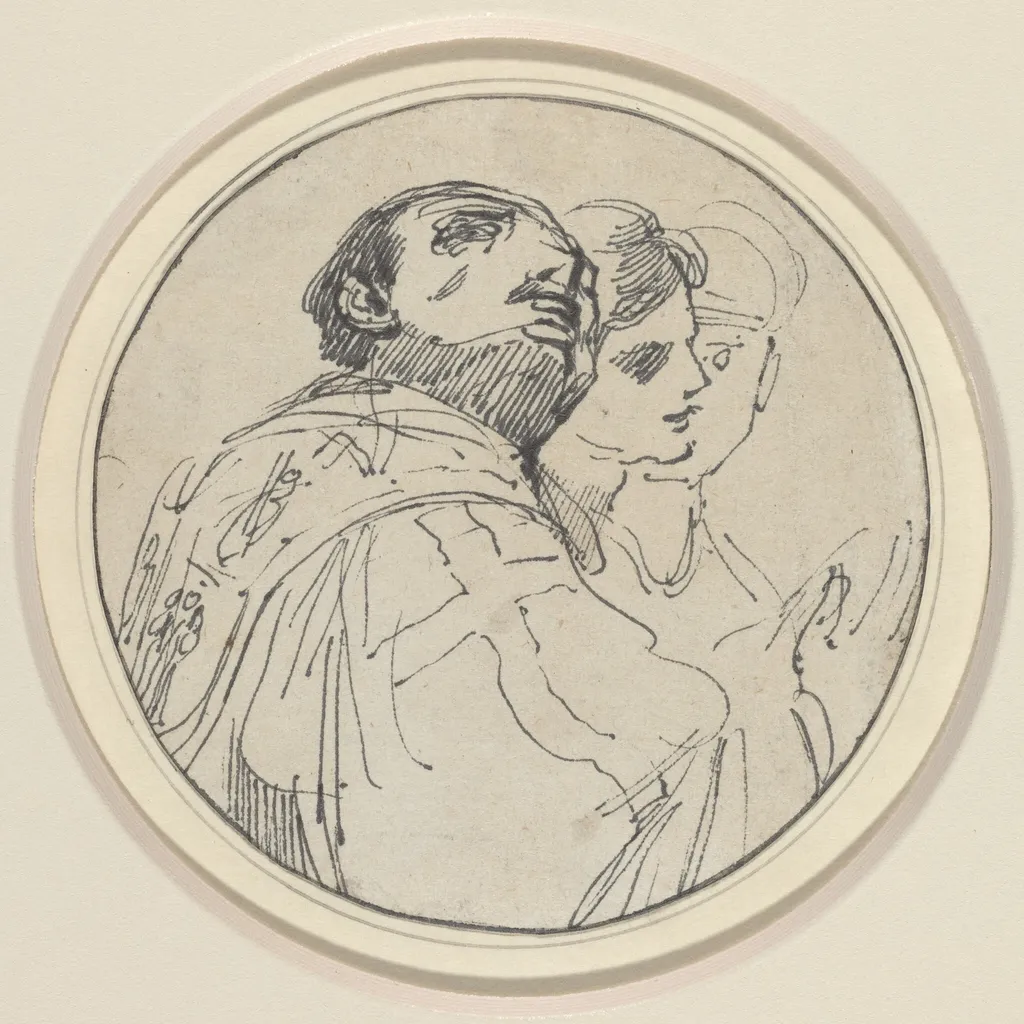
Three Oriental Heads is an ink drawing by the Romanticist artist John Hamilton Mortimer. It dates from 1772 and is held in the collection of the National Gallery of Art.
About this work
Overview
Three Oriental Heads is a drawing created by John Hamilton Mortimer in 1772, executed in pen and black ink on laid paper. Characterized by quick, loose lines, the work depicts three figures in flowing robes and head coverings, with one face partially obscured.
Subject & Meaning
The subject matter focuses on expressive portraiture of Oriental figures, reflecting Mortimer's interest in capturing diverse characters during the 1770s. The simplicity of the composition, with an empty background, emphasizes the facial expressions and attire of the three heads.
Technique & Style
Mortimer employed cross-hatching to achieve depth and texture, particularly in the rendering of the robes. The predominantly black ink on light paper creates a stark, yet nuanced, visual effect. The loose, rapid lines suggest a sketchy, possibly preliminary, nature.
History & Provenance
Created in 1772, the drawing is part of Mortimer's oeuvre from a period when he was exploring expressive portraiture. While specific provenance details are not provided, the work aligns with his broader artistic explorations of the time.
Context
Within Mortimer's body of work, *Three Oriental Heads* contrasts with his more dramatic figure compositions and war scenes, influenced by artists like Salvator Rosa. This piece highlights his versatility in exploring quieter, more intimate subjects.
Artist & collection
Artist
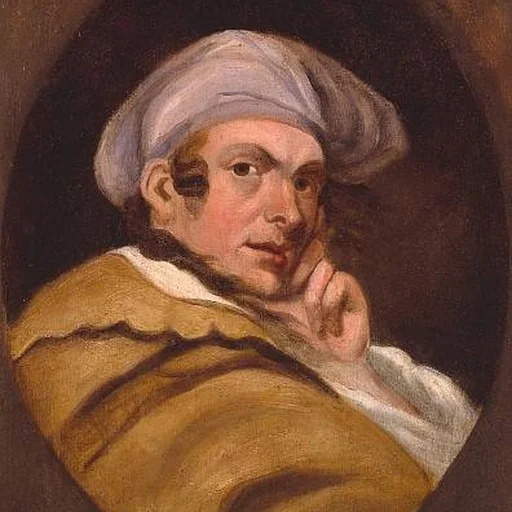
John Hamilton Mortimer (17 September 1740 – 4 February 1779) was a British figure and landscape painter and printmaker, known for romantic paintings set in Italy, works depicting conversations, and works drawn in the…

![Mucius Scaevola [recto], by John Hamilton Mortimer](https://artifactworldgallery.com/img/john-hamilton-mortimer--mucius-scaevola-recto--0de678fa443f7962-w320.webp)
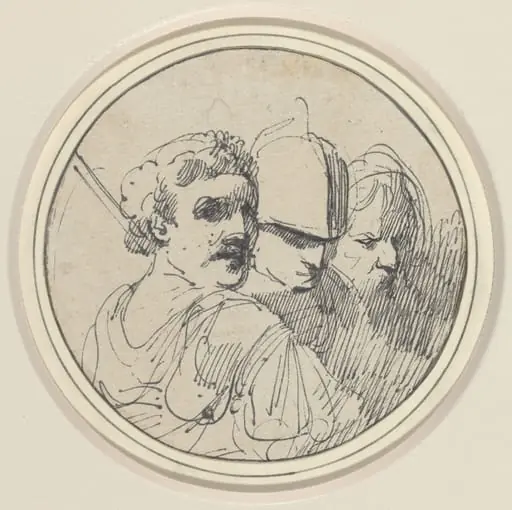
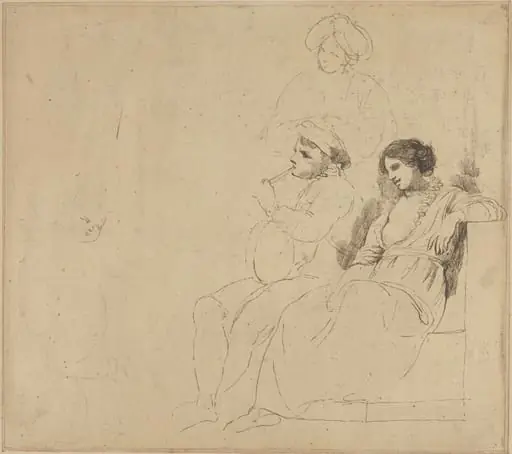
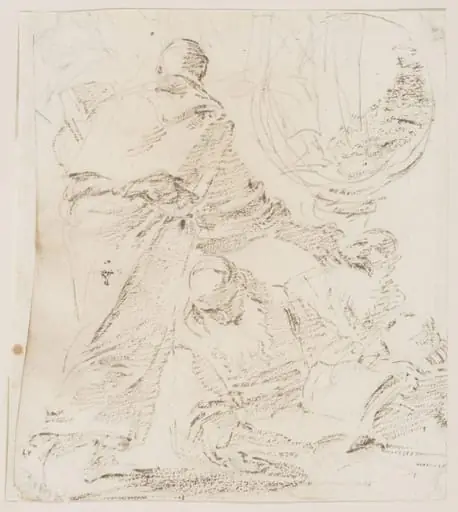 Recto: Three monks; verso: Slight sketch of a woman reclining, above: The lower portion of another figure
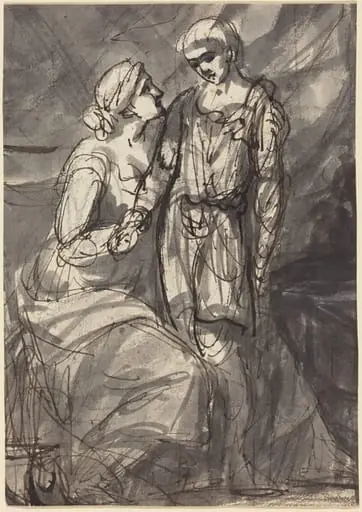 Two Figures in Classical Dress
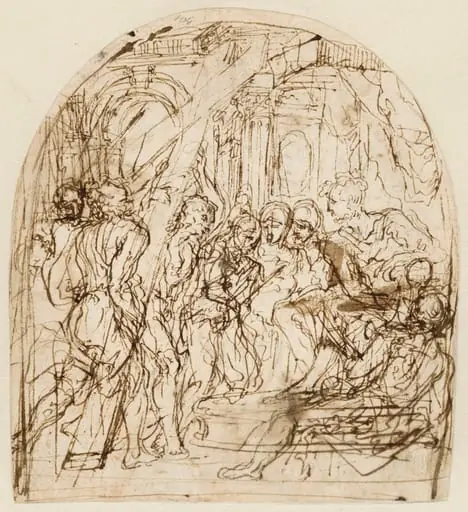 Christ Carrying the Cross
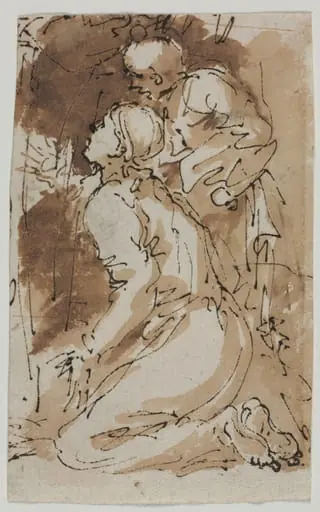 Figure Studies
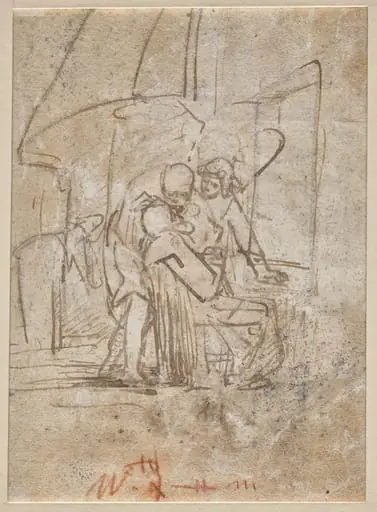 The Healing of Tobit (verso)
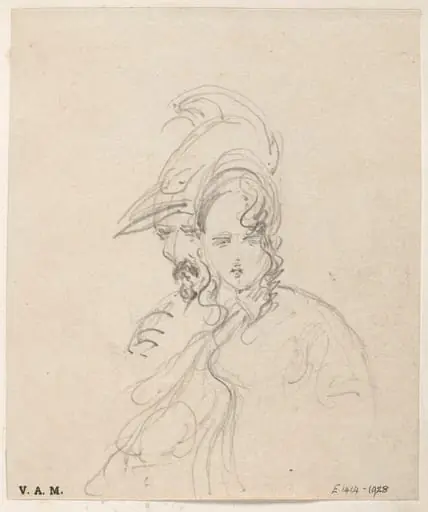 A Western woman and a bearded man in a helmet
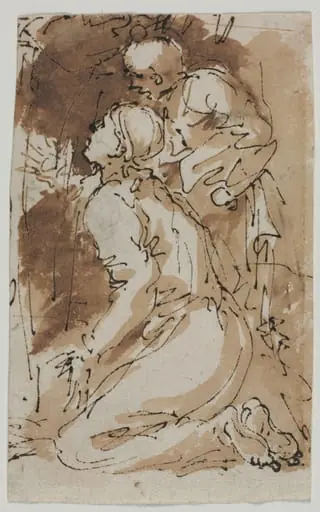 Figure Studies (recto)
 The Virgin and Saint John
 The Madonna and Child Seated on a Dais with Tobias and the Angel and a Saint Presenting Two Children
 Study of a Standing Woman