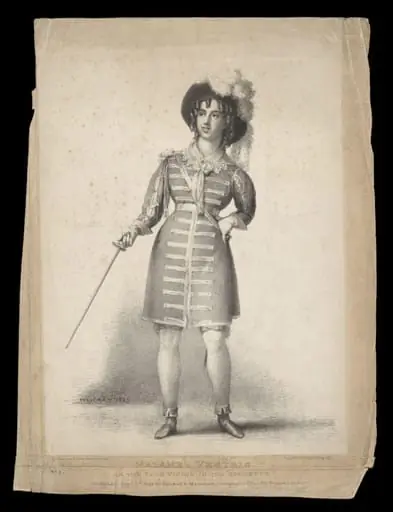
Artwork
H Beard Print Collection
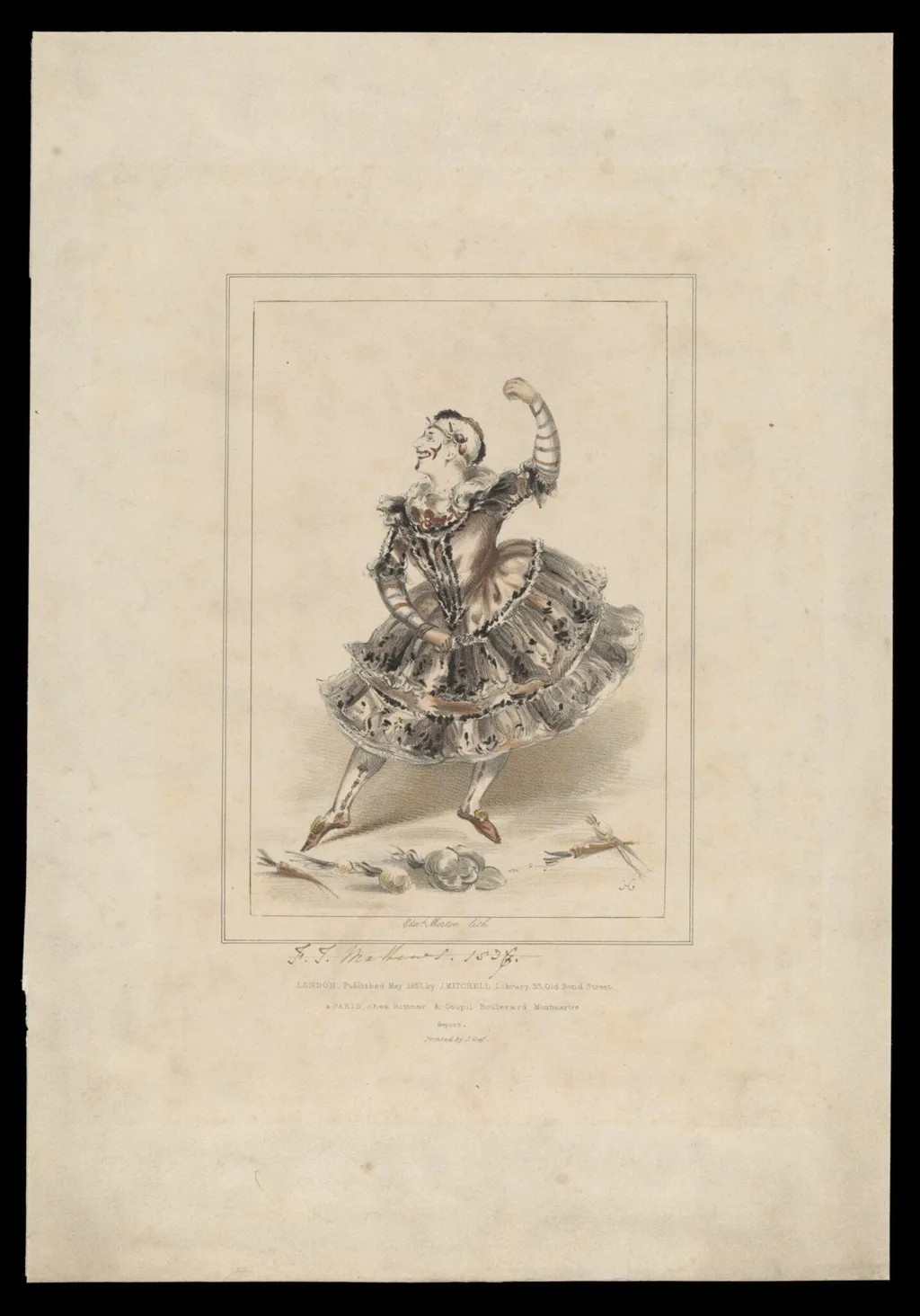
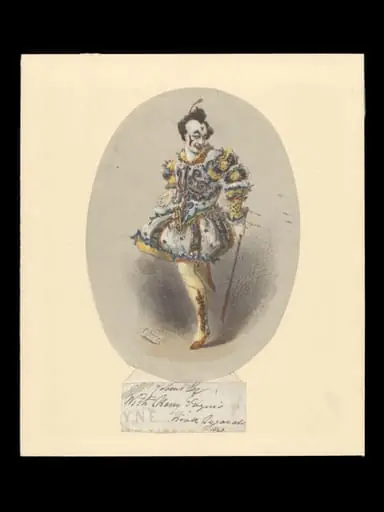
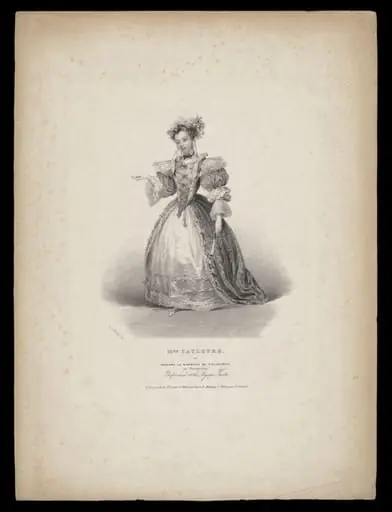
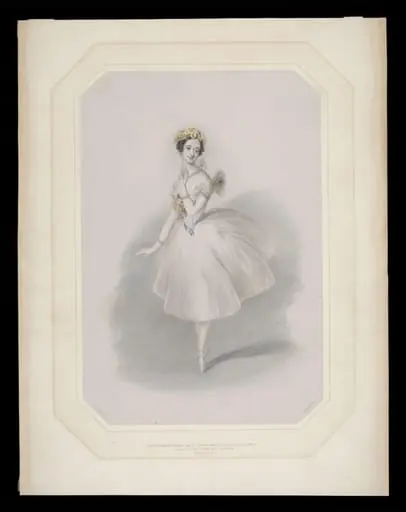
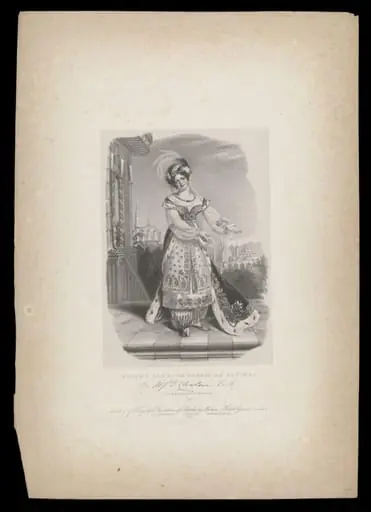
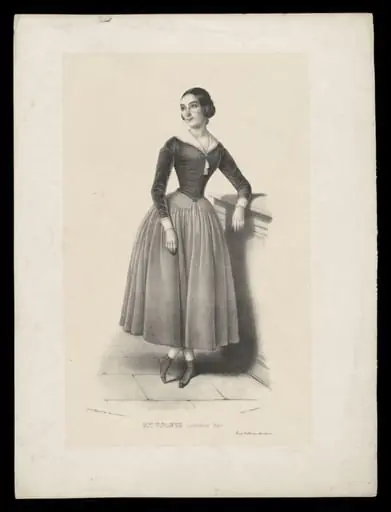
H Beard Print Collection is a print by the Romanticist artist Edward Morton. It dates from 1837 and is held in the collection of the Victoria and Albert Museum. A hand-colored engraving from 1837, produced by J.
About this work
This print shows John Thomas Mathews, a clown, in 1837. Edward Morton made it as a hand-colored engraving for J. Mitchell’s shop. The Romantic era loved bold, emotional portraits like this.
Back then, clowns were new stars in British print culture. This one stands out because a real performer posed for the image.
Look up the Victoria and Albert Museum to see more Romantic prints.
Overview
A hand-colored engraving from 1837, produced by J. Mitchell’s publishing house, portrays the British clown John Thomas Mathews. Created by artist Edward Morton, the print captures a live performer rather than a fictional character, reflecting a growing interest in real theatrical figures during the Romantic period. Its production method and coloring align with popular print culture of the era.
Subject & Meaning
John Thomas Mathews was a recognized performer in London’s music halls, known for his physical comedy and expressive gestures. This portrait elevates him beyond mere entertainment, presenting him with dignity and individuality. The image suggests a cultural shift in which clowns were no longer seen as lowbrow figures but as compelling subjects worthy of artistic representation.
Technique & Style
The print is an engraved line work, delicately hand-colored to enhance facial features and costume details. The Romantic style emphasizes dramatic lighting and emotional intensity, with Mathews’ gaze directed outward, engaging the viewer. The composition avoids caricature, favoring a naturalistic portrayal that reflects contemporary tastes for psychological depth in portraiture.
History & Provenance
Produced in 1837 by Edward Morton for publisher J. Mitchell, the print was part of a series documenting contemporary performers. Mitchell’s shop specialized in theatrical imagery, catering to a public increasingly fascinated by celebrity culture. The print’s survival in collections like the Victoria and Albert Museum indicates its significance as a record of early 19th-century stage life.
Context
In the 1830s, British print culture saw a surge in images of actors and clowns, fueled by rising literacy and urban entertainment. Clowns, once marginal, became central figures in popular media. This print reflects broader societal changes: the blurring of class boundaries in public performance and the commercialization of theatrical fame through mass-produced imagery.
Legacy
The portrait contributes to the historical documentation of British clowning at a time when the role was evolving from slapstick to nuanced performance. It remains a valuable artifact for understanding how popular entertainers were visualized and consumed. Its preservation in institutional collections ensures continued study of 19th-century visual culture and performance history.
Artist & collection
Artist
Edward Morton kept a tiny printing press under his bed in Paris and ran off hand-colored lithographs at 2 a.m.