Artwork
Print Collection
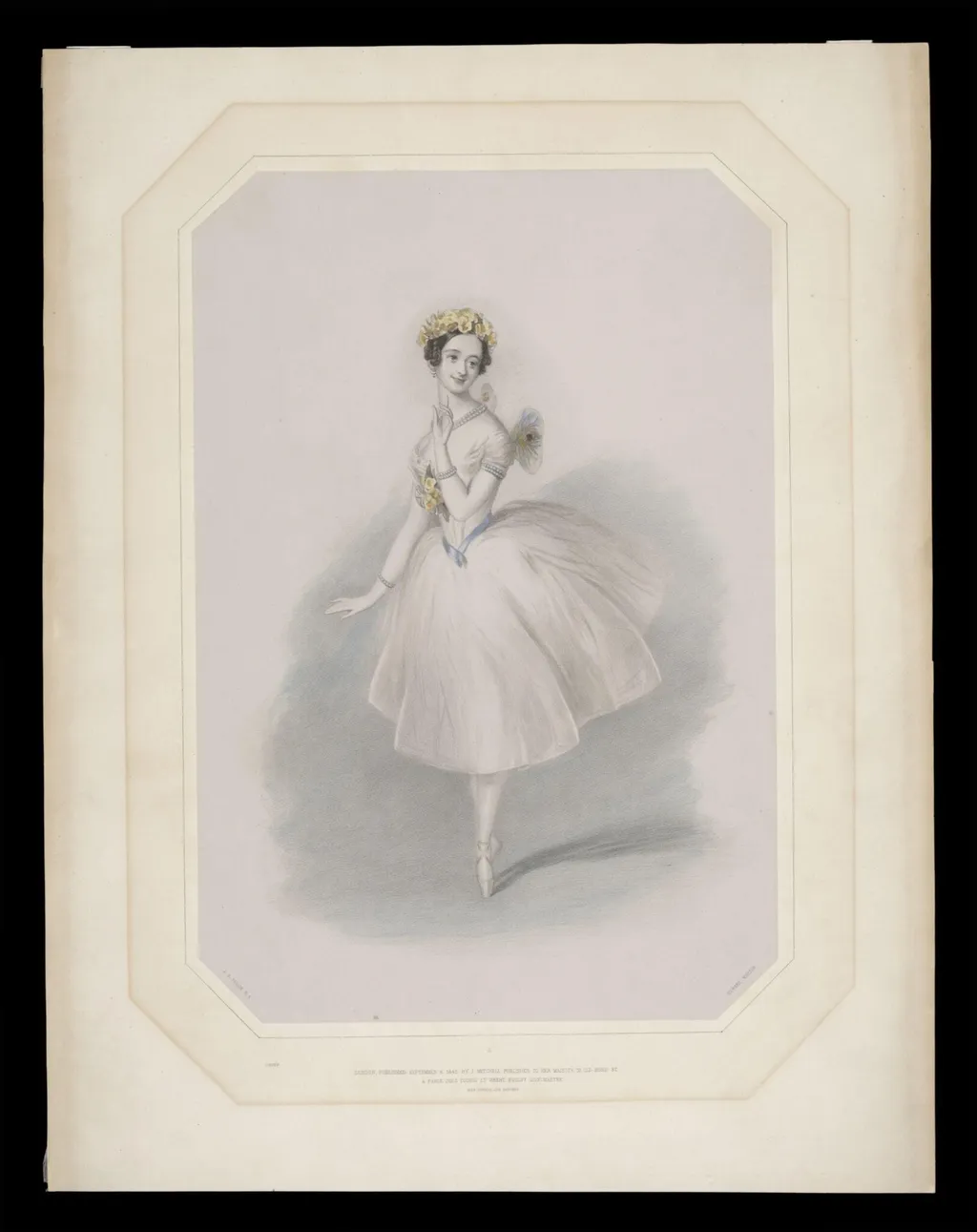
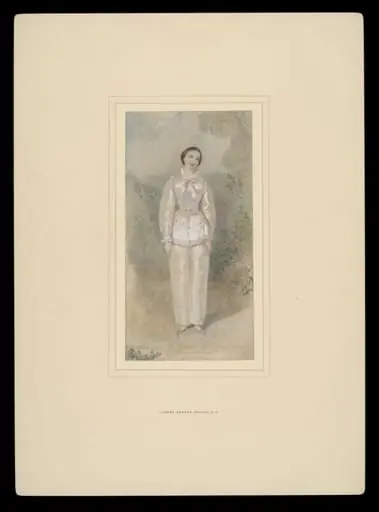
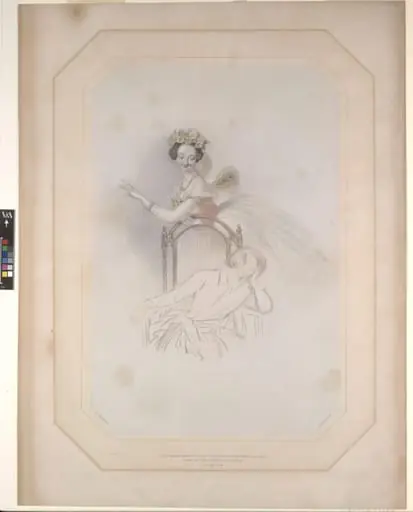
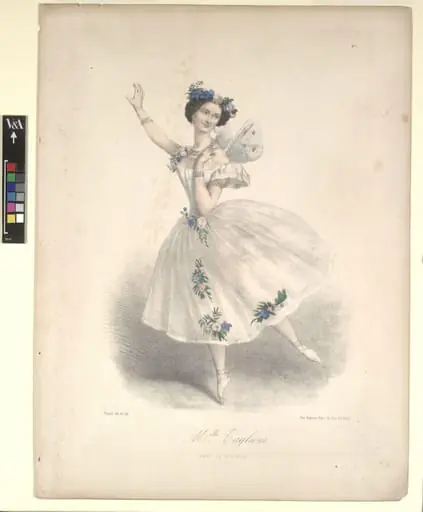
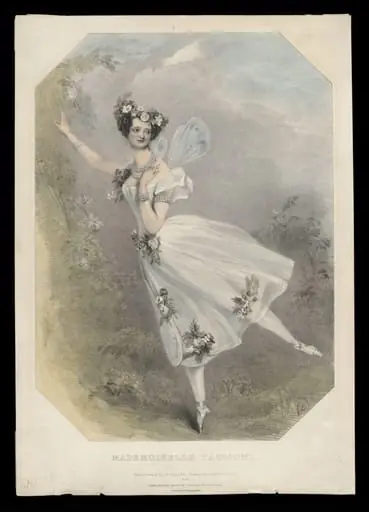
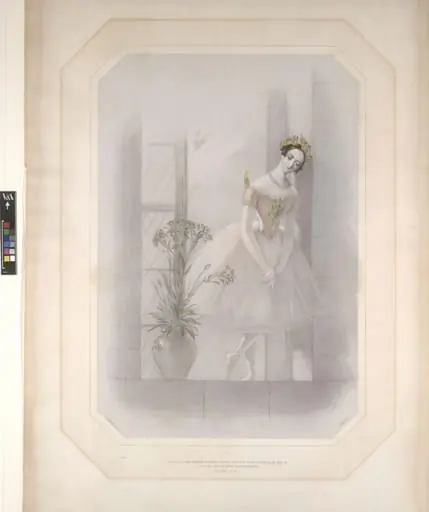
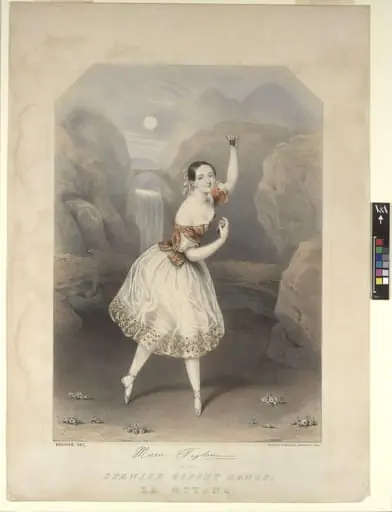
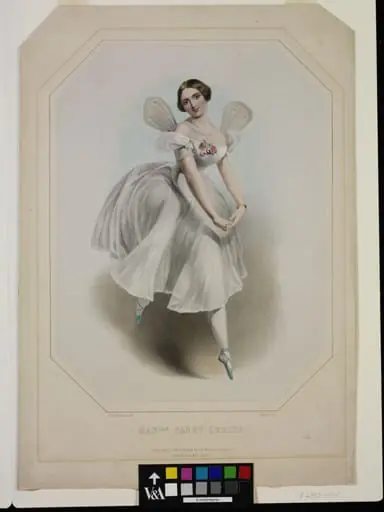
Print Collection is a print by the Romanticist artist Alfred Edward Chalon. It dates from 8 and is held in the collection of the Victoria and Albert Museum. This hand-colored lithograph from 1845 captures Marie Taglioni in her defining role as the Sylph from the ballet La Sylphide.
About this work
This print shows Marie Taglioni in her famous role as the Sylph from the ballet *La Sylphide*. It’s a hand-colored lithograph made in 1845.
Taglioni’s father created the ballet in 1832 to highlight her incredible skill, especially dancing on pointe. Back then, this move stunned audiences because it looked almost magical.
Want to see more Romantic art? Check out the Victoria and Albert Museum.
Overview
The medium—lithography enhanced with delicate watercolor—reflects the era’s demand for accessible, intimate portraits of celebrated performers.
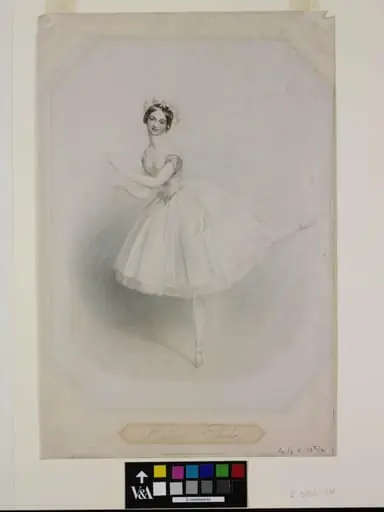
This hand-colored lithograph from 1845 captures Marie Taglioni in her defining role as the Sylph from the ballet La Sylphide. Created by Edward Morton after a drawing by A. E. Chalon, the print was produced as a souvenir for audiences captivated by her performance. The medium—lithography enhanced with delicate watercolor—reflects the era’s demand for accessible, intimate portraits of celebrated performers.
Subject & Meaning
Taglioni portrays the Sylph, a supernatural forest spirit, embodying the Romantic ideal of ethereal otherworldliness. Her elevated posture and floating costume emphasize weightlessness, reinforcing the character’s detachment from earthly bounds. The role was not merely theatrical but symbolic, representing purity, mystery, and the sublime—a contrast to the material world that audiences of the time deeply felt.
Technique & Style
The print employs lithography with meticulous hand-coloring to replicate the delicate textures of Taglioni’s costume and the softness of her movement. Chalon’s original drawing captures her poised stance with subtle grace, while Morton’s coloring enhances the translucency of her tulle skirt and the luminosity of her skin. The style aligns with Romantic portraiture, favoring emotional resonance over strict realism.
History & Provenance
Produced in 1845, the print was part of a series commemorating Taglioni’s farewell performances. It derives from a sketch made during her peak years, following the 1832 premiere of La Sylphide, choreographed by her father Filippo. As one of the earliest mass-produced images of a dancer in a signature role, it circulated widely among European art and theater enthusiasts.
Context
In the 1830s, pointe work was newly refined as an expressive device rather than a novelty. La Sylphide’s use of this technique transformed ballet into a vehicle for spiritual storytelling. Audiences perceived Taglioni’s movements as supernatural—a visual metaphor for the Romantic fascination with the unseen and the ideal. This print helped cement that perception beyond the stage.
Legacy
The image endures as a document of ballet’s evolution into a narrative art form. Taglioni’s portrayal established the archetype of the ethereal female dancer, influencing generations of choreographers and visual artists. The print itself represents the growing intersection of theater, print culture, and public celebrity in the 19th century, preserving a moment when dance became a visual myth.
Artist & collection

Artist
Alfred Edward Chalon was a Swiss-born British portraitist. He lived in London where he was noticed by Queen Victoria.