Artwork
Isaac Henry
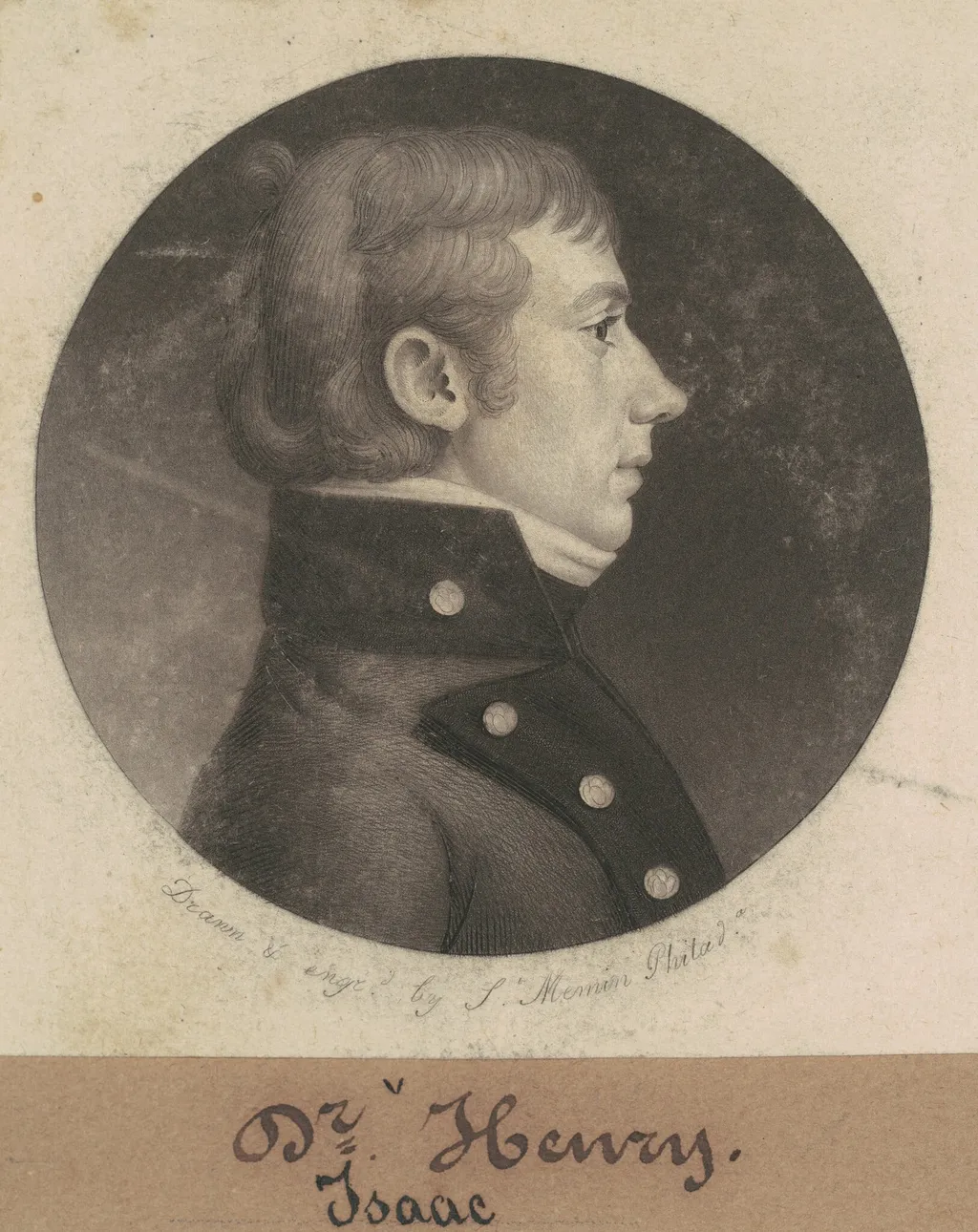
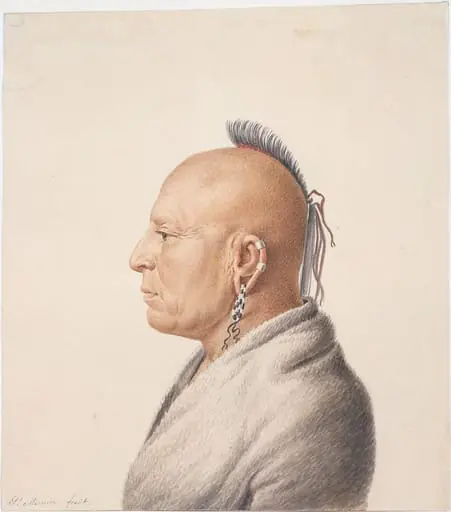
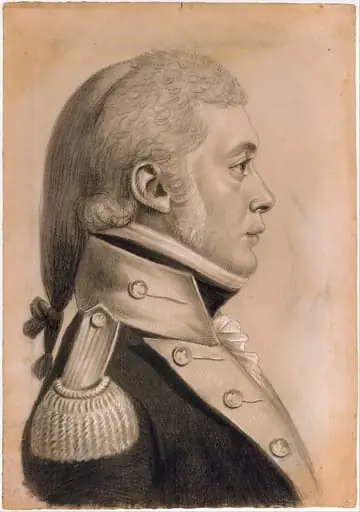
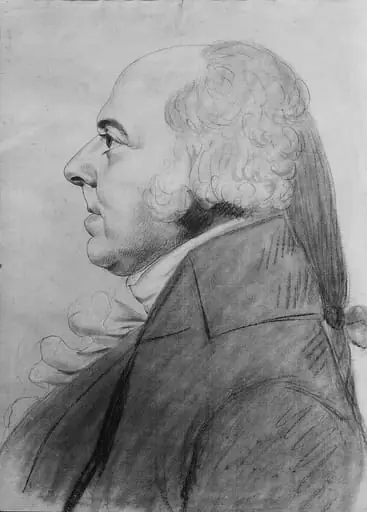
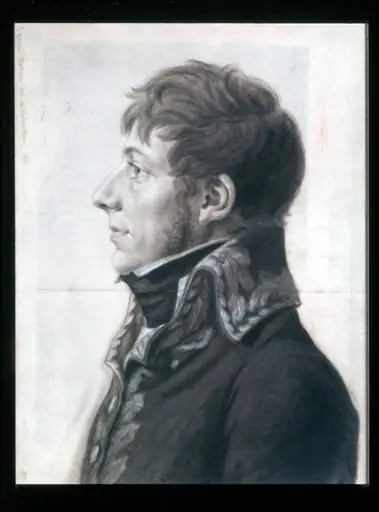
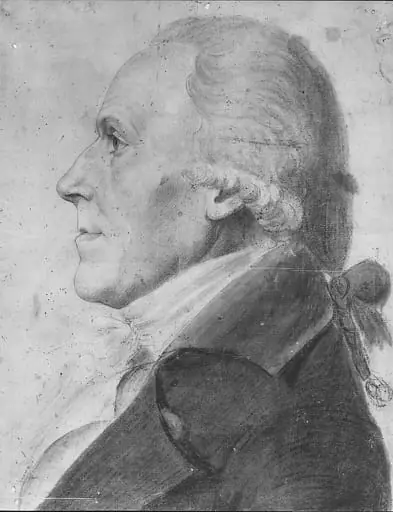
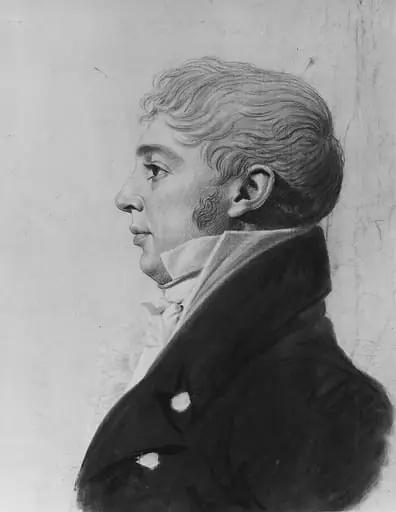
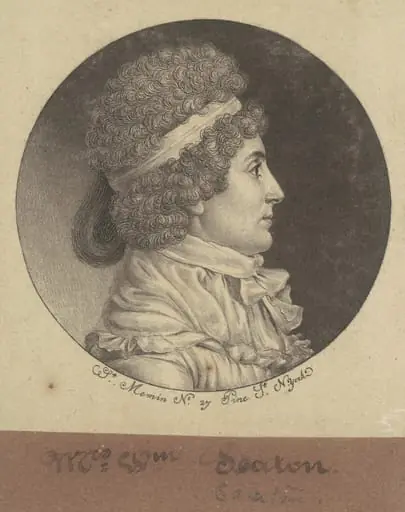
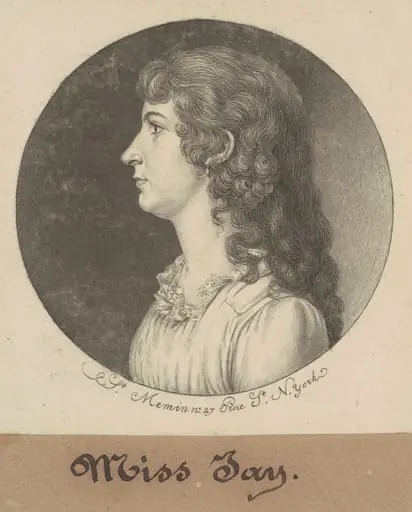
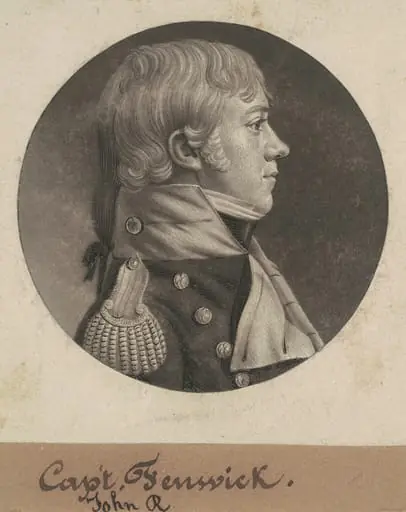
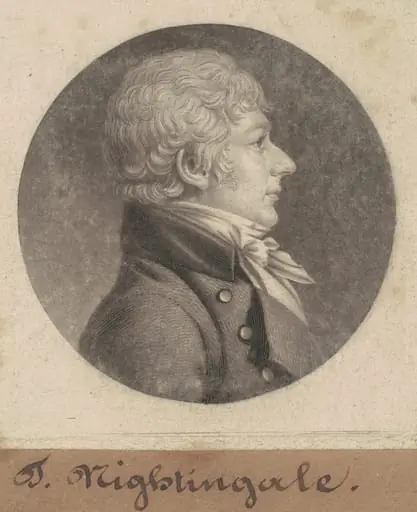
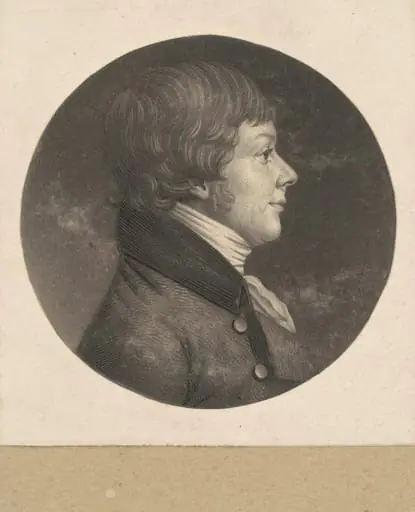
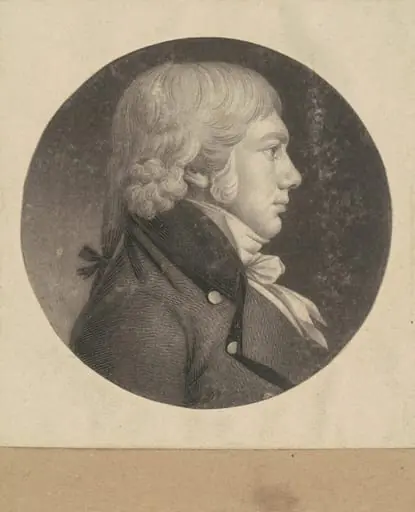
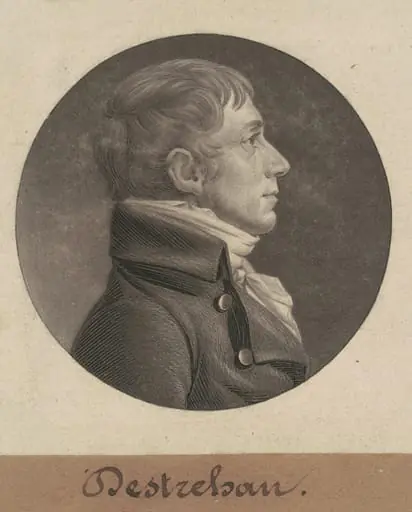
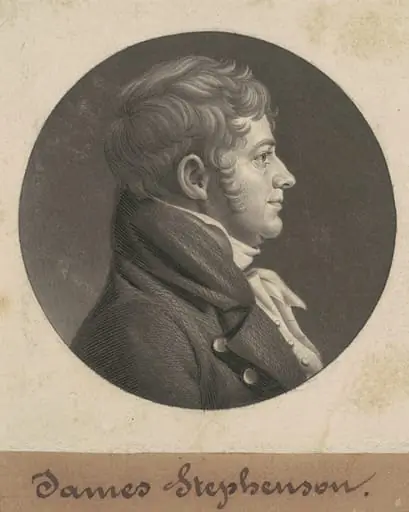
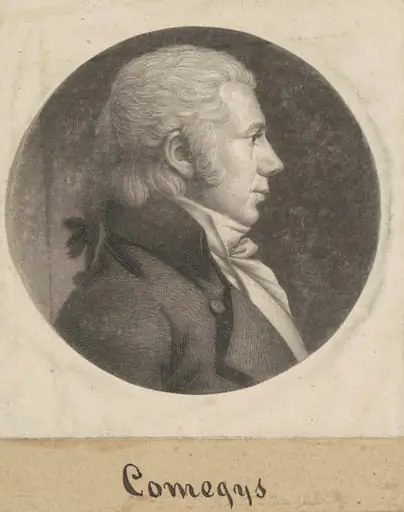
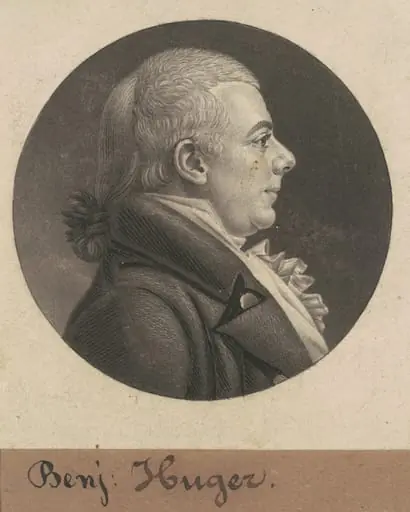
Isaac Henry is an ink print by the Romanticist artist Charles Balthazar Julien Févret de Saint-Mémin. It dates from 1802 and is held in the collection of the National Gallery of Art. This small portrait, created between 1807 and 1808, is a mezzotint and engraving on wove paper, mounted to a brown wove support.
About this work
Overview
This small portrait, created between 1807 and 1808, is a mezzotint and engraving on wove paper, mounted to a brown wove support. Measuring just over five and a half centimeters square, it presents a tightly framed profile of a man’s upper torso. The work belongs to the Corcoran Collection and exemplifies the precision demanded by miniature portraiture in early 19th-century America.
Subject & Meaning
The sitter, identified as Isaac Henry, is rendered in strict profile, a convention often used to convey dignity and clarity of character.
The sitter, identified as Isaac Henry, is rendered in strict profile, a convention often used to convey dignity and clarity of character. His short, neatly arranged hair and defined facial structure suggest a man of composure and social standing. The absence of contextual elements focuses attention entirely on the individual, reflecting a preference for restrained, personal representation in domestic portraiture of the period.
Technique & Style
Saint-Mémin employed mezzotint for subtle tonal gradations and engraving for sharp, linear definition, combining both to achieve remarkable detail within a minute format. The contrast between smooth skin tones and the crisp texture of hair demonstrates technical control. The limited space heightens the challenge, making the clarity of form and the delicacy of shading particularly notable achievements in miniature printmaking.
History & Provenance
The portrait was produced during Saint-Mémin’s active years in the United States, where he specialized in profile portraits for the American elite. It entered the Corcoran Collection in the 19th century and remained part of its holdings until the collection’s dispersal. Its survival in near-original condition reflects careful preservation, typical of works intended for private rather than public display.
Context
In the early 1800s, profile portraits in print were popular as affordable alternatives to painted miniatures. Saint-Mémin’s method, rooted in French academic tradition, adapted to American tastes by emphasizing clarity and likeness over ornamentation. This work aligns with a broader trend of using print technology to disseminate images of prominent individuals to a growing middle-class audience.
Legacy
Saint-Mémin’s profile portraits, including this one, contributed to the standardization of the American portrait print. His technical approach influenced later engravers working in small-scale portraiture. Though not widely exhibited today, such works remain important for understanding how identity and status were visually codified in early American society through accessible media.
Artist & collection

Artist
Charles Balthazar Julien Févret de Saint-Mémin
Charles Balthazar Julien Févret de Saint-Mémin (French pronunciation: ; 1770–1852) was a French portrait painter and museum director.