Artwork
H Beard Print Collection
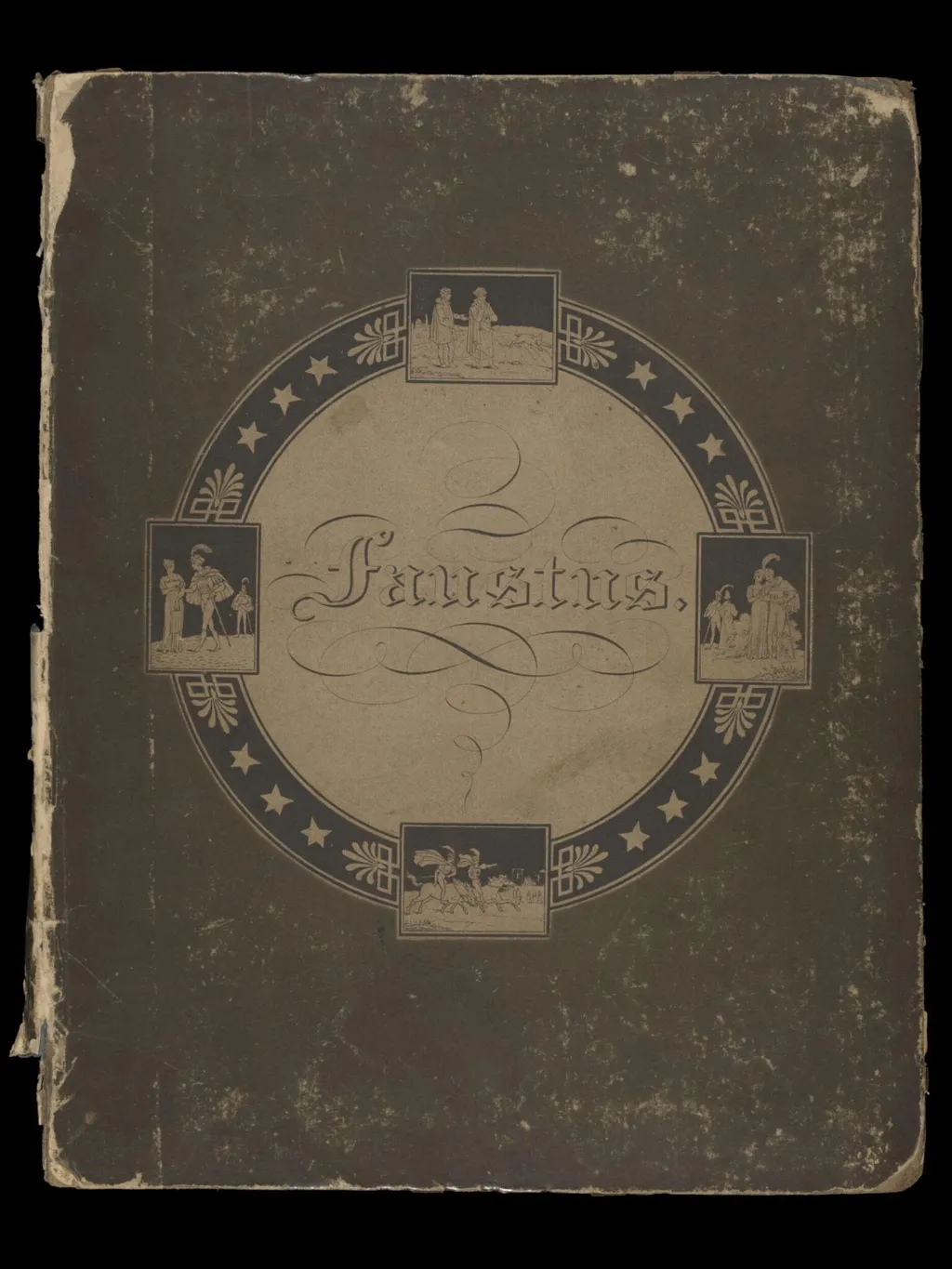
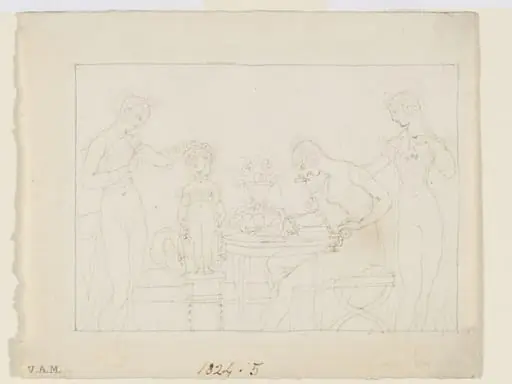
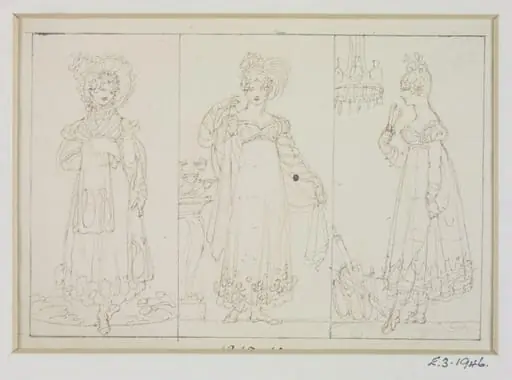
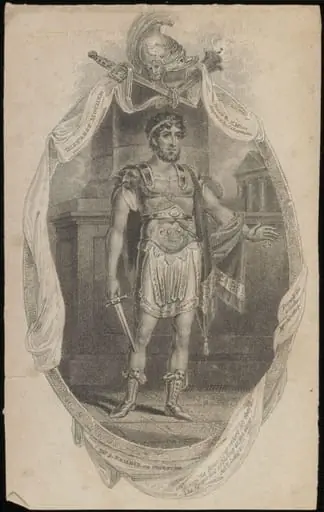
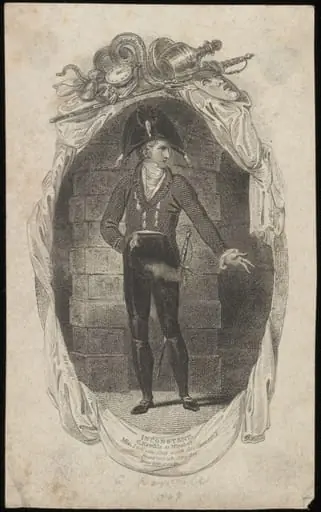
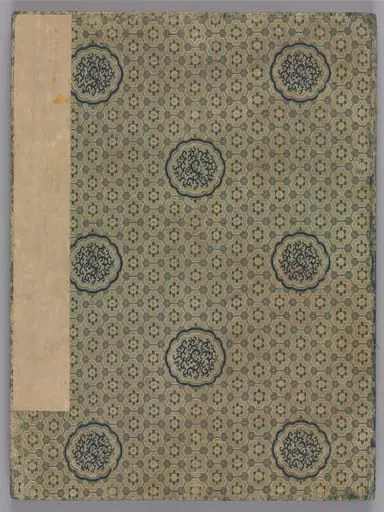
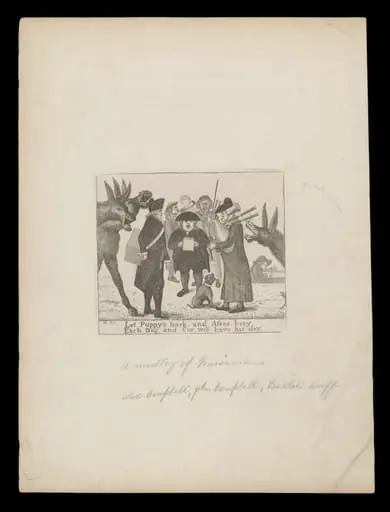
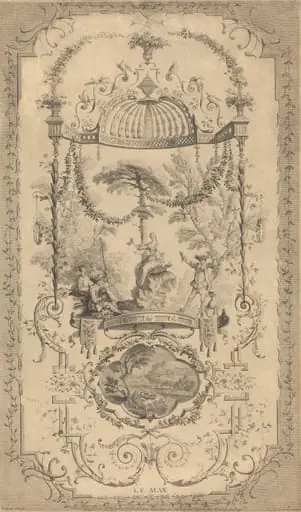
H Beard Print Collection is a print by the Romanticist artist Henry Moses. It dates from 1820 and is held in the collection of the Victoria and Albert Museum.
About this work
You can learn more about this style at the Victoria and Albert Museum or by looking into the movement of Romanticism.
The H Beard Print Collection is a print made by Henry Moses in 1820.
It's part of a picture book of Faustus by Goethe.
This collection includes 26 illustrations and a frontispiece, which suggests it's a detailed and thorough work.
The book's connection to Goethe's Faustus is interesting because it shows how art can interpret literature.
You can learn more about this style at the Victoria and Albert Museum or by looking into the movement of Romanticism.
Overview
The H Beard Print Collection comprises a set of 27 engraved illustrations, including a frontispiece, created by Henry Moses in 1820. These prints were produced as part of a illustrated edition of Goethe’s Faust, serving as visual companions to the text. The collection reflects the 19th-century practice of enhancing literary works with detailed imagery, making the narrative more accessible to a broader audience.
Subject & Meaning
The illustrations depict key scenes from Goethe’s Faust, focusing on themes of ambition, temptation, and moral struggle. Moses rendered characters and settings with symbolic detail, aligning with the Romantic fascination with the sublime and the supernatural. Each image functions as a narrative pause, inviting viewers to reflect on the psychological depth of the drama rather than merely recounting its plot.
Technique & Style
Moses employed fine-line engraving to achieve intricate textures and tonal gradations, typical of early 19th-century book illustration. His style blends precision with atmospheric shading, evoking the emotional weight of Goethe’s text. The compositions emphasize dramatic lighting and expressive figures, reflecting the influence of Romantic aesthetics while adhering to the constraints of reproductive printmaking.
History & Provenance
The prints were produced in London in 1820 as part of a limited illustrated edition of Faust. They entered the H Beard Print Collection, a private assemblage of theatrical and literary engravings, which later became part of a public archive. The collection’s survival offers insight into the circulation of illustrated literature during the early Victorian period.
Context
In the early 1800s, illustrated editions of major literary works were increasingly popular, driven by rising literacy and print technology. Moses’s illustrations for Faust responded to a cultural appetite for visual interpretations of German Romantic literature in Britain. This trend paralleled broader European interest in Goethe’s work and the rise of print culture as a medium for intellectual engagement.
Legacy
Though Moses’s illustrations are not widely reproduced today, they remain significant as examples of how literature was visually mediated in the Romantic era. Their presence in institutional collections, such as those at the Victoria and Albert Museum, underscores their role in documenting the intersection of print, literature, and visual culture in 19th-century Britain.
Artist & collection
Artist
Henry Moses made delicate drawings and prints in early 1800s England. In *A woman sketching a child with the aid of a camera lucida* (1818–1836) he captured everyday scenes with a light touch. His *H Beard Print…