Artwork
A woman sketching a child with the aid of a camera lucida
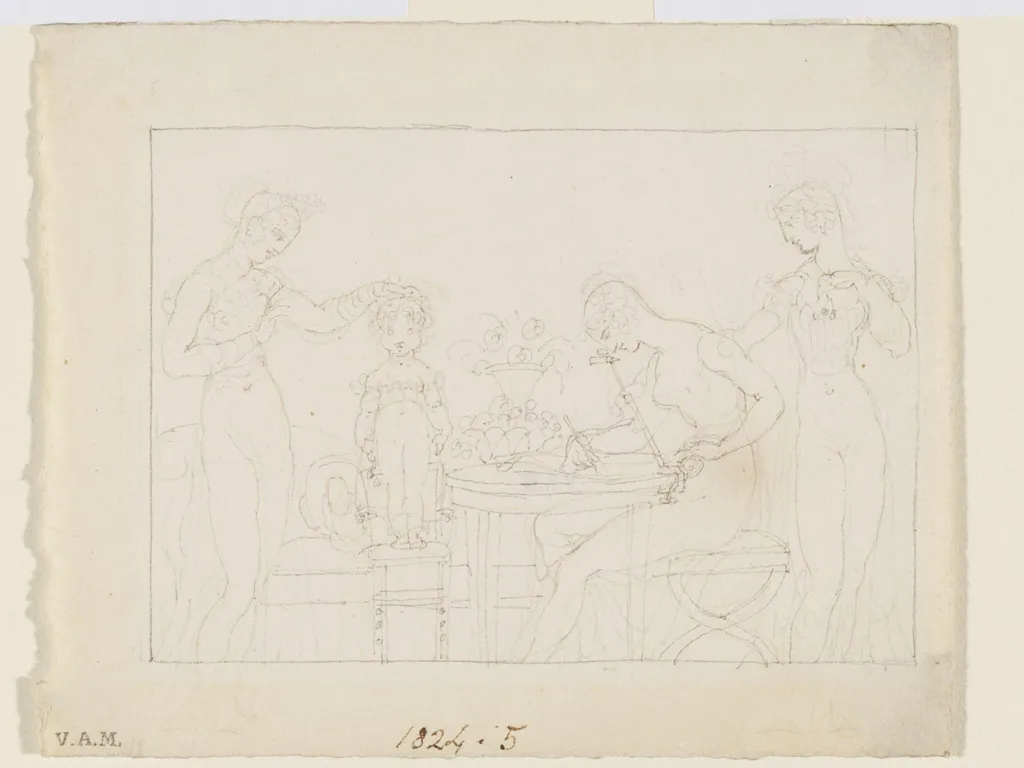
A woman sketching a child with the aid of a camera lucida is a drawing by the Romanticist artist Henry Moses. It dates from 1827 and is held in the collection of the Victoria and Albert Museum.
About this work
Overview
This pencil, pen, ink, and red chalk drawing by Henry Moses captures a quiet domestic moment: a woman drawing a child with the aid of a camera lucida.
This pencil, pen, ink, and red chalk drawing by Henry Moses captures a quiet domestic moment: a woman drawing a child with the aid of a camera lucida. Two indistinct figures stand beside a plain table, their forms softened by the artist’s restrained line work. The composition emphasizes stillness and concentration, with no decorative elements to distract from the act of observation and reproduction.
Subject & Meaning
The scene portrays a woman engaged in the technical process of translating a child’s likeness onto paper using optical assistance. The child, standing on a stool and gazing downward, is both subject and silent participant. The presence of the camera lucida suggests an interest in accuracy and mediation, reflecting broader 19th-century shifts in how visual truth was sought and constructed through tools rather than pure memory or intuition.
Technique & Style
Moses employs fine, controlled lines in pencil and ink, complemented by subtle red chalk for tonal warmth. The shading is delicate, avoiding bold contrasts to preserve the scene’s tranquility. The figures are rendered with minimal detail, focusing attention on the interaction between observer, subject, and instrument. The absence of background detail reinforces the intimacy and solitude of the moment.
History & Provenance
Created in the early 19th century, the drawing reflects Moses’s engagement with emerging optical technologies in art. While little is documented about its early ownership, it survives as part of a small body of works by Moses that explore the intersection of art and science. Its preservation suggests recognition of its significance as a record of artistic practice during a period of technical transition.
Context
During the Romantic era, artists increasingly turned to devices like the camera lucida to achieve precision in portraiture. This drawing situates itself within that trend, not as a celebration of technology, but as a quiet meditation on its role in mediating perception. It aligns with broader cultural inquiries into vision, representation, and the changing nature of artistic authority.
Legacy
The drawing endures as a modest but telling document of artistic methodology in the early 1800s. It offers insight into how artists negotiated the tension between manual skill and mechanical aid, long before photography would redefine image-making. Its quiet realism and technical focus make it a valuable reference for understanding the evolution of visual practice in the modern age.
Artist & collection
Artist
Henry Moses made delicate drawings and prints in early 1800s England. In *A woman sketching a child with the aid of a camera lucida* (1818–1836) he captured everyday scenes with a light touch. His *H Beard Print…

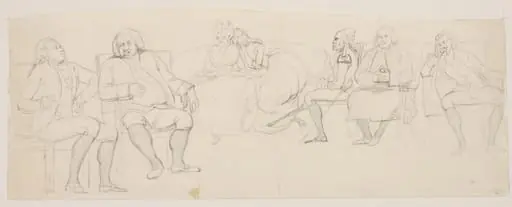 Interior of a drawing room
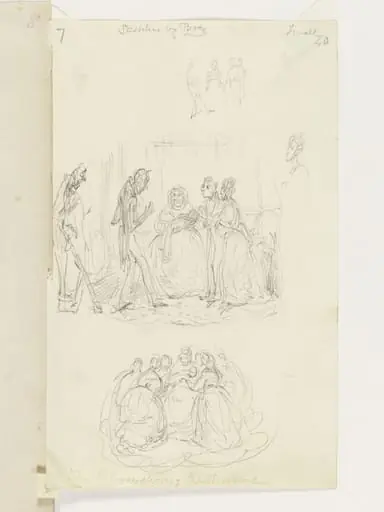 The Bloomsbury Christening
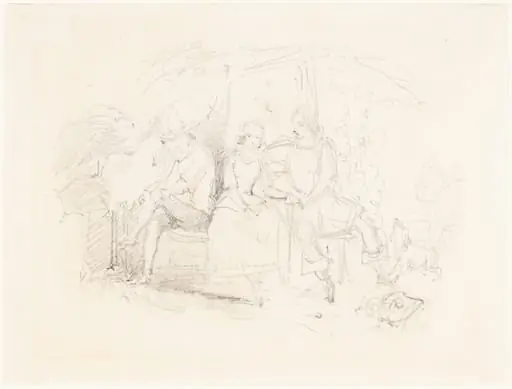 Lovers under a Tree
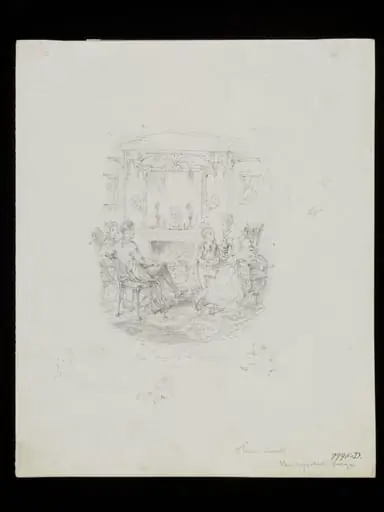 Rose Maylie and Oliver
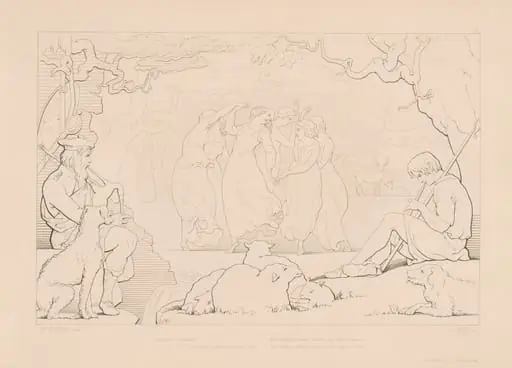 Delightful Wyoming!
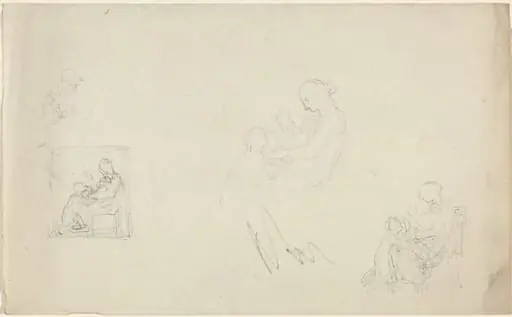 Four Studies of a Seated Woman with Children at Her Feet (Sketches for the Monument to Lady FitzHarris?)
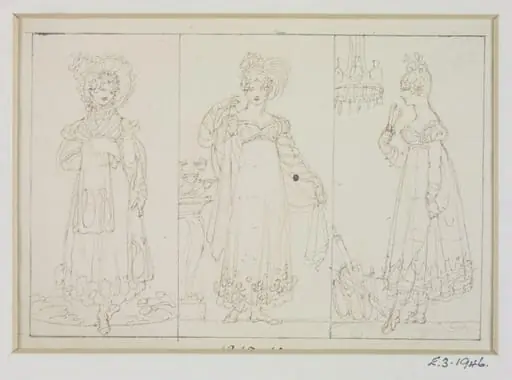
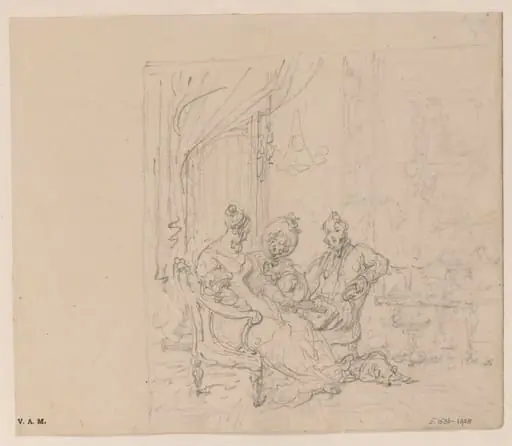 A sketch of three Western figures in a drawing room
![Sheet of Studies, including Warrior with Child [recto and verso], by John Flaxman](https://artifactworldgallery.com/img/john-flaxman--sheet-of-studies-including-warrior-with-child-recto-and-vers--5c5dd1ec083169b5-w320.webp) Sheet of Studies, including Warrior with Child [recto and verso]
Sheet of Studies, including Warrior with Child [recto and verso]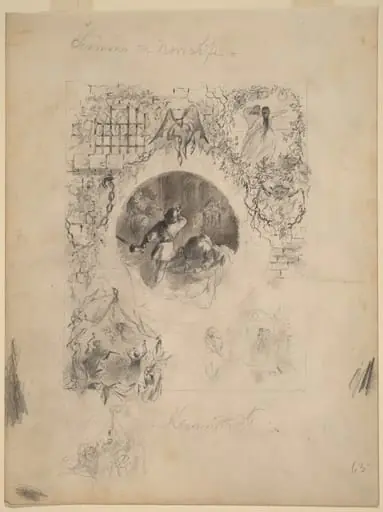 Title Page for Kensworth
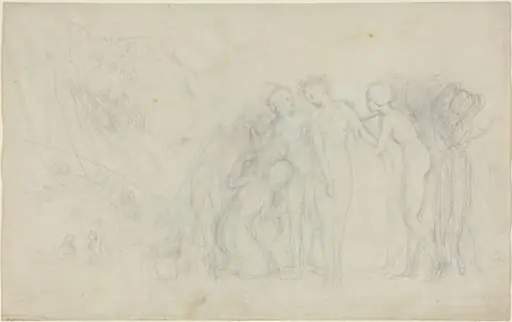 Group of Female Figures
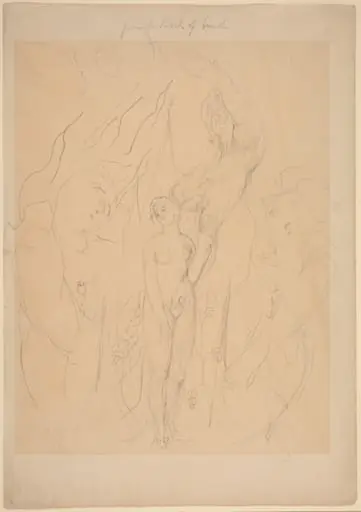 An Angel Teaching a Daughter of Men the Secrets of Sin
![Studies of Crowing Rooster and Reclining Figures [recto and verso], by John Flaxman](https://artifactworldgallery.com/img/john-flaxman--studies-of-crowing-rooster-and-reclining-figures-recto-and-v--6ae88f69b8f5a01b-w320.webp) Studies of Crowing Rooster and Reclining Figures [recto and verso]
Studies of Crowing Rooster and Reclining Figures [recto and verso]