Artwork
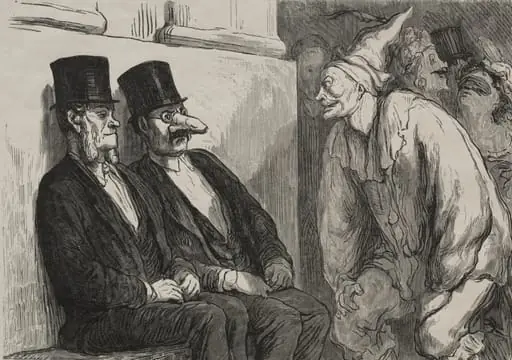
Tudor și moș Mitru, ilustrație la volumul „Neamul Șoimăreștilor” de Mihail Sadoveanu
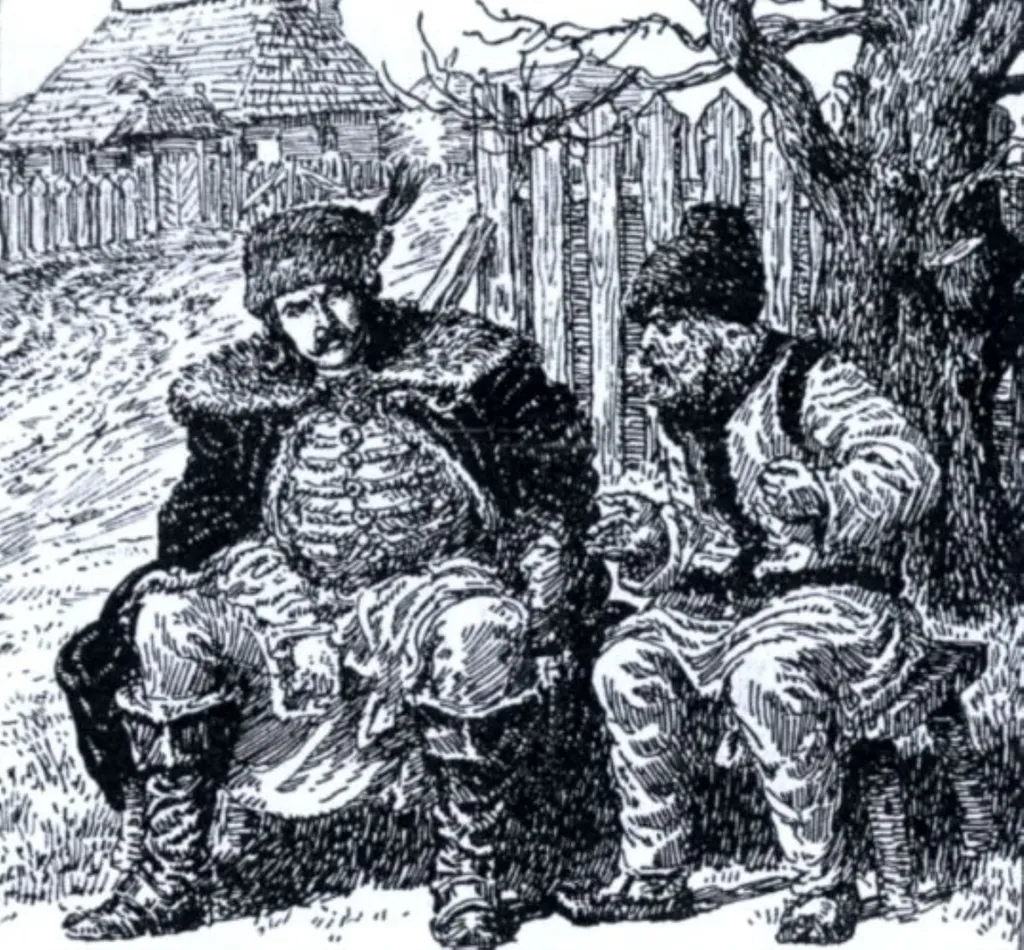
Tudor și moș Mitru, ilustrație la volumul „Neamul Șoimăreștilor” de Mihail Sadoveanu is a drawing by Aristomene Murnu-Gheorghiades. It dates from 1949 and is held in the collection of the Iași National Museum of Romanian Literature.
About this work
Overview
It captures a quiet moment between two male figures in a natural setting, rendered with meticulous line work that emphasizes texture and atmosphere over color.
Created around 1949 by Aristomene Murnu-Gheorghiades, this ink drawing illustrates a scene from Mihail Sadoveanu’s novel 'Neamul Șoimăreștilor.' The work is part of a series of illustrations commissioned for the book’s publication and is now held in the collection of the Museum of Ethnography. It captures a quiet moment between two male figures in a natural setting, rendered with meticulous line work that emphasizes texture and atmosphere over color.
Subject & Meaning
The illustration depicts Tudor and Moș Mitru, two characters from Sadoveanu’s novel, seated together on a wooden bench amid a dense forest. Their posture—casual, intimate—suggests a bond forged through shared experience. The presence of the pipe and the arm draped over the shoulder convey quiet companionship, reflecting themes of tradition, kinship, and rural life central to the novel’s narrative. The setting reinforces the connection between identity and landscape in Moldavian folklore.
Technique & Style
The artist employs dense cross-hatching to model form and texture, building shadows in fabric, fur, and foliage through layered, intersecting lines. The background trees are rendered as a dense, rhythmic wall of strokes, creating depth without perspective. This method, rooted in traditional draftsmanship, prioritizes tactile detail over realism, giving the scene a tactile, almost tactile quality. The absence of wash or tone keeps the focus on the precision of the line.
History & Provenance
The illustration was produced as part of a 1949 edition of Sadoveanu’s novel, commissioned to visually interpret its rural Moldavian setting. It entered the Museum of Ethnography’s collection shortly after its creation, likely through cultural institutions involved in promoting national literature. Its preservation reflects an interest in documenting the intersection of visual art and literary culture during the early communist period in Romania.
Context
In late 1940s Romania, state-supported publishing emphasized national themes, and illustrated editions of classic literature were used to reinforce cultural identity. Murnu-Gheorghiades’ work aligned with this agenda by visually anchoring Sadoveanu’s pastoral narratives in tangible, folkloric detail. The drawing’s emphasis on rural figures and natural environments resonated with official efforts to valorize peasant life as the foundation of national heritage.
Legacy
Though not widely exhibited outside institutional collections, this illustration remains a representative example of mid-20th-century Romanian book illustration. Its technique influenced later artists working in narrative drawing, particularly those exploring rural themes through linear precision. The work endures as a quiet testament to the dialogue between literature and visual art in Romania’s cultural history.
Artist & collection
Artist
Aristomene Murnu-Gheorghiades made drawings and sculptures tied to Romanian life around 1914.
Museum
Iași National Museum of Romanian Literature
Continue through works from the same source collection.
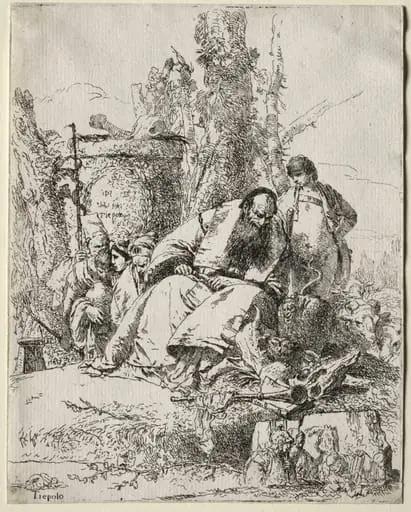 Scherzi di Fantasia: seated Magician, boy and four figures
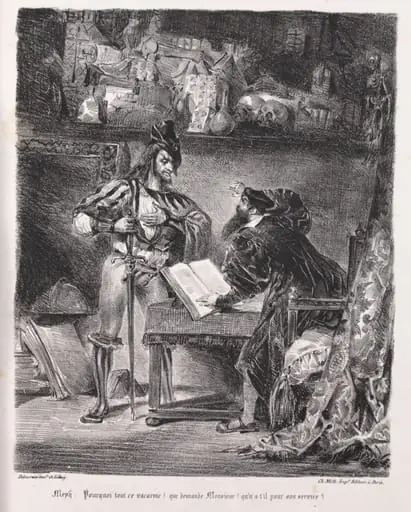 Illustrations for Faust: Méphistophélés visits Faust
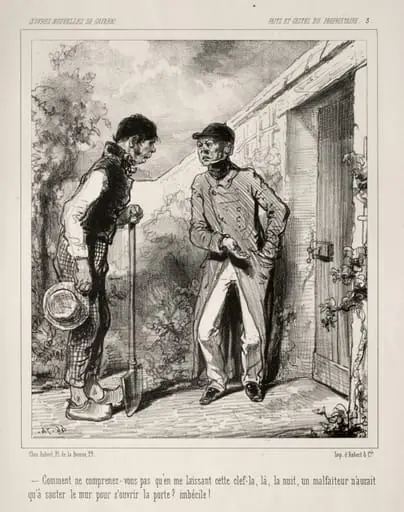 Faite et Gestes du Propriétaire
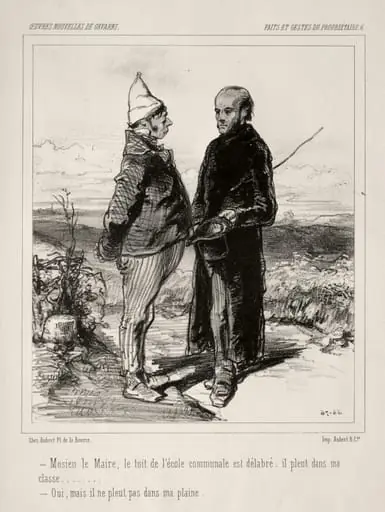 Les Martyrs
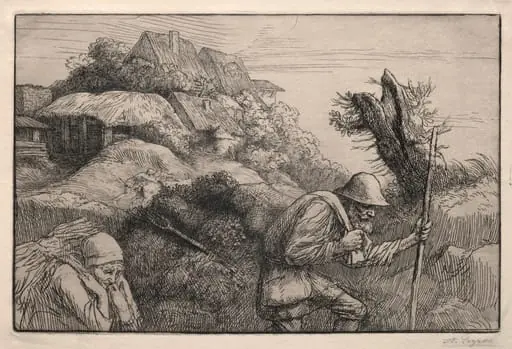 Return from the Woods
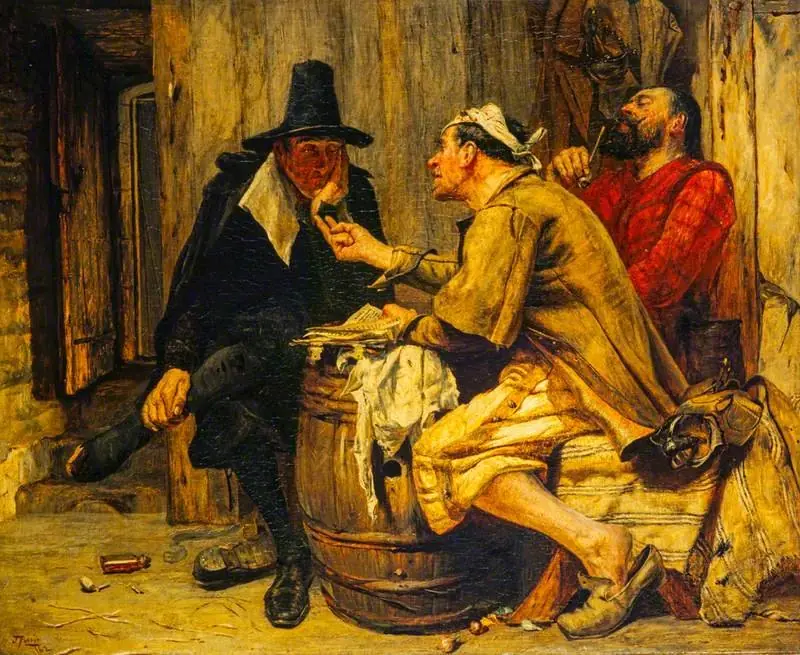 Cromwell's Saints
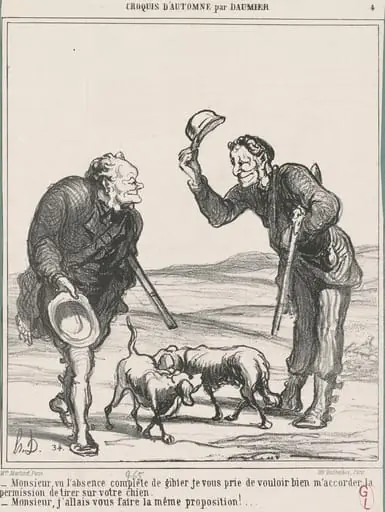 Monsieur, vu l'absence complète ...
 Horticulturist
 The Meeting of Esau and Jacob
 Desperate Man (Le desespere)
 Le Constitutionnel et le Juif errant
 At the Opera Ball: You are having too much fun!