Artwork
Πάντα Ρει -4-
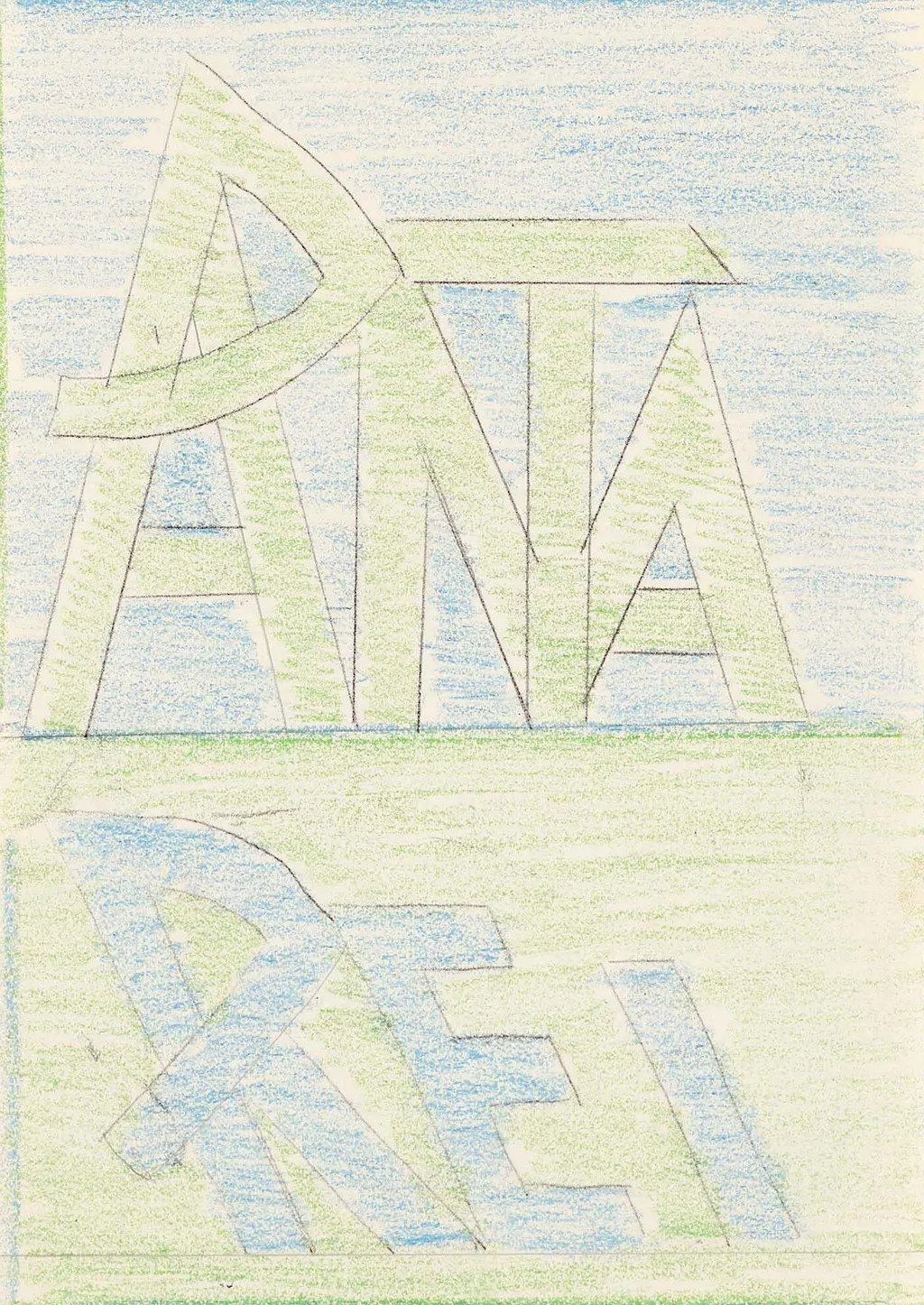
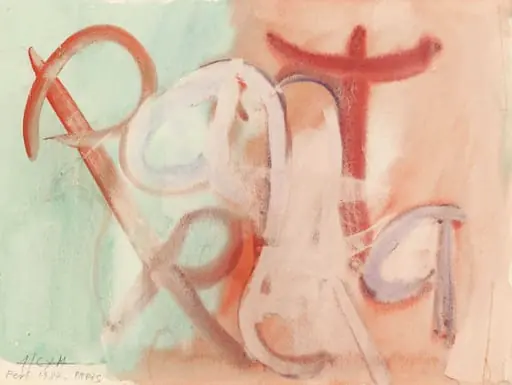
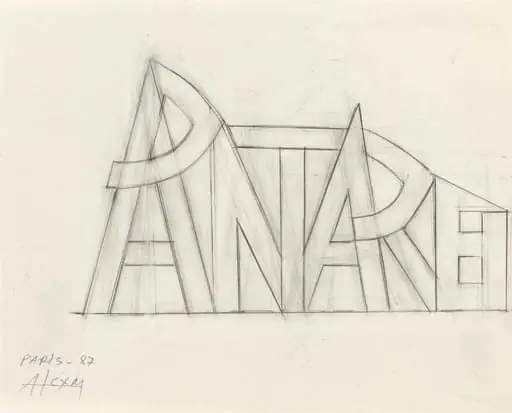
Πάντα Ρει -4- is a drawing by Alex Mylona. It dates from 1987 and is held in the collection of the Metropolitan Organisation of Museums of Visual Arts of Thessaloniki – MOMus.
About this work
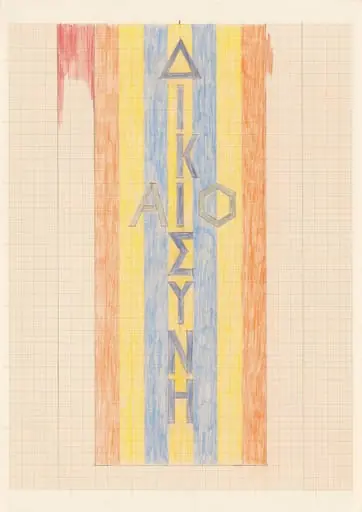
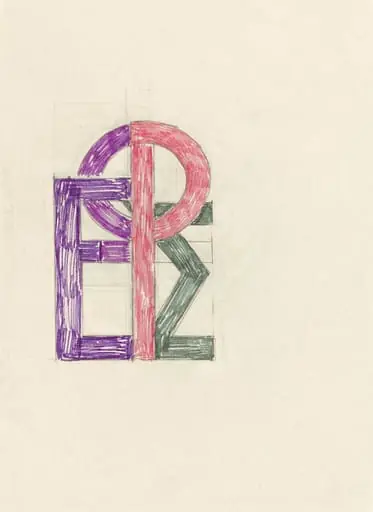
This drawing shows bold black letters spelling out “Πάντα Ρει,” Greek for “everything flows.
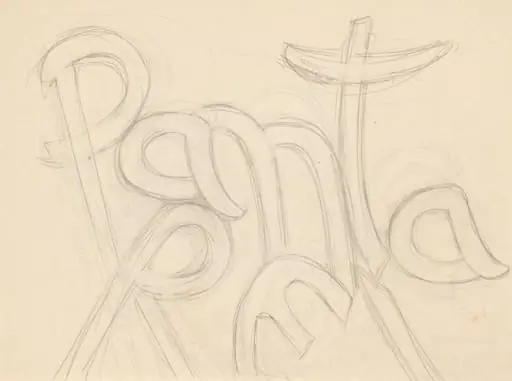
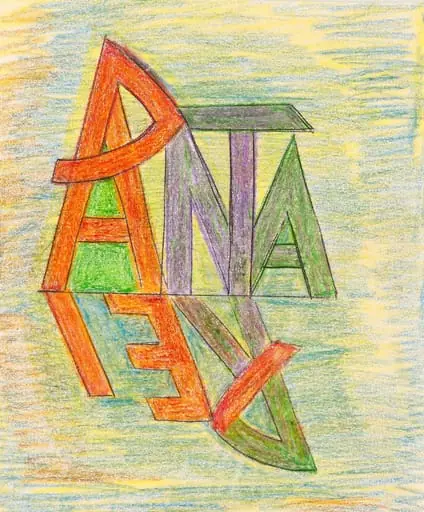
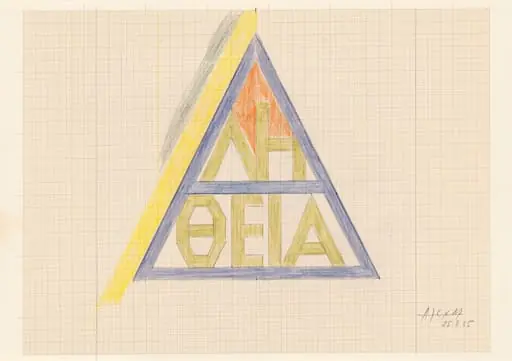
This drawing shows bold black letters spelling out “Πάντα Ρει,” Greek for “everything flows.” The letters look carved, not handwritten. The thick lines are hatched close together, like shading in stone.
Mylona used block letters to turn a philosopher’s idea into a visual thing. Heraclitus said change is the only constant, and this work makes that idea solid.
See how he chiseled the letters to feel carved. Look up Mylona, Alex (1920-2016).
Overview
Alex Mylona created this drawing in 1987 as part of a broader project translating abstract philosophical concepts into visual form. The phrase 'Πάντα Ρει'—'everything flows'—is rendered in bold, block-style Greek letters, stripped of ornamentation. The work belongs to a series exploring foundational human values, here focusing on impermanence as articulated by Heraclitus. The image is not a sketch but a resolved composition, intended as a precursor to sculptural realization.
Subject & Meaning
The phrase draws from Heraclitus’ assertion that all things are in constant flux. Mylona’s choice to depict this idea visually reflects his interest in making philosophical abstractions tangible. Rather than illustrating motion directly, he embeds the concept into the form of the letters themselves—rigid yet dynamic, static yet suggestive of erosion. The work invites contemplation of time’s passage through material presence.
Technique & Style
The letters are executed with dense, parallel hatching that mimics the texture of carved stone. Lines are uniform, deliberate, and tightly packed, avoiding any trace of hand-drawn spontaneity. The effect is one of incision rather than inscription, as if the words were chiseled into a surface. This method reinforces the permanence of the idea even as its content speaks to transience.
History & Provenance
Created in Paris during a period of intensive artistic development, this drawing emerged from Mylona’s mid-1980s exploration of language as sculptural material. It was one of several studies leading toward three-dimensional interpretations of philosophical terms. Though the final sculptures were never realized, this drawing remains a key document of his conceptual shift toward linguistic abstraction in visual art.
Context
Mylona’s work emerged in dialogue with postwar European conceptual art and Greek intellectual traditions. His use of ancient Greek text situates the piece within a lineage of philosophical inquiry, while the geometric rigor aligns with minimalism and concrete art. The choice of Heraclitus reflects a broader cultural interest in classical thought as a framework for contemporary existential questions.
Legacy
The drawing stands as a quiet but persistent meditation on impermanence, bridging classical philosophy and modern visual language. It exemplifies Mylona’s unique approach: reducing complex ideas to elemental forms without sacrificing their depth. Though not widely exhibited, it remains a significant reference in studies of Greek conceptual art and the materialization of text.
Artist & collection
Artist
Alex Mylona (Athens, 1920 – 2016) was a Greek sculptor, known for her multidimensional and experimental approach to art.
Museum
Metropolitan Organisation of Museums of Visual Arts of Thessaloniki – MOMus
Continue through works from the same source collection.