Artwork
Alexandre Dumas père (1802-1870)
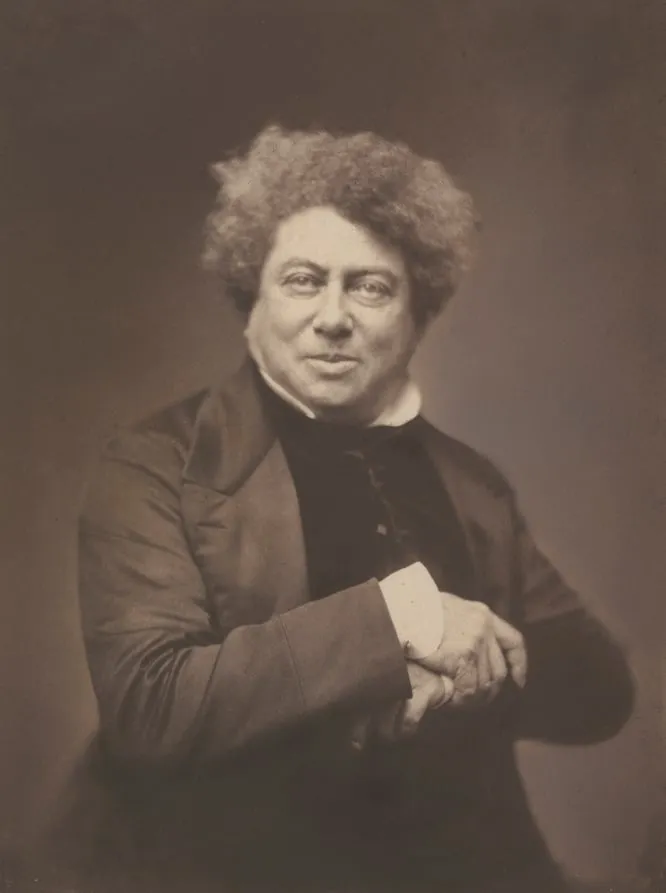
Alexandre Dumas père (1802-1870) is a photography by the Impressionist artist Nadar. It dates from 1855 and is held in the collection of the Cleveland Museum of Art.
About this work
He leans back in a chair, one hand tucked into his vest, looking straight at the camera with a relaxed but sharp gaze.
This is a black-and-white photograph of Alexandre Dumas, the writer who gave us *The Three Musketeers*. He leans back in a chair, one hand tucked into his vest, looking straight at the camera with a relaxed but sharp gaze.
Nadar didn’t stage his portraits with props or fancy backdrops. He let his subjects choose how to sit, which often made them look more like themselves. Dumas seems at ease here, but there’s still a spark—like he’s about to tell a story.
If you like this kind of direct, uncluttered portrait, look up more work by Nadar (French, 1820–1910).
Overview
This black-and-white photograph captures Alexandre Dumas père in 1858, taken by Nadar, a pioneering French photographer known for his intimate portrait style. Unlike many contemporaries, Nadar eschewed theatrical staging, favoring natural poses and plain backgrounds. The image reflects a moment of quiet presence rather than formal grandeur, aligning with Nadar’s approach to revealing character through simplicity and directness.
Subject & Meaning
Alexandre Dumas, already renowned for novels like The Three Musketeers, is portrayed not as a literary icon but as a person—relaxed yet alert. His hand tucked into his vest and steady gaze suggest both ease and intellectual intensity. The portrait conveys no symbolic props or staged drama; instead, it offers a candid glimpse of a man known for storytelling, now quietly embodying the same presence he gave his characters.
Technique & Style
Nadar employed natural light and minimal composition, allowing the subject’s expression and posture to dominate. He encouraged sitters to choose their own stance, fostering authenticity. The photograph’s sharp focus on Dumas’s face, against a neutral backdrop, emphasizes texture and demeanor over ornament. This restrained method distinguished Nadar’s work from the elaborate studio portraits common in mid-19th-century France.
History & Provenance
Taken in 1858, the portrait coincided with a brief period when Dumas and Nadar considered collaborating on a theatrical project. Though no play materialized, this image became their sole joint output. It was likely produced in Nadar’s Paris studio, which had become a hub for cultural figures seeking authentic representation. The photograph endures as a rare visual record of Dumas outside his literary persona.
Context
In mid-19th-century Paris, photography was emerging as a medium for documenting public figures beyond formal portraiture. Nadar’s studio stood apart by prioritizing psychological presence over ceremonial display. Dumas, a towering literary figure, was among many artists and intellectuals who sat for him—reflecting a cultural shift toward valuing individuality over social performance in visual representation.
Legacy
The portrait remains a defining example of Nadar’s influence on photographic portraiture. Its unadorned realism helped shape how writers and thinkers were visually remembered, moving away from idealization toward psychological accuracy. Dumas’s image, in its quiet immediacy, continues to inform modern expectations of authorial presence—where character, not costume, defines the subject.
Artist & collection
Artist
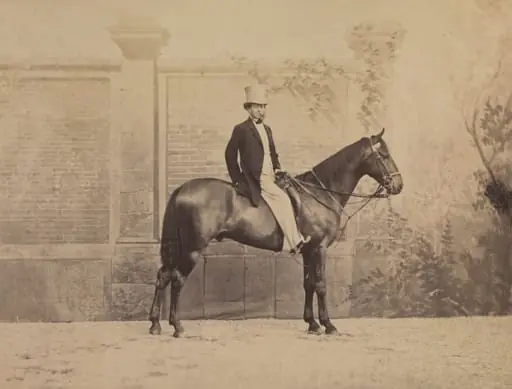
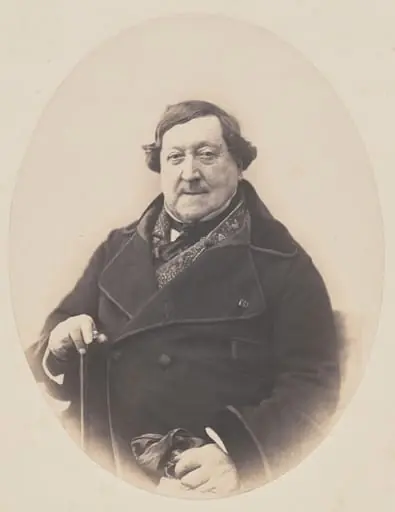
French photographer who made sharp, era-defining portraits in the 1850s–70s. You’ll meet Man on a Horse from the 1860s, a sitter caught mid-gallop against Parisian skies, and the 1856 portrait of composer Gioachino…

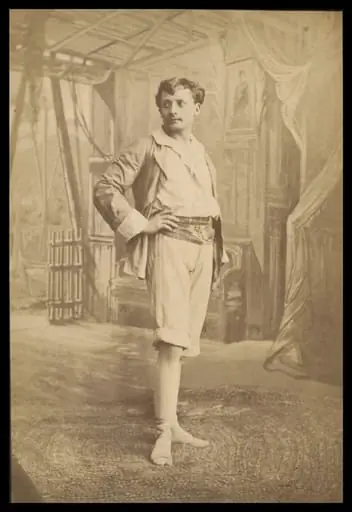
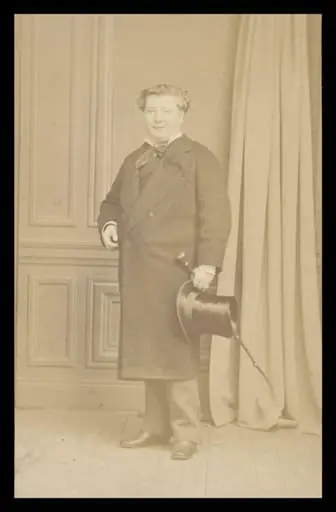 Guy Little Theatrical Photograph
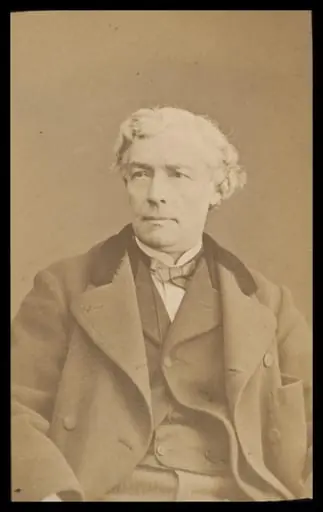 Guy Little Theatrical Photograph
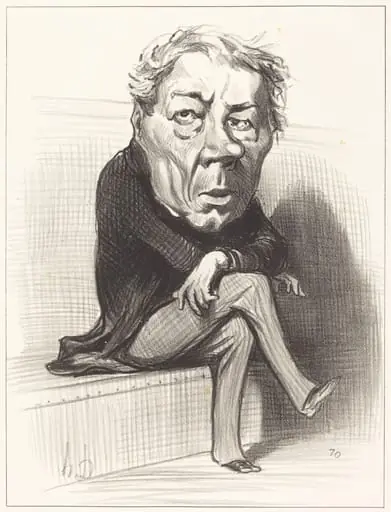 J. Marie Joseph Deville
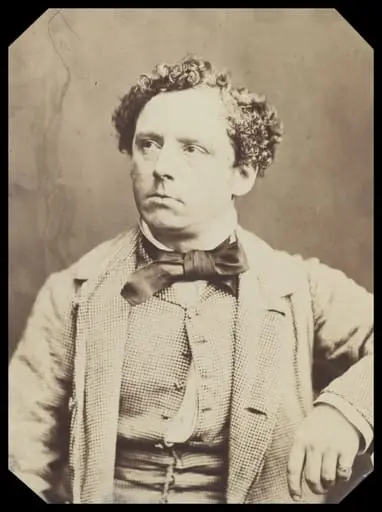 Guy Little Theatrical Photograph
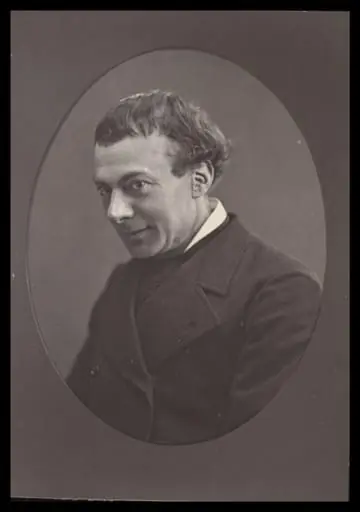 Guy Little Theatrical Photograph
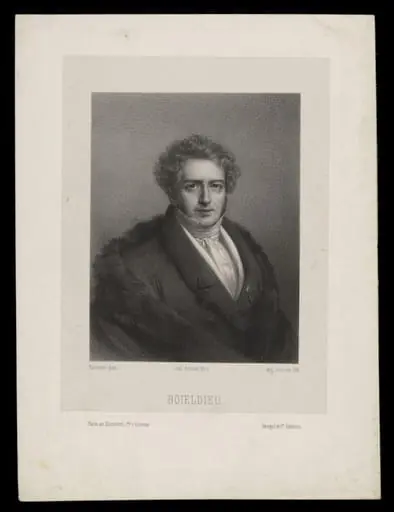 H Beard Print Collection
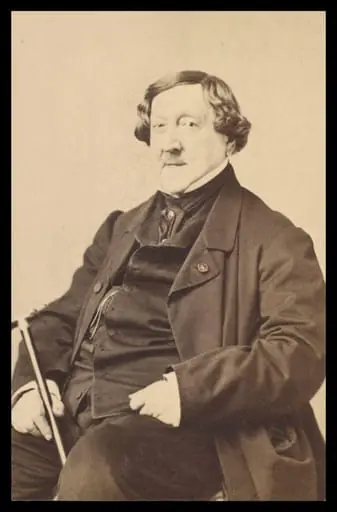 Guy Little Theatrical Photograph
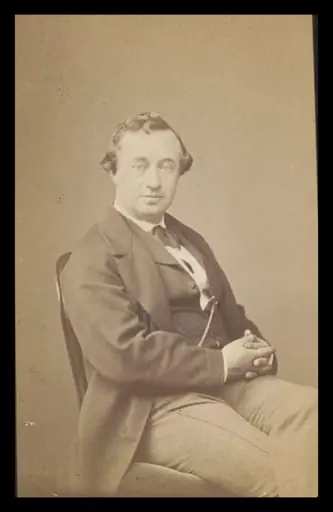 Guy Little Theatrical Photograph
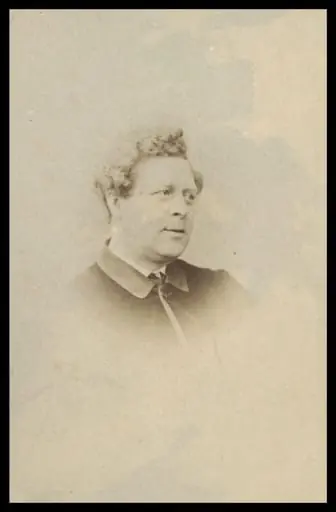 Guy Little Theatrical Photograph
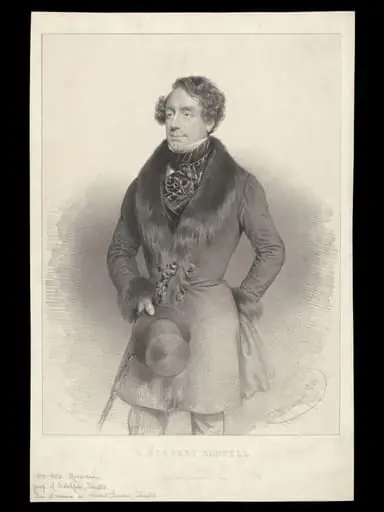 H Beard Print Collection
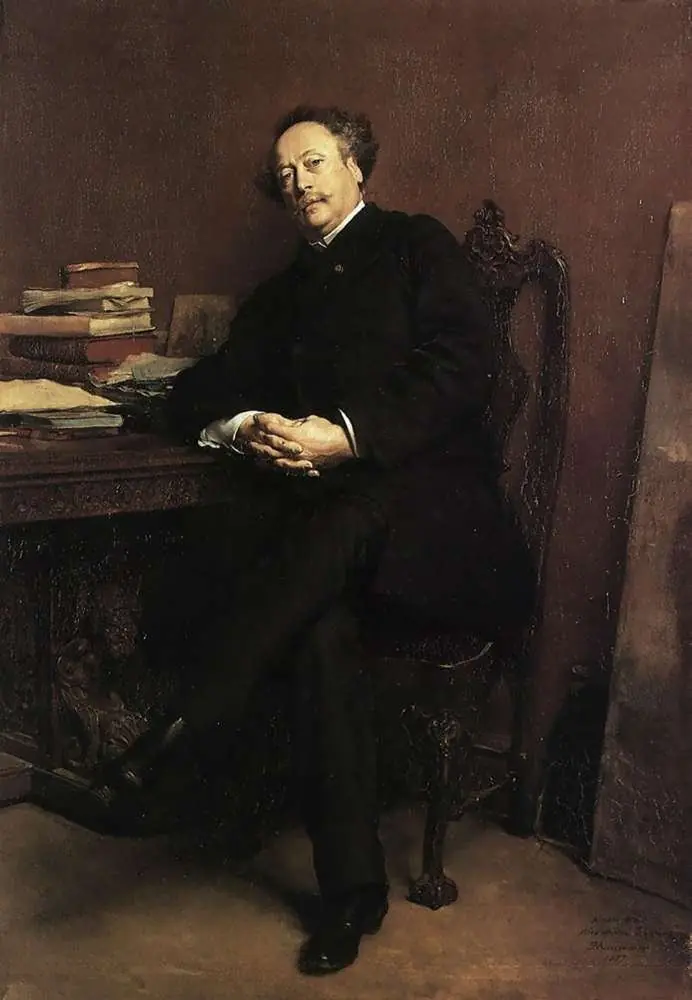 Alexandre Dumas son