Artwork
Guy Little Theatrical Photograph
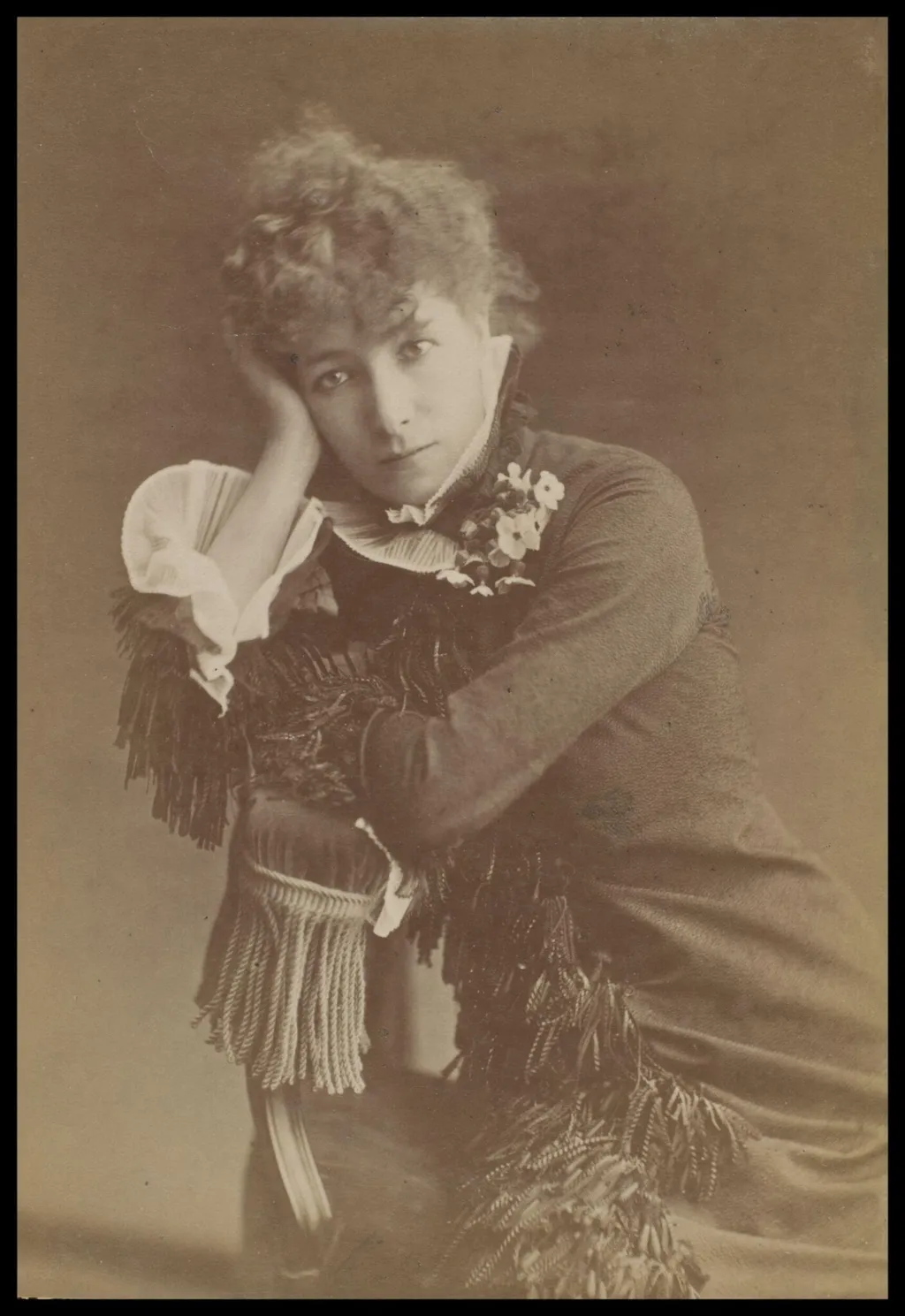
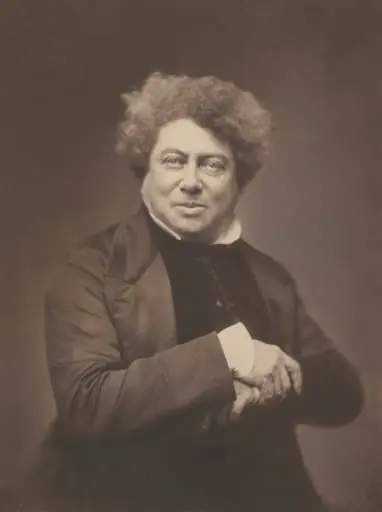
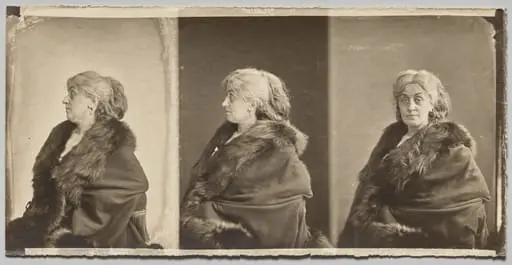
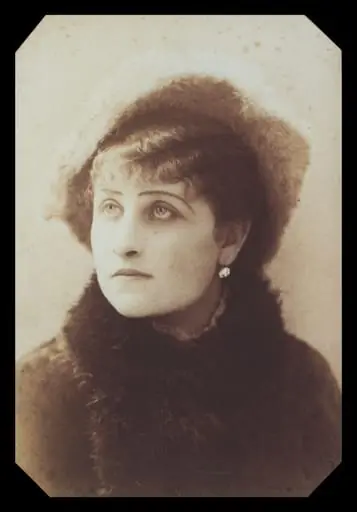
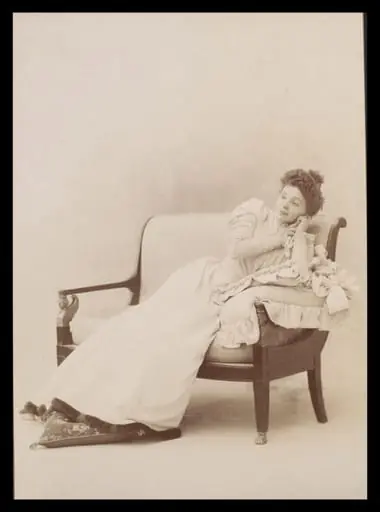
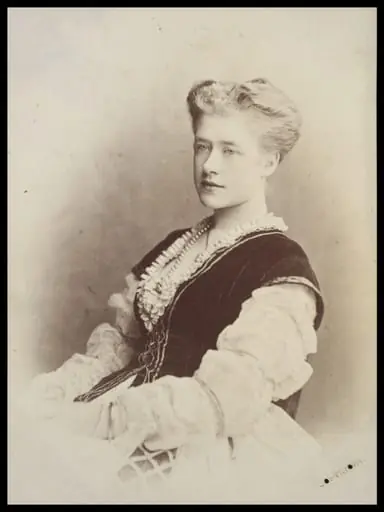
Guy Little Theatrical Photograph is a photographic photography by the Impressionist artist Nadar. It dates from 1877 and is held in the collection of the Victoria and Albert Museum.
About this work
Overview
Little removed such images from their original backings and organized them into albums, preserving them as cultural artifacts rather than commercial souvenirs.
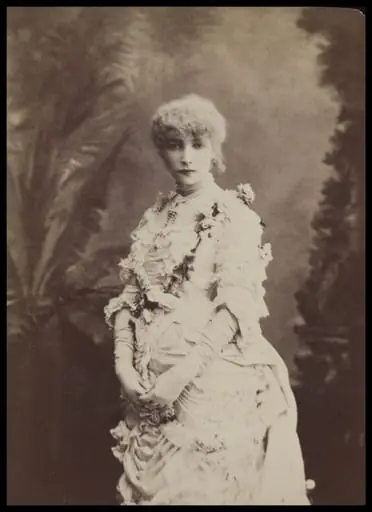
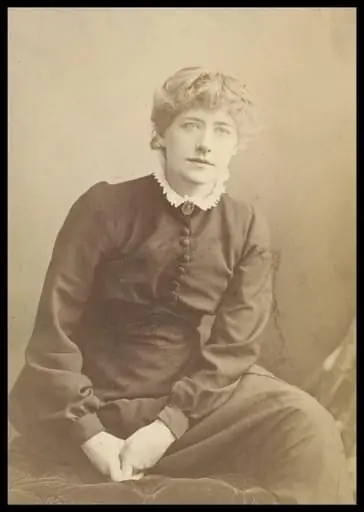
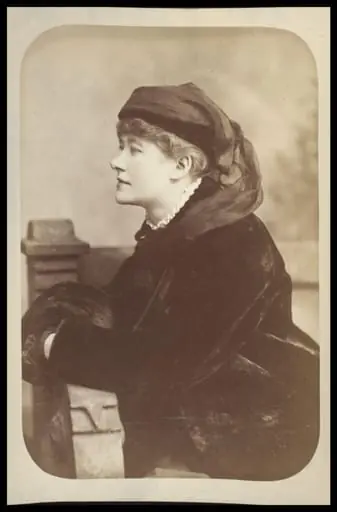
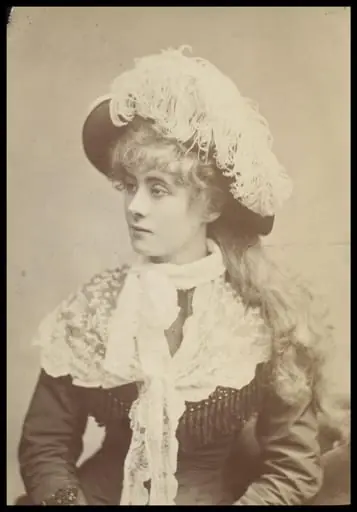
This photograph of Sarah Bernhardt is part of a personal collection assembled by Guy Tristram Little, a solicitor and avid archivist of visual ephemera. It was originally produced as a carte de visite or cabinet card—common photographic formats of the late 19th century—mounted on cardstock with the photographer’s imprint. Little removed such images from their original backings and organized them into albums, preserving them as cultural artifacts rather than commercial souvenirs.
Subject & Meaning
Sarah Bernhardt, one of the most celebrated stage actresses of her time, is depicted here in a pose that blends theatricality with personal presence. The image served not only as a memento for fans but also as a tool for cultivating her public persona. Her likeness, circulated widely in photographic form, helped transform celebrity into a visual phenomenon, bridging the gap between live performance and domestic consumption.
Technique & Style
The image is an albumen print made from a glass negative, the standard process before the rise of gelatin silver prints. These photographs were prized for their fine detail and tonal range, though they required careful handling due to their fragility. The print’s mounting on stiff cardstock reflects the commercial norms of the era, designed for easy display and collection, often in specially bound albums.
History & Provenance
The photograph was acquired and reorganized by Guy Tristram Little, who systematically detached such images from their original card mounts and integrated them into curated albums. After his death in 1953, his collection was bequeathed to the Victoria and Albert Museum. Little’s role as executor for Gabrielle Enthoven’s theatrical archive further situates this image within a broader effort to document and preserve performance history.
Context
During the mid-to-late 19th century, photographic portraits of performers became mass-produced commodities. Cartes de visite, introduced in 1854, were collected like trading cards, while cabinet cards, larger and more durable, replaced them by the 1870s. These formats democratized access to celebrity imagery, turning private homes into informal galleries of cultural figures, from actors to royalty.
Legacy
Little’s preservation of these photographs, stripped of their commercial packaging, shifted their function from ephemeral souvenirs to historical documents. His collection, now housed at the V&A, provides insight into how Victorian audiences engaged with performance culture. The archive remains a vital resource for understanding the material culture of 19th-century theater and the evolving role of photography in shaping public memory.
Artist & collection
Artist
French photographer who made sharp, era-defining portraits in the 1850s–70s. You’ll meet Man on a Horse from the 1860s, a sitter caught mid-gallop against Parisian skies, and the 1856 portrait of composer Gioachino…

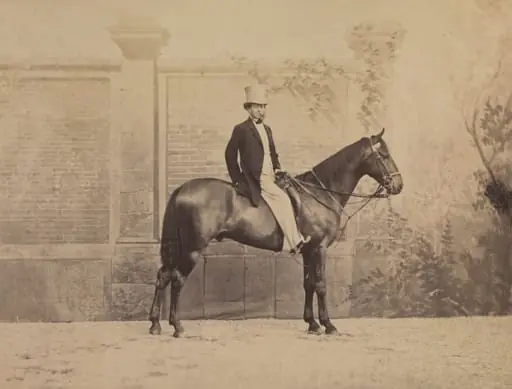
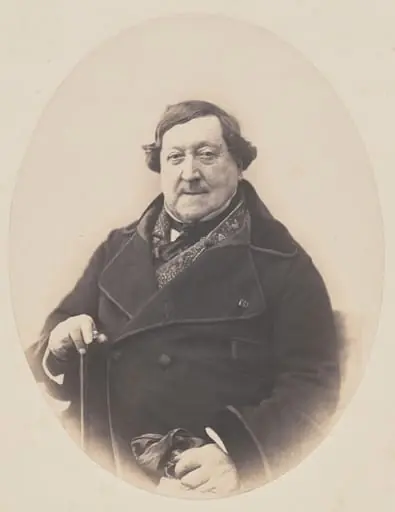
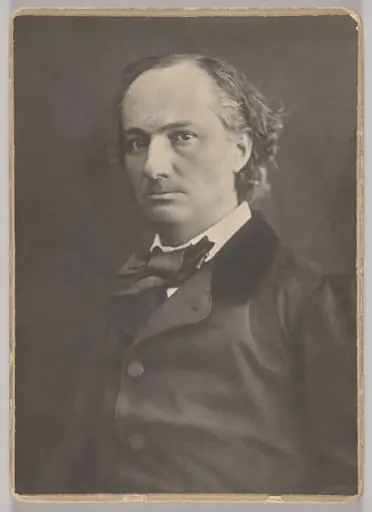
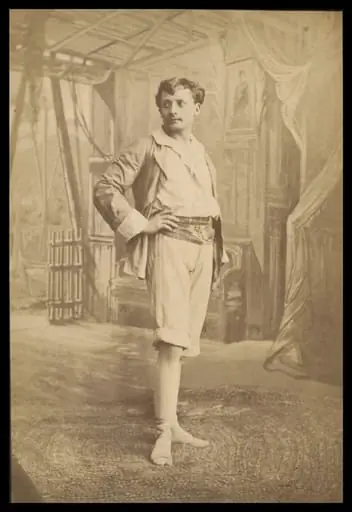
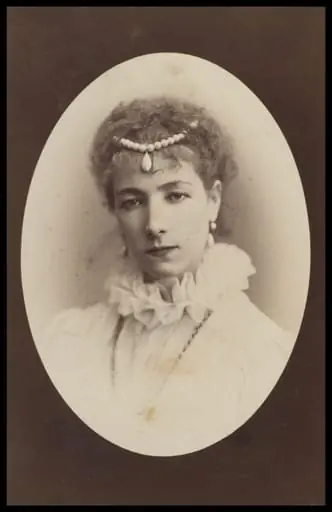 Guy Little Theatrical Photograph
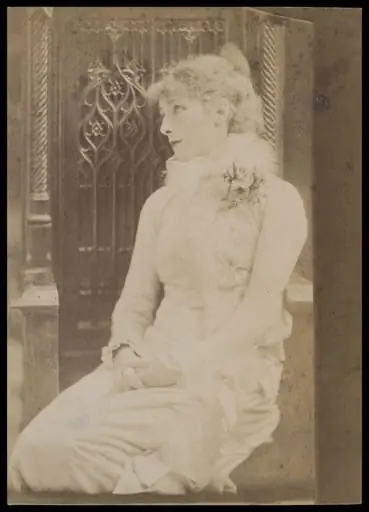 Guy Little Theatrical Photograph
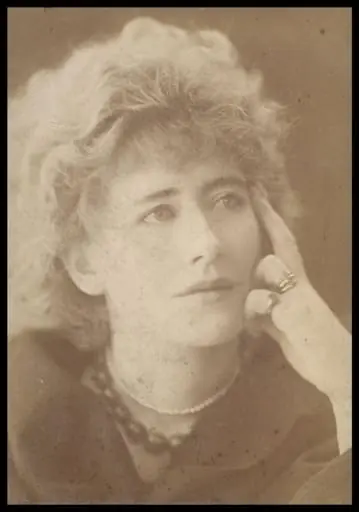 Guy Little Theatrical Photographs
 Guy Little Theatrical Photograph
 Guy Little Theatrical Photographs
 Guy Little Theatrical Photographs
 Guy Little Theatrical Photograph
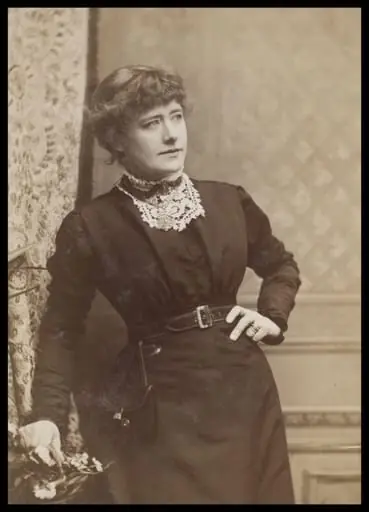 Guy Little Theatrical Photographs
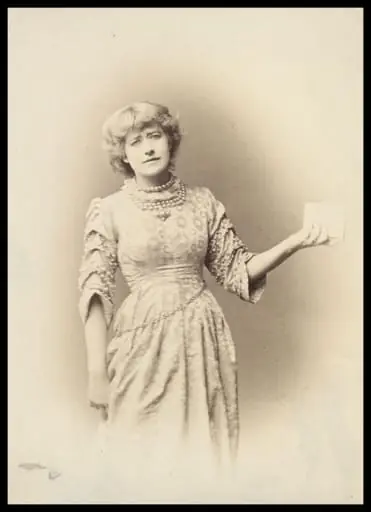 Guy Little Theatrical Photographs
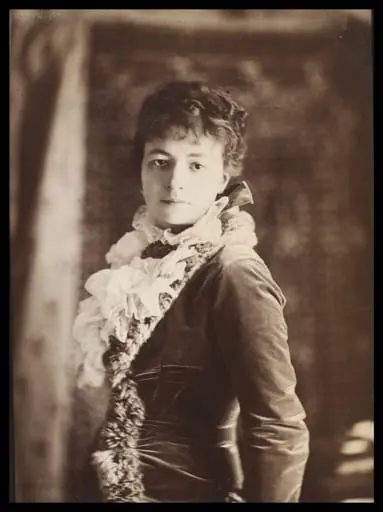 Guy Little Theatrical Photograph
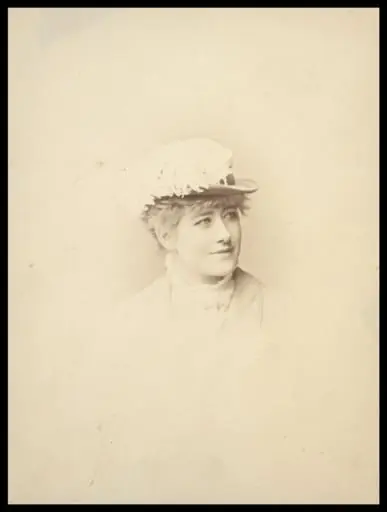 Guy Little Theatrical Photographs
 Guy Little Theatrical Photographs