Artwork
Untitled
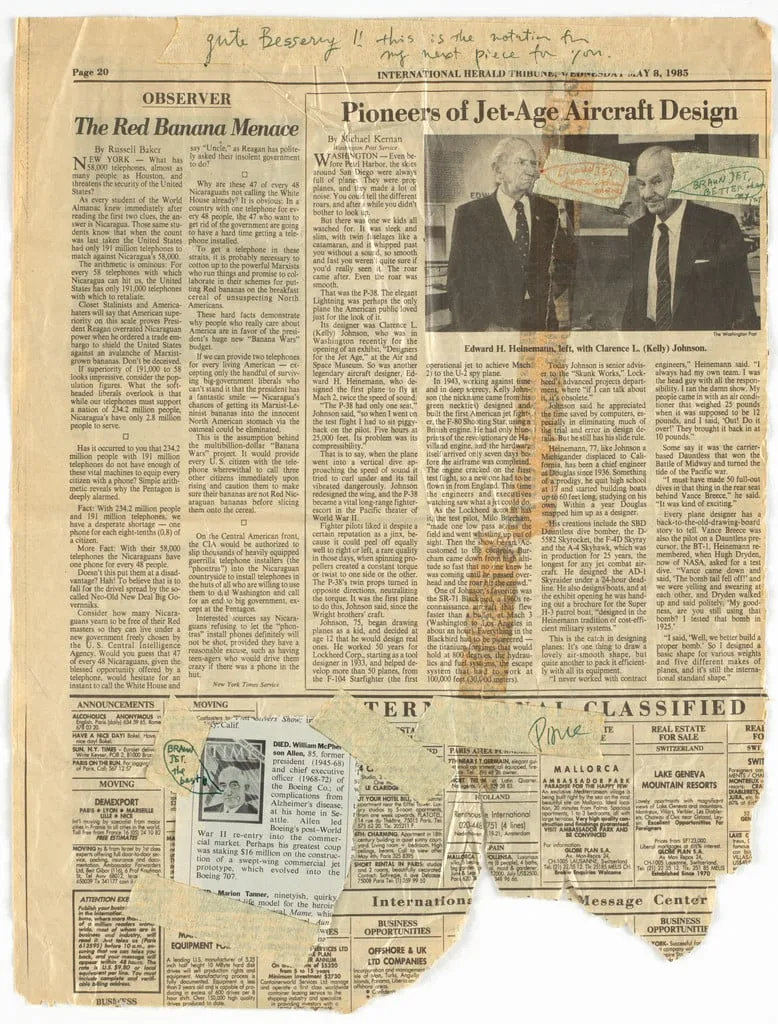
Untitled is a drawing by Nam June Paik. It dates from 1985 and is held in the collection of the Museum of Modern Art.
About this work
Overview
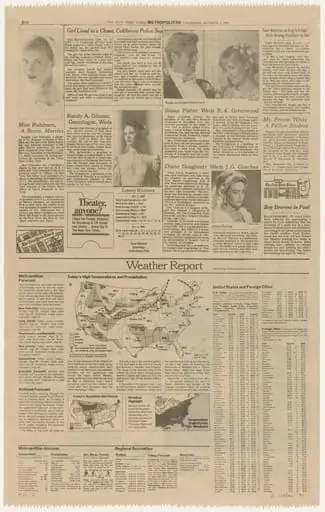
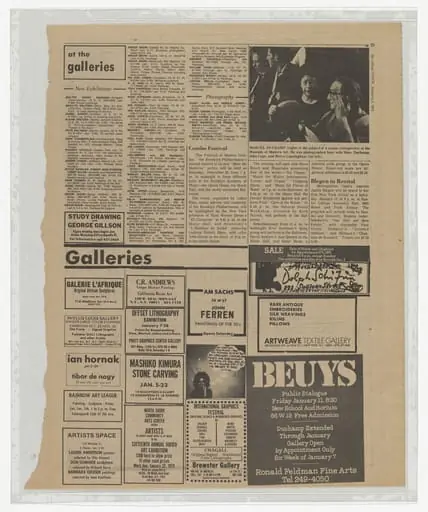
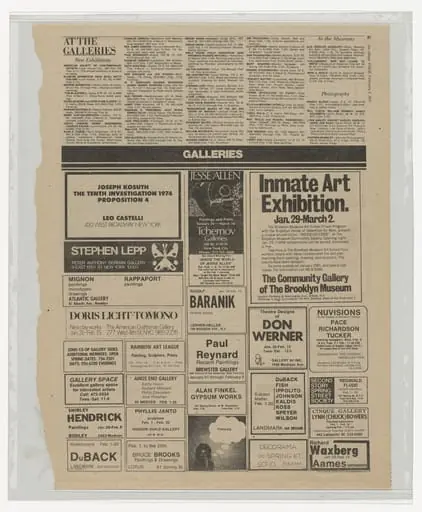
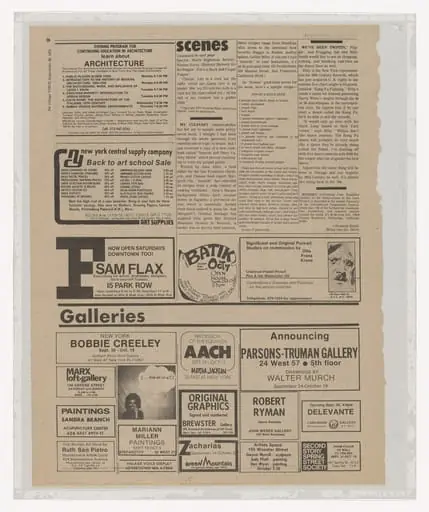
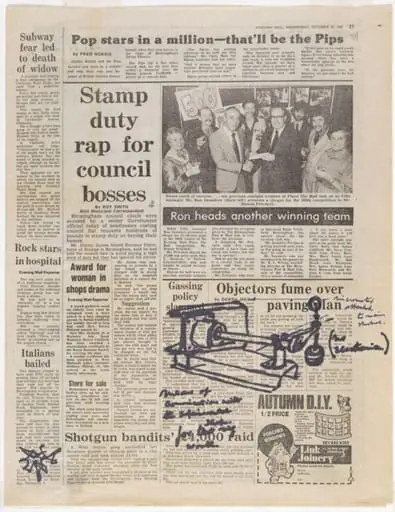
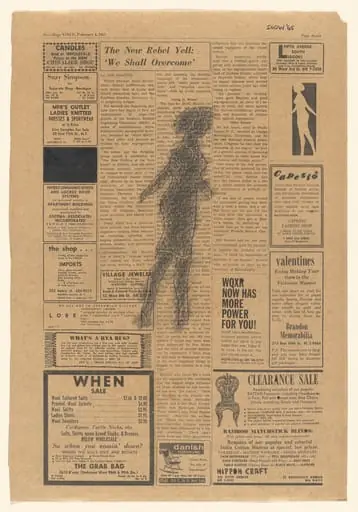
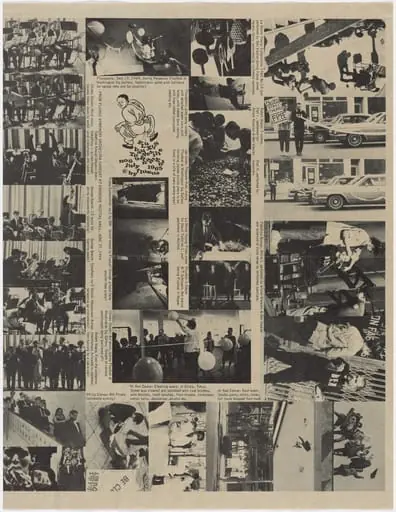
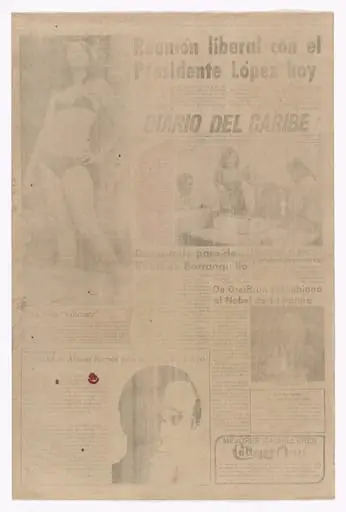
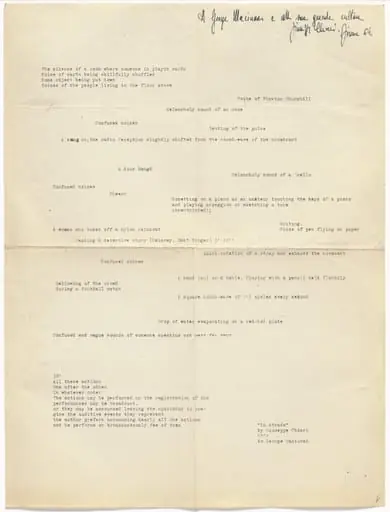
Created in 1985, this work by Nam June Paik is a mixed-media drawing composed of found printed paper elements assembled with tape and marked with felt-tip pen.
Created in 1985, this work by Nam June Paik is a mixed-media drawing composed of found printed paper elements assembled with tape and marked with felt-tip pen. It belongs to The Museum of Modern Art’s collection and exemplifies Paik’s engagement with mass media detritus. The composition lacks a central image, instead presenting fragmented textual and visual elements arranged without conventional hierarchy.
Subject & Meaning
The work juxtaposes fragments of news headlines, advertisements, and handwritten notes, suggesting a critique of information overload. The phrase 'Quite Besserly! this is not the notion for you' introduces a personal, almost absurdist commentary, disrupting the authority of the printed word. Circled and crossed-out text implies selective attention, questioning how meaning is constructed and discarded in media.
Technique & Style
Paik assembled the piece using cut-and-taped newspaper clippings, preserving their aged, yellowed surfaces and irregular edges. Felt-tip pen marks—circles, lines, and handwritten phrases—intervene directly on the surface, transforming passive reading into active revision. The palette is restrained: black ink, white paper, and yellowed tones, with minimal red and blue accents drawing fleeting attention.
History & Provenance
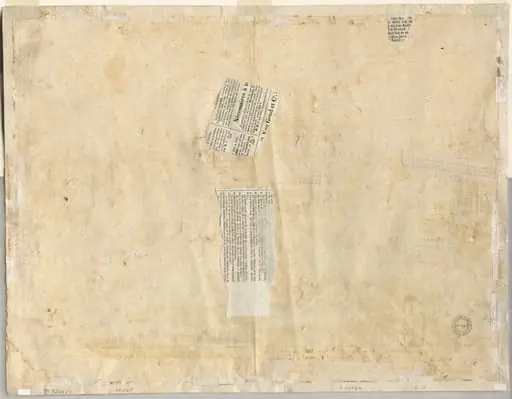
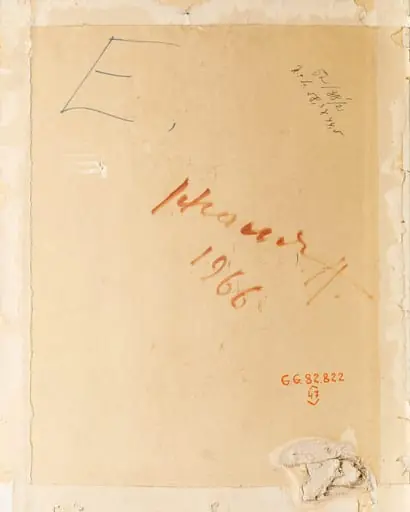
The work was produced in 1985 and entered The Museum of Modern Art’s collection shortly thereafter. It reflects Paik’s long-standing practice of repurposing media ephemera, a method rooted in his early experiments with television and print. No prior ownership records are publicly documented, suggesting it was likely created and retained by the artist before institutional acquisition.
Context
Emerging from the Fluxus movement, Paik frequently used discarded media to challenge passive consumption. In the mid-1980s, as television and print media expanded rapidly, his collages mirrored the chaotic flow of information. This piece aligns with contemporaneous works by artists exploring the materiality of communication, rejecting polished aesthetics in favor of raw, assembled realities.
Legacy
The work contributes to Paik’s broader redefinition of drawing as an act of cultural curation rather than manual skill. Its use of everyday materials influenced later generations of artists working with found text and media fragments. The piece remains a quiet but persistent reminder of how media shapes perception through accumulation, erasure, and rearrangement.
Artist & collection

Artist
Nam June Paik was a South Korean artist. He worked with a variety of media and is considered to be the founder of video art. He is credited with the first use (1974) of the term "electronic super highway" to describe…