Artwork
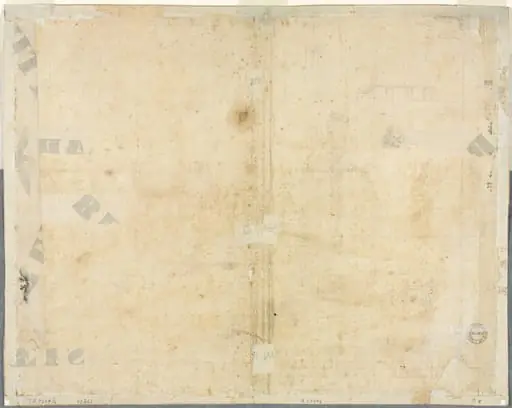
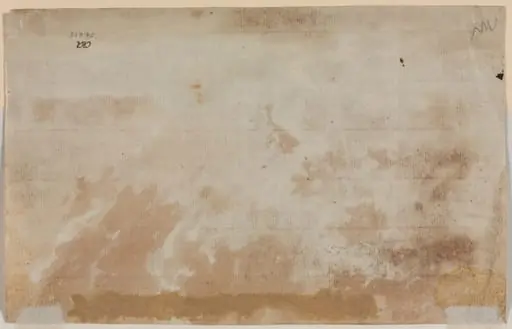
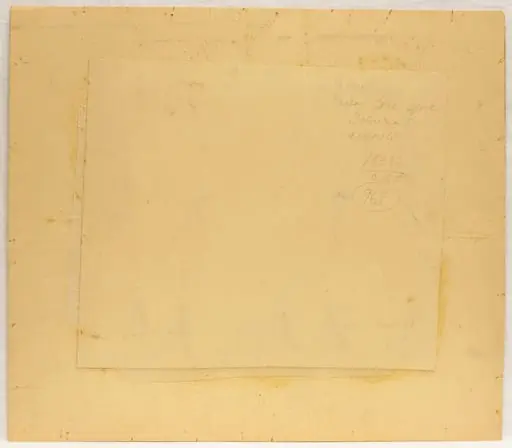
Tracing of a Fountain from Recto and Sketches of Two Faces (verso)
Tracing of a Fountain from Recto and Sketches of Two Faces (verso) is a drawing by the Baroque artist Lievin Cruyl. It dates from 1665 and is held in the collection of the Cleveland Museum of Art.
About this work
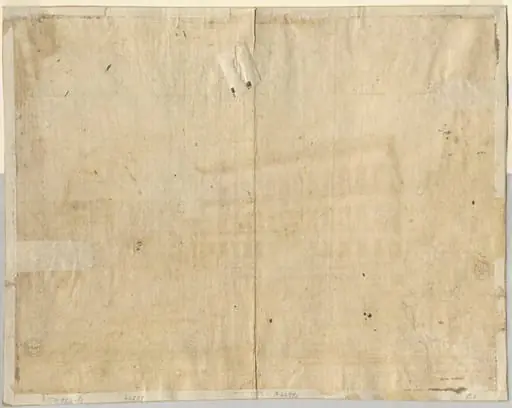
This painting shows a tracing of a fountain on one side and sketches of two faces on the other.
It's interesting because the artist used both sides of the paper to create different drawings.
The use of both sides suggests the artist was experimenting with different ideas.
You can learn more about this style by looking at the work of artist: Lievin Cruyl (Flemish, c. 1640-c. 1720)
Overview
This double-sided drawing by Lievin Cruyl, dated 1665, features a traced architectural study of a fountain on the recto and two pencil sketches of human faces on the verso. Executed on a single sheet of paper, it reflects the practical habits of a draftsman engaged in observational work, where both sides of the support were utilized for different purposes without concern for formal presentation.
Subject & Meaning
Together, they reveal a mind actively recording both the built environment and human expression, bridging topographical and psychological observation.
The recto presents a precise architectural tracing, likely made from a real fountain in Rome, indicating Cruyl’s interest in urban design and hydraulic structures. The verso, with its two face studies, suggests exploratory figure work, possibly for later compositions or character studies. Together, they reveal a mind actively recording both the built environment and human expression, bridging topographical and psychological observation.
Technique & Style
Cruyl employed fine pen and ink for the fountain tracing, emphasizing structural clarity with controlled lines. The facial sketches on the reverse are rendered in softer pencil, with lighter, more fluid strokes that capture subtle variations in expression. The contrast in media and handling between the two sides demonstrates his adaptability and attention to the demands of different subjects within a single working sheet.
History & Provenance
The drawing entered the collection of The Cleveland Museum of Art as part of a broader acquisition of European drawings. Its survival in good condition, with both sides intact, is uncommon, as such working sheets were often discarded or separated. Its preservation suggests it was valued early on for its evidentiary quality rather than its aesthetic finish.
Context
In mid-17th century Europe, artists like Cruyl traveled to Italy to study classical and Baroque architecture. His drawings served as reference material for later projects in the Low Countries. This sheet exemplifies the common practice among Flemish and Dutch draftsmen of using sketchbooks as working tools—combining direct observation, replication, and informal study in one compact format.
Legacy
Cruyl’s dual-sided drawing illustrates the functional role of drawing in pre-modern artistic practice. Rather than being finished works, such sheets were repositories of visual information. Today, they offer insight into the iterative process of artistic development, revealing how ideas were gathered, tested, and repurposed before being translated into larger commissions.
Artist & collection

Artist
Lievin Cruyl or Lieven Cruyl was a Flemish priest and a draughtsman and etcher of landscapes, seascapes, and architectural views.

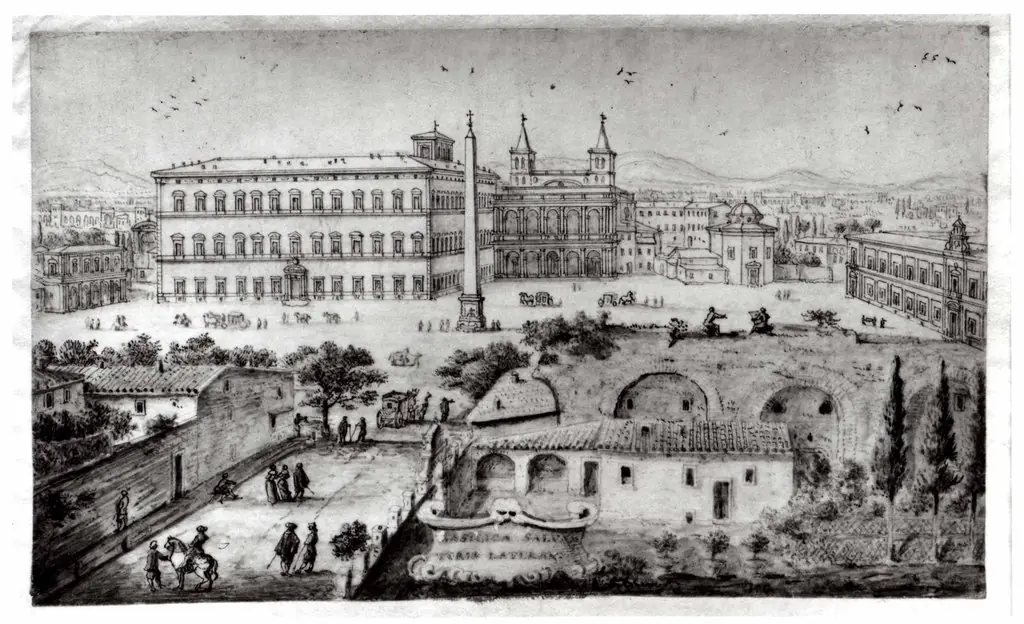 View of Lateran, Rome
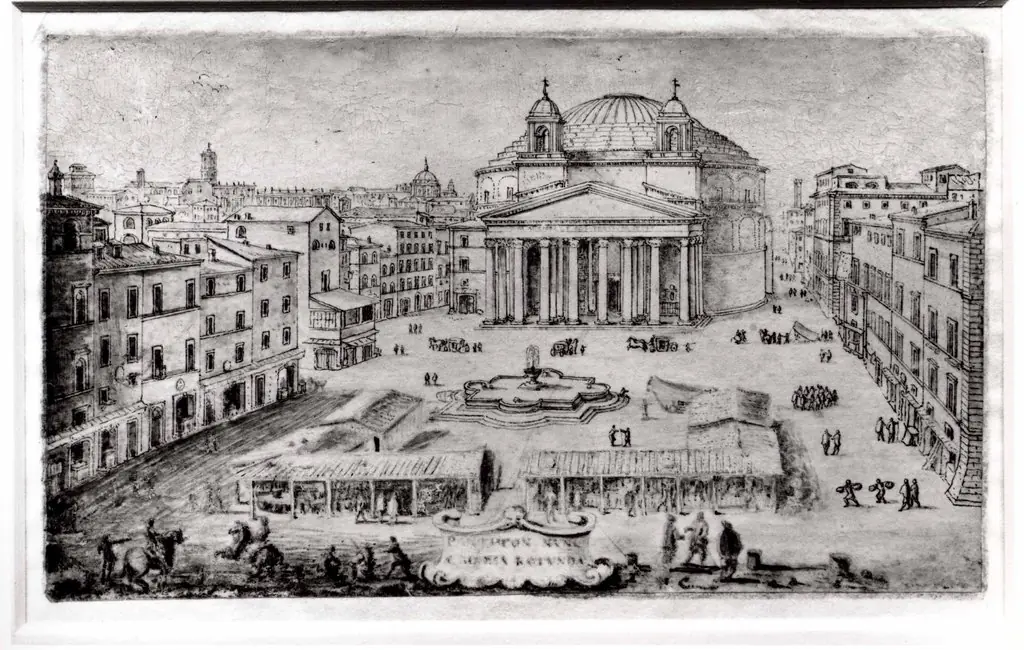 View of the Pantheon, Rome
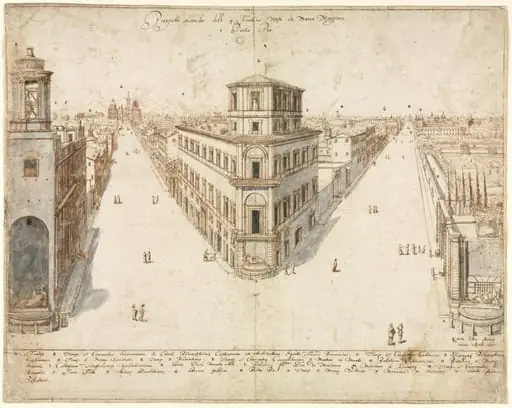 Eighteen Views of Rome: The Quattro Fontane Looking Toward Santa Maria Maggiore
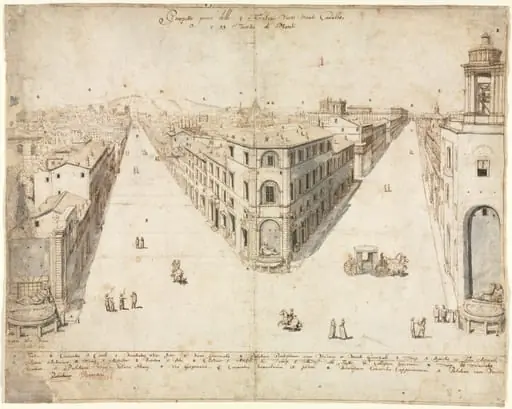 Eighteen Views of Rome: The Quattro Fontane Looking Toward Monte Cavallo
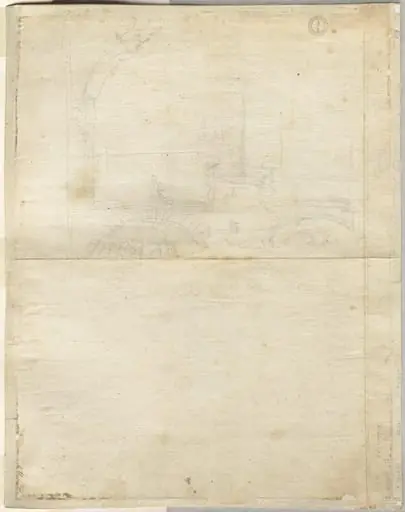 Sketch for San Giovanni in Laterano (verso)
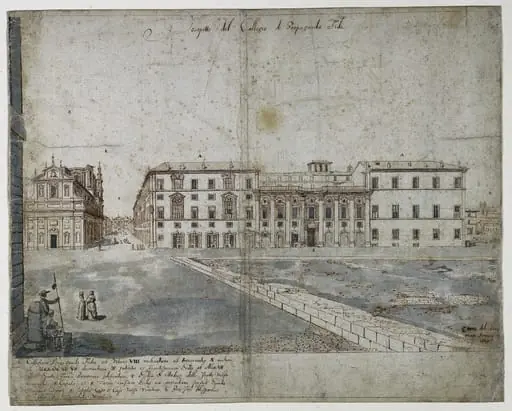 Eighteen Views of Rome: The Collegio di Propaganda Fide (recto)
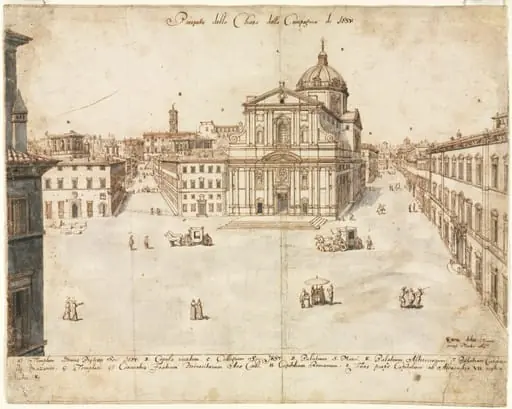 Eighteen Views of Rome: The Church of the Gesù
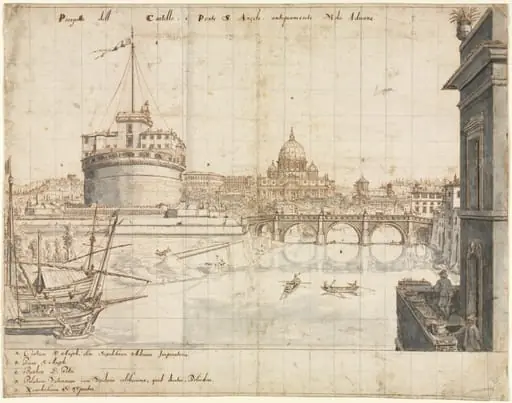 Eighteen Views of Rome: The Castel Sant'Angelo