Artwork
Dulcinea del Toboso
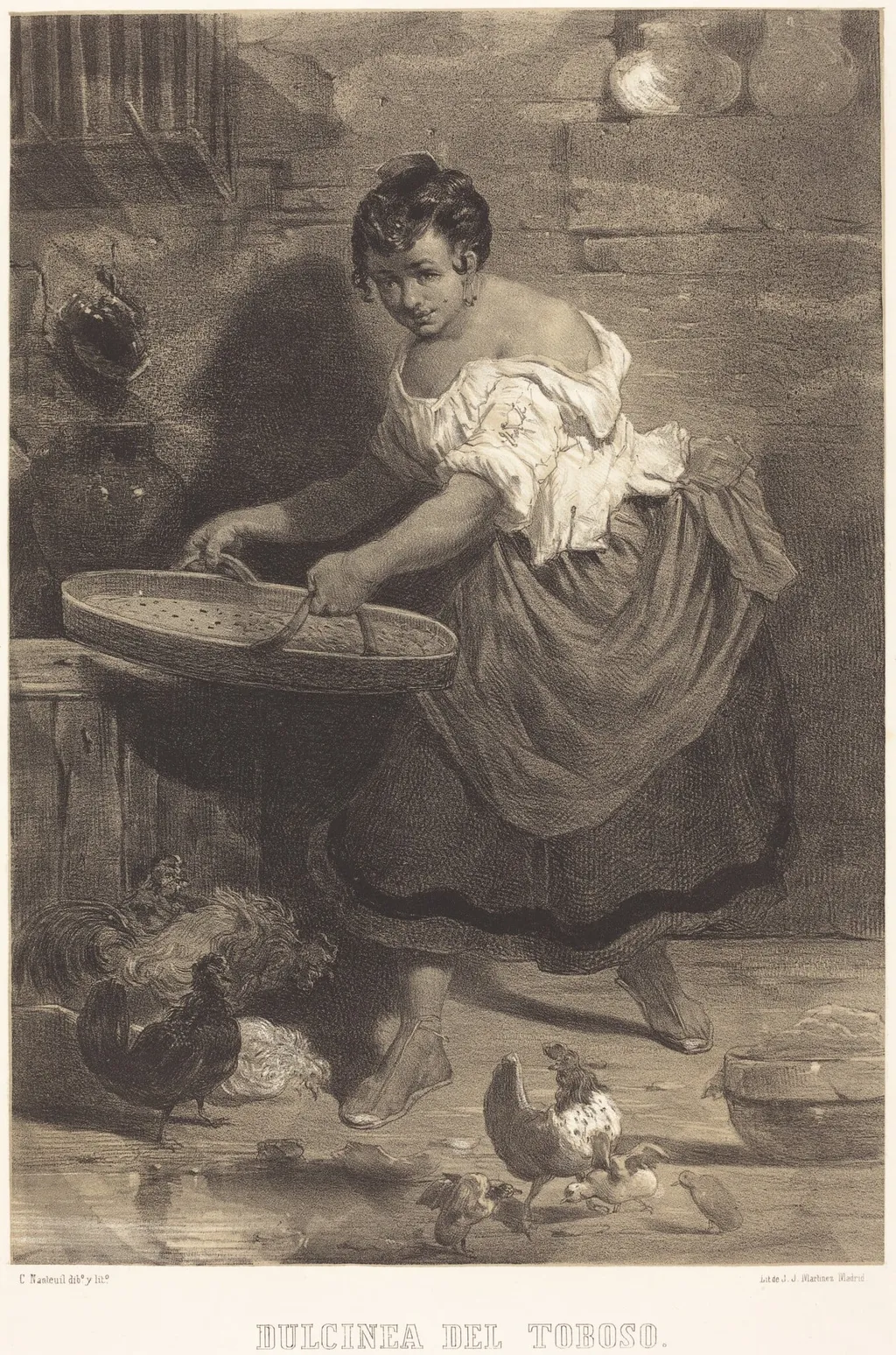
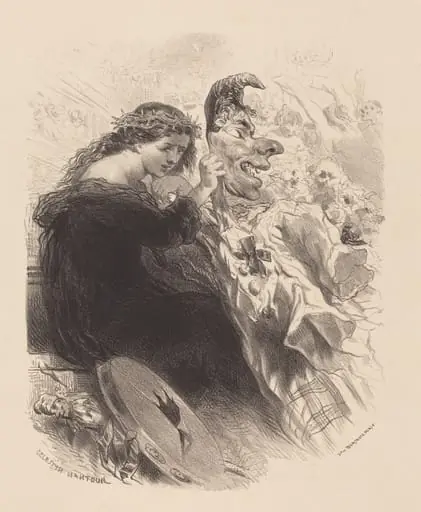
Dulcinea del Toboso is an ink print by the Impressionist artist Célestin Nanteuil. It dates from 1855 and is held in the collection of the National Gallery of Art.
About this work
Overview
Dulcinea del Toboso is a color lithograph on wove paper created by Célestin Nanteuil around 1855. The work exemplifies the artist's involvement with the French Romantic movement.
Subject & Meaning
The print illustrates a pivotal figure from Miguel de Cervantes' *Don Quixote*: Dulcinea del Toboso, the idealized love interest of the novel's protagonist. Depicted in a simple yet dignified white dress with dark hair, she embodies pride and nobility.
Technique & Style
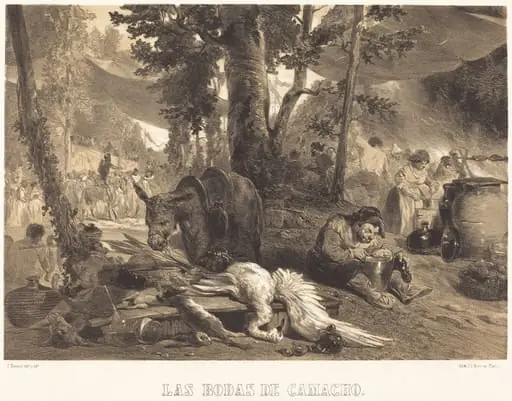
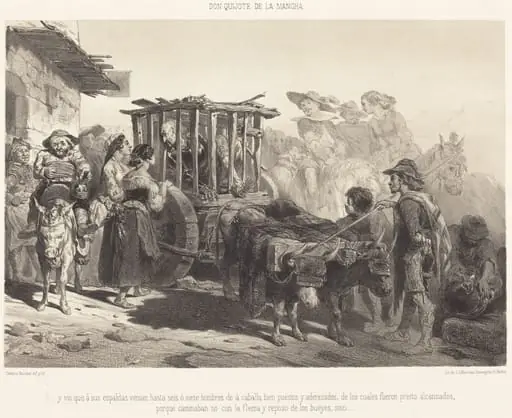
Nanteuil utilized lithography, a technique relying on the adherence of ink to greasy stone surfaces, to produce bold lines and deep shadows characteristic of his style. The piece is part of a series dedicated to characters from *Don Quixote*.
History & Provenance
Célestin Nanteuil, born in Rome to French parents associated with Joseph Bonaparte, was trained at the École des Beaux-Arts under Eustache-Hyacinthe Langlois and Dominique Ingres. The specific provenance of *Dulcinea del Toboso* is not detailed here.
Context
Created during the mid-19th century, the work reflects France's Romantic era, with Nanteuil's multi-disciplinary background (painter, engraver, illustrator) influencing his lithographic approach.
Legacy
While specific legacy details of *Dulcinea del Toboso* are not provided, the piece contributes to the broader artistic interpretation of *Don Quixote* and showcases Nanteuil's contribution to French Romantic printmaking.
Artist & collection
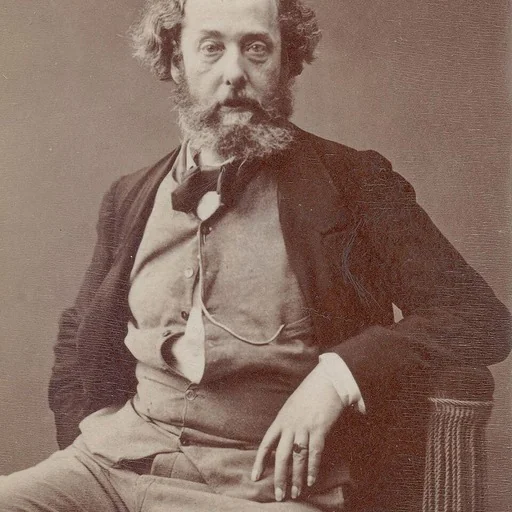
Artist
Célestin-François Nanteuil-Lebœuf, known as Célestin Nanteuil (French pronunciation: ; 11 July 1813 – 6 September 1873), was a French painter, engraver and illustrator closely tied to the Romantic movement in France.