Artwork
Marin Cureau de La Chambre
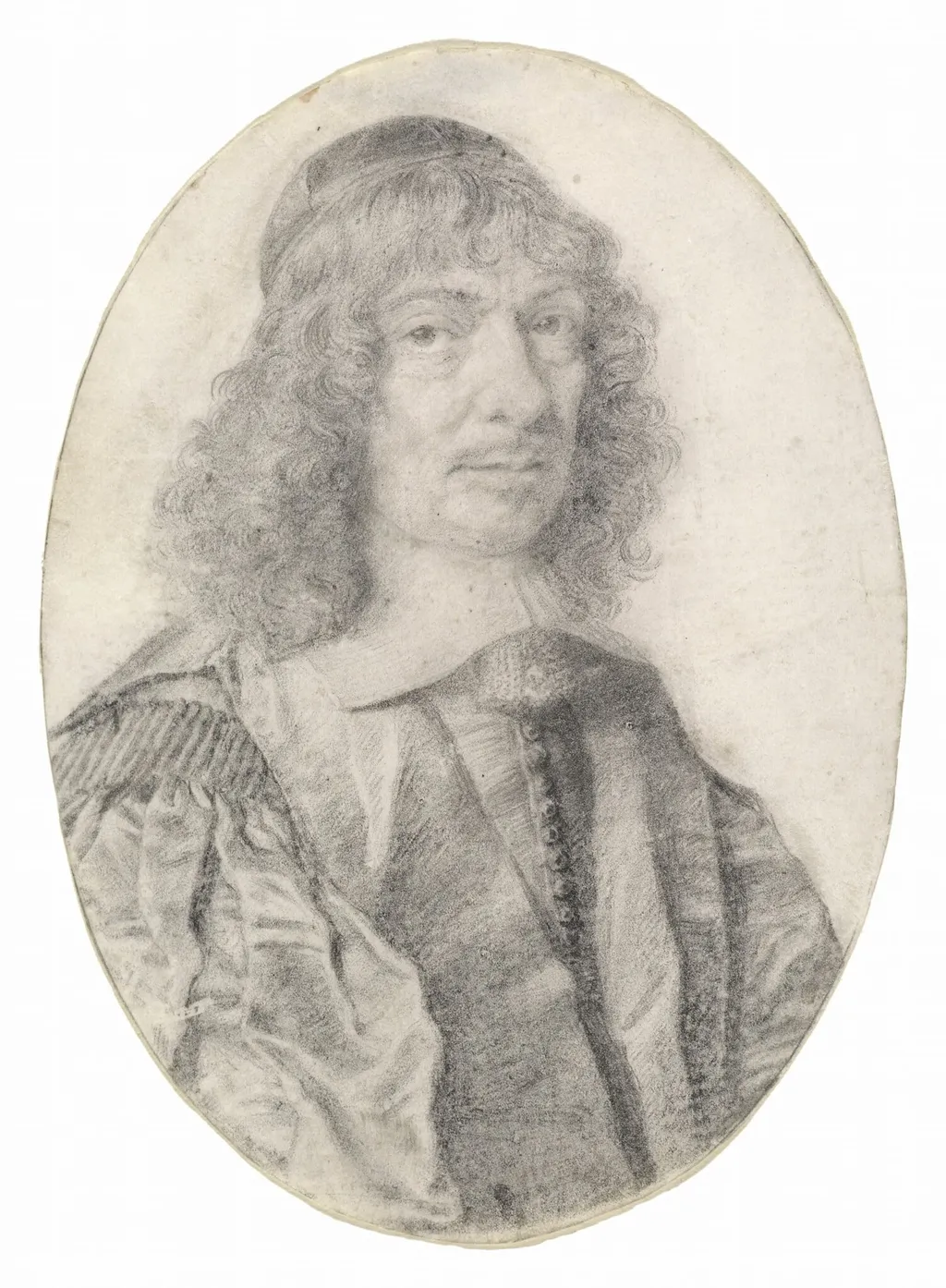
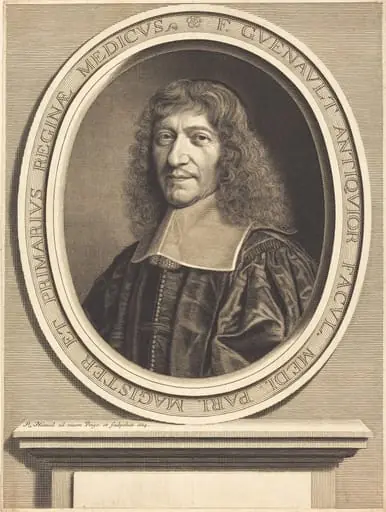
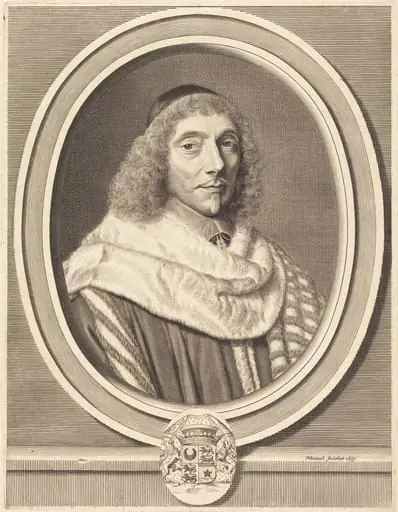
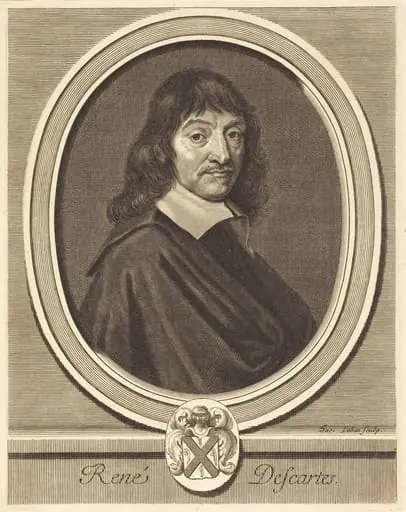
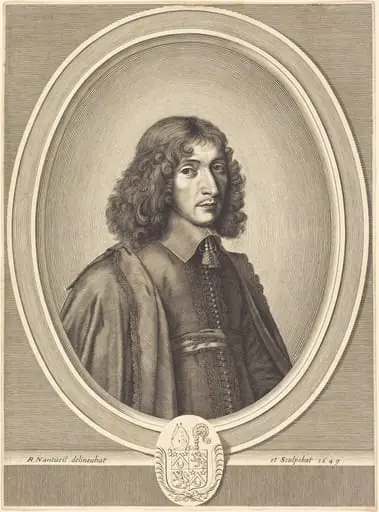
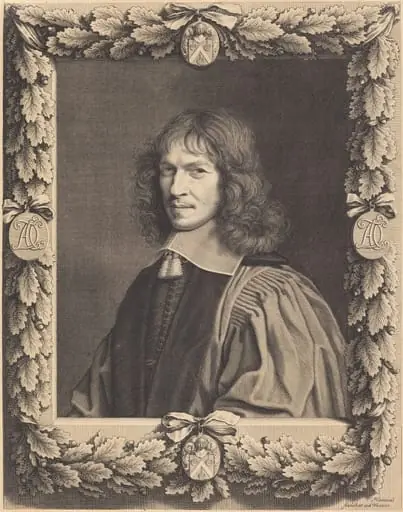
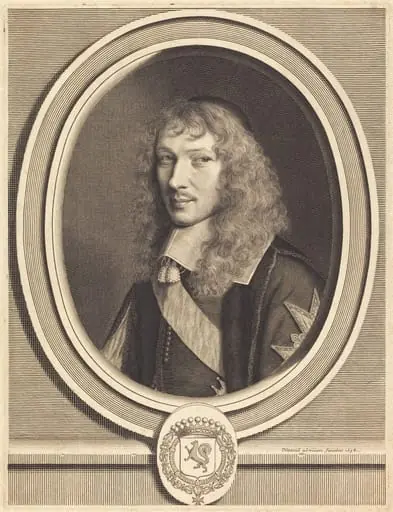
Marin Cureau de La Chambre is a graphite drawing by the Baroque artist Robert Nanteuil. It dates from 1656 and is held in the collection of the National Gallery of Art.
About this work
Overview
The work exemplifies his ability to render fine details using monochromatic media, relying on subtle gradations of tone rather than color.
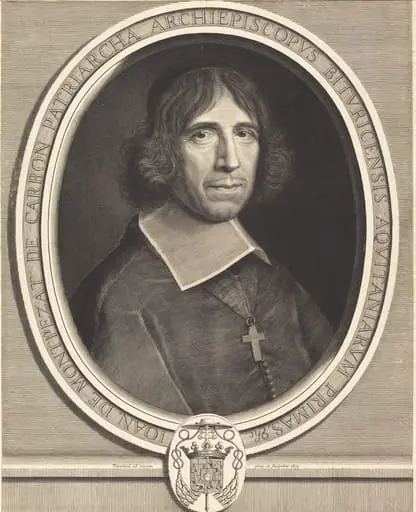
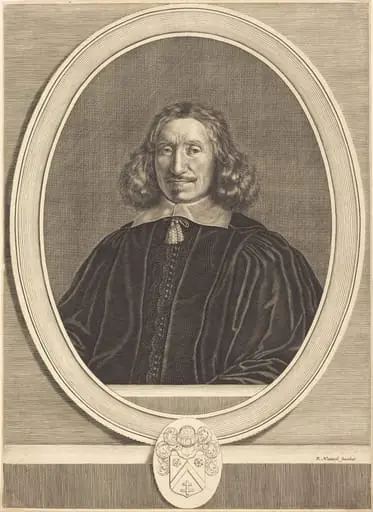
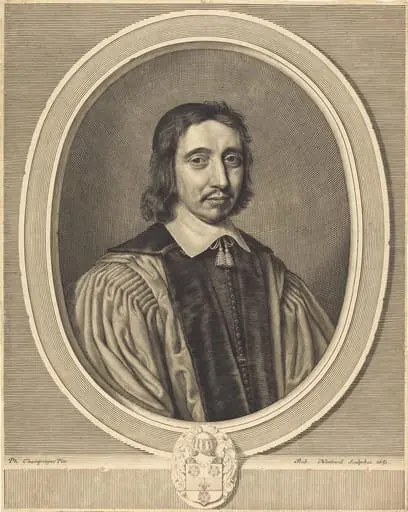
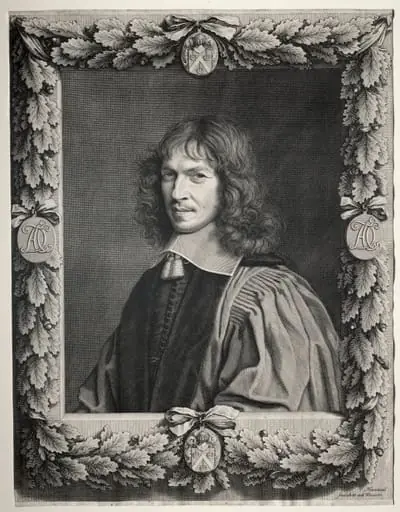
This graphite drawing on vellum depicts Marin Cureau de La Chambre, executed by Robert Nanteuil around 1656. As a leading portraitist of the French court under Louis XIV, Nanteuil specialized in capturing the likenesses of prominent figures with meticulous draftsmanship. The work exemplifies his ability to render fine details using monochromatic media, relying on subtle gradations of tone rather than color.
Subject & Meaning
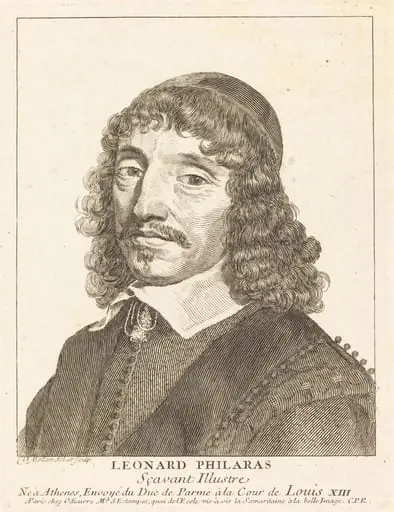
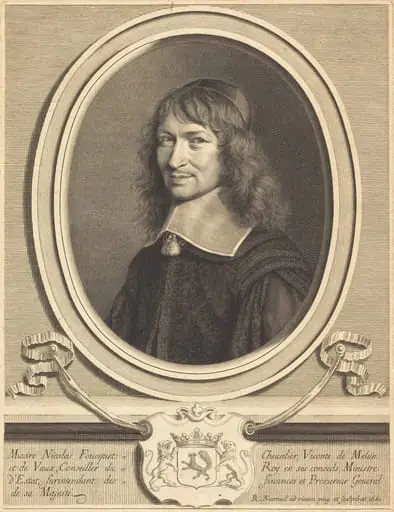
The portrait presents Marin Cureau de La Chambre, a physician and philosopher active in 17th-century French intellectual circles. His frontal pose and composed expression convey gravitas, aligning with conventions of court portraiture that emphasized dignity and authority. The absence of overt symbolism suggests an emphasis on the sitter’s intellectual or professional stature rather than personal narrative.
Technique & Style
Nanteuil employed graphite on vellum, a medium allowing for precise control and delicate tonal transitions. The artist’s technique involved layered shading and selective scraping to achieve depth, particularly in the modeling of the face and hands. This approach reflects the influence of chiaroscuro, a method of contrasting light and shadow to define form, characteristic of 17th-century portraiture.
History & Provenance
Created during Nanteuil’s tenure as royal portraitist, this drawing likely originated within the context of Louis XIV’s court. Its survival as a standalone work on vellum rather than a preparatory study for an engraving suggests it may have been valued as an independent object. The drawing’s provenance prior to modern collections remains undocumented, though its preservation indicates sustained recognition of its craftsmanship.
Context
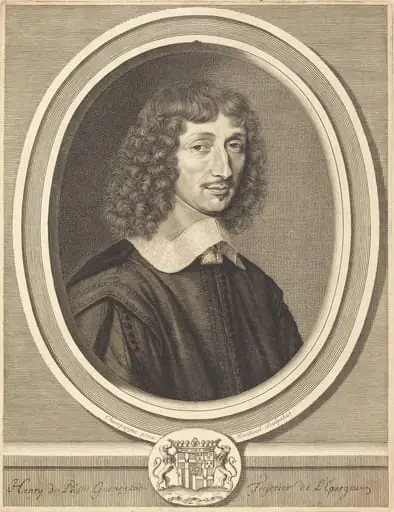
The work emerges from a period in which portraiture served both artistic and political functions in France. Nanteuil’s role as court artist required adherence to formal conventions while capturing individual likeness. This drawing reflects the broader cultural emphasis on recording the elite, where portraiture reinforced social hierarchy and intellectual prestige within the royal sphere.
Legacy
Nanteuil’s graphite portraits contributed to the development of French draftsmanship, particularly in the refinement of monochromatic techniques. While his reputation was later overshadowed by his engravings, works like this demonstrate his mastery of tonal modulation. The drawing remains a representative example of 17th-century court portraiture, illustrating the intersection of artistic skill and social documentation.
Artist & collection
Artist
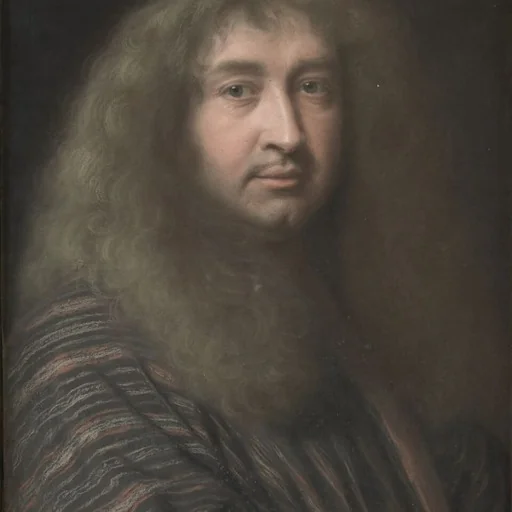
Robert Nanteuil (French pronunciation: ; 1623 – 9 December 1678) was a French portrait artist: engraver, draughtsman and pastellist to the court of Louis XIV.