Artwork
Pierre Bouchu
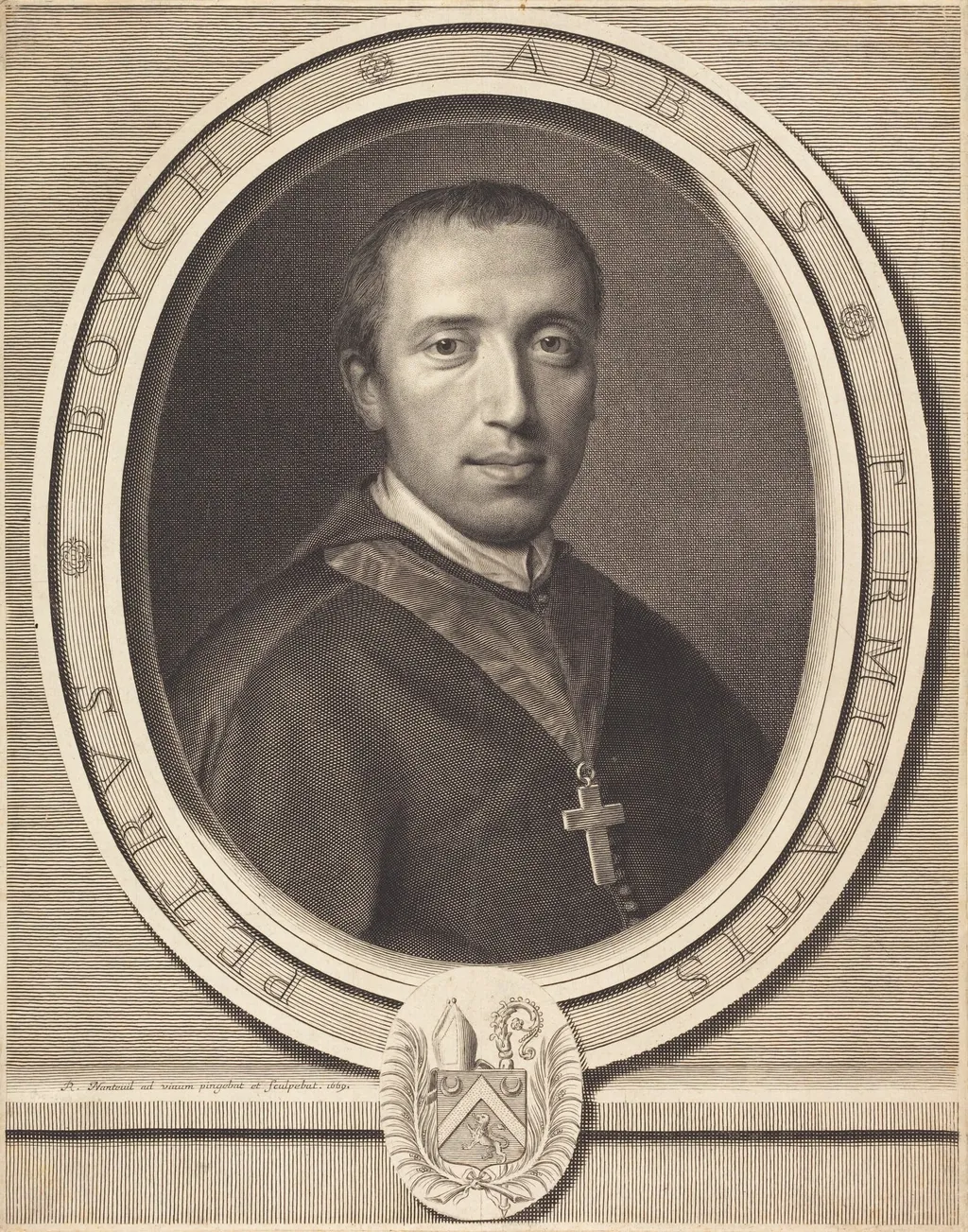
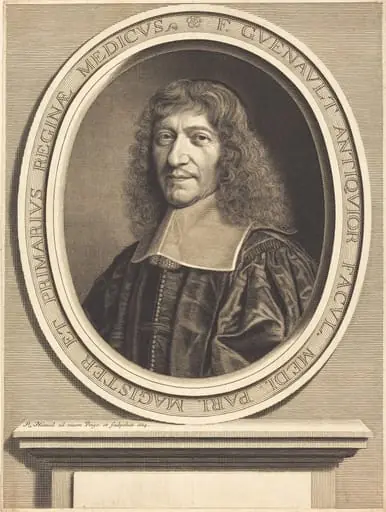
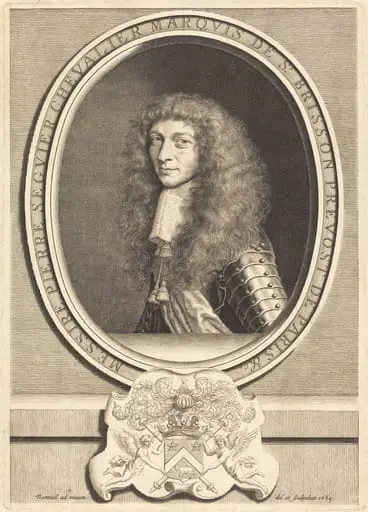
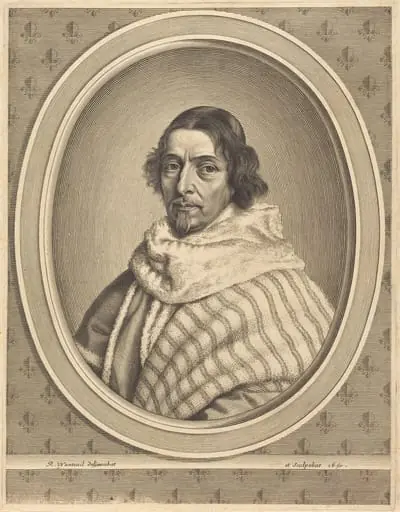
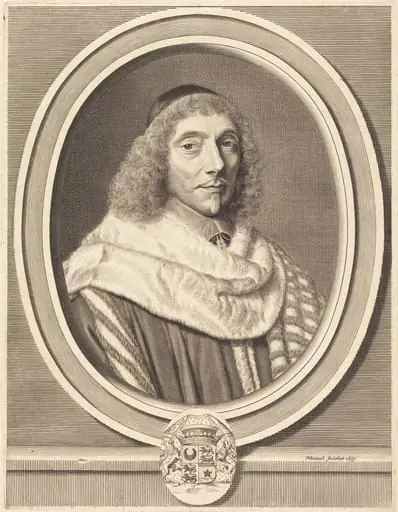
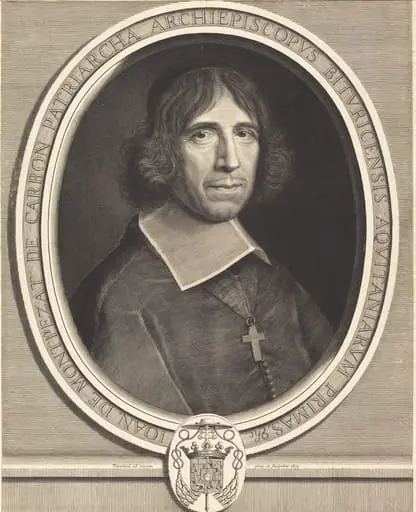
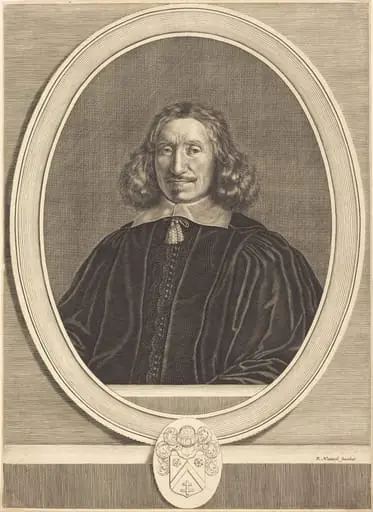
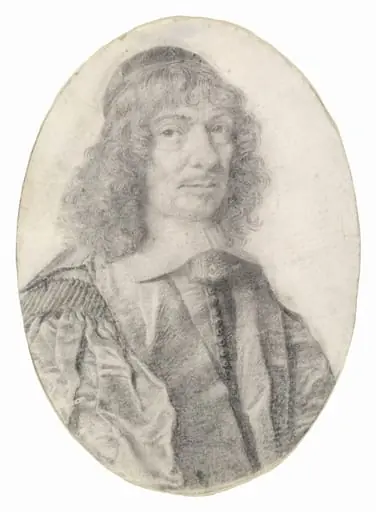
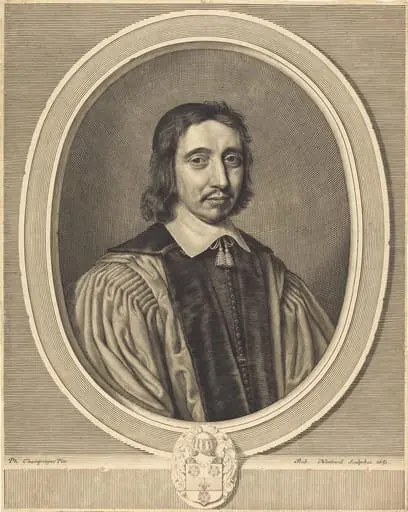
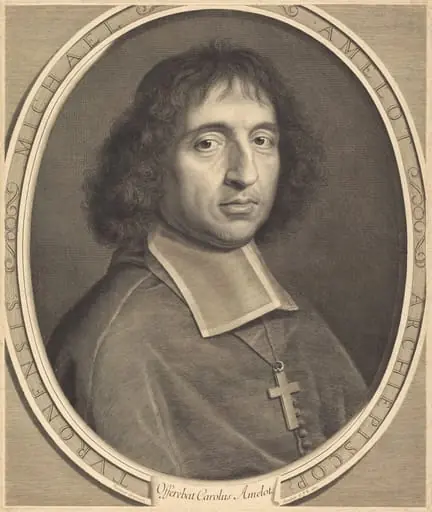
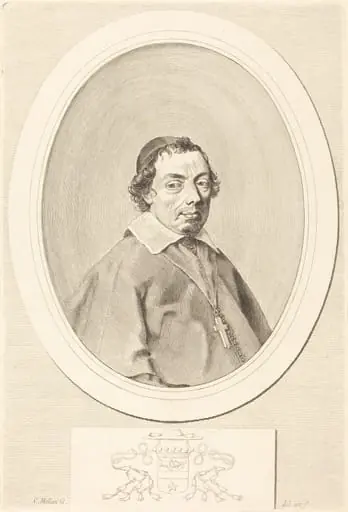
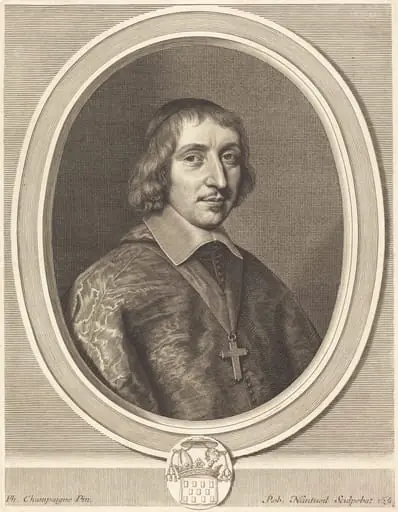
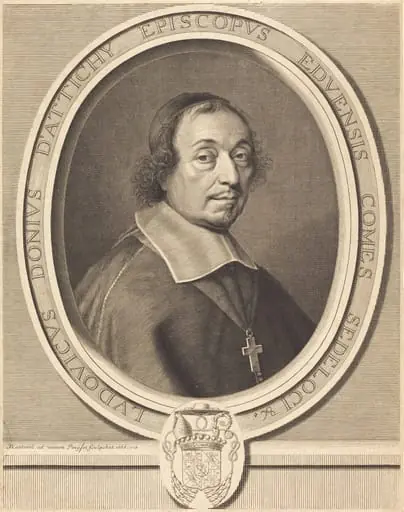
Pierre Bouchu is an ink print by the Baroque artist Robert Nanteuil. It dates from 1669 and is held in the collection of the National Gallery of Art.
About this work
Overview
Robert Nanteuil created the 1669 engraving of Pierre Bouchu as part of his series of formal portraits commissioned by French elites during Louis XIV’s reign.
Robert Nanteuil created the 1669 engraving of Pierre Bouchu as part of his series of formal portraits commissioned by French elites during Louis XIV’s reign. Executed in fine line work on paper, the print reflects Nanteuil’s reputation for precision and psychological nuance. Unlike broad stylistic renderings, this piece prioritizes individual likeness, capturing a moment of quiet alertness rather than ceremonial grandeur.
Subject & Meaning
Pierre Bouchu, a figure of some social standing, is portrayed not in full regalia but in a dark coat with delicate lace trim at the neck and wrists. His turned head and slightly raised eyebrows suggest a fleeting expression of surprise, breaking from the rigid formality typical of court portraiture. This subtle gesture implies a living presence, hinting at personality beyond status or title.
Technique & Style
Nanteuil employed fine, controlled engraving lines to model the face with gradations of light and shadow, using cross-hatching to build volume without heavy tone. The clarity of the lines, especially around the eyes and cheekbones, gives the portrait a lifelike three-dimensionality. The background remains uncluttered, focusing attention entirely on the subject’s expression and attire.
History & Provenance
Created in Paris during the height of Nanteuil’s career, the engraving likely served as a private commission for Bouchu or his circle. Such prints were circulated among the aristocracy as tokens of status and refinement. The work’s survival in good condition suggests it was carefully preserved, possibly within a collector’s album of contemporary portraits.
Context
In mid-17th century France, engraved portraits were valued for their reproducibility and accuracy, serving as alternatives to painted likenesses for those who could not afford full portraits. Nanteuil dominated this field, his style favored for its delicate realism. His work helped define the visual language of French elite identity before the rise of photography.
Legacy
Nanteuil’s engravings, including this one, established a standard for portraiture in print that influenced generations of artists. His ability to convey character through line alone elevated engraving from mere reproduction to a respected artistic medium. Though less known today, his technical mastery remains a benchmark in the history of printmaking.
Artist & collection
Artist
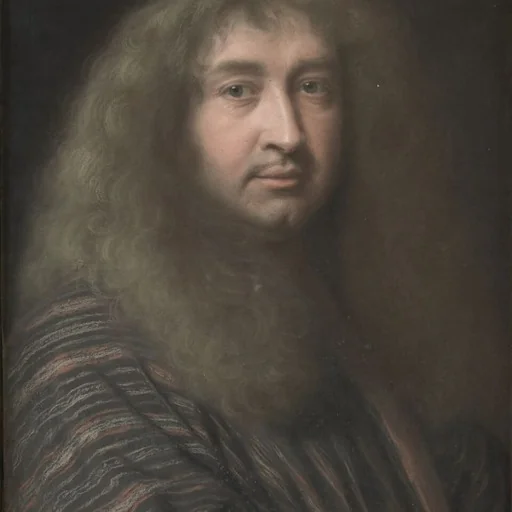
Robert Nanteuil (French pronunciation: ; 1623 – 9 December 1678) was a French portrait artist: engraver, draughtsman and pastellist to the court of Louis XIV.