Artwork
Three Women
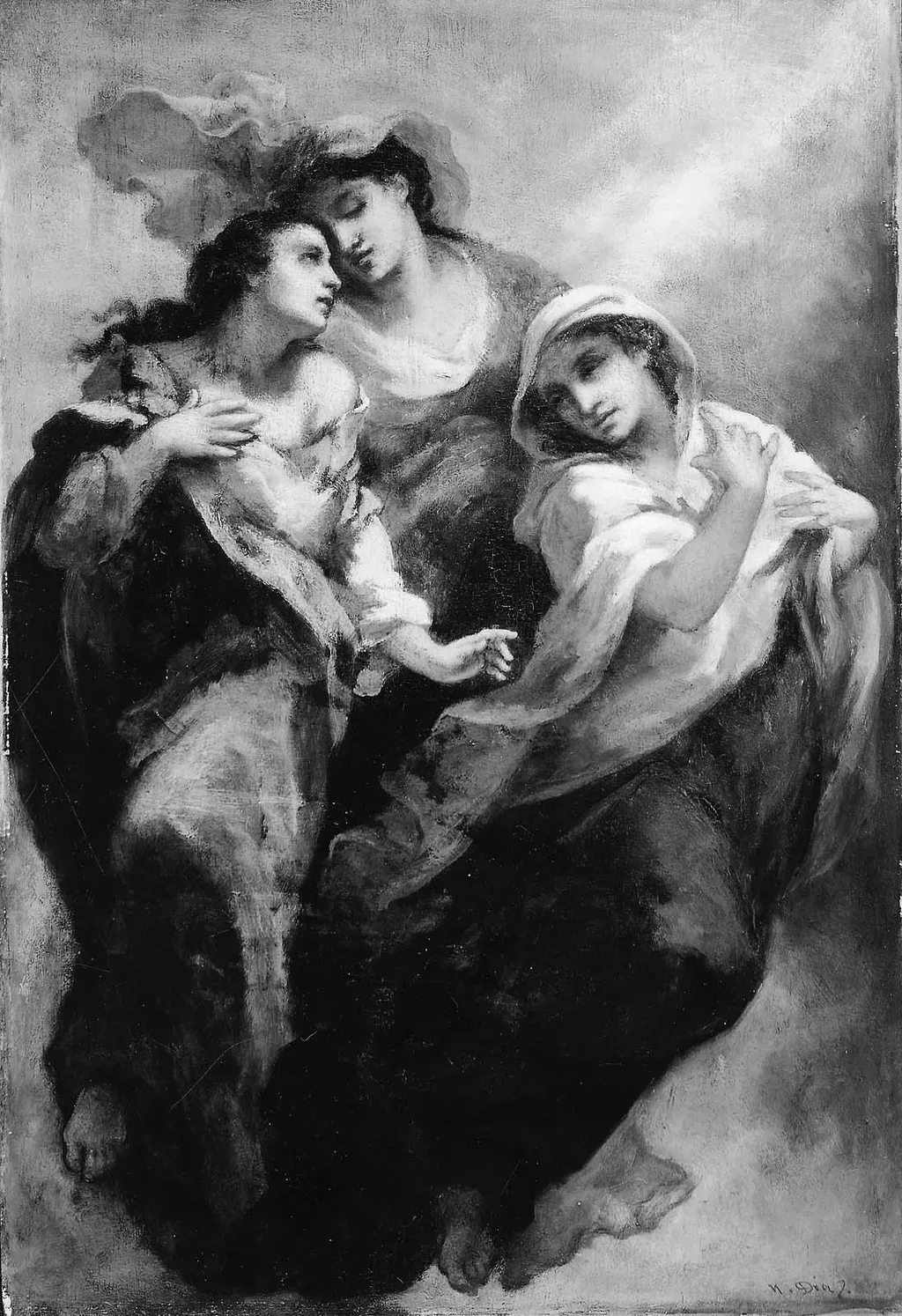
Three Women is an unspecified painting by Narcisse Virgilio Díaz. It dates from 1851 and is held in the collection of the Museum of Fine Arts Boston.
About this work
Overview
Painted around 1851 by Narcisse Virgilio Díaz, Three Women is a genre scene depicting an intimate domestic moment. The work is part of the collection at the Museum of Fine Arts, Boston. It captures a quiet interaction among three female figures, rendered with a gentle atmosphere that emphasizes stillness and emotional connection rather than narrative action.
Subject & Meaning
The painting portrays three women engaged in a tender, wordless exchange centered on an infant. The seated figures cradle and observe the child with calm attention, while the standing woman leans in with quiet observation. The absence of overt drama or symbolic elements suggests a focus on ordinary, private moments, reflecting a 19th-century interest in domestic serenity and maternal bonds.
Technique & Style
Díaz employs soft brushwork and muted tones to create a hazy, atmospheric effect. Light filters diffusely across the figures, enhancing the dreamlike quality of the scene. The contrast between dark garments and pale fabrics—scarves, cloth drapery—adds subtle visual rhythm without drawing attention to detail. The composition is deliberately quiet, avoiding sharp lines or dramatic contrasts.
History & Provenance
Created in the early 1850s, the painting entered the Museum of Fine Arts, Boston’s collection through documented acquisition. It reflects Díaz’s shift from landscape painting toward intimate genre scenes during this period. While not widely exhibited in his lifetime, it has remained in institutional hands since the late 19th century, preserving its original condition and context.
Context
Díaz, associated with the Barbizon School, often blended naturalism with poetic sentiment. Three Women aligns with mid-19th-century French art’s growing interest in everyday life, particularly scenes of women and children. Unlike academic history painting, this work values emotional nuance over grandeur, reflecting broader cultural shifts toward domestic idealism in visual culture.
Legacy
Though not among Díaz’s most widely reproduced works, Three Women exemplifies his ability to convey quiet emotion through restrained composition and tonal harmony. It contributes to the understanding of how Barbizon artists translated rural and domestic life into contemplative art, influencing later generations focused on intimate, non-heroic subjects.
Artist & collection
Artist
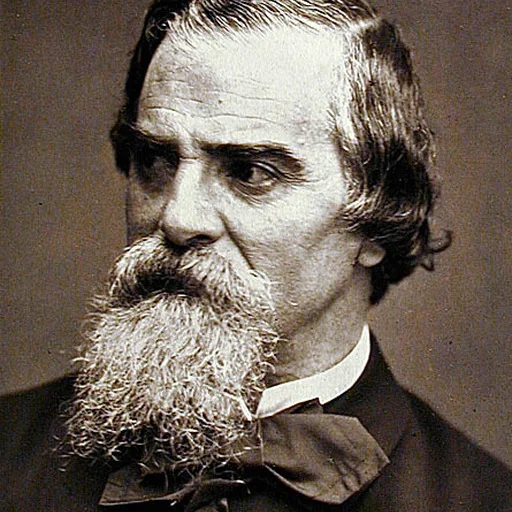
Narcisse Virgilio Díaz (1807–1876) was a French artist, born in Bordeaux.



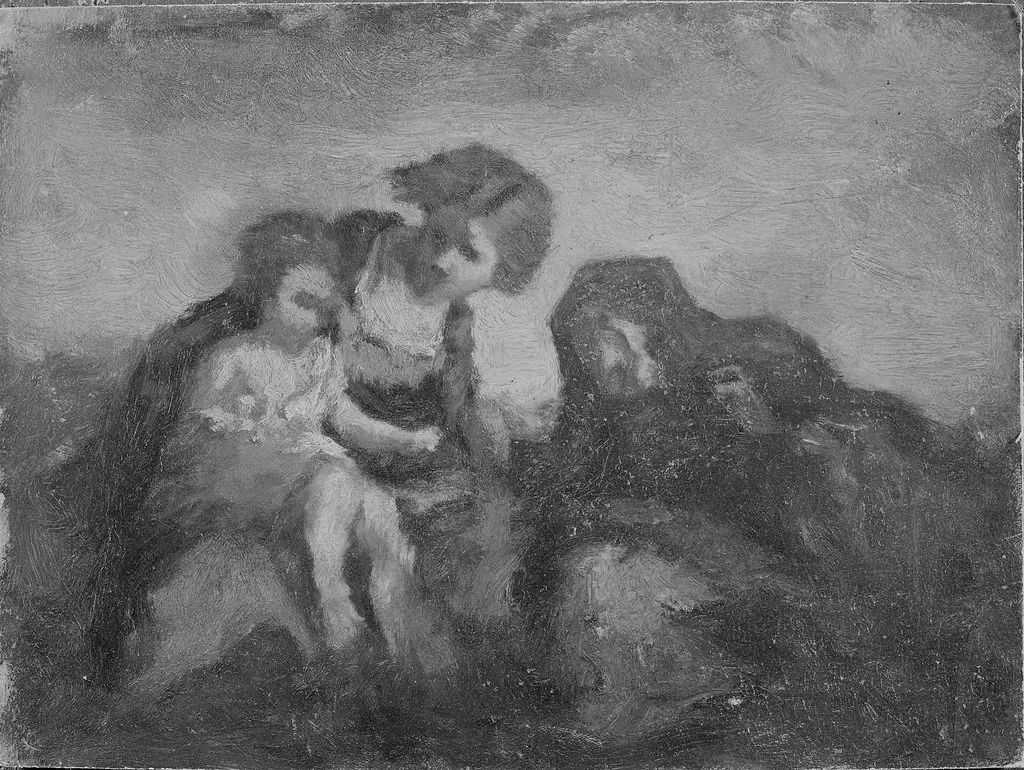 Study for The Fortune Teller
 Die Auffindung Moses
 Women Captives and Guards
 The Three Graces
 The Assumption
 Madonna and Child and Little Saint John
 Spring: Orpheus Coming to the Aid of Eurydice
 The Fortune Teller
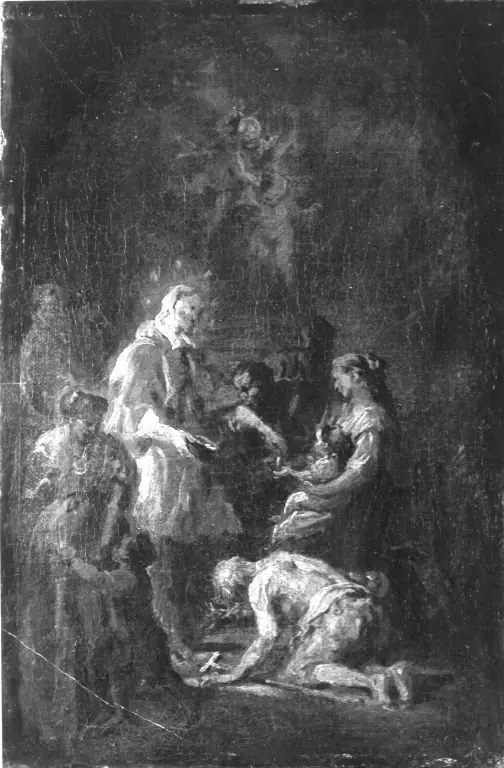 Der hl. Nepomuk Almosen spendend
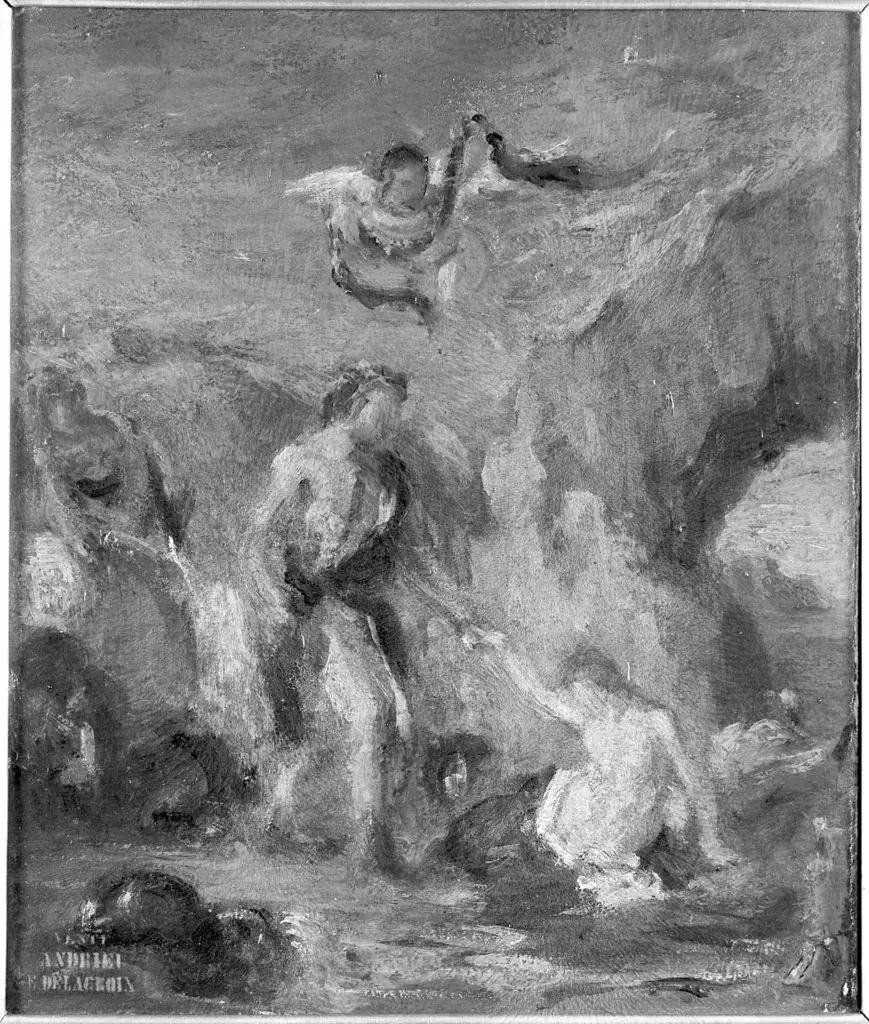 Autumn: Bacchus Returning from the Indies
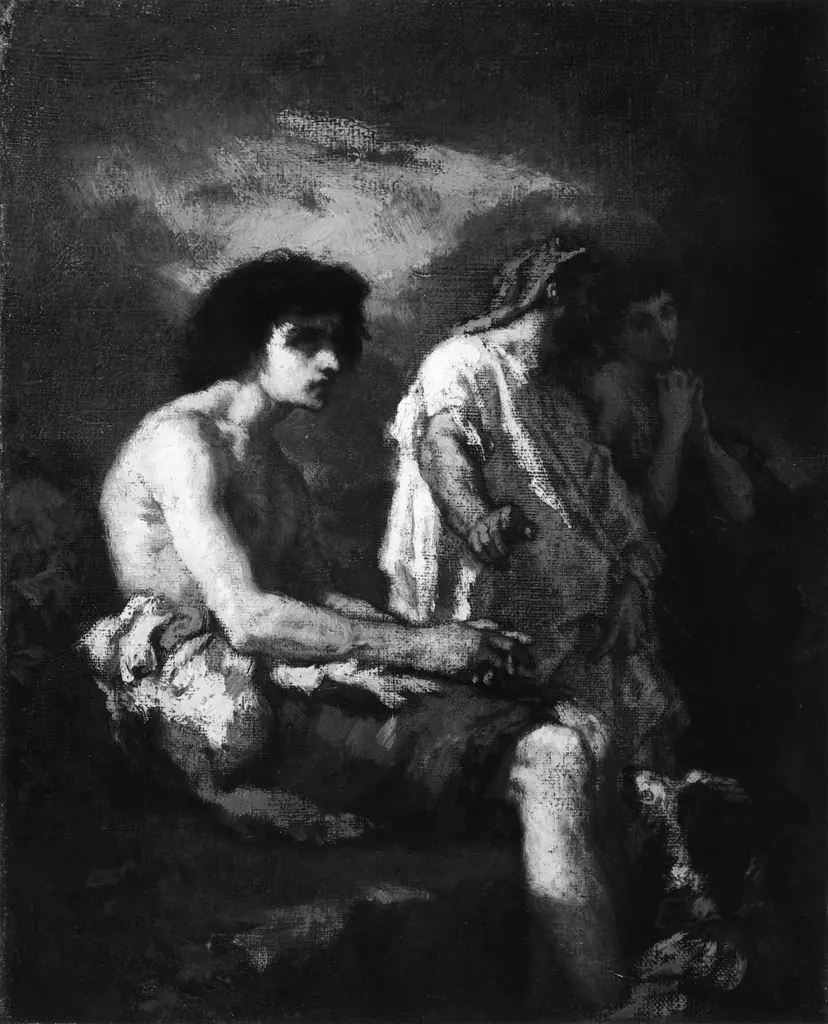 The Prodigal Son
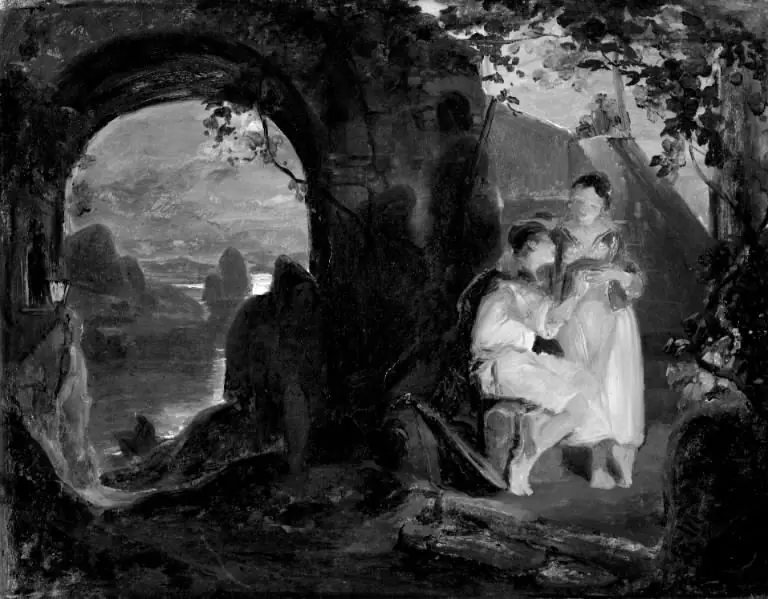 Lovers in a Landscape