Artwork
Autumn: Bacchus Returning from the Indies
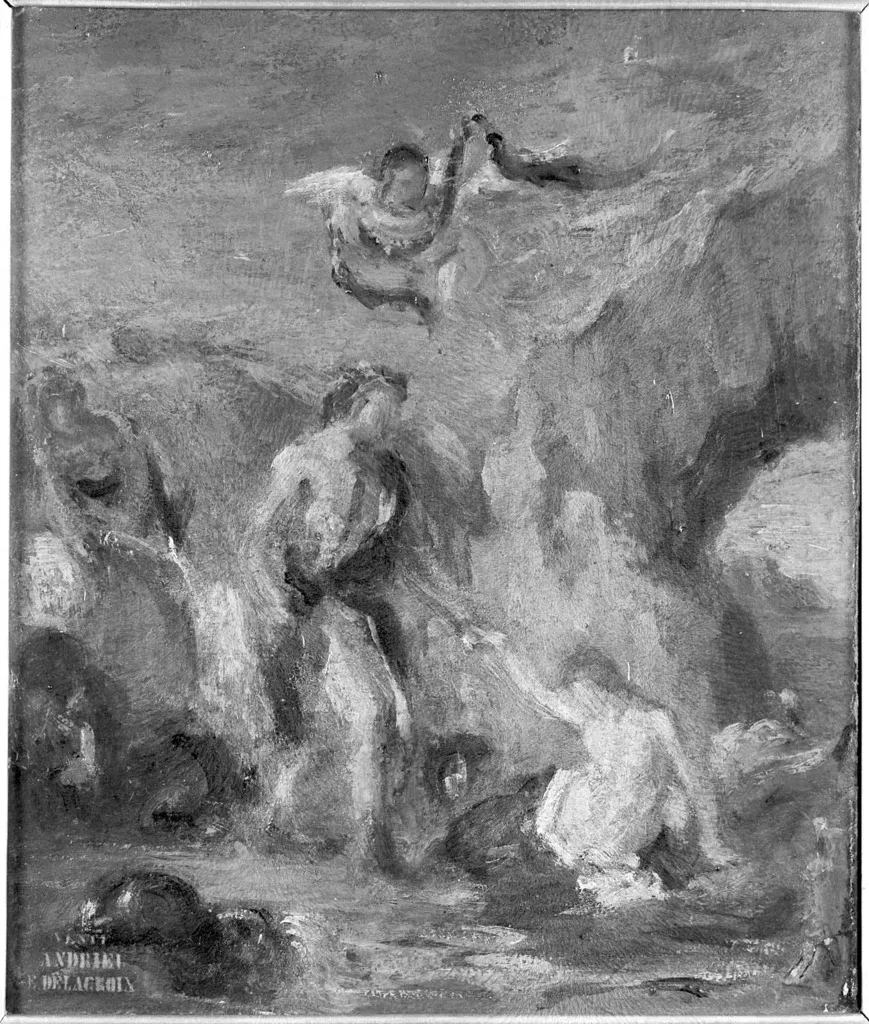
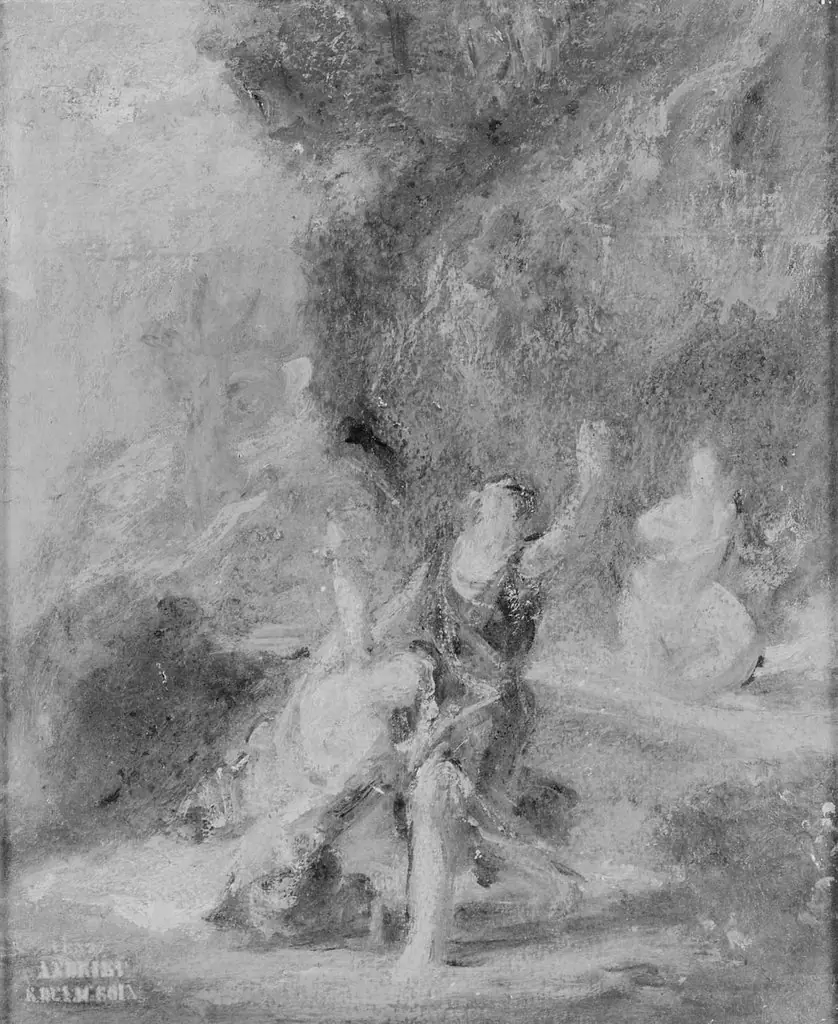
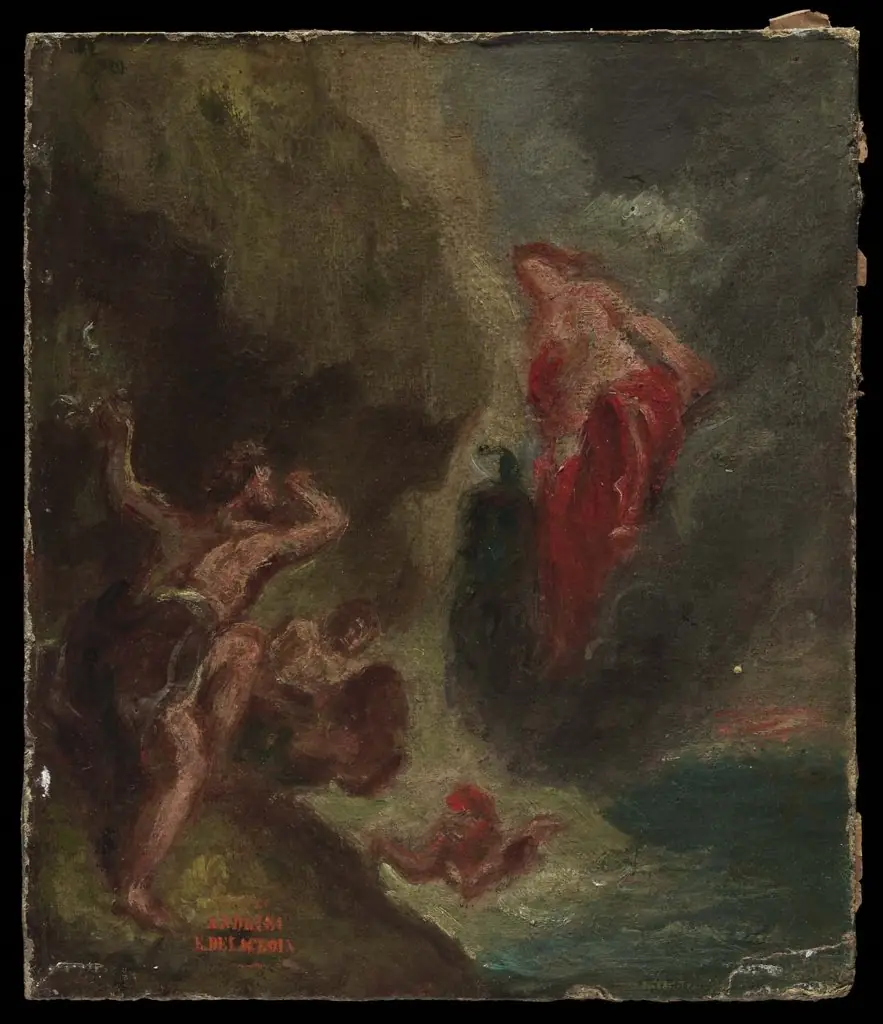
Autumn: Bacchus Returning from the Indies is an unspecified painting by Pierre Andrieu. It dates from 1866 and is held in the collection of the Museum of Fine Arts Boston.
About this work
Overview
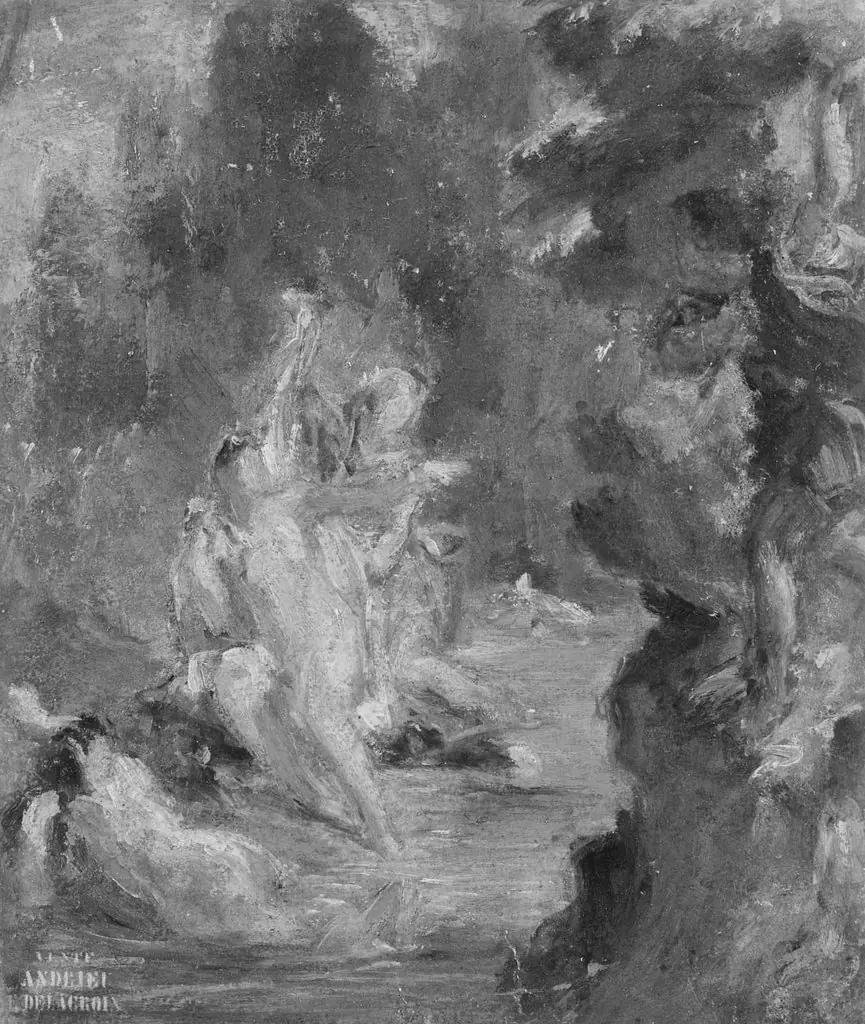
Its composition centers on a procession, evoking both celebration and the passage of time.
Painted around 1866 by Pierre Andrieu, this work is part of a series depicting the seasons, with autumn personified through the return of Bacchus from distant lands. The painting resides in the Museum of Fine Arts, Boston, and reflects 19th-century French academic traditions that blended classical mythology with contemporary naturalism. Its composition centers on a procession, evoking both celebration and the passage of time.
Subject & Meaning
Bacchus, the Roman god of wine and fertility, is shown returning from an expedition to the Indies, symbolizing the harvest’s bounty. He is flanked by attendants, including a woman and child, suggesting domestic continuity amid travel. The scene merges myth with seasonal ritual, implying renewal through abundance. The journey’s exoticism underscores 19th-century European fascination with distant lands, reframed as mythic allegory.
Technique & Style
Andrieu employs visible, fluid brushwork to convey motion and texture, particularly in drapery and foliage. The palette favors earthy, muted tones—olives, browns, and soft ochres—creating a subdued, atmospheric depth. Figures are rendered with careful anatomical detail, yet the overall effect avoids rigid formality, allowing a sense of spontaneous movement. Light filters diffusely through the trees, enhancing the painting’s quiet, lyrical mood.
History & Provenance
The painting was completed in the mid-1860s and entered the Museum of Fine Arts, Boston, in the late 19th century. Its acquisition aligns with the museum’s early focus on European academic art. While Andrieu was a lesser-known figure compared to his contemporaries, this work was likely selected for its technical competence and adherence to established mythological themes favored by collectors of the period.
Context
Created during a time when French academies still prioritized historical and mythological subjects, the painting reflects a broader trend of reinterpreting classical narratives through a lens of naturalism. European colonial expansion influenced depictions of the 'Indies,' often romanticized as sources of exotic wealth. Andrieu’s work participates in this cultural current, embedding contemporary imperial imagination within ancient myth.
Legacy
Though not widely exhibited outside Boston, the painting remains a representative example of mid-19th-century academic mythological painting. It illustrates how lesser-known artists contributed to institutional collections by adhering to prevailing stylistic norms. Its preservation offers insight into how classical themes were adapted for Victorian-era audiences seeking moral and aesthetic continuity through antiquity.
Artist & collection