Artwork
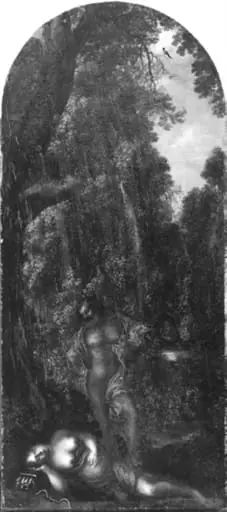
Spring: Orpheus Coming to the Aid of Eurydice
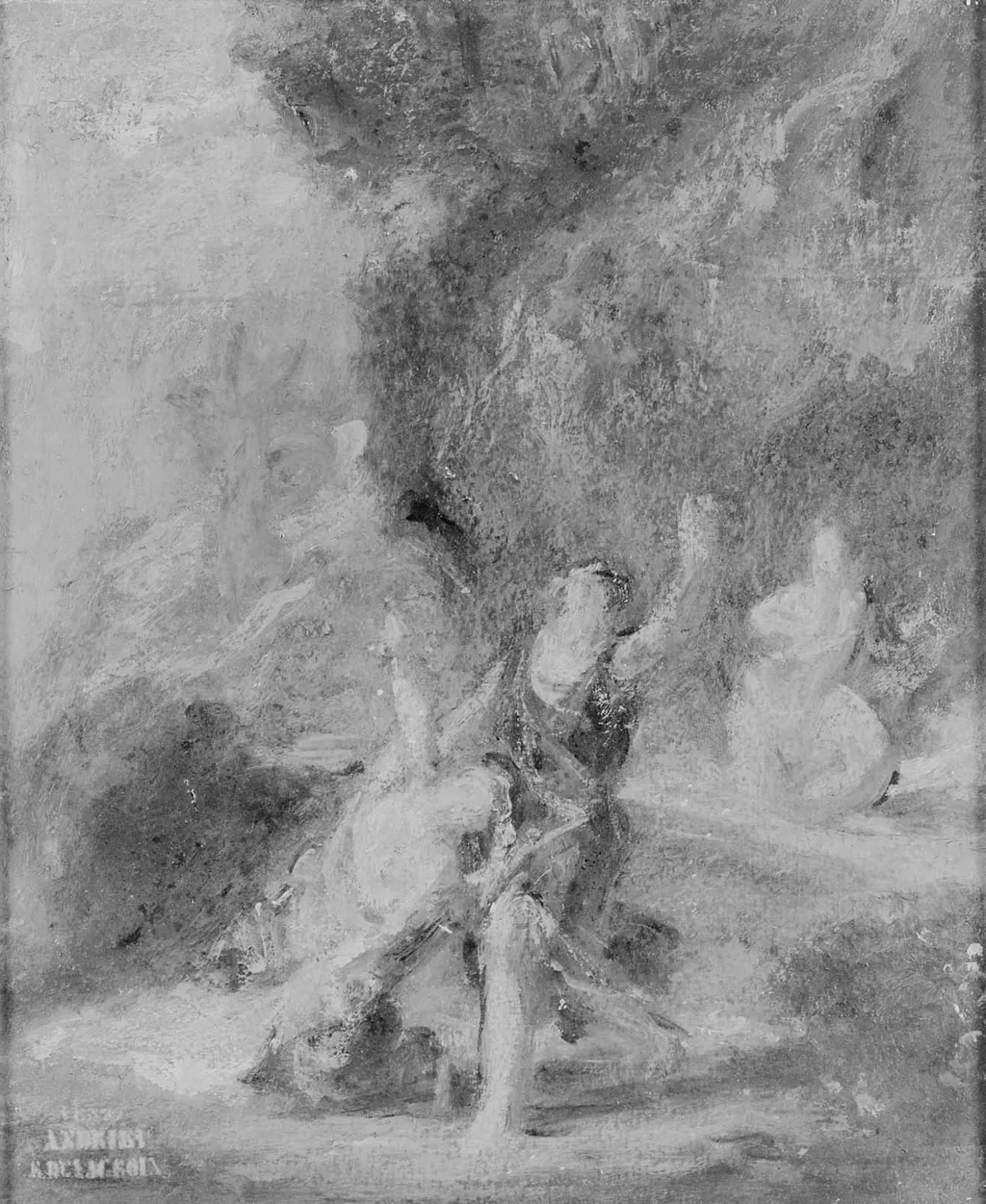
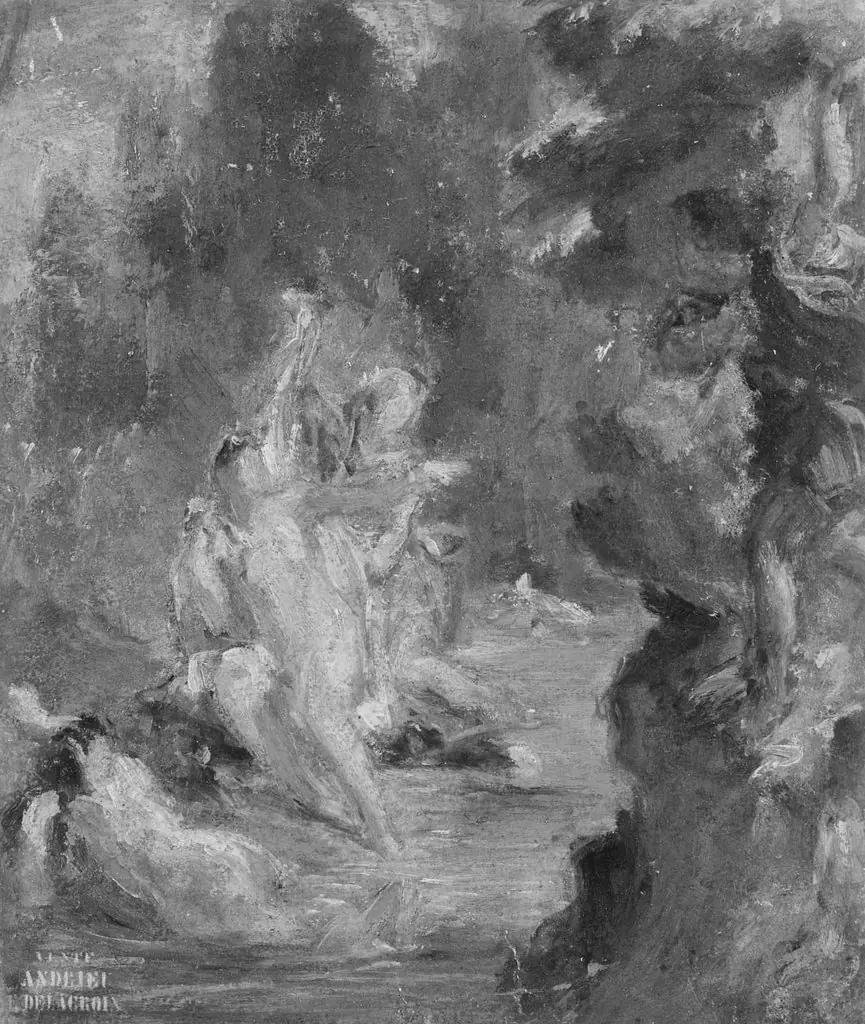
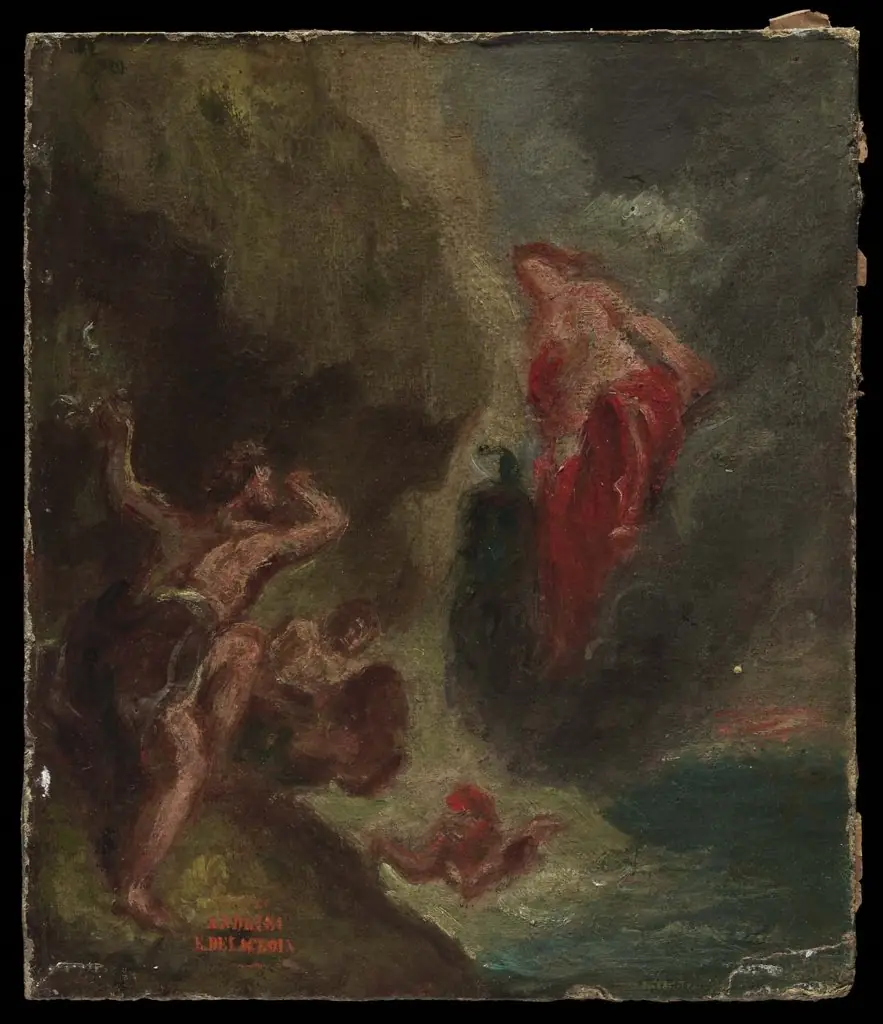
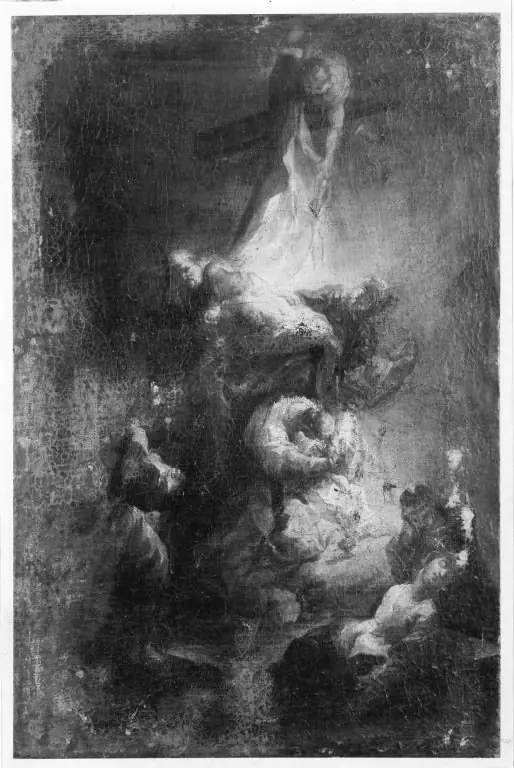
Spring: Orpheus Coming to the Aid of Eurydice is an unspecified painting by Pierre Andrieu. It dates from 1866 and is held in the collection of the Museum of Fine Arts Boston.
About this work
Overview
The painting reflects 19th-century French interest in classical themes, rendered with emotional intensity rather than idealized precision.
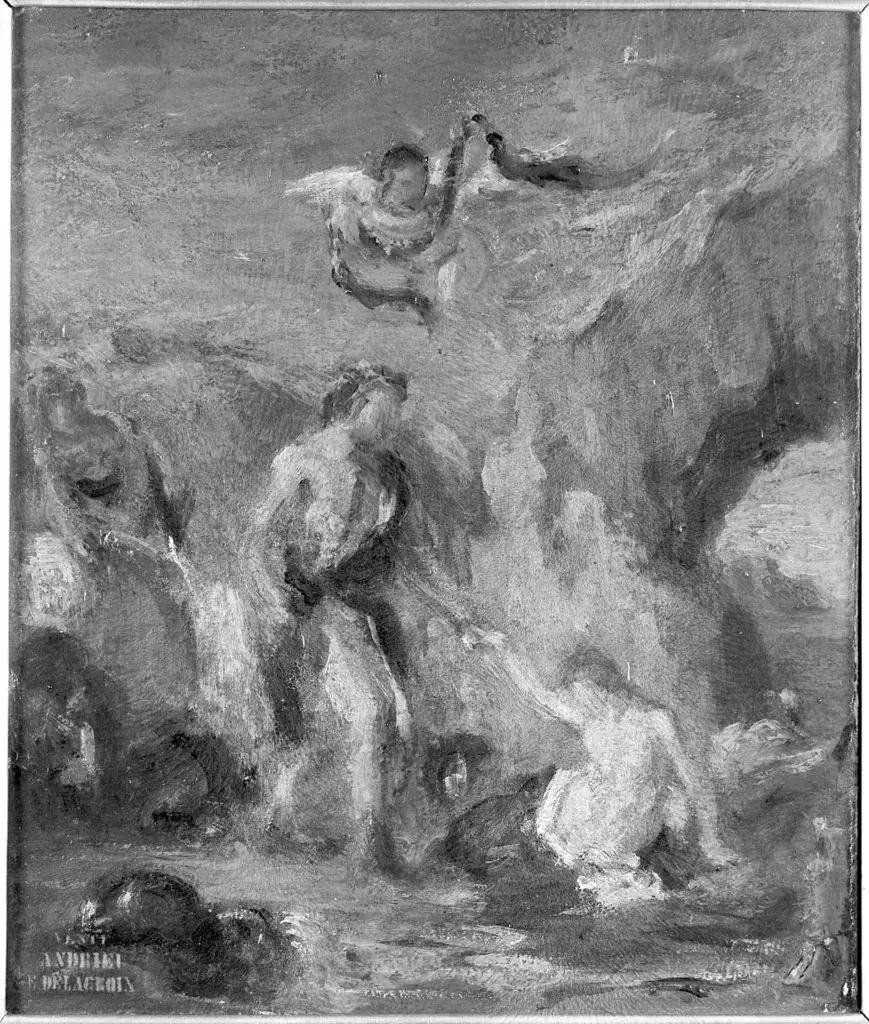
Painted around 1866 by Pierre Andrieu, this work illustrates a moment from the myth of Orpheus and Eurydice. It is part of the collection at the Museum of Fine Arts, Boston. The composition centers on two figures in a moment of urgent interaction, set against a muted, ambiguous background. The painting reflects 19th-century French interest in classical themes, rendered with emotional intensity rather than idealized precision.
Subject & Meaning
The scene captures Orpheus reaching toward Eurydice as she begins to slip back into the underworld. His outstretched hand and her kneeling posture convey the fragility of their reunion, just before her final loss. The moment is drawn from the myth’s tragic climax, where Orpheus’s glance back violates the condition of her return. The painting emphasizes human vulnerability and the inevitability of fate.
Technique & Style
Andrieu employs loose brushwork and strong contrasts of light and shadow to heighten emotional tension. The figures emerge from a dark, indistinct space, with subtle highlights suggesting foliage or ambient glow. The rendering is expressive rather than polished, prioritizing movement and feeling over anatomical detail. This approach aligns with emerging trends in French Romantic and early Realist painting of the period.
History & Provenance
The painting was completed in the mid-1860s and entered the Museum of Fine Arts, Boston, in the late 19th century. Its acquisition reflects the museum’s early focus on European academic and romantic works. While not widely exhibited in major retrospectives, it has remained in the institution’s collection, preserved as an example of lesser-known mythological painting from the era.
Context
During the 1860s, French artists frequently revisited classical myths as vehicles for psychological and emotional exploration. Andrieu’s treatment diverges from the grandeur of academic history painting, favoring intimacy and immediacy. This shift mirrors broader artistic movements that valued personal expression and dramatic narrative over formal perfection.
Legacy
Though not among Andrieu’s most studied works, the painting contributes to understanding the diversity of mythological interpretations in mid-19th-century France. Its emotional tone and informal technique anticipate later developments in Symbolist and Post-Impressionist approaches to myth. It remains a quiet example of how classical stories continued to resonate in evolving artistic languages.
Artist & collection