Artwork
Banqueting Room, Bramhall, Cheshire
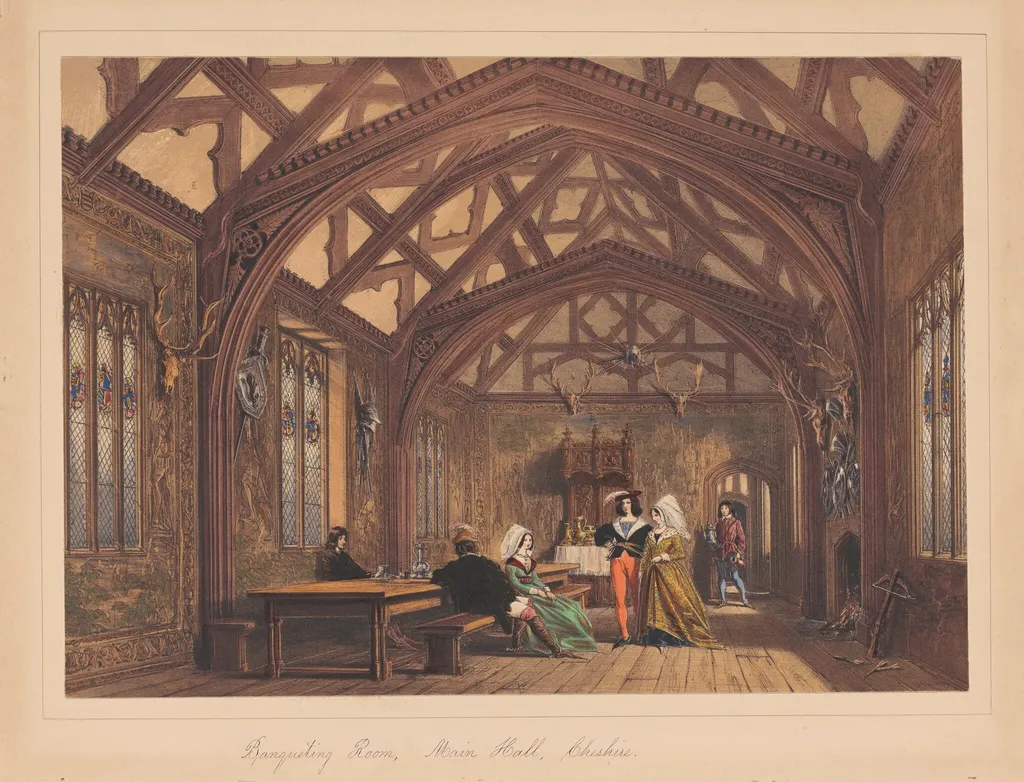
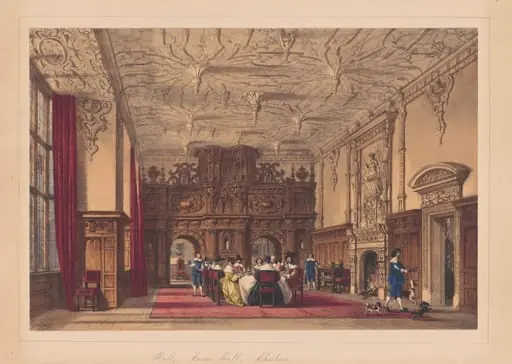
Banqueting Room, Bramhall, Cheshire is an ink print by the Romanticist artist Joseph Nash. It dates from 1849 and is held in the collection of the National Gallery of Art.
About this work
Overview
Created in 1849 by Joseph Nash, this hand-colored lithograph on wove paper depicts the interior of the banqueting room at Bramhall Hall in Cheshire.
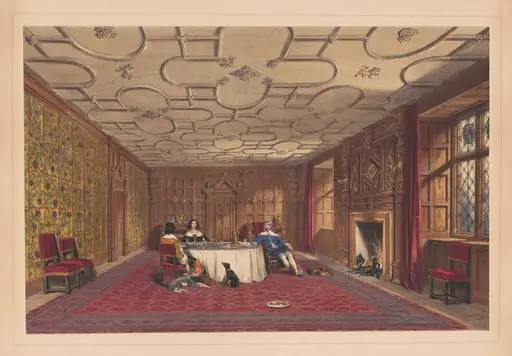
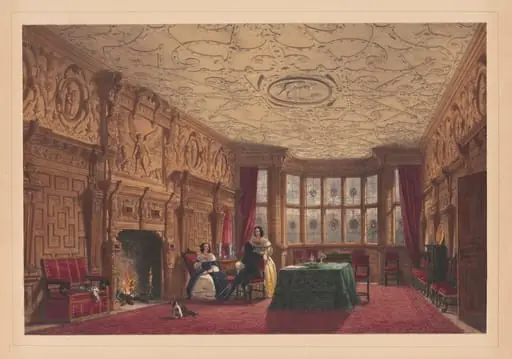
Created in 1849 by Joseph Nash, this hand-colored lithograph on wove paper depicts the interior of the banqueting room at Bramhall Hall in Cheshire. Mounted on board, the print is one of many produced for Nash’s four-volume series, *Mansions of England in the Olden Time*, which sought to record the architectural character of historic English country houses during a period of rapid change and demolition.
Subject & Meaning
The scene portrays a grand interior space used for formal gatherings, with a long table flanked by figures in period dress. The presence of personal items—a hat, a walking stick—suggests a momentary pause in activity, grounding the opulence in everyday life. Nash’s focus on architectural detail implies an interest in preserving the material culture of England’s past, not merely its grandeur.
Technique & Style
Nash employed lithography, a printmaking method allowing fine detail, and added color by hand to enhance realism. The rendering of wooden beams, stained-glass windows, and textured flooring demonstrates meticulous observation. Light is carefully suggested through the windows, casting soft shadows that emphasize the room’s volume and craftsmanship, typical of mid-19th-century topographical illustration.
History & Provenance
The work was produced as part of Nash’s ambitious project to document England’s historic residences, published between 1839 and 1849. Bramhall Hall, a Tudor-era manor, was chosen for its well-preserved interiors. The lithograph likely served both as an artistic record and a commercial publication, appealing to antiquarian audiences concerned with national heritage during the Victorian era.
Context
In the mid-1800s, industrialization and urban expansion threatened many historic buildings. Nash’s project emerged alongside growing antiquarian interest and early preservation movements. His images offered a visual archive of interiors that were increasingly rare or at risk, positioning his work as both documentation and quiet advocacy for architectural conservation.
Legacy
Nash’s series remains a valuable resource for historians studying English domestic architecture. While later critics viewed his style as overly decorative, the precision of his renderings continues to inform restoration efforts and scholarly research. The *Banqueting Room, Bramhall* exemplifies how printmaking served as a tool for preserving cultural memory before widespread photography.
Artist & collection
Artist
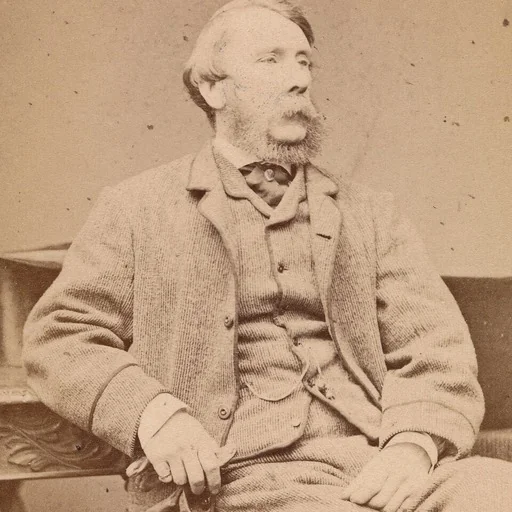
Joseph Nash (17 December 1809 – 19 December 1878) was an English watercolour painter and lithographer, specialising in historical buildings. His major work was the 4-volume Mansions of England in the Olden Time, published from 1839–49.

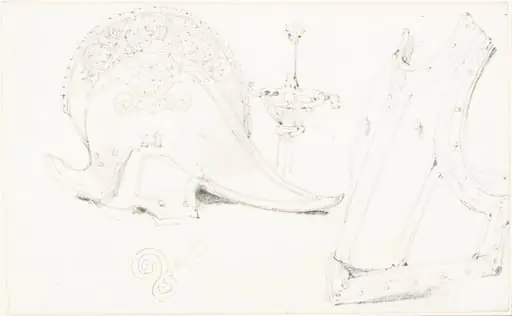 Study of a Helmet, Breastplate, and Rapier
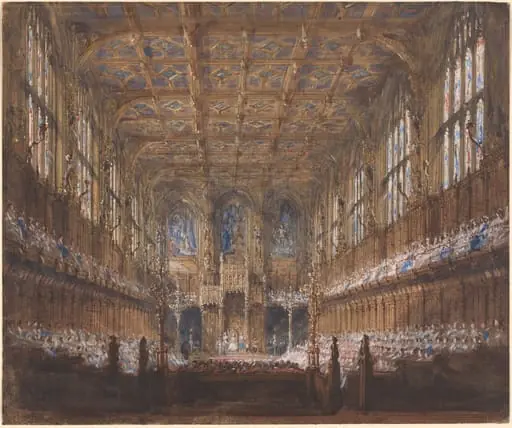 The State Opening of Parliament in the Rebuilt House of Lords
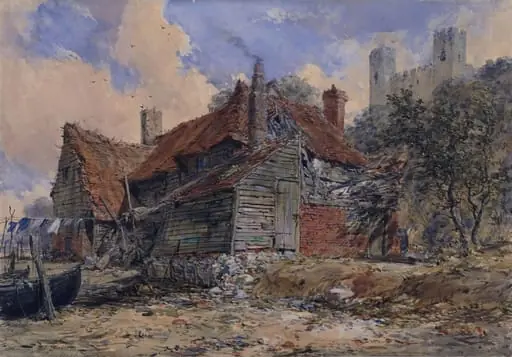 Rochester
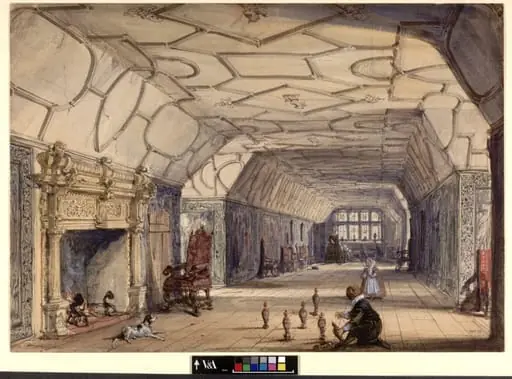 The gallery at Knole House, near Sevenoaks
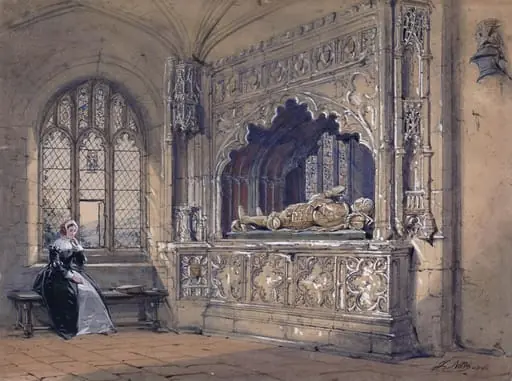 The supposed tomb of Thomas Fiennes, in Herstmonceux Church, Sussex, looking south-east from the North Chapel
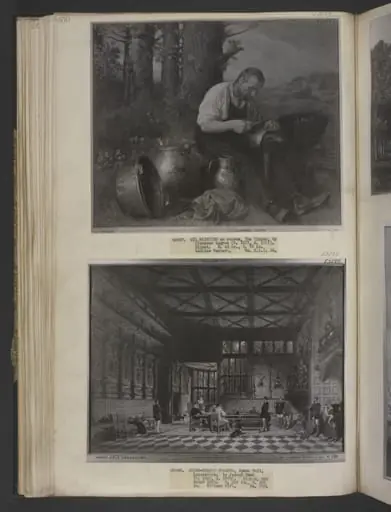 Speke Hall, Lancashire
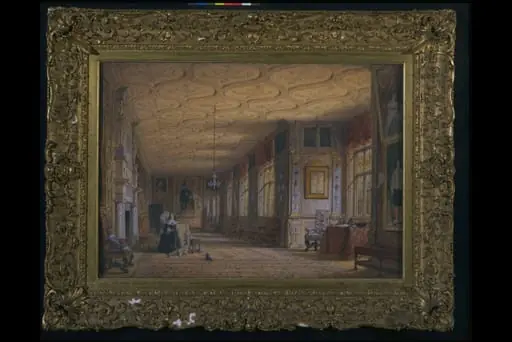 The Cartoon Gallery at Knole
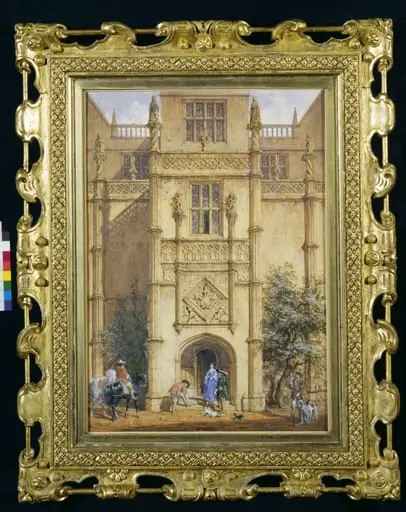 The Porch at Montacute House, Somerset