Artwork
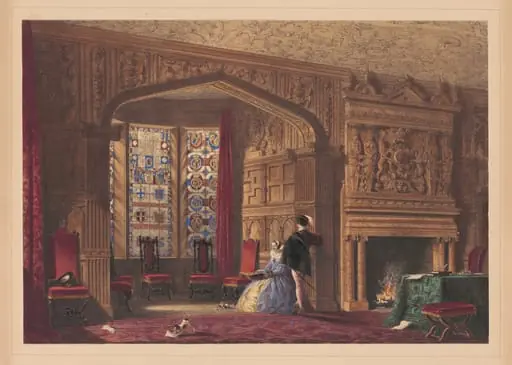
Caved Parlor, Crewe Hall, Cheshire
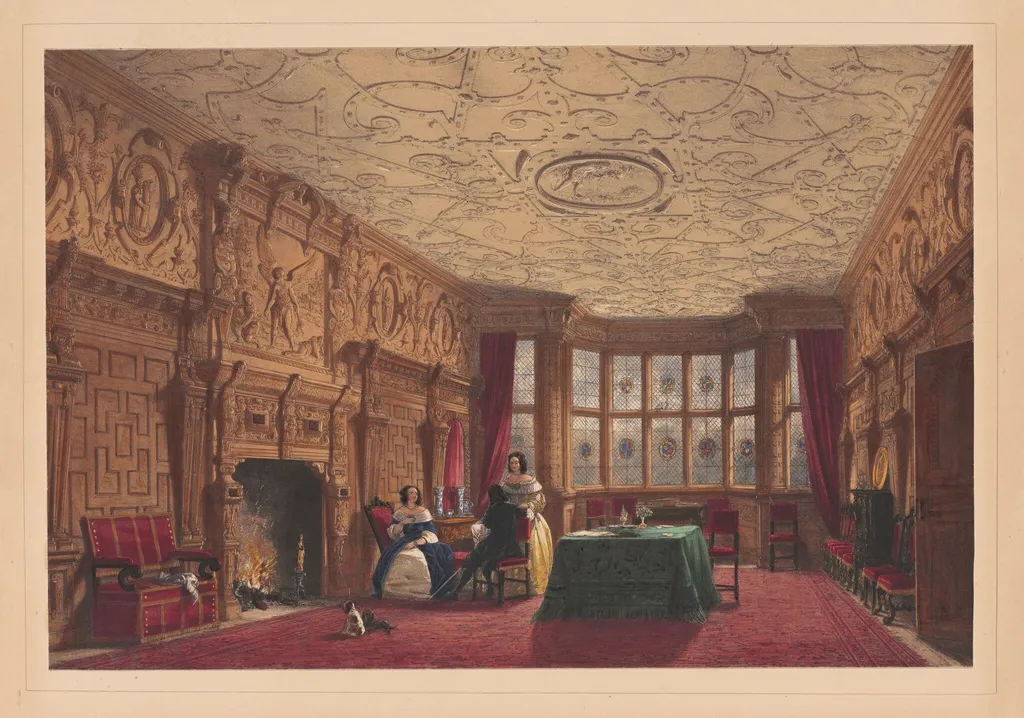
Caved Parlor, Crewe Hall, Cheshire is an ink print by the Romanticist artist Joseph Nash. It dates from 1849 and is held in the collection of the National Gallery of Art.
About this work
Overview
Created in 1849, *Caved Parlor, Crewe Hall, Cheshire* is a hand-colored lithograph by Joseph Nash, produced as part of his four-volume series *Mansions of England in the Olden Time*. The work captures an interior space with precision, using lithographic technique and delicate color application to record the architectural detail of a historic English country house. Mounted on board, the print reflects Nash’s dedication to preserving the visual record of aristocratic interiors during a period of rapid social and architectural change.
Subject & Meaning
Figures—a seated woman by the fireplace, a standing woman near a table, and a man at the table—along with a dog on the floor, suggest quiet domestic life.
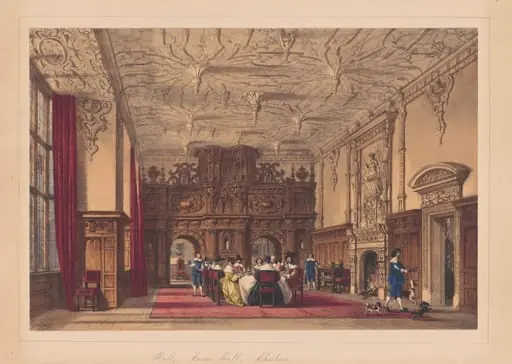
The scene depicts the Caved Parlor at Crewe Hall, a room distinguished by its rich woodcarvings, ornate ceiling, and period furnishings. Figures—a seated woman by the fireplace, a standing woman near a table, and a man at the table—along with a dog on the floor, suggest quiet domestic life. The inclusion of people contextualizes the space as lived-in, not merely architectural. The composition emphasizes continuity and tradition, aligning with the series’ aim to document the material culture of England’s landed gentry.
Technique & Style
Nash employed hand-colored lithography on wove paper to achieve fine detail and tonal nuance. The lithographic process allowed for crisp rendering of intricate woodcarvings, fabric textures, and decorative motifs, while subtle coloring enhanced realism without overwhelming the line work. His style prioritizes accuracy over drama, favoring clear spatial organization and meticulous attention to surface detail. The lighting, entering through a large window, is rendered with restraint, reinforcing the quiet dignity of the interior.
History & Provenance
The print was produced in 1849 as the final volume of Nash’s *Mansions of England in the Olden Time*, a project commissioned to document historic estates before they were altered by modernization. Crewe Hall, a Tudor-Jacobean mansion, was selected for its preserved interiors. The work likely originated as a subscription-based publication, distributed to collectors and institutions. Its mounting on board suggests it was intended for display, not just archival preservation.
Context
Nash’s project emerged amid growing antiquarian interest in England’s architectural heritage, fueled by industrialization and fears of cultural loss. His focus on interiors—rather than exteriors—distinguished his work from contemporaries. The Caved Parlor, with its elaborate carvings and surviving furnishings, represented an idealized vision of pre-industrial domestic life. The series served both as a historical record and a cultural statement, affirming the value of inherited aristocratic spaces.
Legacy
Nash’s lithographs, including *Caved Parlor*, remain key visual sources for historians studying 19th-century English interiors. Though later restorations altered many of the sites he documented, his prints offer reliable evidence of original decoration and spatial arrangement. His method influenced subsequent architectural documentation, and his series is now held in major collections as a benchmark for the study of domestic design in early Victorian England.
Artist & collection
Artist
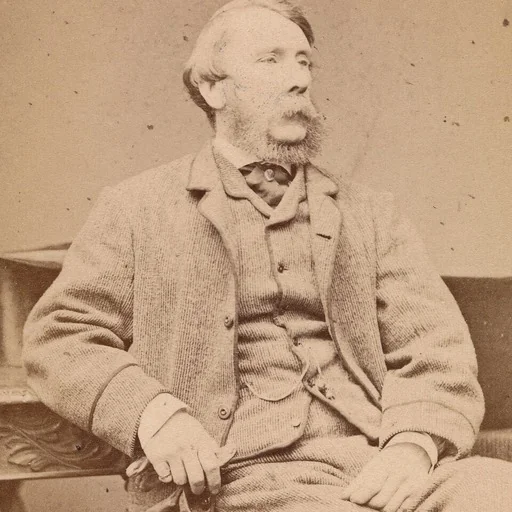
Joseph Nash (17 December 1809 – 19 December 1878) was an English watercolour painter and lithographer, specialising in historical buildings. His major work was the 4-volume Mansions of England in the Olden Time, published from 1839–49.

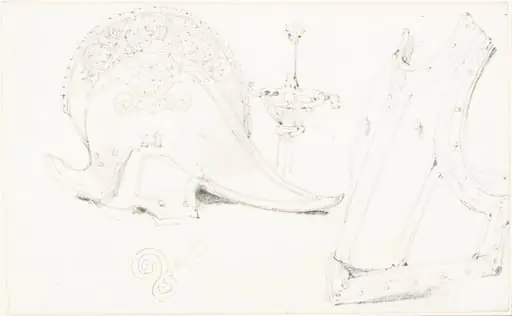 Study of a Helmet, Breastplate, and Rapier
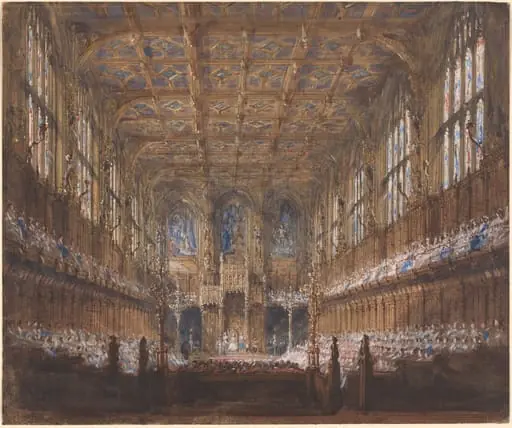 The State Opening of Parliament in the Rebuilt House of Lords
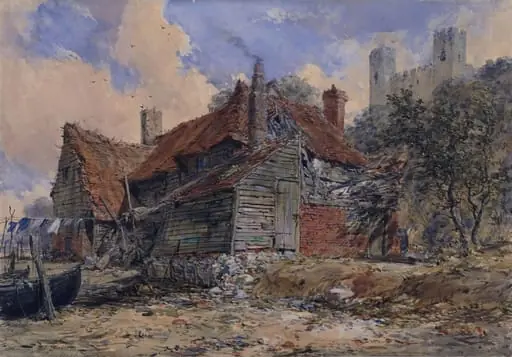 Rochester
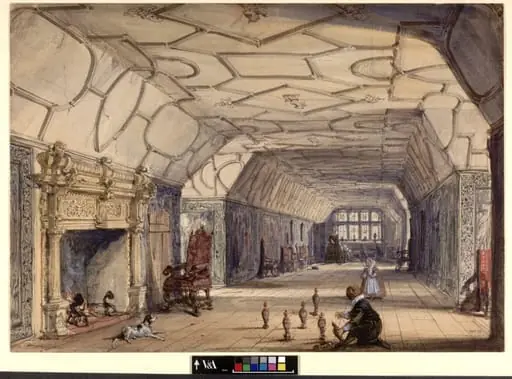 The gallery at Knole House, near Sevenoaks
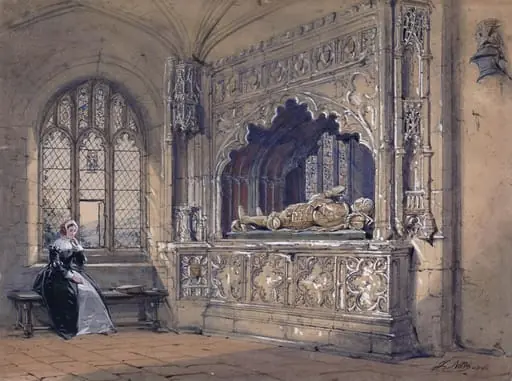 The supposed tomb of Thomas Fiennes, in Herstmonceux Church, Sussex, looking south-east from the North Chapel
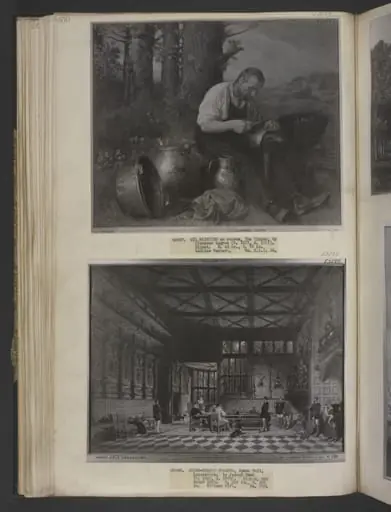 Speke Hall, Lancashire
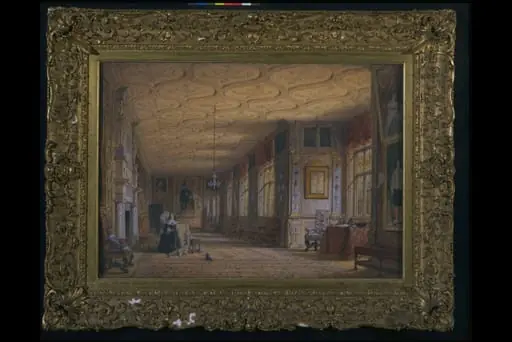 The Cartoon Gallery at Knole
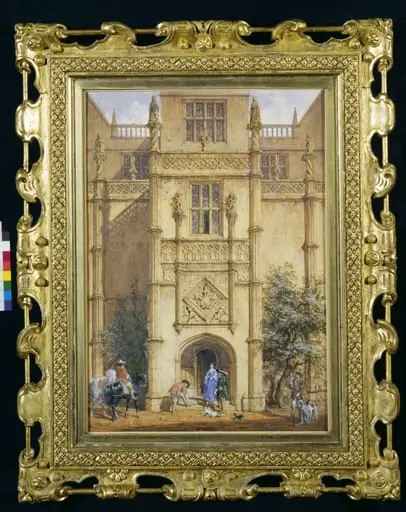 The Porch at Montacute House, Somerset