Artwork
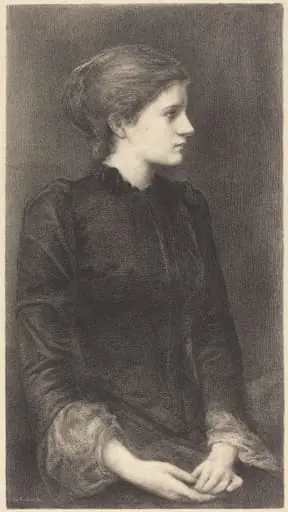
Portrait of the Artist's Wife, Sarah Edwards Nast
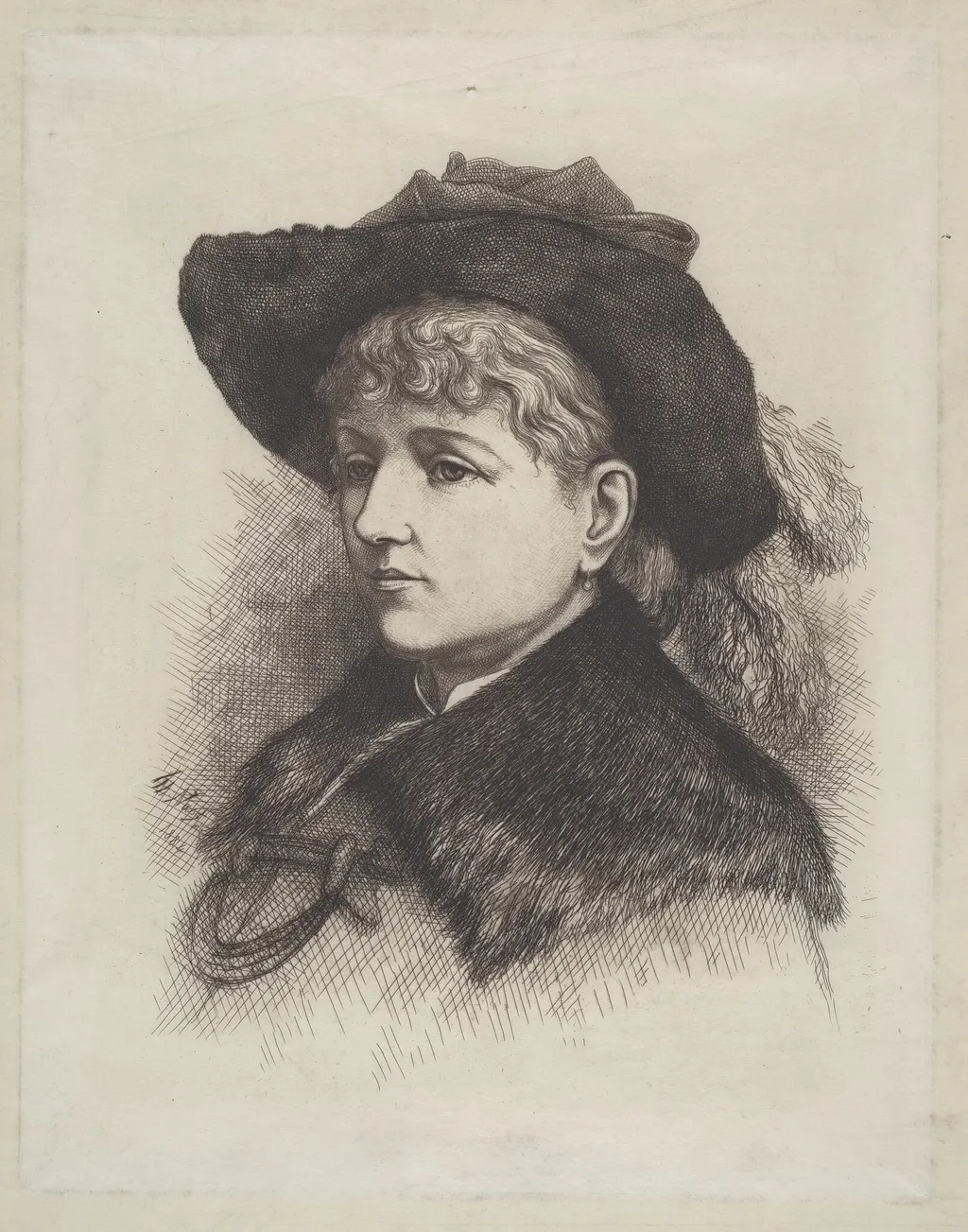
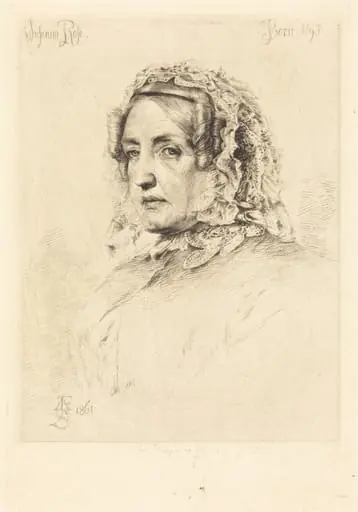
Portrait of the Artist's Wife, Sarah Edwards Nast is an ink print by the Impressionist artist Thomas Nast. It dates from 1884 and is held in the collection of the National Gallery of Art.
About this work
Overview
The composition focuses on the sitter’s upper body, emphasizing texture and quiet dignity rather than overt expression.
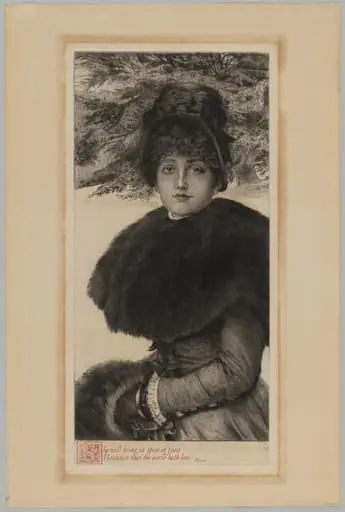
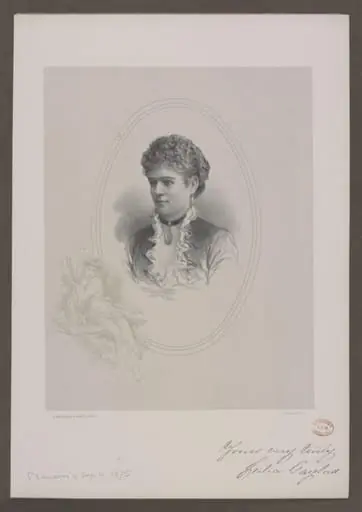
Created in 1884, this etching by Thomas Nast depicts his wife, Sarah Edwards Nast, in a formal, subdued pose. Rendered in monochrome, the work exemplifies the precision possible in late 19th-century printmaking. The composition focuses on the sitter’s upper body, emphasizing texture and quiet dignity rather than overt expression. Nast’s use of fine, controlled lines captures the subtleties of fabric and light without color.
Subject & Meaning
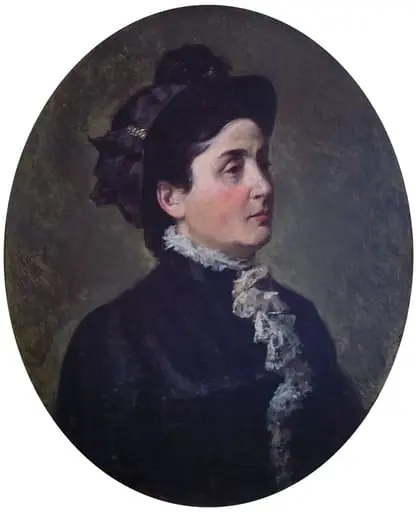
Sarah Edwards Nast is portrayed with restrained elegance, her face partially veiled by lace, suggesting modesty or introspection. The high collar and wide-brimmed hat reflect the fashion of the era, while the veil introduces a sense of privacy, perhaps indicating the personal nature of the portrait. Unlike public political imagery Nast was known for, this piece offers an intimate glimpse into domestic life, honoring his wife beyond his public persona.
Technique & Style
Nast employed etching to achieve intricate detail, particularly in the lace veil, collar, and hat brim. The lines are deliberate and varied in density, creating tonal gradations that suggest volume and texture. The absence of color directs attention to the interplay of light and shadow, a hallmark of the medium. His technique reflects mastery of line and a sensitivity to surface, characteristic of skilled printmakers of the period.
History & Provenance
The etching was made in 1884, during a period when Nast was increasingly focused on private life amid declining public influence. It likely served as a personal keepsake or gift, rather than a commissioned work. While its early ownership is undocumented, it remains among the few intimate portraits Nast produced, distinguishing it from his widely circulated political cartoons.
Context
In the 1880s, etching experienced a revival among American artists seeking alternatives to mass-produced illustrations. Nast, though best known for political satire, engaged with this medium to explore quieter subjects. The portrait aligns with broader trends in fine printmaking, where artists turned inward, valuing craftsmanship and personal expression over public commentary.
Legacy
This etching stands as a rare personal artifact in Nast’s oeuvre, offering insight into his private world. While overshadowed by his political work, it demonstrates his technical versatility and emotional depth. It contributes to the understanding of 19th-century American printmakers who balanced public duty with private artistic exploration.
Artist & collection


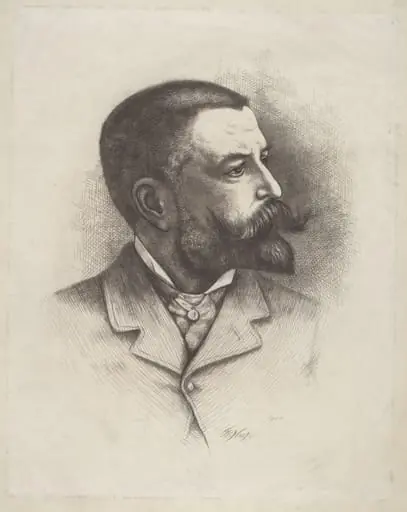 Self-Portrait
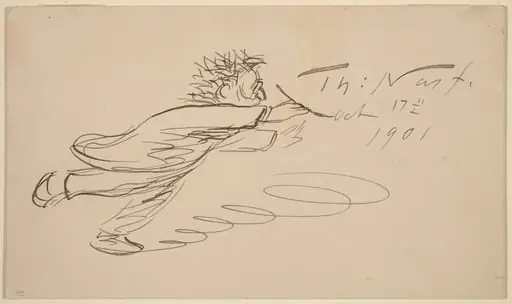 Signature, "TH. Nast, Oct. 17, 1901"
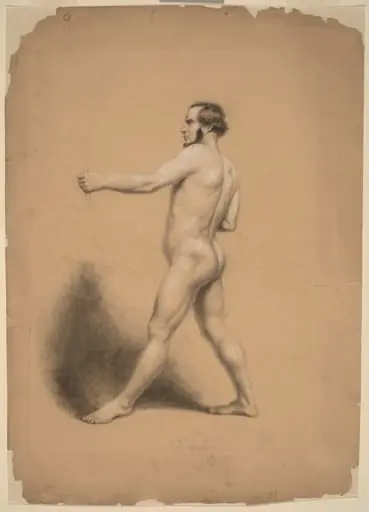 Archer, Nude Study
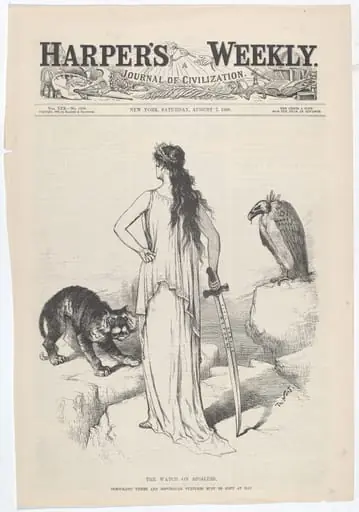 The Watch on Spoilers. The Democratic Tigers and Republian Vultures Must Be Kept at Bay.
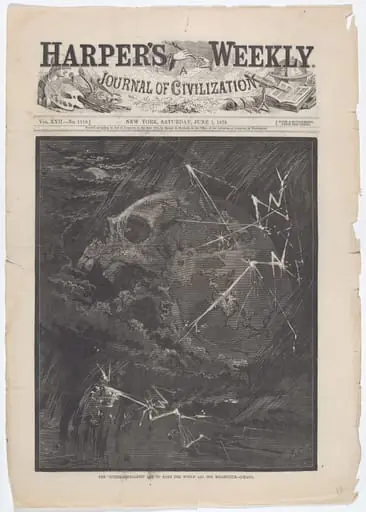 The "Internationalists" Are to Make the World All One Millennium - (Chaos)
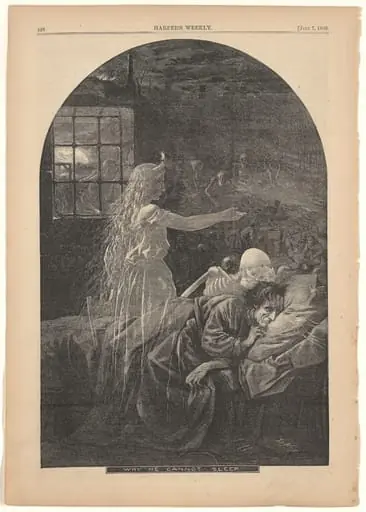 Why He Cannot Sleep
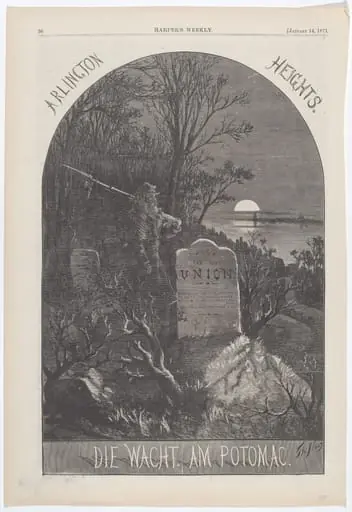 Arlington Heights. Die Wacht. Am Potomac.
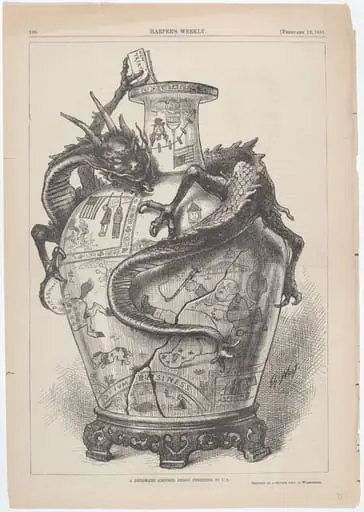 A Diplomatic (Chinese) Design Presented to U.S.