Artwork
A Diplomatic (Chinese) Design Presented to U.S.
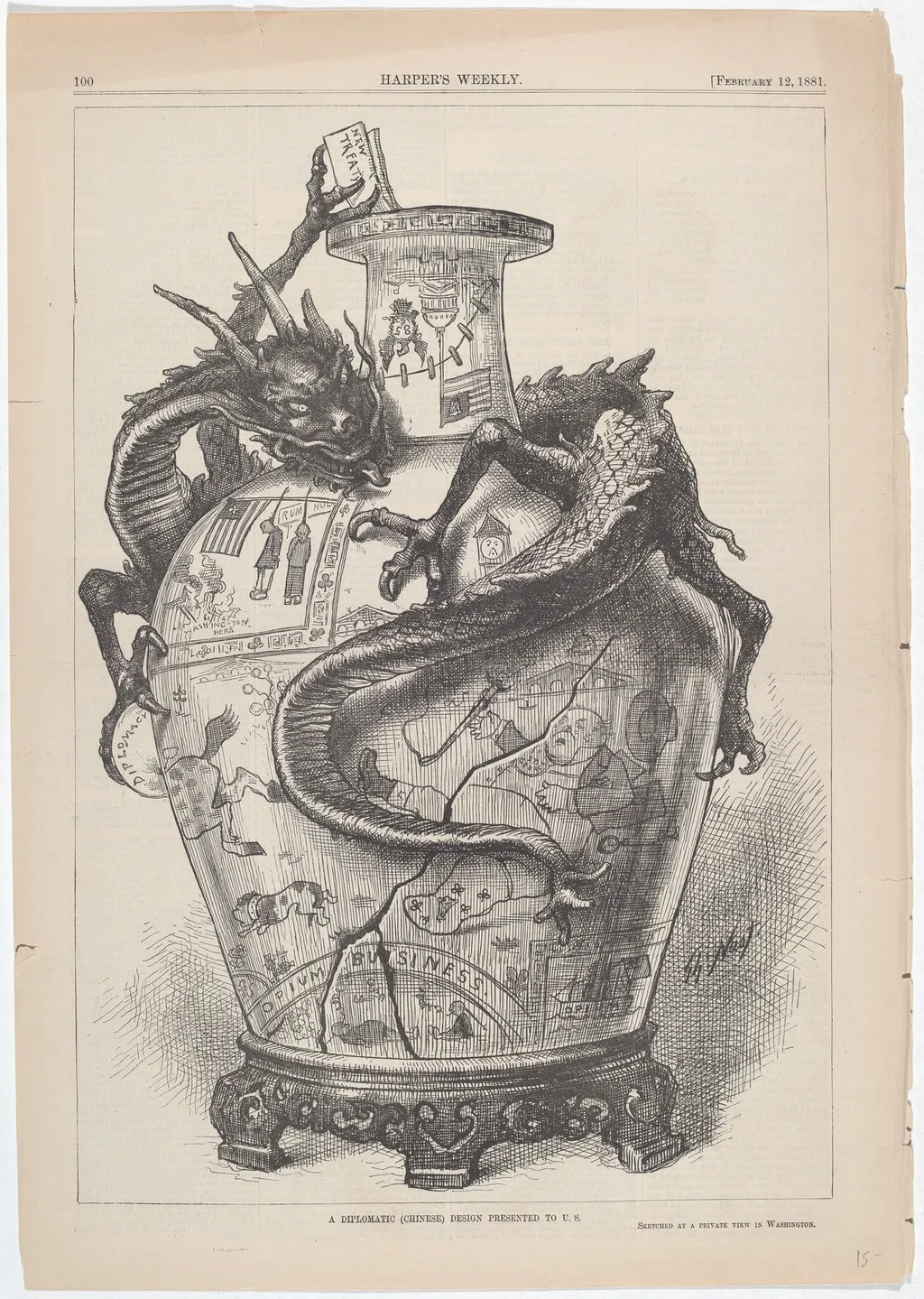
A Diplomatic (Chinese) Design Presented to U.S. is an ink print by the Impressionist artist Thomas Nast. It dates from 1881 and is held in the collection of the National Gallery of Art.
About this work
The vase is covered in detailed patterns—tiny people, ships, and symbols—like a mix of armor and a map.
This sketch shows a huge, ornate vase with strange clawed hands holding it up. The vase is covered in detailed patterns—tiny people, ships, and symbols—like a mix of armor and a map. Its base has a crown and more odd designs, while the hands gripping it look almost like animal claws.
The caption calls it a "diplomatic design" from China, given to the U.S. The artist drew it in Washington in 1881, and the whole thing looks heavy with meaning.
If you like this style, look up engraving.
Overview
Created in 1881 by Thomas Nast, this wood engraving was published on newsprint as a political commentary. Depicting an elaborate vase supported by clawed hands, the image uses symbolic imagery to critique U.S.-China relations during a period of diplomatic tension. The work was produced in Washington, D.C., and circulated in newspapers as part of Nast’s broader satirical output on foreign policy.
Subject & Meaning
The vase, adorned with miniature figures, ships, and intricate patterns, represents an imagined Chinese diplomatic gift. Its ornate surface blends cultural motifs with fantastical elements, suggesting an exoticized or misunderstood foreign offering. The clawed hands gripping the vessel imply coercion or unease, while the crown atop the base evokes imperial authority. The caption’s ironic framing questions the sincerity and implications of the so-called gift.
Technique & Style
Nast employed fine-line wood engraving to render dense, intricate details across the entire composition. The contrast between the black ink and newsprint enhances the clarity of the minute imagery, from the textured patterns on the vase to the gnarled fingers supporting it. The style reflects 19th-century print journalism conventions, prioritizing narrative clarity and symbolic density over aesthetic refinement.
History & Provenance
The engraving was published in 1881 in a Washington-based newspaper, likely Harper’s Weekly, where Nast was a regular contributor. It emerged during heightened debates over Chinese immigration and trade treaties. No known original prints survive in major institutional collections, but the image persists through periodical archives and later reproductions in historical studies of Nast’s political cartoons.
Context
In the early 1880s, U.S. policy toward China was shaped by the Chinese Exclusion Act and disputes over treaty rights. Nast’s image reflects contemporary anxieties about foreign influence and cultural difference. The vase, presented as a gift, may allude to diplomatic gestures that critics viewed as performative or manipulative, mirroring public skepticism toward international agreements of the era.
Legacy
The engraving remains a case study in visual satire of U.S.-Asian relations during the Gilded Age. Though not widely reproduced today, it illustrates how print media shaped public perception of foreign policy through allegory. Scholars reference it when examining the racialized imagery and symbolic language used in 19th-century American political art.
Artist & collection


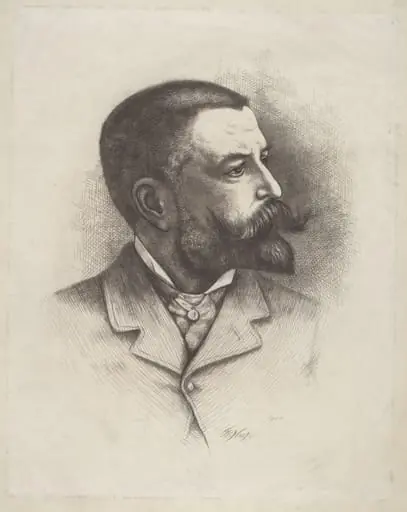 Self-Portrait
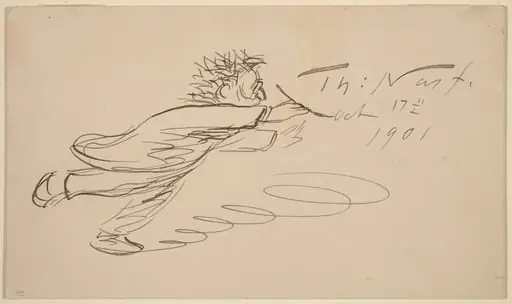 Signature, "TH. Nast, Oct. 17, 1901"
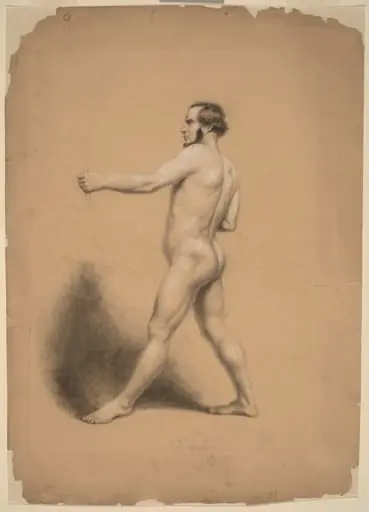 Archer, Nude Study
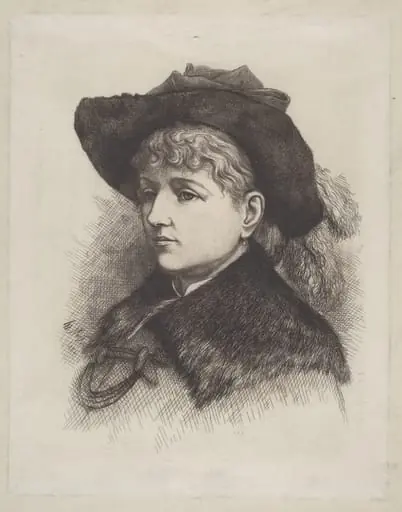 Portrait of the Artist's Wife, Sarah Edwards Nast
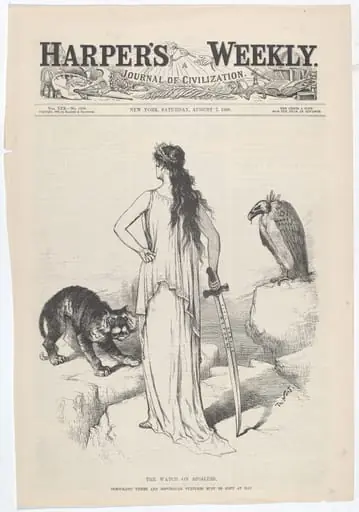 The Watch on Spoilers. The Democratic Tigers and Republian Vultures Must Be Kept at Bay.
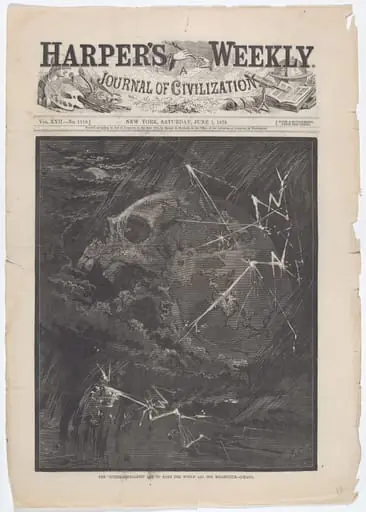 The "Internationalists" Are to Make the World All One Millennium - (Chaos)
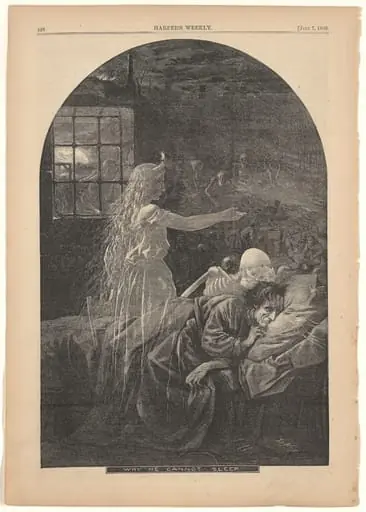 Why He Cannot Sleep
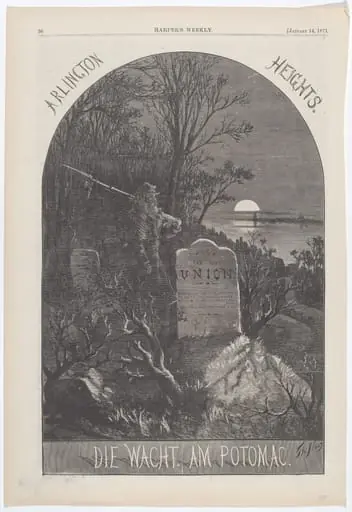 Arlington Heights. Die Wacht. Am Potomac.
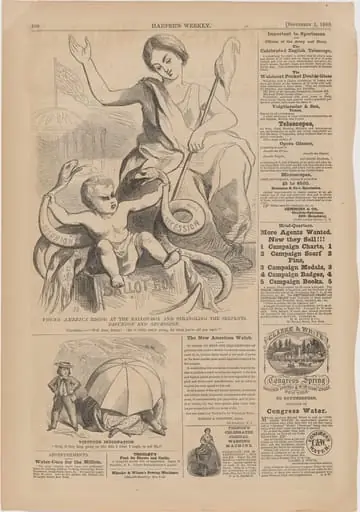 Young America Rising at the Ballot-Box and Strangling the Serpents: Disunion and Secession
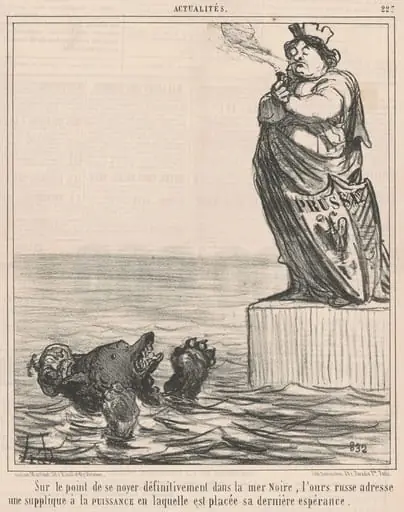 Sur le point de se noyer ...
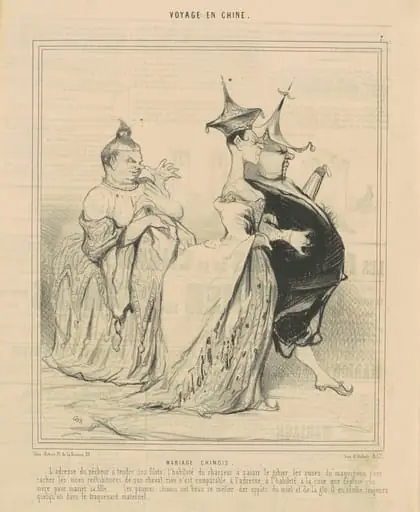 Mariage chinois
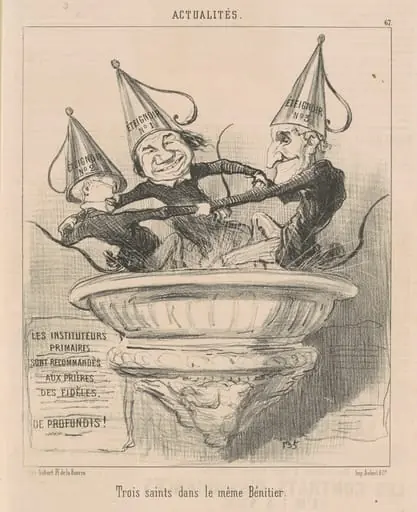 Trois saints dans le même bénitier
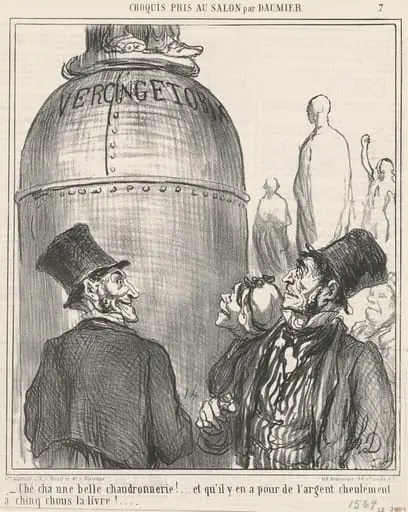 Ché cha une belle chaudronnerie!
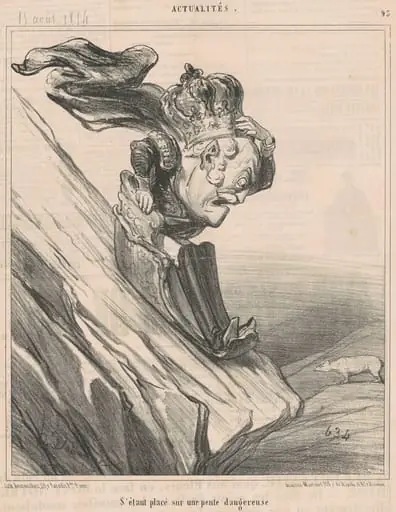 S'étant placé sur une pente dangereuse
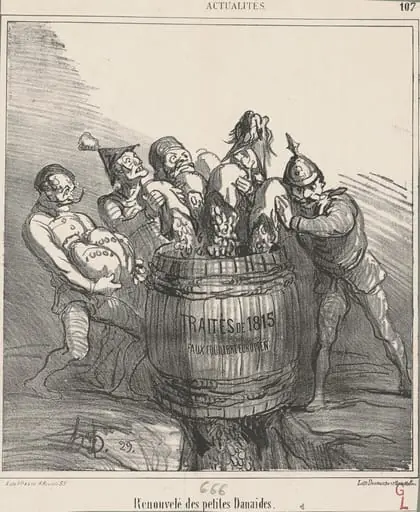 Renouvelé des petites Danaides
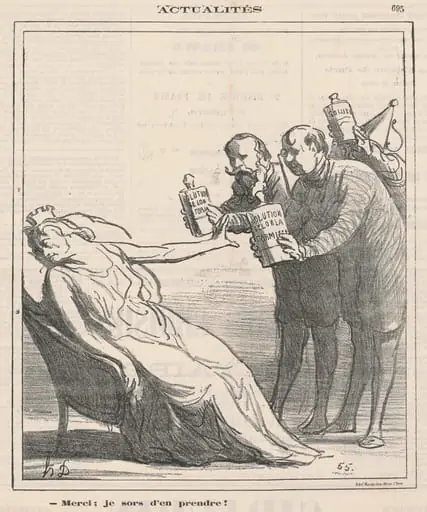 Merci, je sors d'en prendre
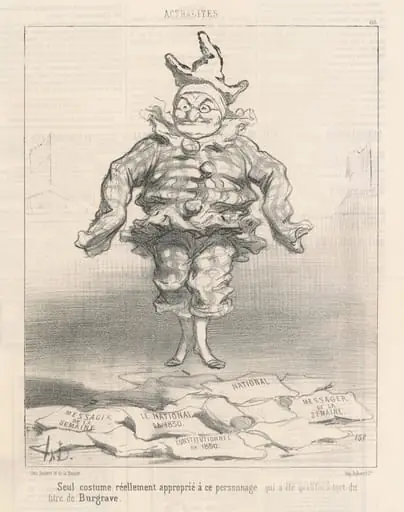 Seul costume ...approprié a ce personnage
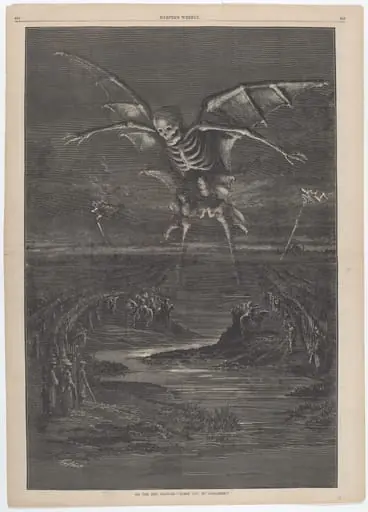 On the Red Danube - "Bless You, My Children!"
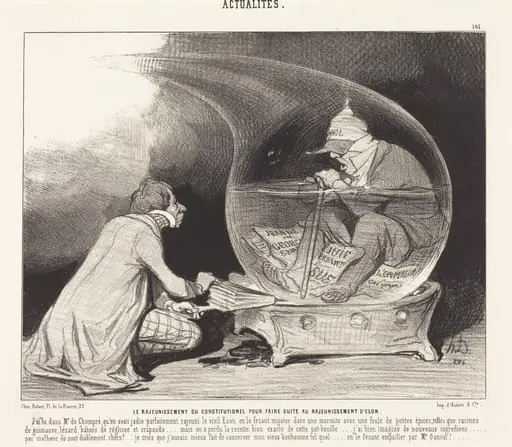 Le Rajeunissement du Constitutionnel
 Je t'en avais comblé ...