Artwork
Suzanna Rose
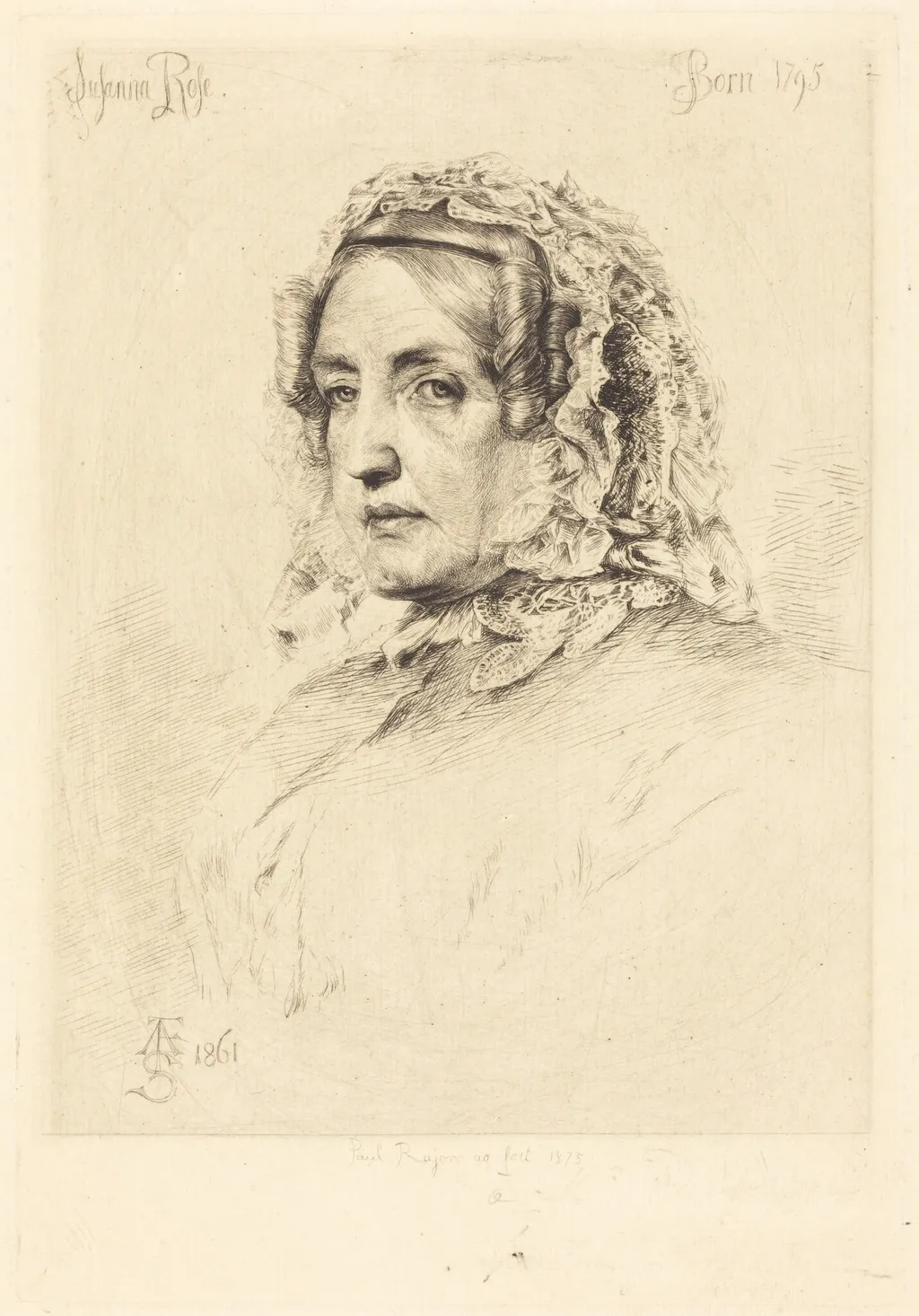
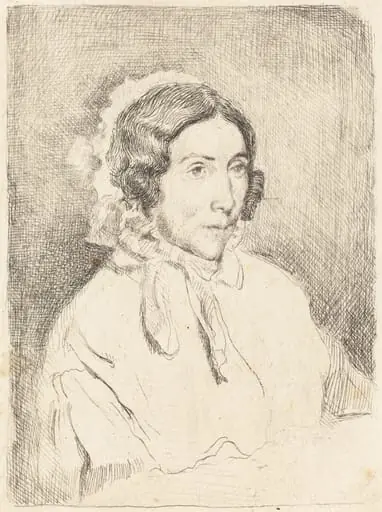
Suzanna Rose is an ink print by the Impressionist artist Paul Adolphe Rajon. It dates from 1875 and is held in the collection of the National Gallery of Art.
About this work
The lines are loose and sketchy, with shading that catches the shape of her cheekbones and jaw.
This sketch shows a woman’s face and shoulders turned slightly to the side. Her hair is pulled back under a small cap, and a lace collar frames her neck. The lines are loose and sketchy, with shading that catches the shape of her cheekbones and jaw.
The artist signed the piece in 1875, and the name "Suzanna Rose" is written at the top.
Next, look up etching to see how artists like this one use needles and acid to create prints.
Overview
Paul Adolphe Rajon’s print titled Suzanna Rose, executed in 1875, is a combined etching and dry‑point work. The image presents a woman’s profile turned slightly, her hair gathered beneath a modest cap and a delicate lace collar framing her neck. The composition is rendered with loose, sketch‑like lines that model the cheekbones and jaw through subtle shading.
Subject & Meaning
The figure appears as an intimate portrait, emphasizing the softness of the sitter’s features and the modest attire of a 19th‑century woman. The restrained pose and simple accessories suggest a private, perhaps domestic, setting rather than a formal representation, inviting viewers to consider the personal character of the subject.
Technique & Style
Rajon employed both etching and dry‑point, using acid‑etched lines for broader tonal areas and the dry‑point needle to create richer, velvety burr lines that enhance the facial contours. The resulting texture combines the crispness of etched lines with the warmth of dry‑point shading, giving the work a spontaneous, sketch‑like quality.
History & Provenance
The artist signed and dated the print in 1875, and the title Suzanna Rose appears inscribed at the top of the plate. Beyond this signature, no further ownership records are documented, indicating the piece likely remained within the artist’s immediate circle or was sold shortly after its creation.
Artist & collection


 Portrait of Madame Monnerot
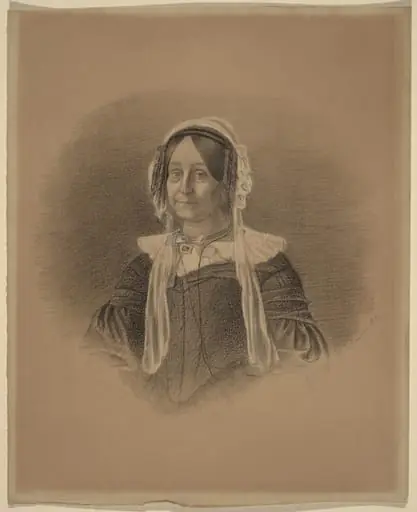 Portrait of an Old Woman
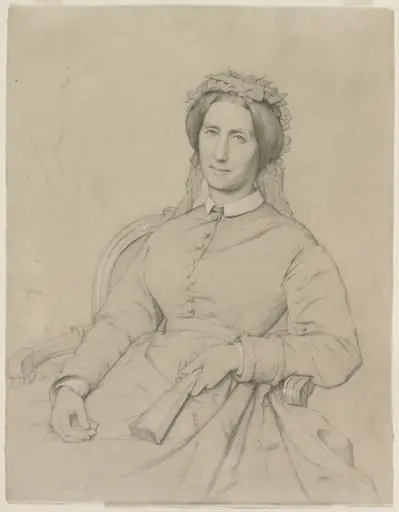 Madame Hippolyte Flandrin (Aimée Ancelot)
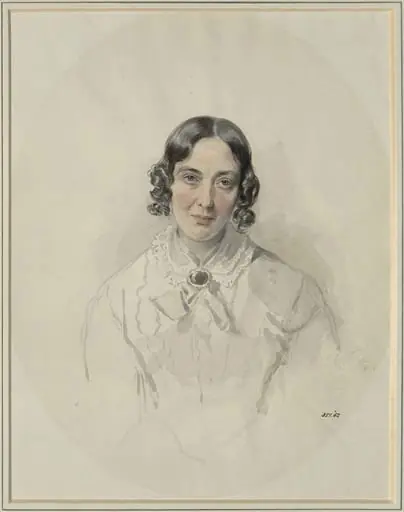 Portrait of Mrs Milnes
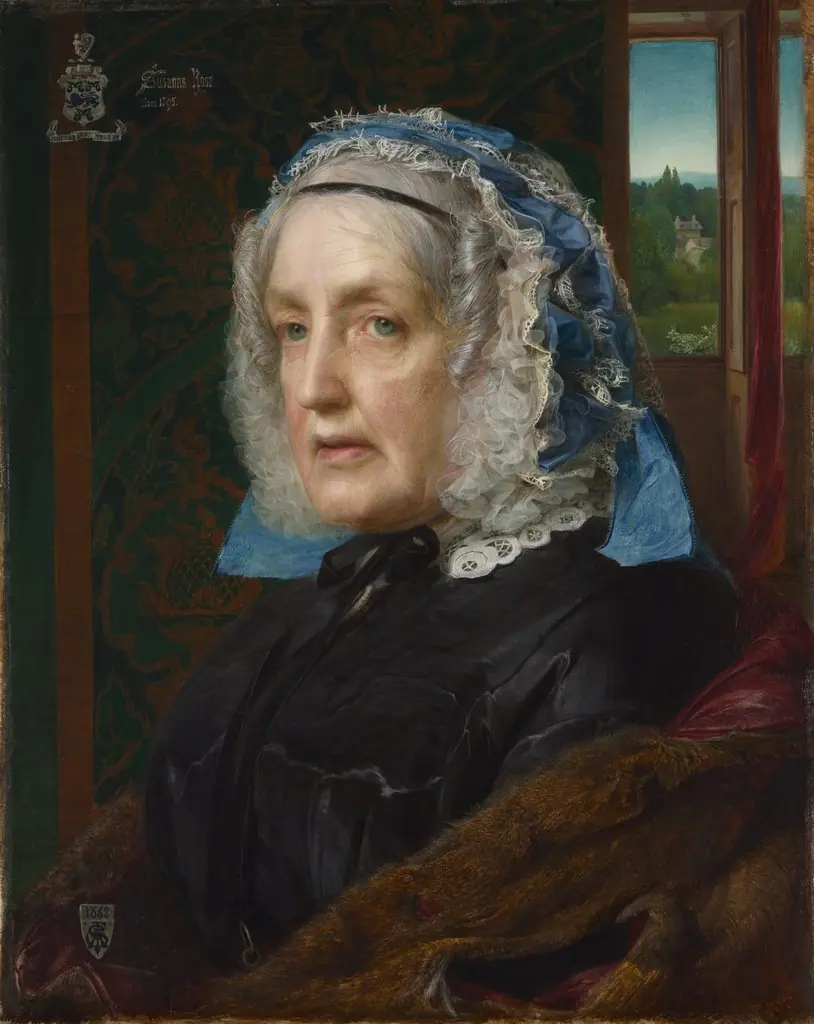 Susanna Anderson Rose
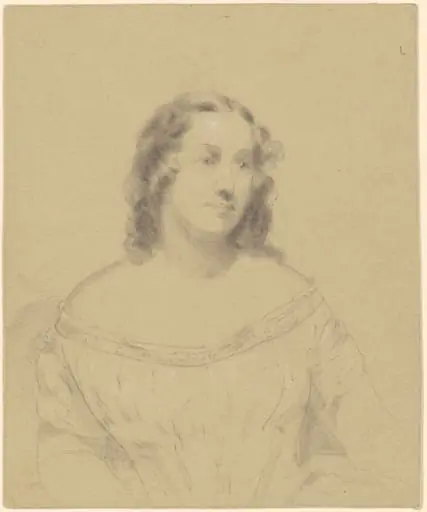 Mrs. Sylvanus D. Lewis (Estelle Anna Blanche Robinson)
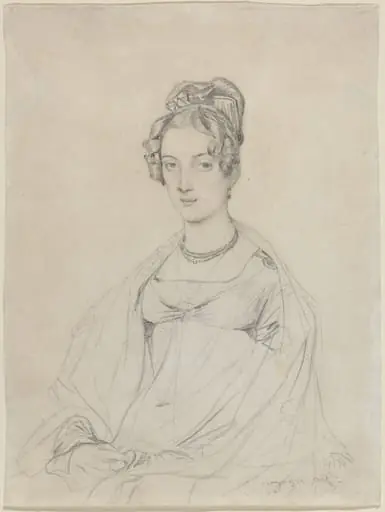 Mrs. Edward Dodwell
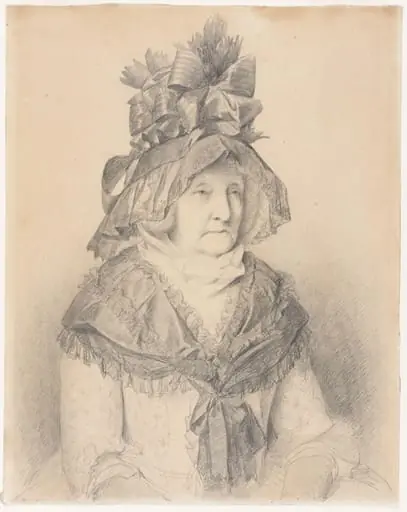 Portrait of Mrs Delany, born Granville
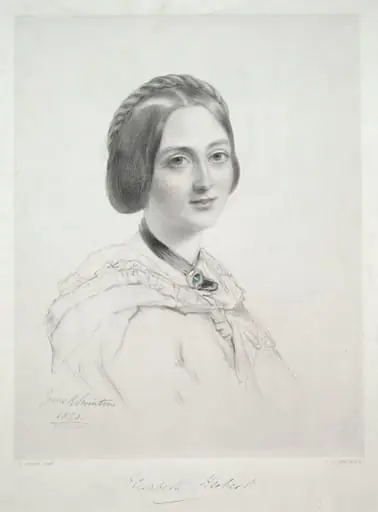 Lady Elizabeth Herbert
 Woman in a Ruffled Cap (Dame agée)
 Portrait of a Lady
 Mrs Rose