Artwork
Yard with Trees, and a Boy Sitting on a Tree-trunk
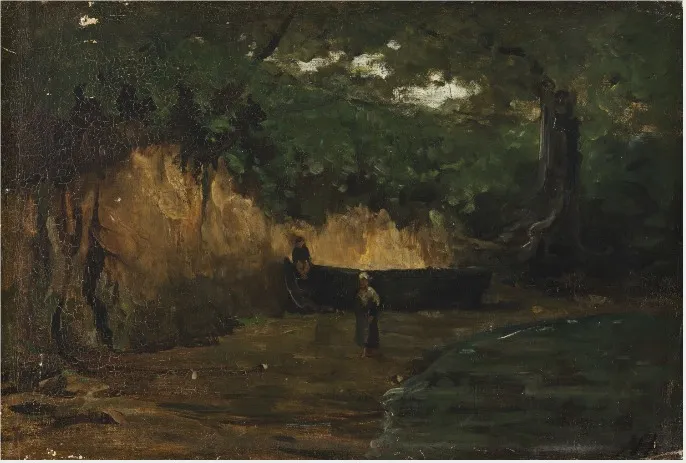
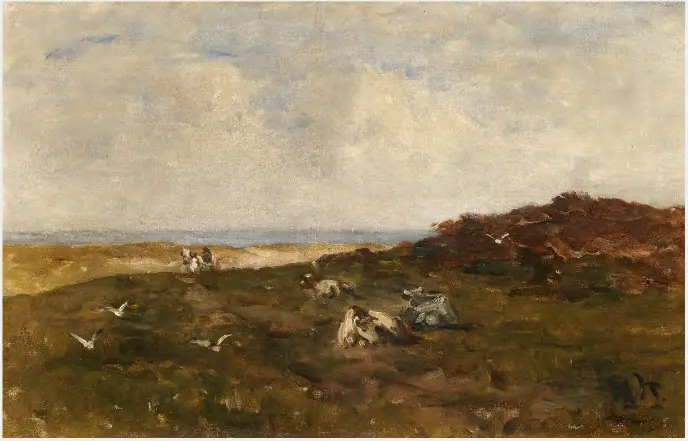
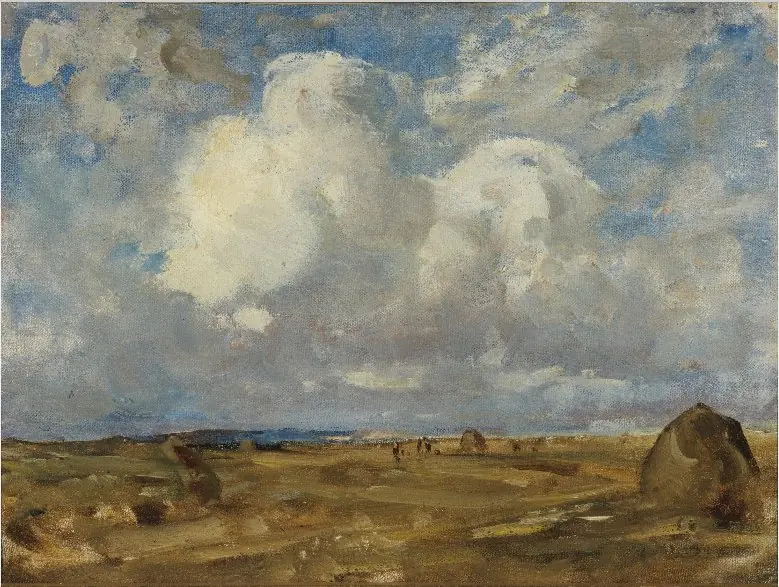
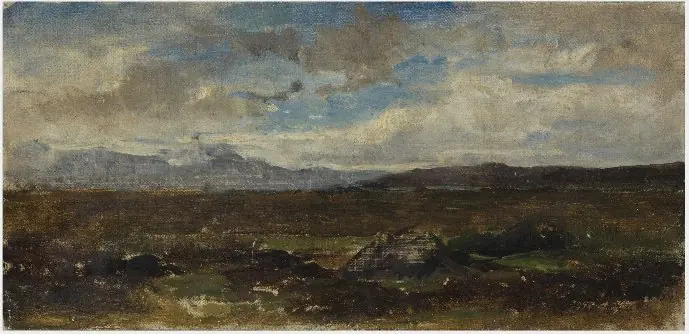
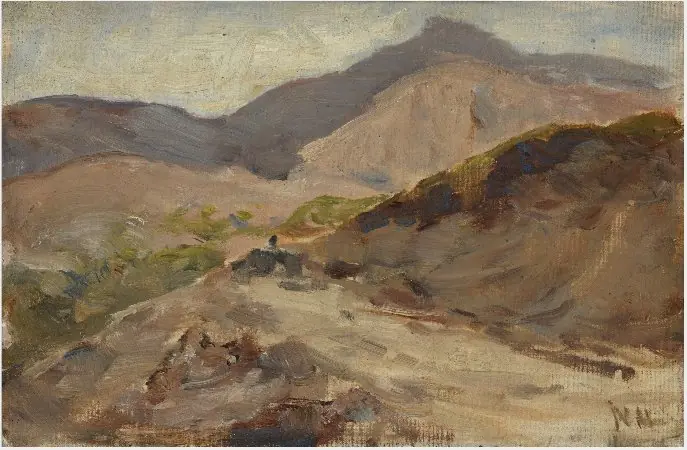
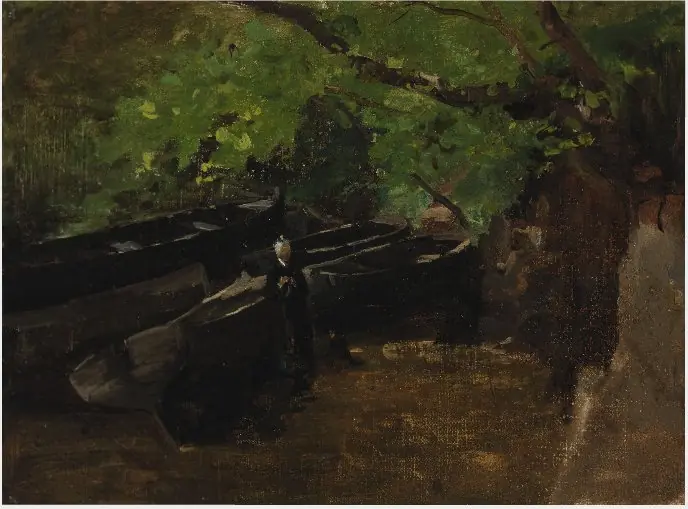
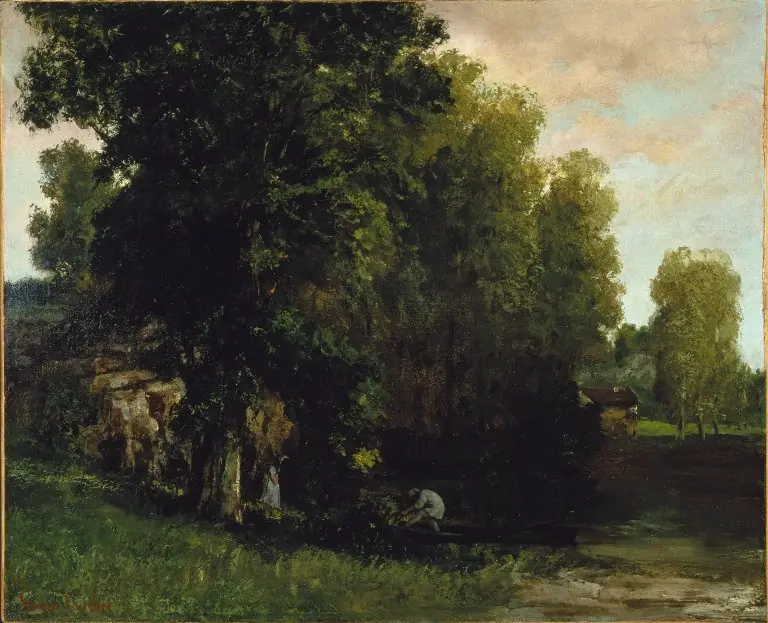
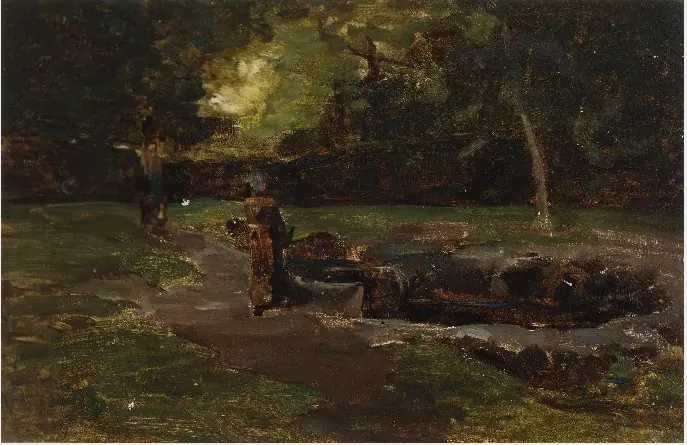
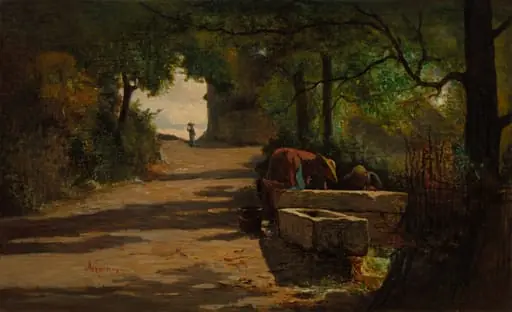
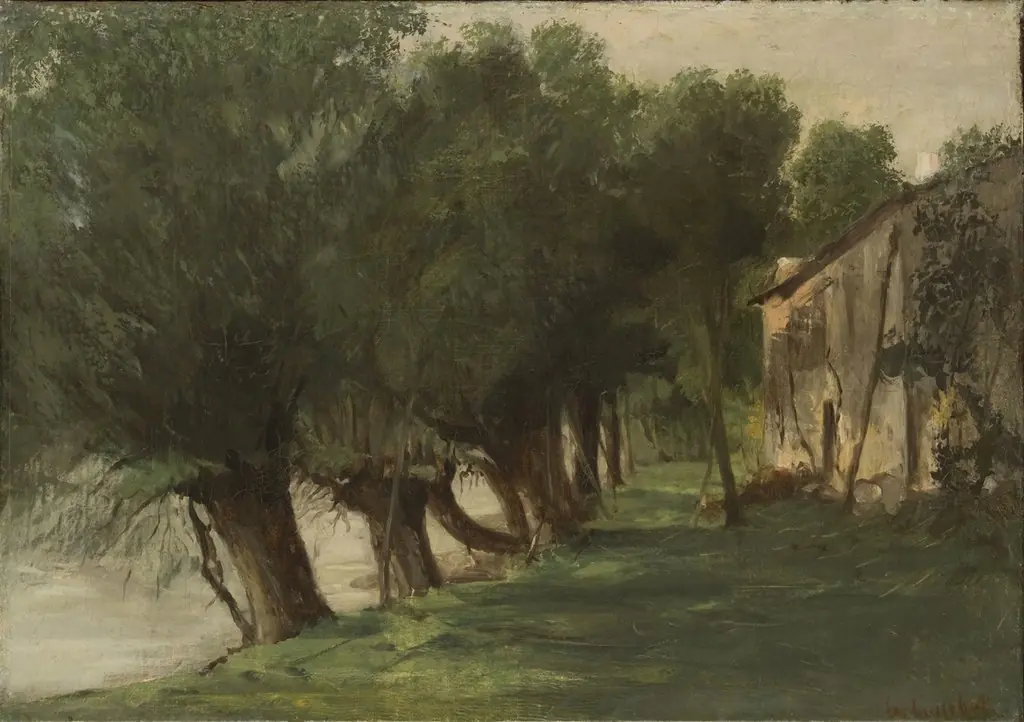
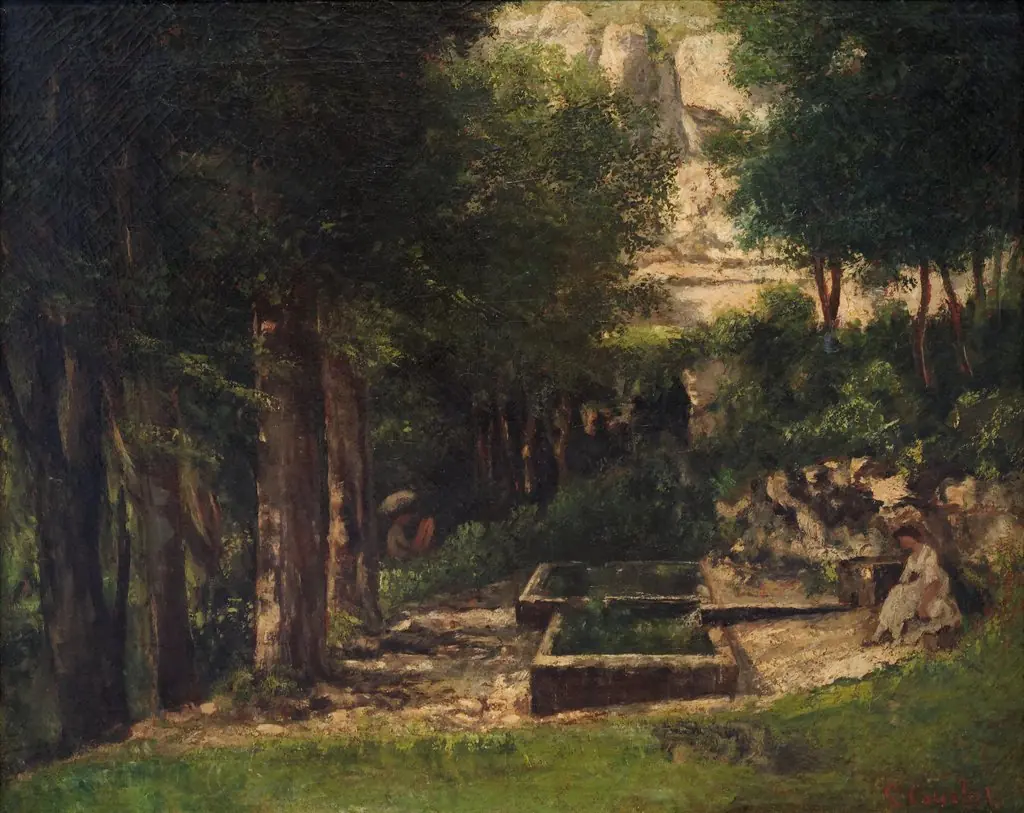
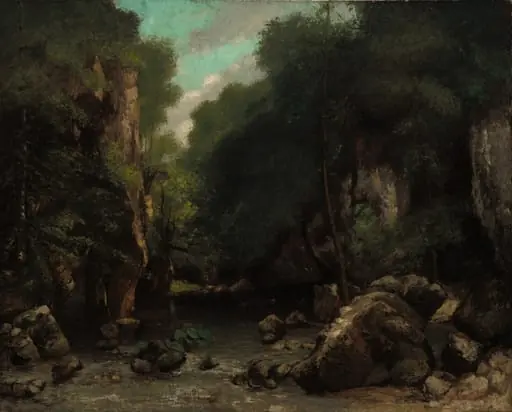
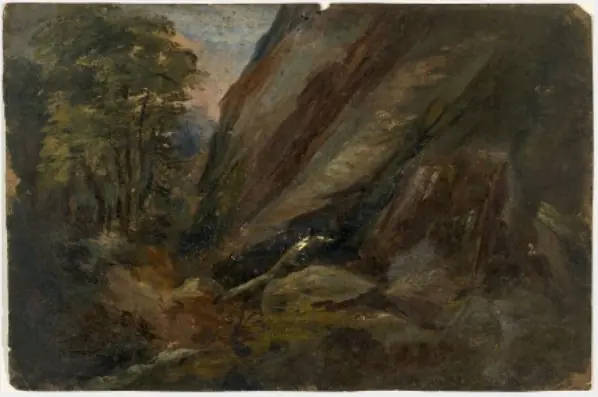
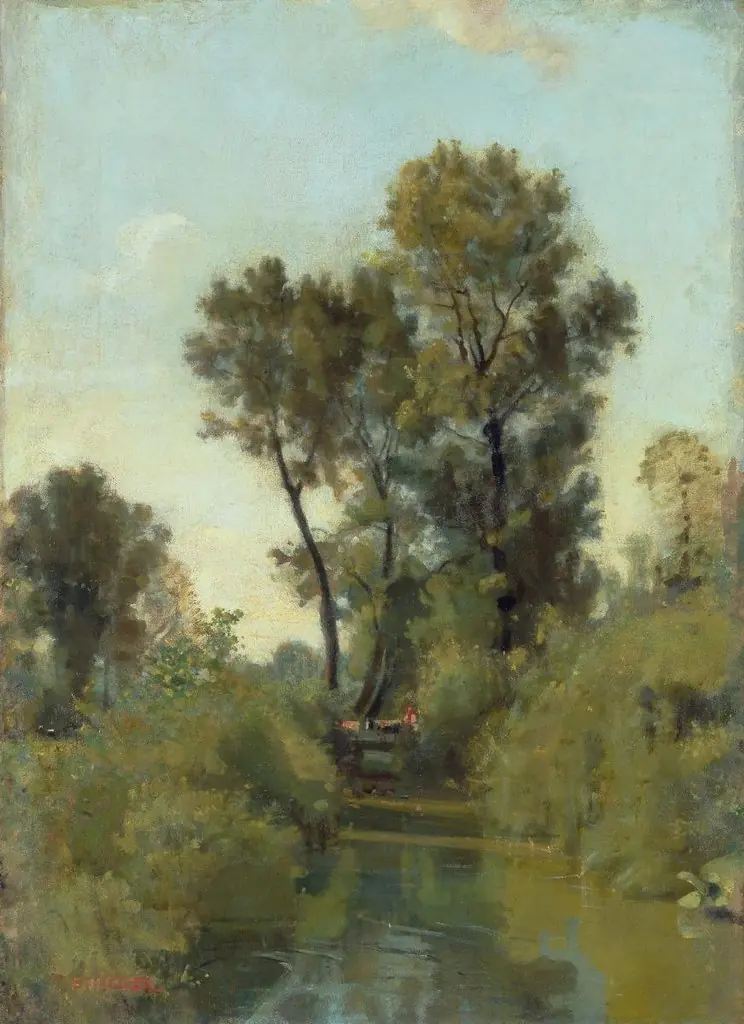
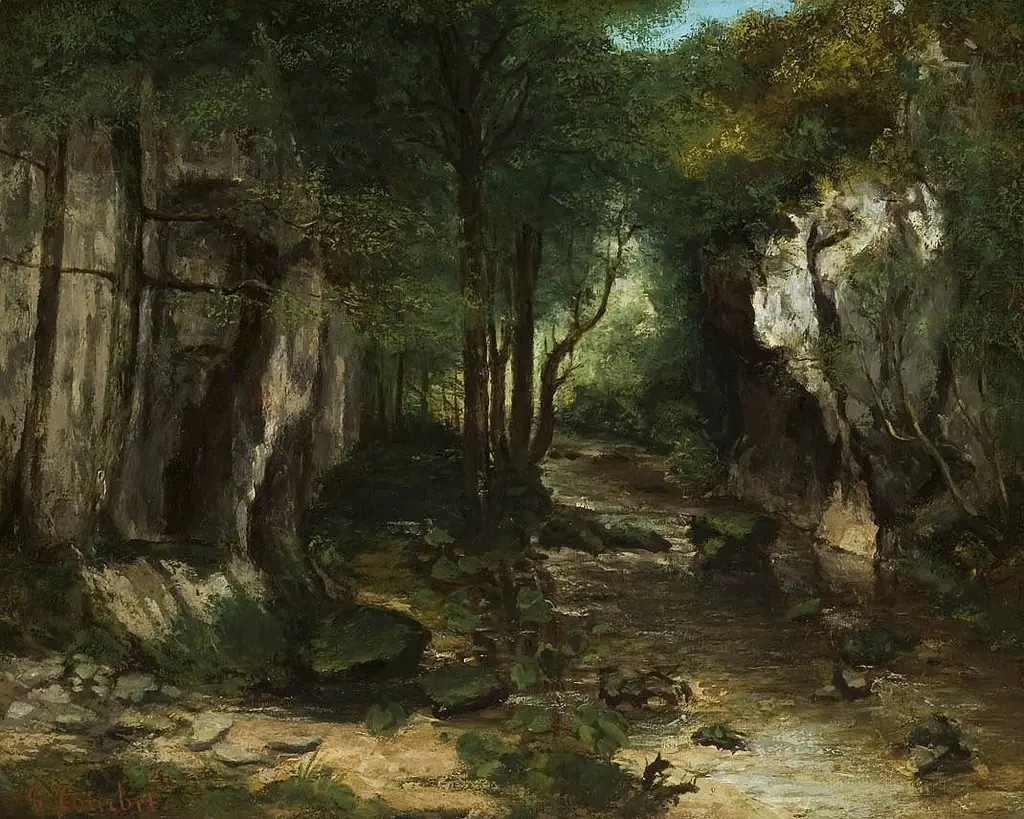
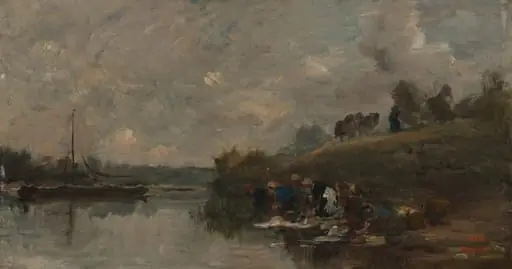
Yard with Trees, and a Boy Sitting on a Tree-trunk is an oil painting by the Impressionist artist Nathaniel Hone the Younger. It dates from 1881 and is held in the collection of the National Gallery of Ireland.
About this work
Overview
The painting is part of the National Gallery of Ireland’s collection, where it remains a quiet example of late 19th-century Irish landscape painting.
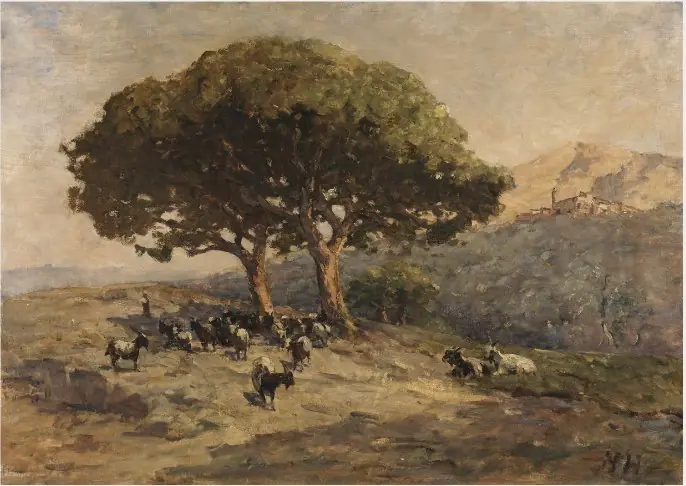
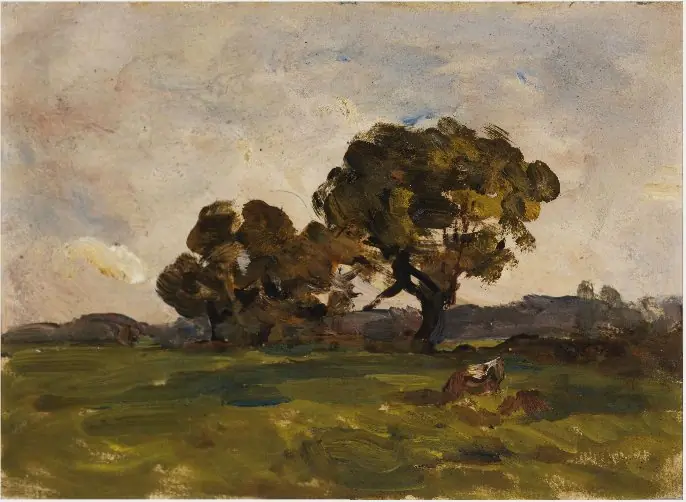
Nathaniel Hone the Younger painted *Yard with Trees, and a Boy Sitting on a Tree-trunk* circa 1881 using oil on canvas. The work captures a quiet rural setting, emphasizing natural light and informal composition. It reflects the artist’s engagement with contemporary European trends while maintaining a distinctly personal vision. The painting is part of the National Gallery of Ireland’s collection, where it remains a quiet example of late 19th-century Irish landscape painting.
Subject & Meaning
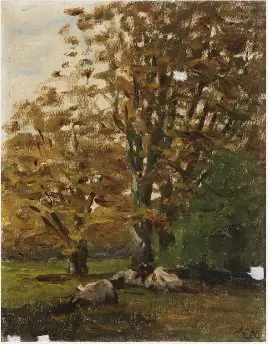
A solitary boy sits on a fallen tree trunk in a shaded yard, his stillness contrasting with the dappled movement of leaves overhead. The figure is neither engaged in labor nor play, suggesting contemplation or rest. The scene avoids narrative drama, instead inviting quiet observation. The boy’s presence anchors the composition without dominating it, reinforcing a mood of solitude and calm rather than storytelling.
Technique & Style
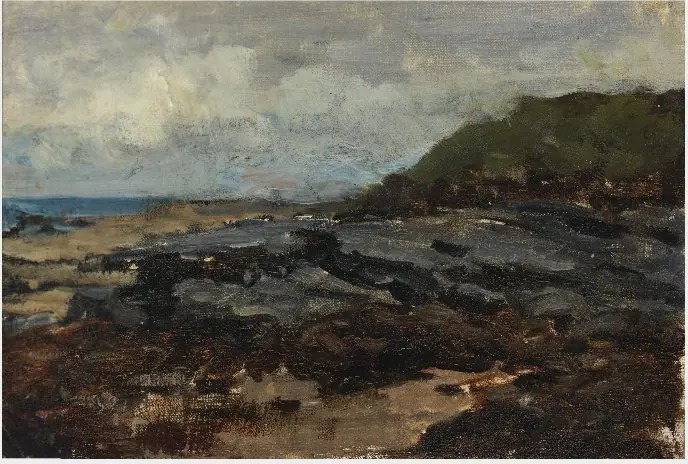
Hone applied oil paint with loose, responsive brushwork, capturing the play of light through foliage and the texture of bark and grass. His approach shows awareness of Impressionist methods, particularly in the handling of atmosphere and color, yet avoids the bright palette typical of French contemporaries. The paint retains a restrained tonality, with subtle shifts in green and brown creating depth without overt contrast.
History & Provenance
Painted during Hone’s mature period, the work was likely produced in Ireland, where he spent much of his career. It entered the National Gallery of Ireland’s collection in the 20th century, though specific acquisition details are not widely documented. Unlike his more politically charged works, this piece was not exhibited publicly during his lifetime, suggesting it was intended as a private study or personal reflection.
Context
In the 1880s, Irish artists increasingly looked beyond academic traditions to embrace outdoor painting and everyday subjects. Hone, influenced by British and French developments, joined this shift without fully adopting avant-garde styles. His work reflects a broader trend among regional painters seeking authenticity in rural life, balancing observation with emotional restraint in a period of rapid social change.
Legacy
Though not widely known outside Ireland, Hone’s quieter landscapes like this one contribute to an understated tradition of Irish naturalism. The painting offers insight into how local artists interpreted Impressionist principles through a subdued, introspective lens. It remains a quiet testament to the value placed on stillness and observation in late Victorian visual culture.
Artist & collection
Artist
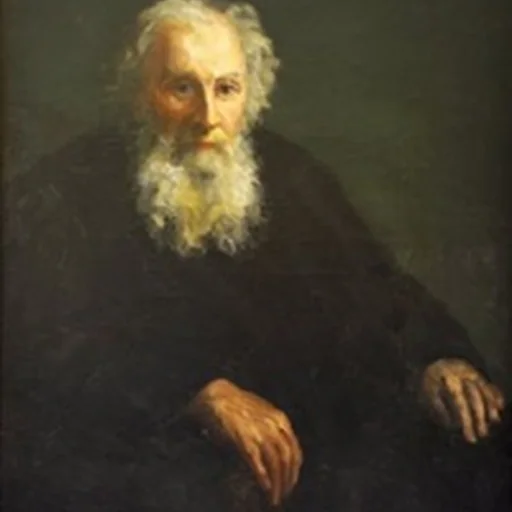
Nathaniel Hone the Younger (26 October 1831 – 14 October 1917) was an Irish painter, the great-grand-nephew of the painter Nathaniel Hone.