Artwork
Portrait of Ebenezer Coffin
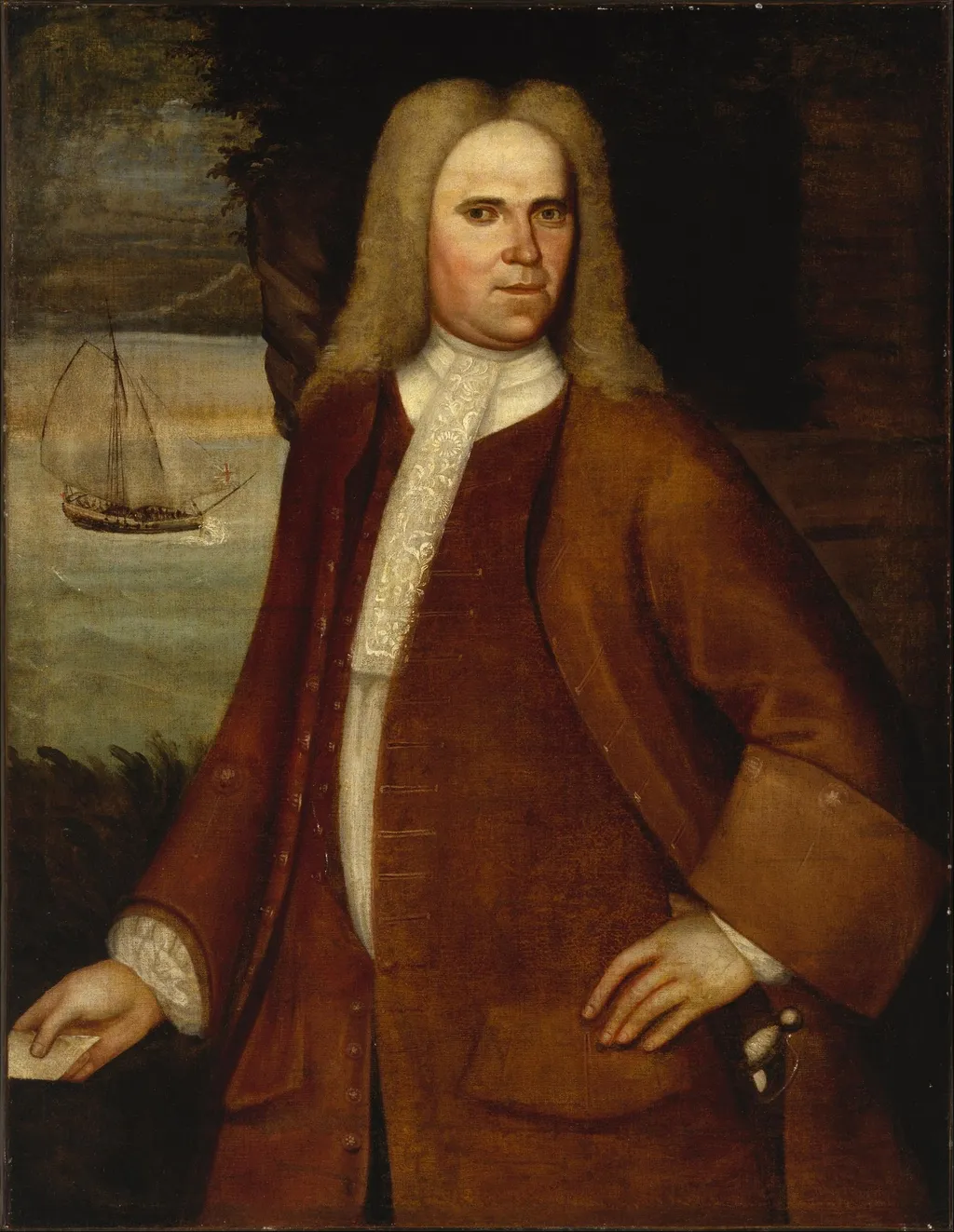
Portrait of Ebenezer Coffin is an oil painting by the American Folk Art artist Nehemiah Partridge. It dates from 1716 and is held in the collection of the Museum of Fine Arts, Houston. Painted around 1716, this oil portrait depicts Ebenezer Coffin, a figure of standing in colonial New England.
About this work
Overview
The work is attributed to Nehemiah Partridge, an itinerant painter active in the early 1700s whose style aligns with regional folk traditions.
Painted around 1716, this oil portrait depicts Ebenezer Coffin, a figure of standing in colonial New England. The work is attributed to Nehemiah Partridge, an itinerant painter active in the early 1700s whose style aligns with regional folk traditions. Though little is documented about his life, his surviving portraits reflect a deliberate, if unrefined, approach to capturing likeness and social presence in the American colonies.
Subject & Meaning
Ebenezer Coffin is portrayed as a man of modest affluence, his attire and posture suggesting social standing. The white object in his left hand, possibly a glove or document, implies composure and intentionality. The distant ship and trees behind him may reference maritime trade or personal ties to the sea, common themes among New England elites. The composition avoids overt symbolism, favoring quiet dignity over grandeur.
Technique & Style
Partridge employed oil paint with a restrained palette and flat, deliberate brushwork typical of colonial folk portraiture. Facial features are rendered with careful attention, while clothing and background elements are simplified, lacking the chiaroscuro of European academic styles. The figure’s pose, with one hand on the hip, conveys a sense of stillness and self-possession, characteristic of early American portraiture’s emphasis on character over drama.
History & Provenance
The painting’s early ownership is undocumented, but it likely remained within Coffin’s family or local circle in New England. It entered institutional collections in the 20th century, where it was identified through stylistic comparison with other works linked to Partridge. Scholarly attribution remains tentative, as Partridge’s oeuvre is small and often conflated with contemporaries known as the Schuyler and Aetatis Suae Limners.
Context
In early 18th-century New England, formal portraiture was rare and often commissioned by merchants or landowners seeking to assert status. Artists like Partridge traveled between towns, offering affordable likenesses to those who could not afford imported European works. This portrait reflects a local tradition where artistic skill was valued more for its ability to convey identity than for technical polish.
Legacy
Partridge’s work, including this portrait, contributes to the understanding of early American visual culture beyond elite European influences. His paintings, though not widely known in his time, now serve as important records of colonial life and the emergence of a distinct regional artistic voice. They illustrate how ordinary citizens sought to document their presence through art in a nascent society.
Artist & collection
Artist
Nehemiah Partridge (March 9, 1683 – between 1729 and 1737) was an American painter.

 Moses Levy
 Captain Alexander Graydon
 Tench Francis
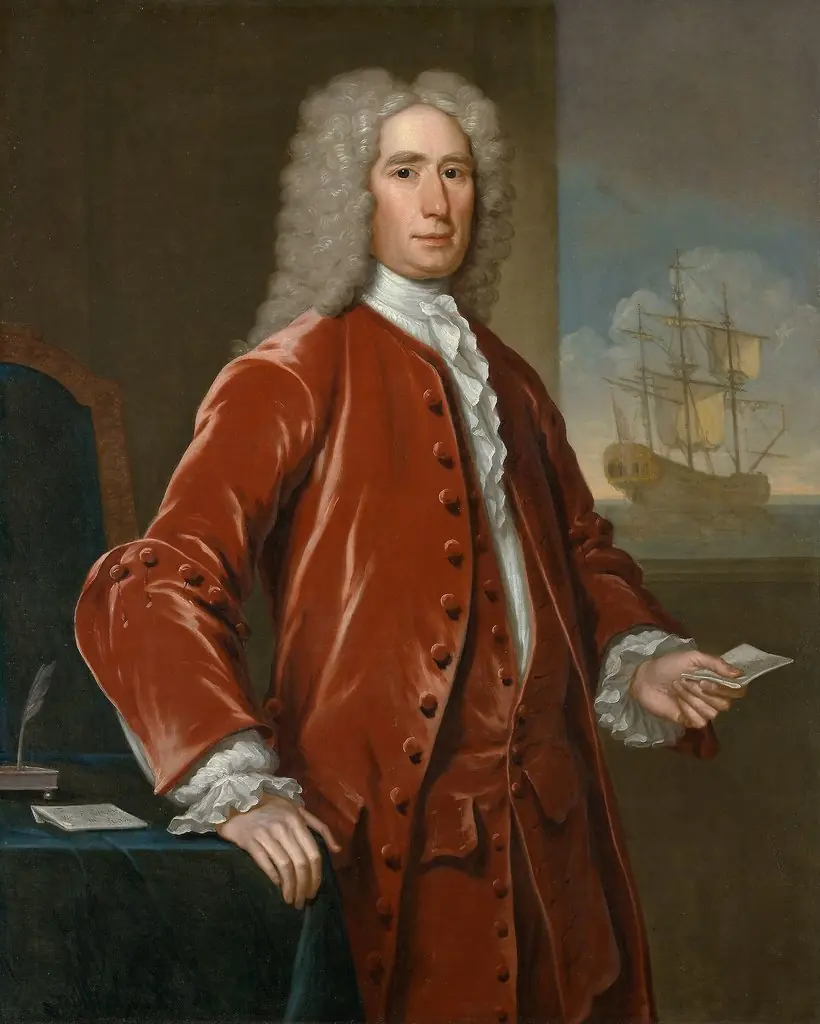 Richard Bill
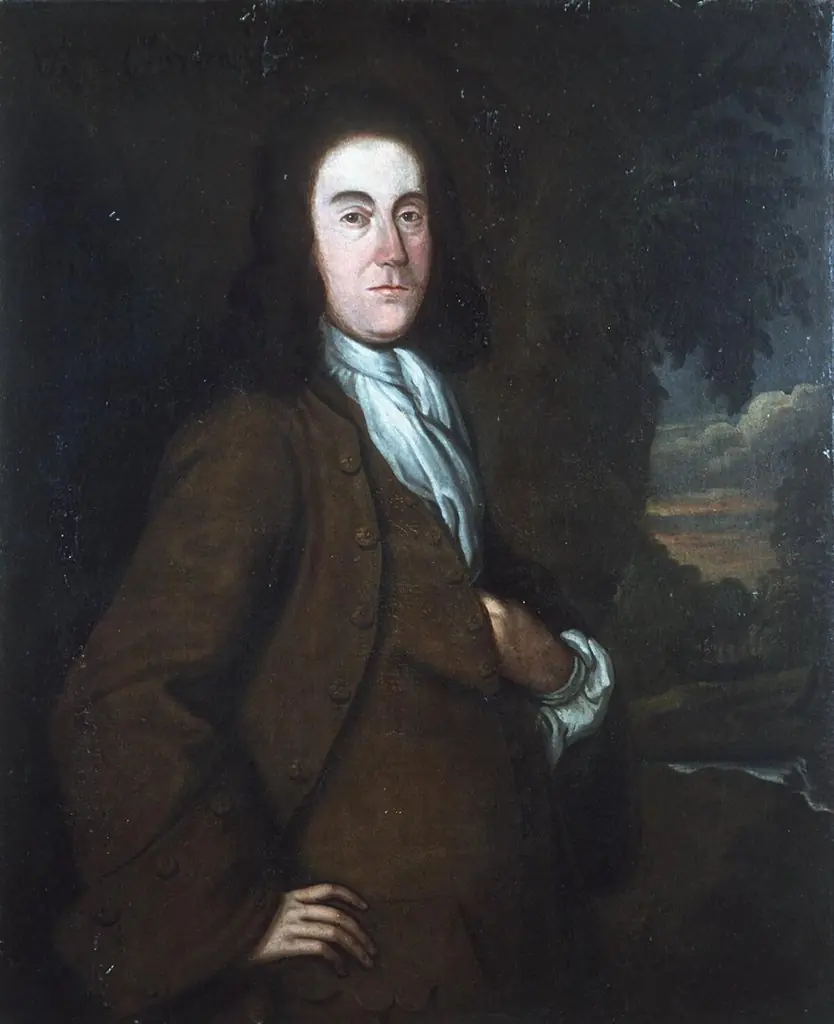 Vincent Corbet of Ynysmaengwyn 1651-1713
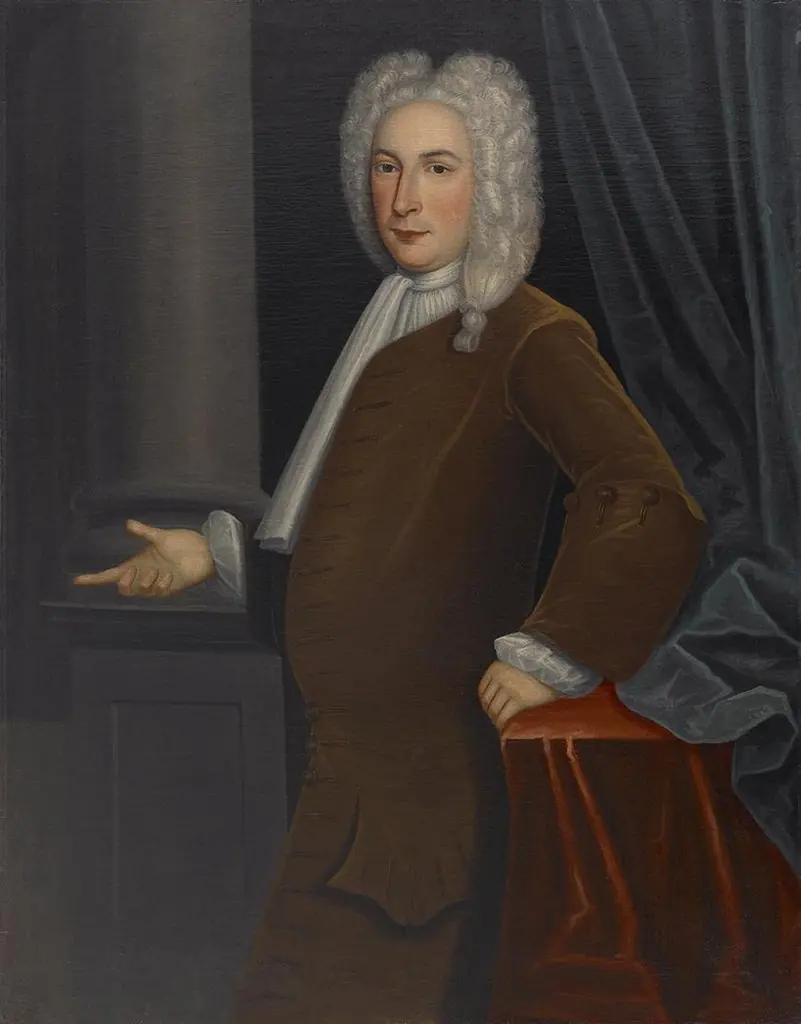 Jacob Franks
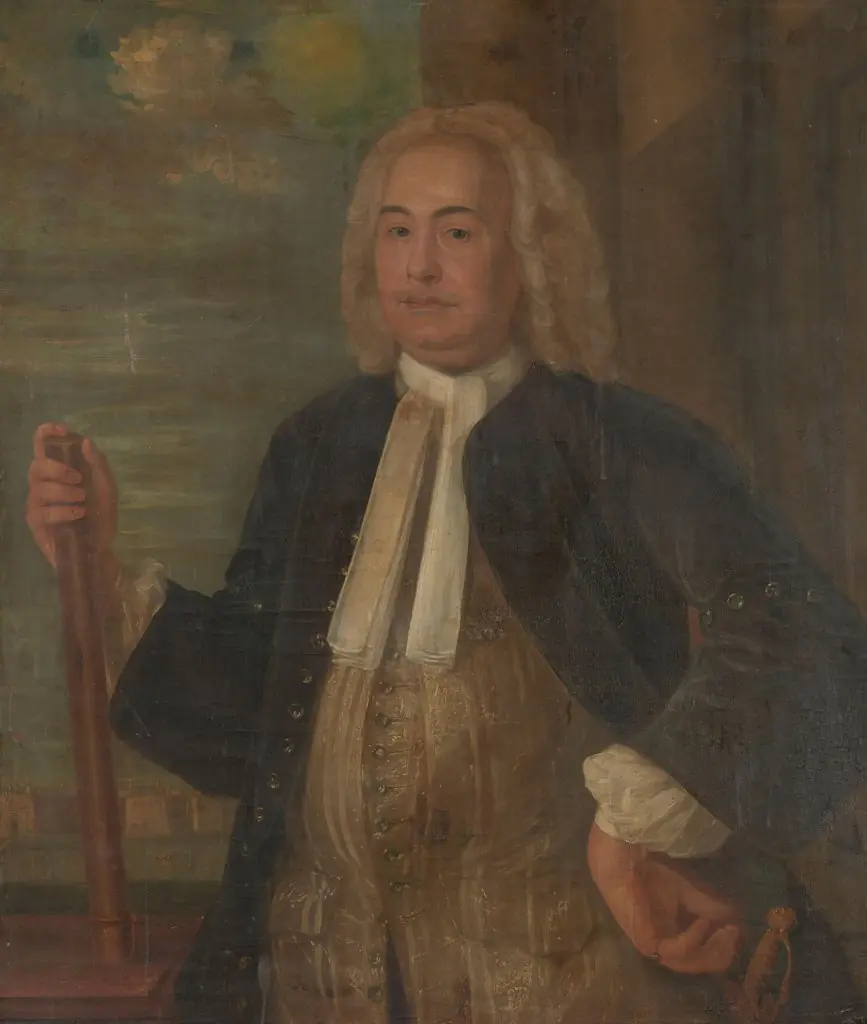 Portrait of Johannes Thedens, Governor-General of the Dutch East India Company
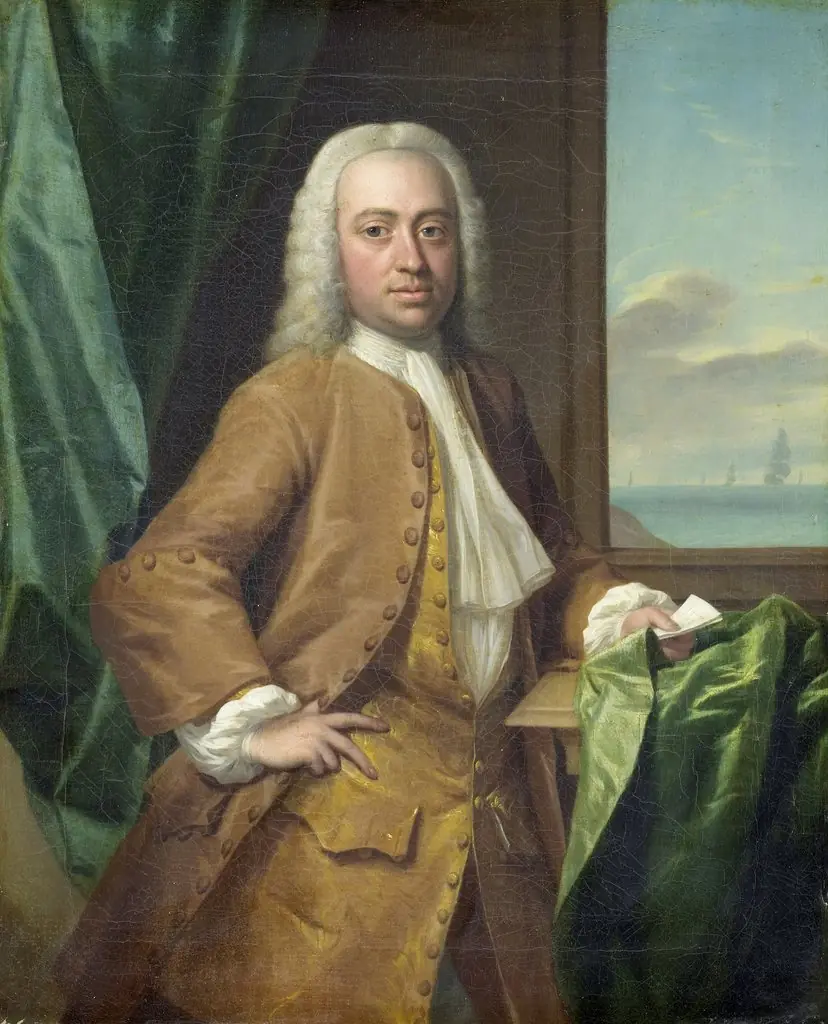 Portrait of Isaac Parker, Merchant from Middelburg
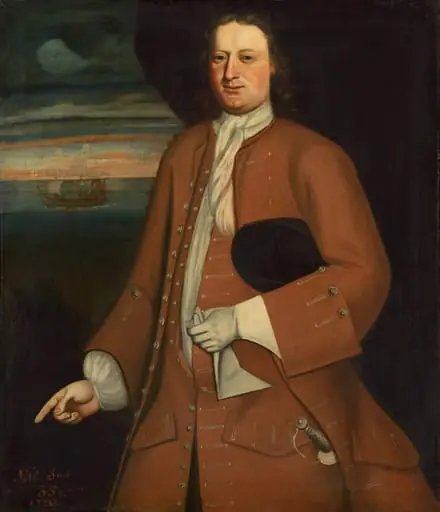 Mr. Willson
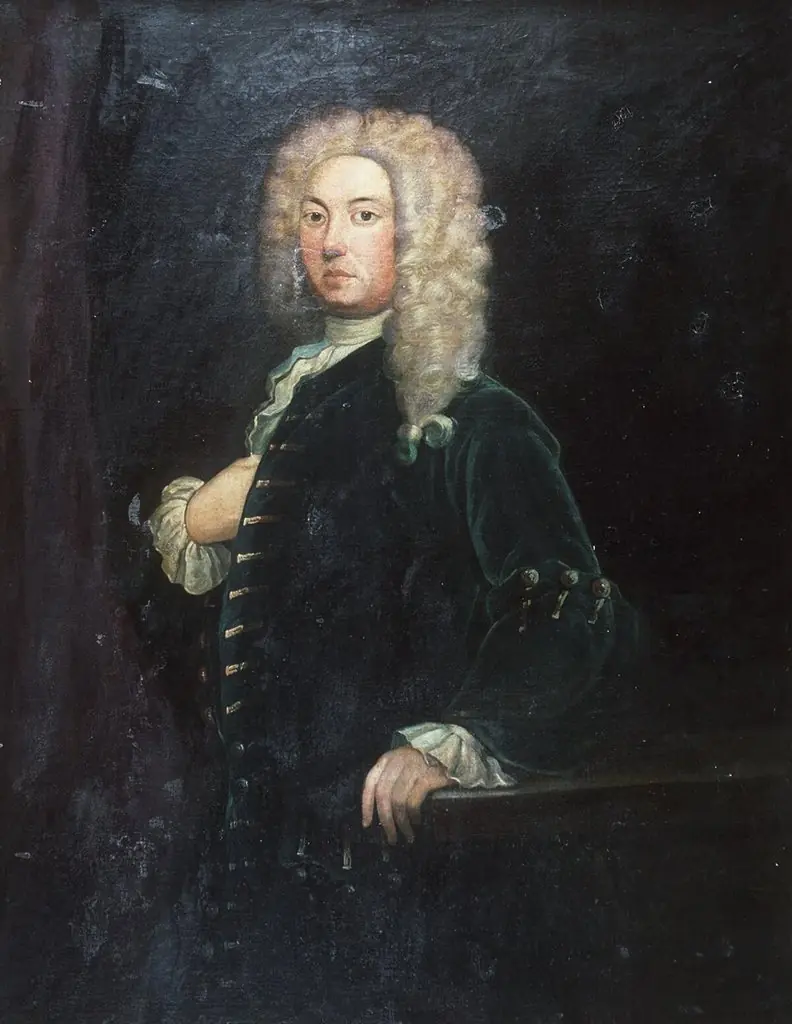 Councillor Richard Lloyd (died 1757)
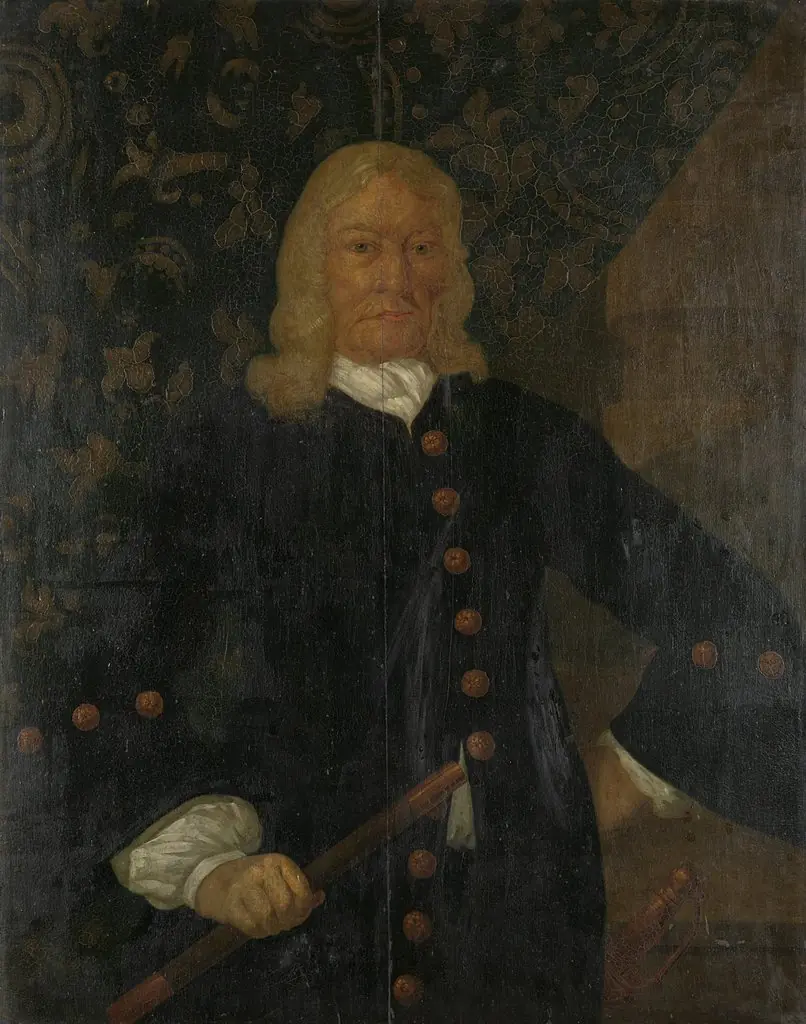 Portrait of Willem van Outhoorn, Governor-General of the Dutch East Indies
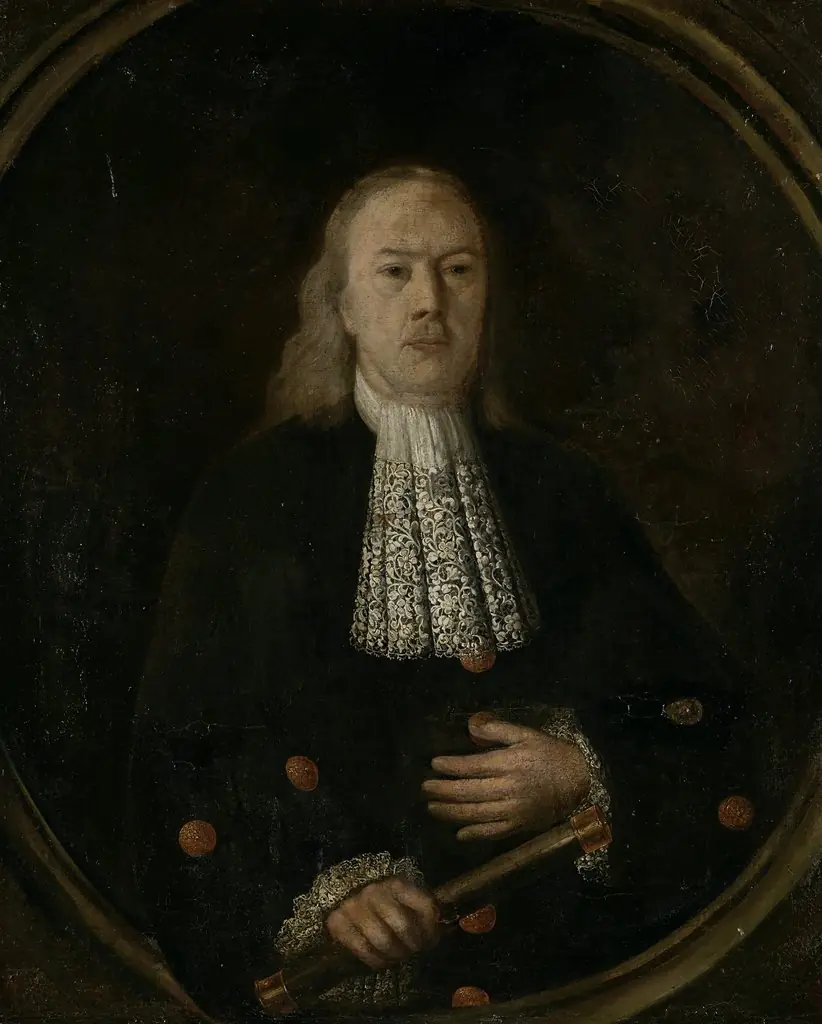 Abraham van Riebeeck (1653-1713). Gouverneur-generaal (1709-13)