Artwork
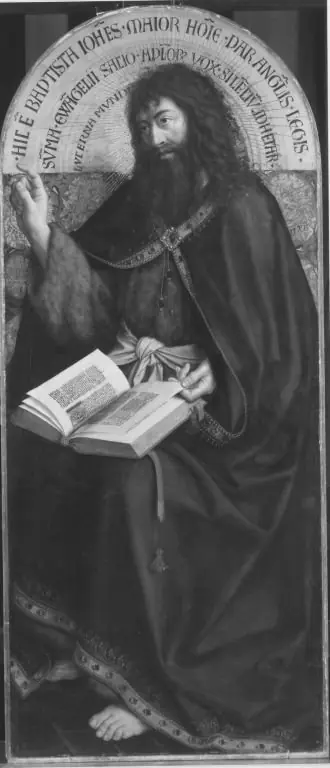
Mary (after The Ghent Altarpiece)
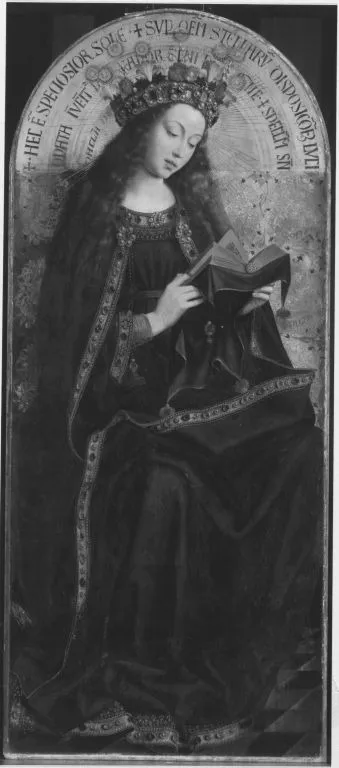
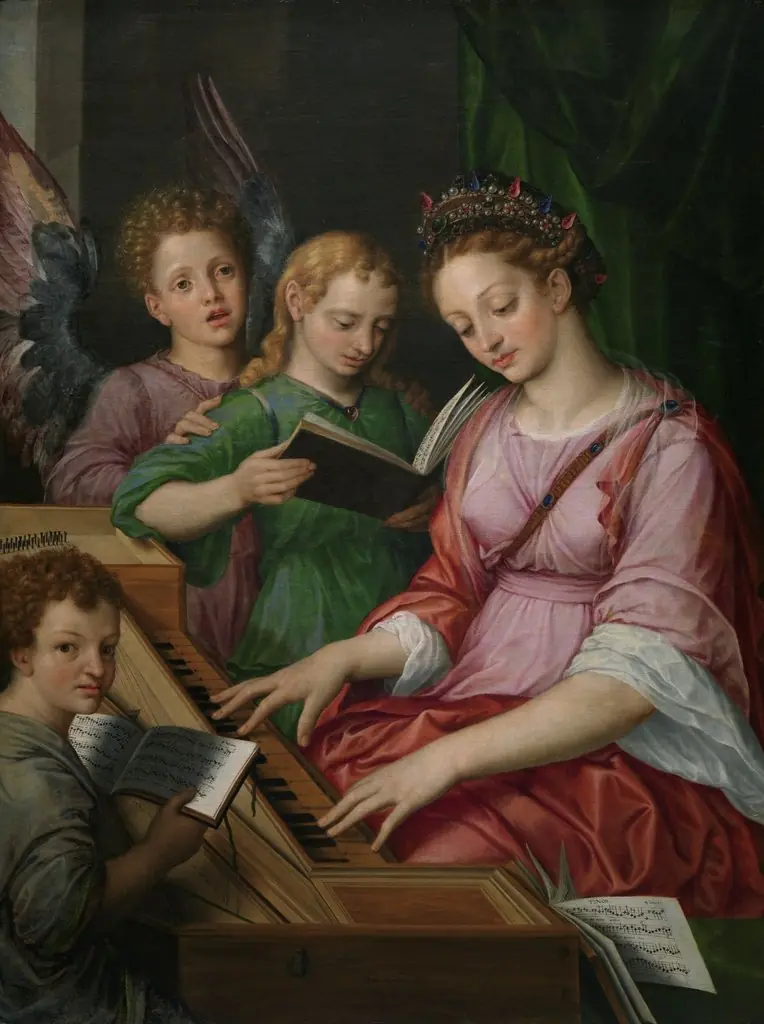
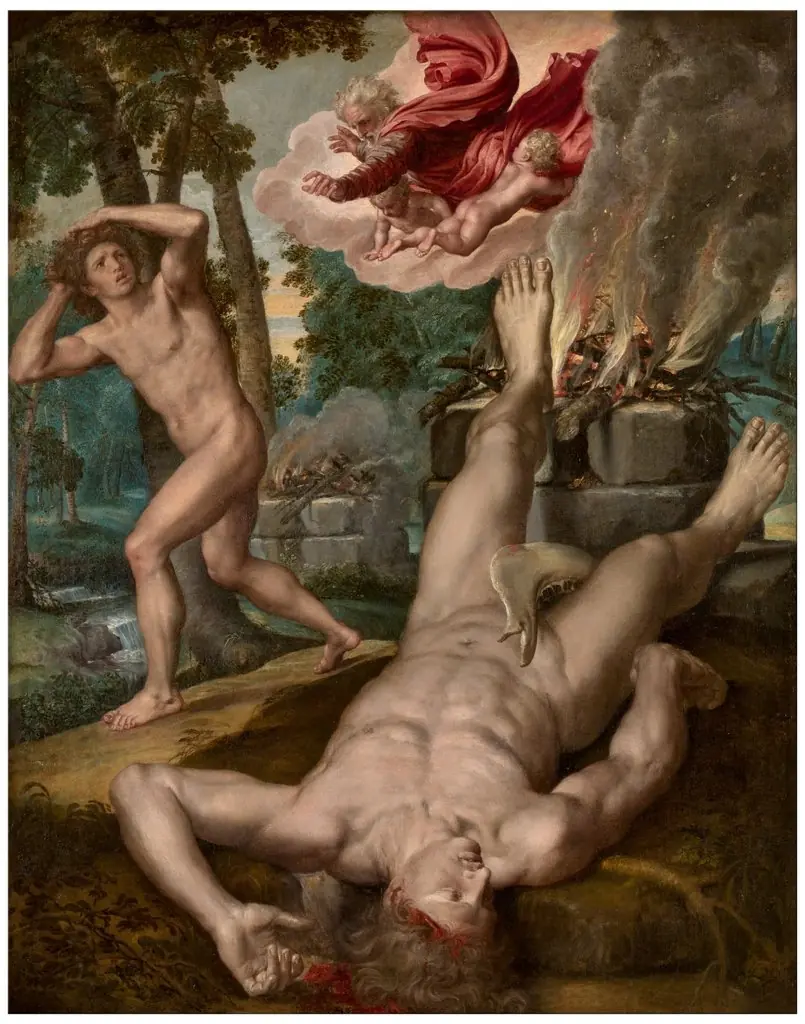
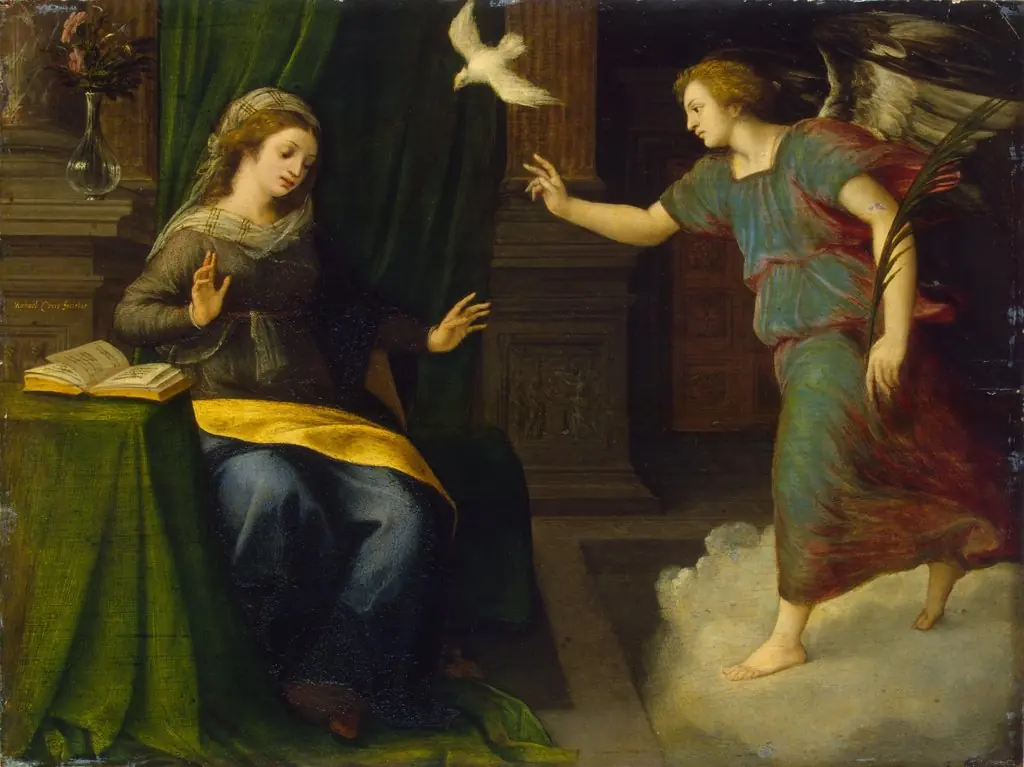
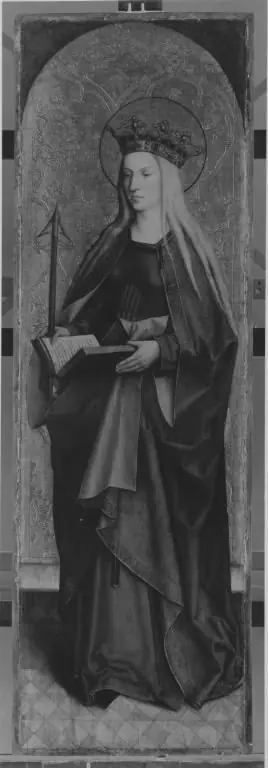
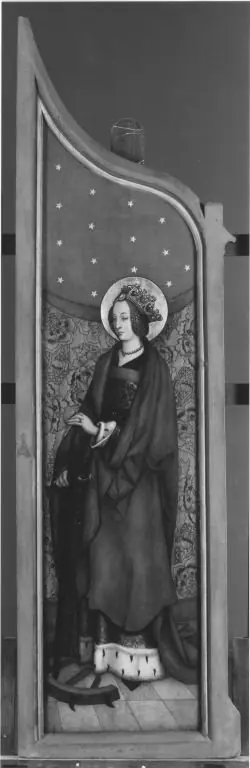
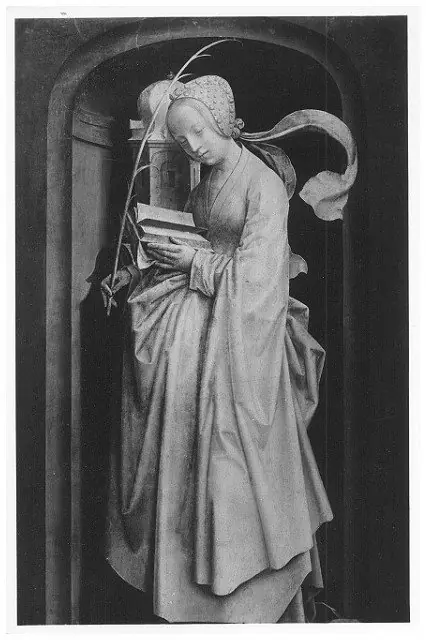
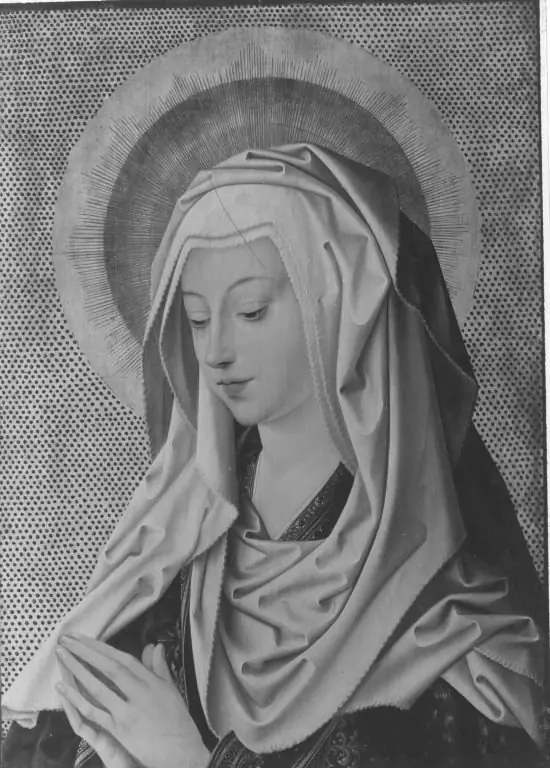
Mary (after The Ghent Altarpiece) is an oil painting by the Northern Renaissance artist Michiel Coxie. It dates from 1557 and is held in the collection of the Bavarian State Painting Collections.
About this work
Overview
A Flemish artist trained in Italy, Coxie synthesized northern European detail with Italian compositional harmony.
Michiel Coxie the Elder painted this oil-on-panel work in 1557, adapting imagery from the Ghent Altarpiece. A Flemish artist trained in Italy, Coxie synthesized northern European detail with Italian compositional harmony. The piece belongs to a series of devotional reworkings he produced during his tenure as court painter to the Habsburg monarchs, reflecting both personal piety and imperial patronage.
Subject & Meaning
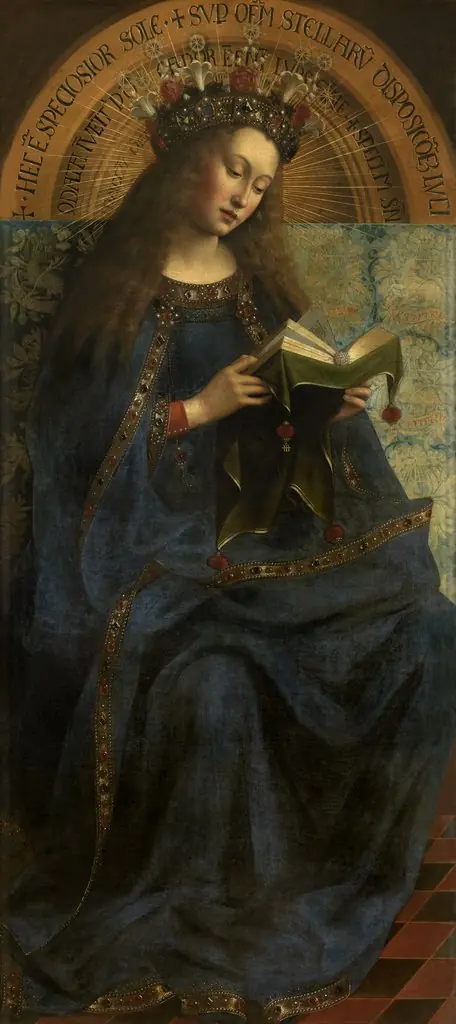
The Virgin Mary is depicted as the Queen of Heaven, crowned and seated in quiet contemplation. Her open book likely represents the Scriptures or the Book of Life, emphasizing her role as an intercessor and vessel of divine wisdom. The celestial background with Latin inscriptions reinforces her heavenly status, while the calm expression conveys serenity and spiritual authority, aligning with Counter-Reformation ideals of Marian devotion.
Technique & Style
Coxie employed multiple layers of glaze to achieve the luminous depth of Mary’s dark robes and the metallic sheen of her gold trim. The fine rendering of fabric folds and the delicate rendering of the starlit sky demonstrate mastery of northern oil techniques. The halo of Latin text, painted with precision, integrates calligraphy into the sacred imagery, a hallmark of his learned, humanist approach to religious subjects.
History & Provenance
Commissioned during Coxie’s service to Philip II, the painting entered the Bavarian royal collection in the 18th century and was later transferred to the Alte Pinakothek in Munich. Its survival intact reflects its continued value as a devotional object and a testament to Habsburg cultural patronage. No significant alterations or restorations are documented, preserving its original surface and intent.
Context
Created amid the religious upheavals of the Reformation, this work responds to Catholic efforts to reaffirm Marian veneration. Coxie’s adaptation of the Ghent Altarpiece’s imagery—originally by the Van Eycks—bridges early Netherlandish tradition with the emerging Mannerist sensibility. His Italian training informed the balanced composition, while the meticulous detail remained rooted in Flemish practice.
Legacy
Coxie’s painting stands as an example of how northern artists reinterpreted iconic religious imagery for new political and spiritual contexts. Though less known than his contemporaries, his synthesis of Italian and Flemish styles influenced later court painters in Spain and the Low Countries. The work remains a quiet but significant artifact of 16th-century devotional culture.
Artist & collection
Artist
Michiel Coxie the Elder, Michiel Coxcie the Elder or Michiel van Coxcie, Latinised name Coxius (1499 – 3 March 1592), was a Flemish painter of altarpieces and portraits, a draughtsman and a designer of stained-glass windows, tapestries and…