Artwork
Târg anual la Sibiu
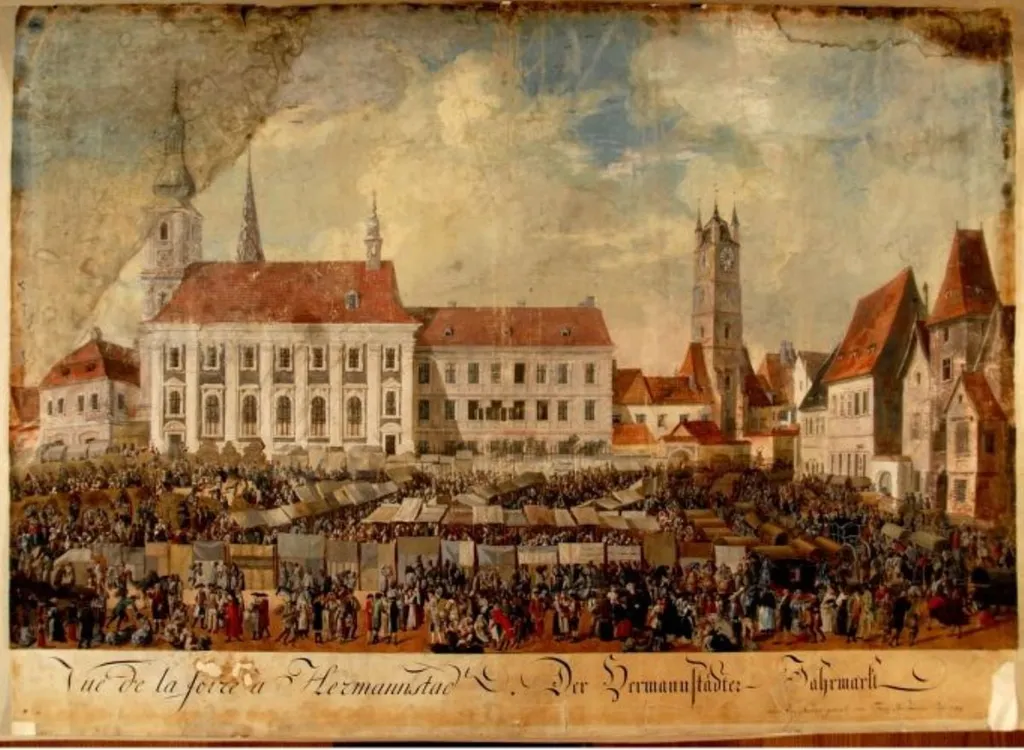
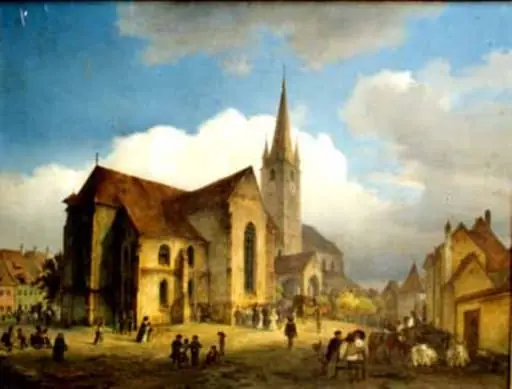
Târg anual la Sibiu is an unspecified painting by the Rococo painting artist Frantz cel Tânăr Neuhauser. It dates from 1789 and is held in the collection of the Brukenthal National Museum.
About this work
Overview
A multitude of figures—some standing, others sheltered beneath white tents—populate the scene, their attire reflecting the period’s vernacular dress.
Frantz cel Tânăr Neuhauser’s 1789 oil painting titled *Târg anual la Sibiu* captures a bustling open‑air market set before a row of substantial buildings topped with red tiles and punctuated by soaring church spires. A multitude of figures—some standing, others sheltered beneath white tents—populate the scene, their attire reflecting the period’s vernacular dress. The sky is a muted pale, brushed with faint clouds, and the overall palette bears a gentle patina of age.
Subject & Meaning
The composition records an annual fair in a German‑influenced town, likely the Transylvanian city of Sibiu, known historically for its market traditions. By concentrating a dense crowd around stalls and architectural landmarks, Neuhauser emphasizes communal activity and the economic vitality of such gatherings, offering a visual document of 18th‑century public life and social interaction.
Technique & Style
Neuhauser employs a relatively flat, yet detailed, rendering of figures and architecture, using a restrained color scheme that softens the scene’s vibrancy. The brushwork suggests a careful delineation of individual costumes and structural elements, while the overall atmospheric effect is achieved through subtle tonal gradations in the sky and the faintly weathered surface, hinting at the painting’s age.
History & Provenance
Created in 1789, the work has remained within the visual record of Central European art, though specific ownership details are scarce. Its survival in a faded condition indicates prolonged exposure or limited conservation, allowing contemporary viewers to glimpse the visual language of late‑Baroque regional painting.
Context
During the late 18th century, Sibiu (formerly Hermannstadt) served as a commercial hub within the Habsburg Empire, hosting regular fairs that attracted merchants and townspeople alike. Neuhauser’s depiction aligns with contemporary genre scenes that documented everyday civic events, reflecting both the economic importance of such markets and the cultural exchange inherent in a multicultural town.
Artist & collection
Artist

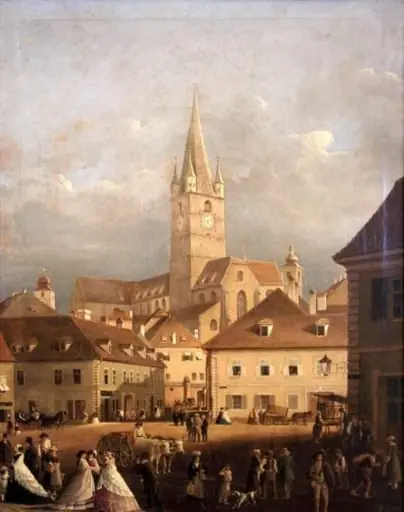 Peisaj din Sibiu (Biserica evanghelică din Sibiu)
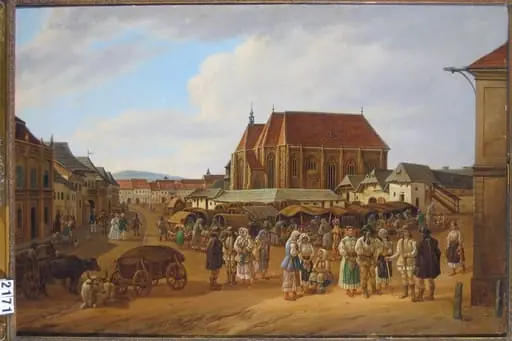 Biserica din Piața Mare din Cluj
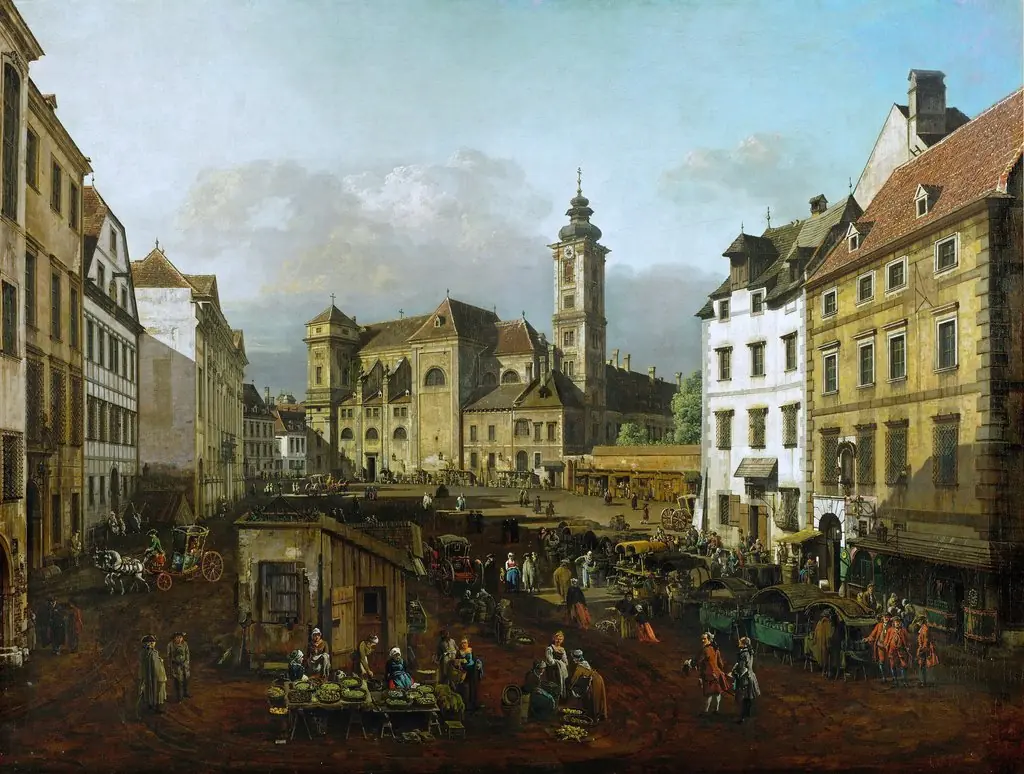 The Freyung in Vienne, from the South-East
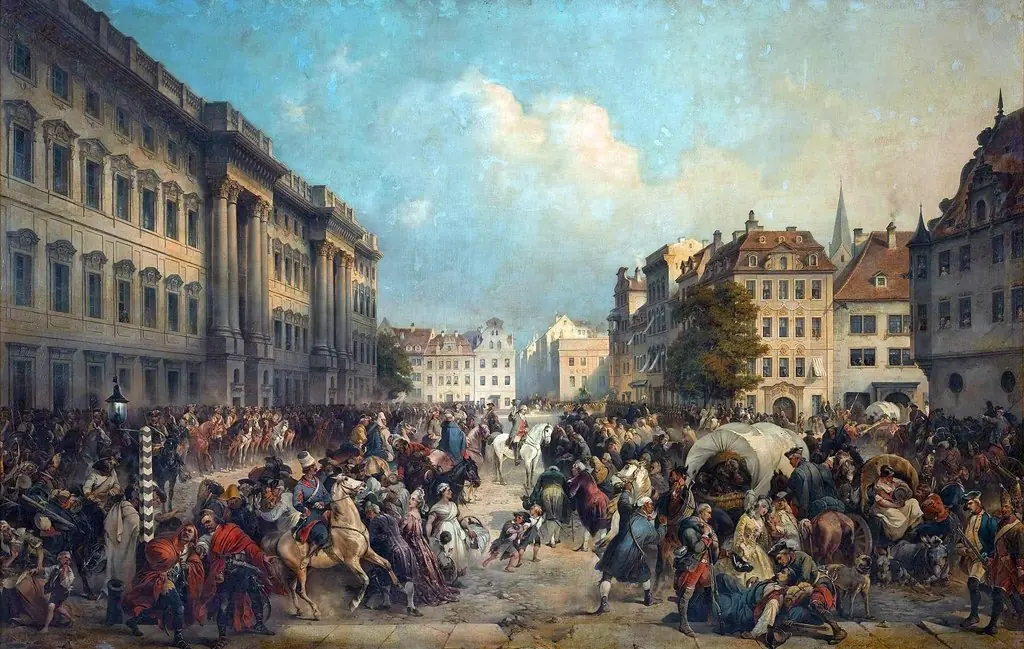 Capture of Berlin on 28 September 1760
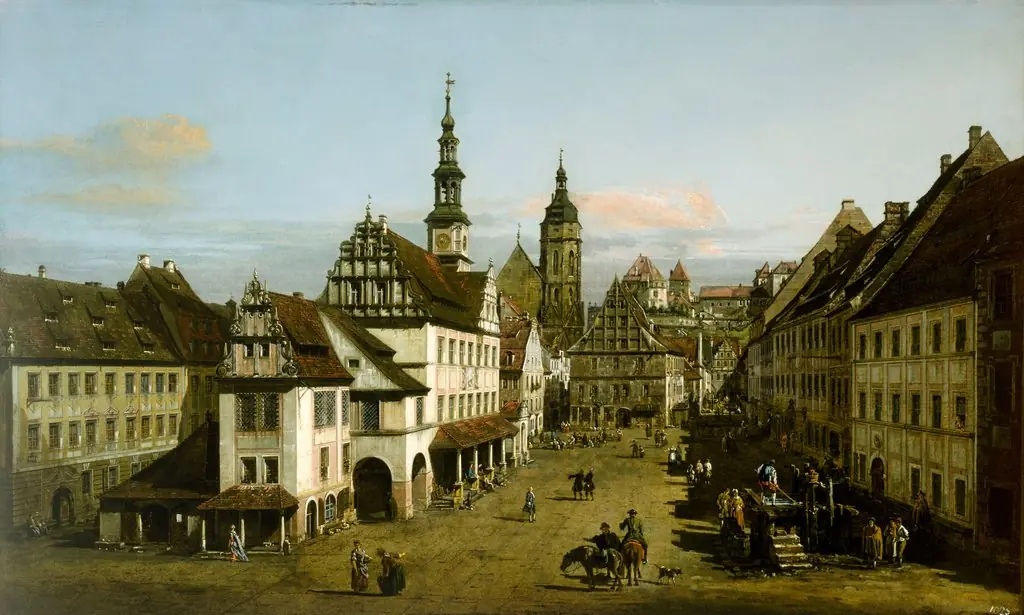 The Marketplace at Pirna
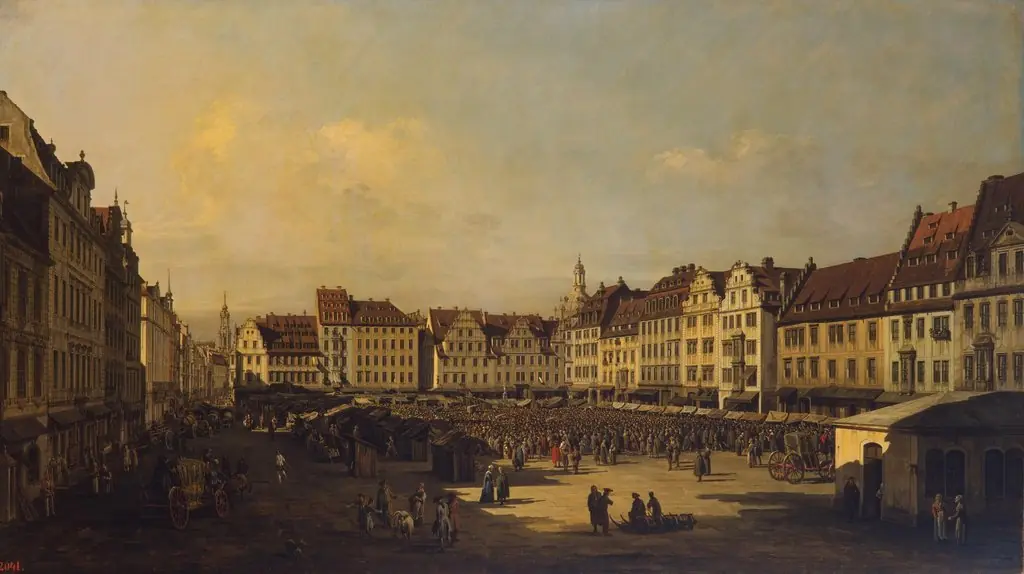 Old Market-Place in Dresden
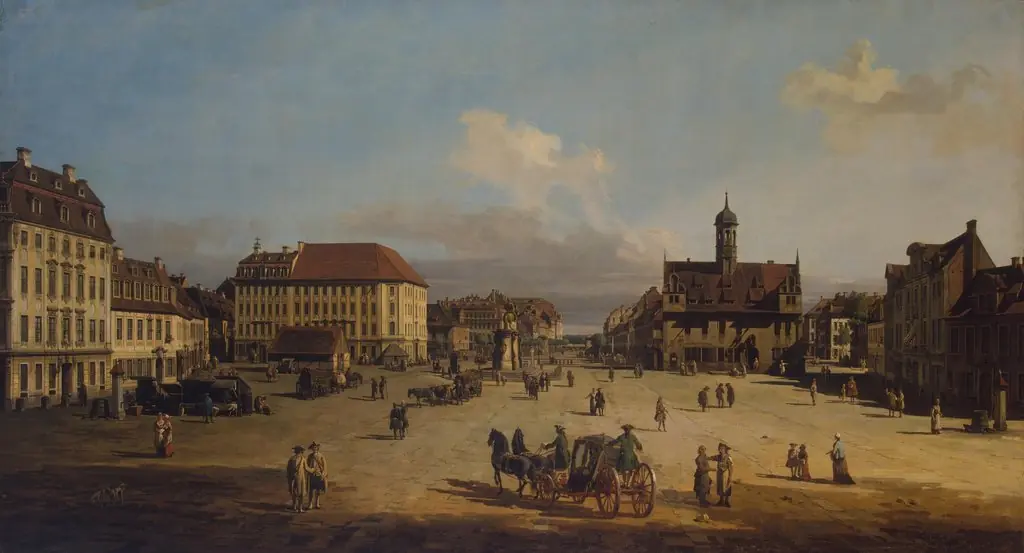 Market-Place of the Neustadt in Dresden
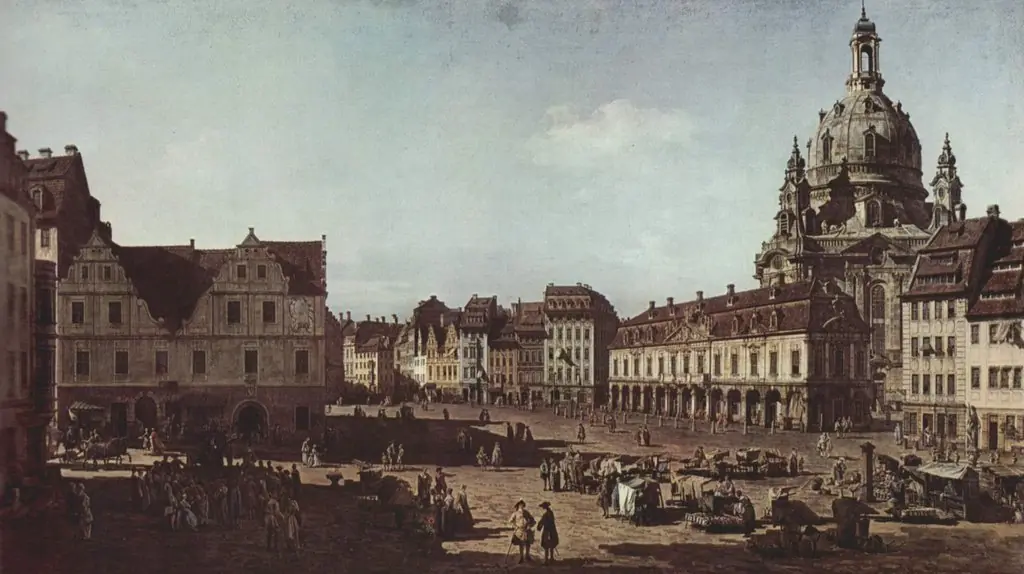 The New Market in Dresden from Moritzstraße
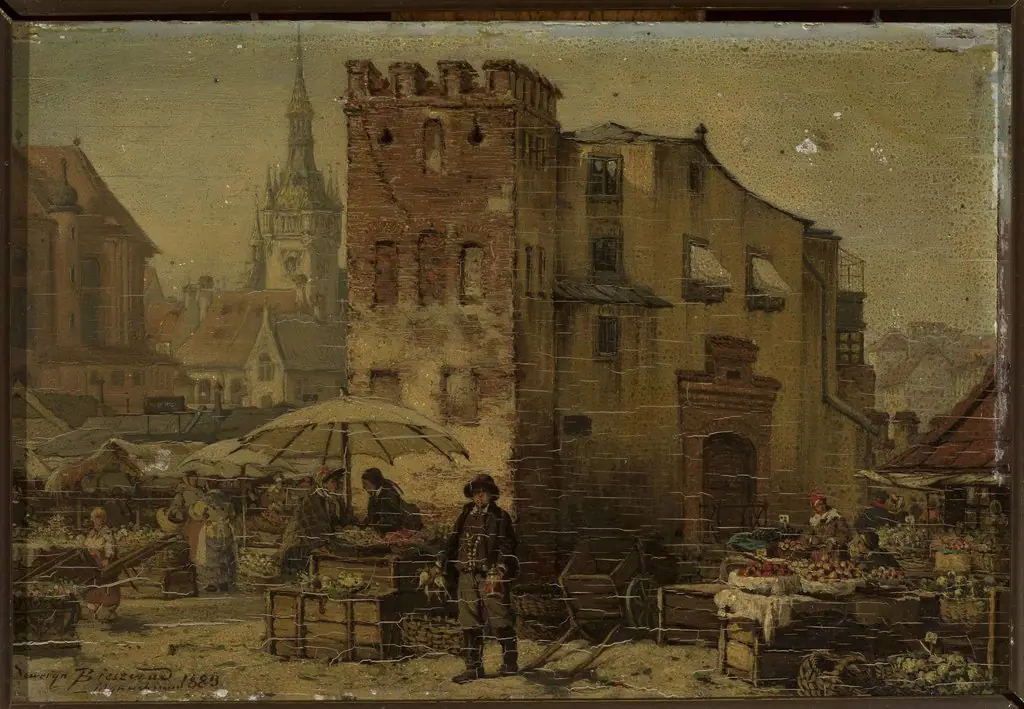 Marketplace in Munich
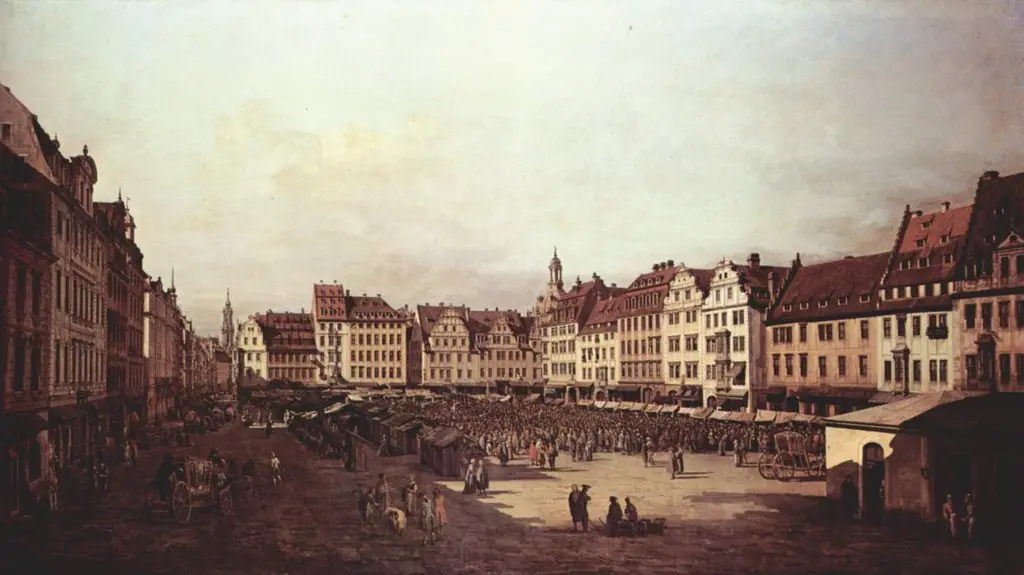 The Old Market in Dresden from Seegasse
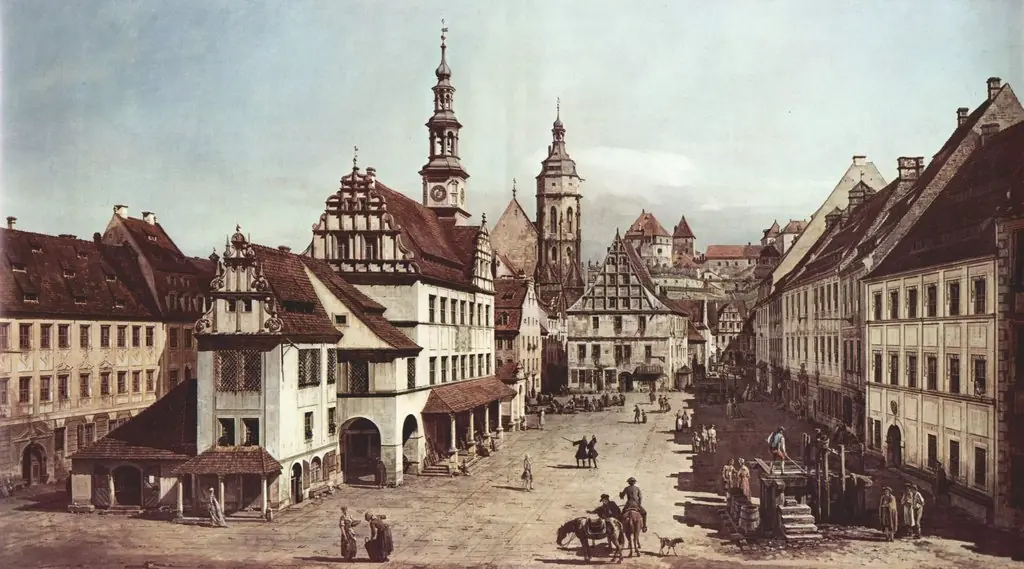 The Marketplace in Pirna
 Biserica Evanghelică din Sibiu